1
/
of
15
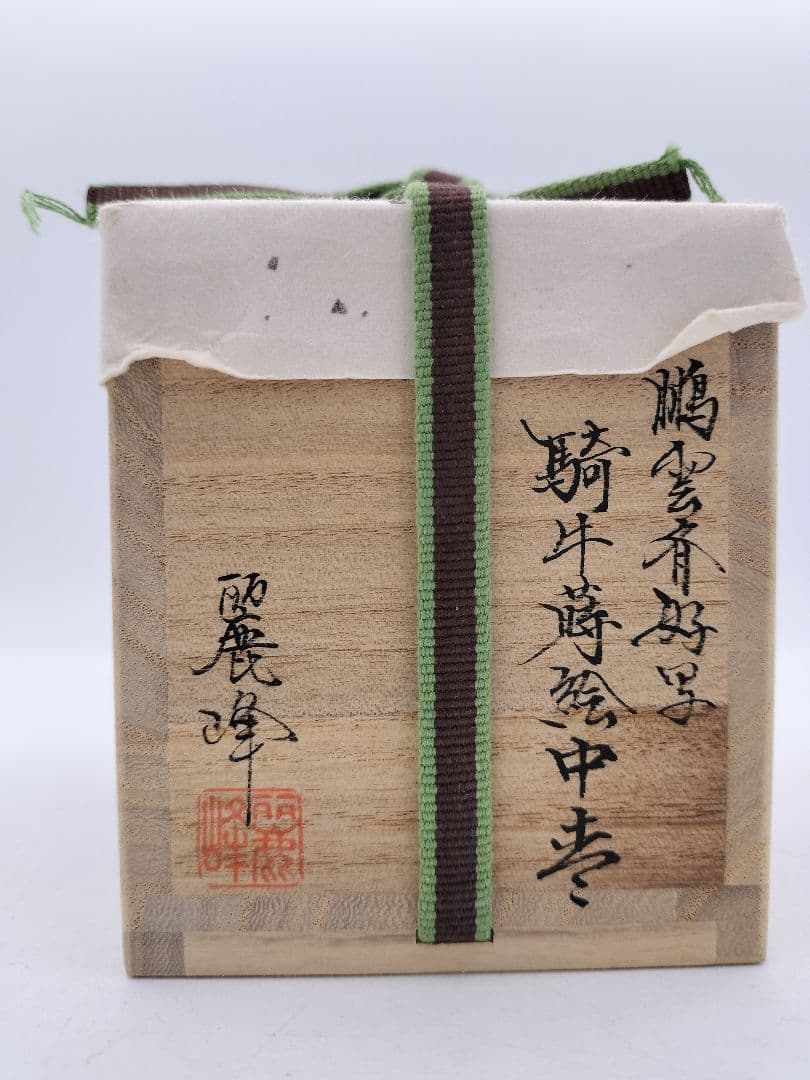
Riding Ox Zen Maki-e Natsume — Hounsai Style, Sasaki Reiho
Riding Ox Zen Maki-e Natsume — Hounsai Style, Sasaki Reiho
Regular price
Dhs. 1,004.00 AED
Regular price
Sale price
Dhs. 1,004.00 AED
Taxes included.
Shipping calculated at checkout.
Experience authentic Japanese tea culture with this Riding Ox Zen Maki-e Natsume. This Japanese Tea Caddy serves as a Hounsai Konomi Lacquerwork and Urasenke Tea Utensil, featuring Zen Ox-Herding Maki-e and Gold Plum Blossom Design—a must-have for any Art Collector seeking Buddhist Tea Ceremony Art and Traditional Lacquerware.
━━━━━━━━━━━━━━━━━━━━
🔹 [ BASIC DETAILS ]
• Artist: Sasaki Reiho (佐々木麗峰)
• Technique: Maki-e (蒔絵) — gold and red lacquer on black urushi
• Era: 2000s
• Origin: Japan
• Dimensions: Approx. 6.5 cm × 6.5 cm (2.6" × 2.6")
• Box: Wooden storage box
• Condition: Good — minor signs of age consistent with use in tea practice
━━━━━━━━━━━━━━━━━━━━
🔹 [ CULTURAL & ARTISTIC INSIGHT ]
The Ten Ox-Herding Pictures trace a Zen practitioner's journey from seeking the ox — the true self — to riding it home in ease. The sixth picture, "Riding the Ox Home," depicts the moment when struggle dissolves into harmony. The practitioner no longer leads; the ox no longer resists. They move together. In tea, this is the state every host aspires to: an effortlessness born from years of discipline.
Hounsai — Sen Soshitsu XV — chose this image for a reason. As the leader who brought Urasenke tea to the world, he understood that mastery is not the absence of the ox but the willingness to sit quietly on its back. A konomi-utushi (好写) piece carries the aesthetic authority of the grand master's eye: Sasaki Reiho did not merely copy a design but channeled a sensibility.
The plum blossoms encircling the body ground the Zen parable in seasonal reality. Plum blooms in the cold — the first flower to break through winter — and in tea culture signals perseverance, renewal, and the promise that warmth follows patience.
*"The rider plays a flute. The ox knows the way. Neither hurries. Neither arrives."*
━━━━━━━━━━━━━━━━━━━━
🔹 [ DEEP-DIVE COMMENTARY ]
**Ten Ox-Herding Pictures (十牛図)**: Originating in 12th-century Song Dynasty China and refined by Japanese Zen masters, this series of ten images maps the stages of enlightenment. "Riding the Ox Home" — the sixth stage — represents the integration of insight into daily life. Its presence on a tea utensil is not decorative but pedagogical: every preparation of tea reenacts the journey.
**Hounsai Konomi (鵬雲斎好)**: When a grand master designates a "konomi" — a preferred design — it becomes part of the Urasenke canon. Artisans granted permission to produce konomi-utushi work within strict aesthetic parameters while bringing their own technical skill. The designation signals that the piece belongs to a lineage, not merely a market.
**Sasaki Reiho (佐々木麗峰)**: A maki-e lacquer artisan recognized for work within the tea ceremony tradition. Reiho's technique balances painterly warmth — visible in the red and gold tones of the ox-riding figure — with the precision demanded by lacquer as a medium. Each layer must cure before the next is applied; patience is built into the process.
**Plum Blossom Symbolism (梅)**: In East Asian art, the plum blossom occupies the position of "first among flowers." It appears alongside bamboo and pine as one of the Three Friends of Winter (歳寒三友) — symbols of integrity under pressure. On this natsume, the plum grounds the Zen narrative in the natural world, connecting spiritual seeking with seasonal observation.
━━━━━━━━━━━━━━━━━━━━
🔹 [ 日本語解説 ]
【基本情報】
• 作家:佐々木麗峰
• 技法:蒔絵(金・朱漆、黒漆地)
• 時代:2000年代
• 産地:日本
• 寸法:約6.5cm × 6.5cm
• 付属:木箱
• 状態:良好 — 茶道使用に伴う経年あり
【解説】
十牛図の第六図「騎牛帰家」を蓋に、金蒔絵の梅花を胴に配した棗です。裏千家十五代・鵬雲斎宗匠の好みを写した作品で、蒔絵師・佐々木麗峰の手によるものです。
騎牛の図は、悟りへの道程において修行者と牛(真の自己)が一体となる境地を描きます。茶の湯においてもまた、点前の稽古を重ねた先に訪れる「無理のない自然体」こそが目指すべき姿であり、この意匠はその精神を静かに伝えています。
胴部の梅花は冬の厳しさの中で最初に花開く生命力の象徴です。禅の精神性と季節の美意識が一碗の中で出会う——鵬雲斎好みの真髄がここにあります。
━━━━━━━━━━━━━━━━━━━━
🔹 [ SHIPPING & PACKAGING ]
• Dispatch: Within 1-6 business days
• Carrier: Japan Post EMS / UPS (with tracking)
• Packaging: Carefully wrapped with protective materials
*The ox walks home through plum blossoms. The rider has forgotten the question. The answer carries them both.*
━━━━━━━━━━━━━━━━━━━━
🔹 [ BASIC DETAILS ]
• Artist: Sasaki Reiho (佐々木麗峰)
• Technique: Maki-e (蒔絵) — gold and red lacquer on black urushi
• Era: 2000s
• Origin: Japan
• Dimensions: Approx. 6.5 cm × 6.5 cm (2.6" × 2.6")
• Box: Wooden storage box
• Condition: Good — minor signs of age consistent with use in tea practice
━━━━━━━━━━━━━━━━━━━━
🔹 [ CULTURAL & ARTISTIC INSIGHT ]
The Ten Ox-Herding Pictures trace a Zen practitioner's journey from seeking the ox — the true self — to riding it home in ease. The sixth picture, "Riding the Ox Home," depicts the moment when struggle dissolves into harmony. The practitioner no longer leads; the ox no longer resists. They move together. In tea, this is the state every host aspires to: an effortlessness born from years of discipline.
Hounsai — Sen Soshitsu XV — chose this image for a reason. As the leader who brought Urasenke tea to the world, he understood that mastery is not the absence of the ox but the willingness to sit quietly on its back. A konomi-utushi (好写) piece carries the aesthetic authority of the grand master's eye: Sasaki Reiho did not merely copy a design but channeled a sensibility.
The plum blossoms encircling the body ground the Zen parable in seasonal reality. Plum blooms in the cold — the first flower to break through winter — and in tea culture signals perseverance, renewal, and the promise that warmth follows patience.
*"The rider plays a flute. The ox knows the way. Neither hurries. Neither arrives."*
━━━━━━━━━━━━━━━━━━━━
🔹 [ DEEP-DIVE COMMENTARY ]
**Ten Ox-Herding Pictures (十牛図)**: Originating in 12th-century Song Dynasty China and refined by Japanese Zen masters, this series of ten images maps the stages of enlightenment. "Riding the Ox Home" — the sixth stage — represents the integration of insight into daily life. Its presence on a tea utensil is not decorative but pedagogical: every preparation of tea reenacts the journey.
**Hounsai Konomi (鵬雲斎好)**: When a grand master designates a "konomi" — a preferred design — it becomes part of the Urasenke canon. Artisans granted permission to produce konomi-utushi work within strict aesthetic parameters while bringing their own technical skill. The designation signals that the piece belongs to a lineage, not merely a market.
**Sasaki Reiho (佐々木麗峰)**: A maki-e lacquer artisan recognized for work within the tea ceremony tradition. Reiho's technique balances painterly warmth — visible in the red and gold tones of the ox-riding figure — with the precision demanded by lacquer as a medium. Each layer must cure before the next is applied; patience is built into the process.
**Plum Blossom Symbolism (梅)**: In East Asian art, the plum blossom occupies the position of "first among flowers." It appears alongside bamboo and pine as one of the Three Friends of Winter (歳寒三友) — symbols of integrity under pressure. On this natsume, the plum grounds the Zen narrative in the natural world, connecting spiritual seeking with seasonal observation.
━━━━━━━━━━━━━━━━━━━━
🔹 [ 日本語解説 ]
【基本情報】
• 作家:佐々木麗峰
• 技法:蒔絵(金・朱漆、黒漆地)
• 時代:2000年代
• 産地:日本
• 寸法:約6.5cm × 6.5cm
• 付属:木箱
• 状態:良好 — 茶道使用に伴う経年あり
【解説】
十牛図の第六図「騎牛帰家」を蓋に、金蒔絵の梅花を胴に配した棗です。裏千家十五代・鵬雲斎宗匠の好みを写した作品で、蒔絵師・佐々木麗峰の手によるものです。
騎牛の図は、悟りへの道程において修行者と牛(真の自己)が一体となる境地を描きます。茶の湯においてもまた、点前の稽古を重ねた先に訪れる「無理のない自然体」こそが目指すべき姿であり、この意匠はその精神を静かに伝えています。
胴部の梅花は冬の厳しさの中で最初に花開く生命力の象徴です。禅の精神性と季節の美意識が一碗の中で出会う——鵬雲斎好みの真髄がここにあります。
━━━━━━━━━━━━━━━━━━━━
🔹 [ SHIPPING & PACKAGING ]
• Dispatch: Within 1-6 business days
• Carrier: Japan Post EMS / UPS (with tracking)
• Packaging: Carefully wrapped with protective materials
*The ox walks home through plum blossoms. The rider has forgotten the question. The answer carries them both.*
Quantity
Couldn't load pickup availability
Out of stock
View full details