1
/
of
9
Red Lacquer Maru-Natsume Tea Caddy by Tanaka Soryo - Gold Maki-e Loquat and Plovers
Red Lacquer Maru-Natsume Tea Caddy by Tanaka Soryo - Gold Maki-e Loquat and Plovers
Regular price
Dhs. 2,596.00 AED
Regular price
Sale price
Dhs. 2,596.00 AED
Taxes included.
Shipping calculated at checkout.
Experience authentic Japanese tea ceremony art with this Red Lacquer Maru-Natsume Tea Caddy. This Japanese Lacquerware Tea Caddy serves as a Gold Maki-e Masterpiece and Vermilion Lacquer Art, featuring Loquat Maki-e Design and Plovers Over Waves motif—a must-have for any Art Collector seeking Urushi Tea Caddy craftsmanship and Authentic Japan Art.
━━━━━━━━━━━━━━━━━━━━
🔹 [ BASIC DETAILS ]
• Artist: Tanaka Soryo (田中宗凌)
• Technique: Takamaki-e (raised gold maki-e) on vermilion urushi lacquer
• Era: Contemporary (late 20th century)
• Origin: Japan
• Dimensions: Height approx. 6.5 cm × Diameter approx. 6.5 cm (2.6" × 2.6")
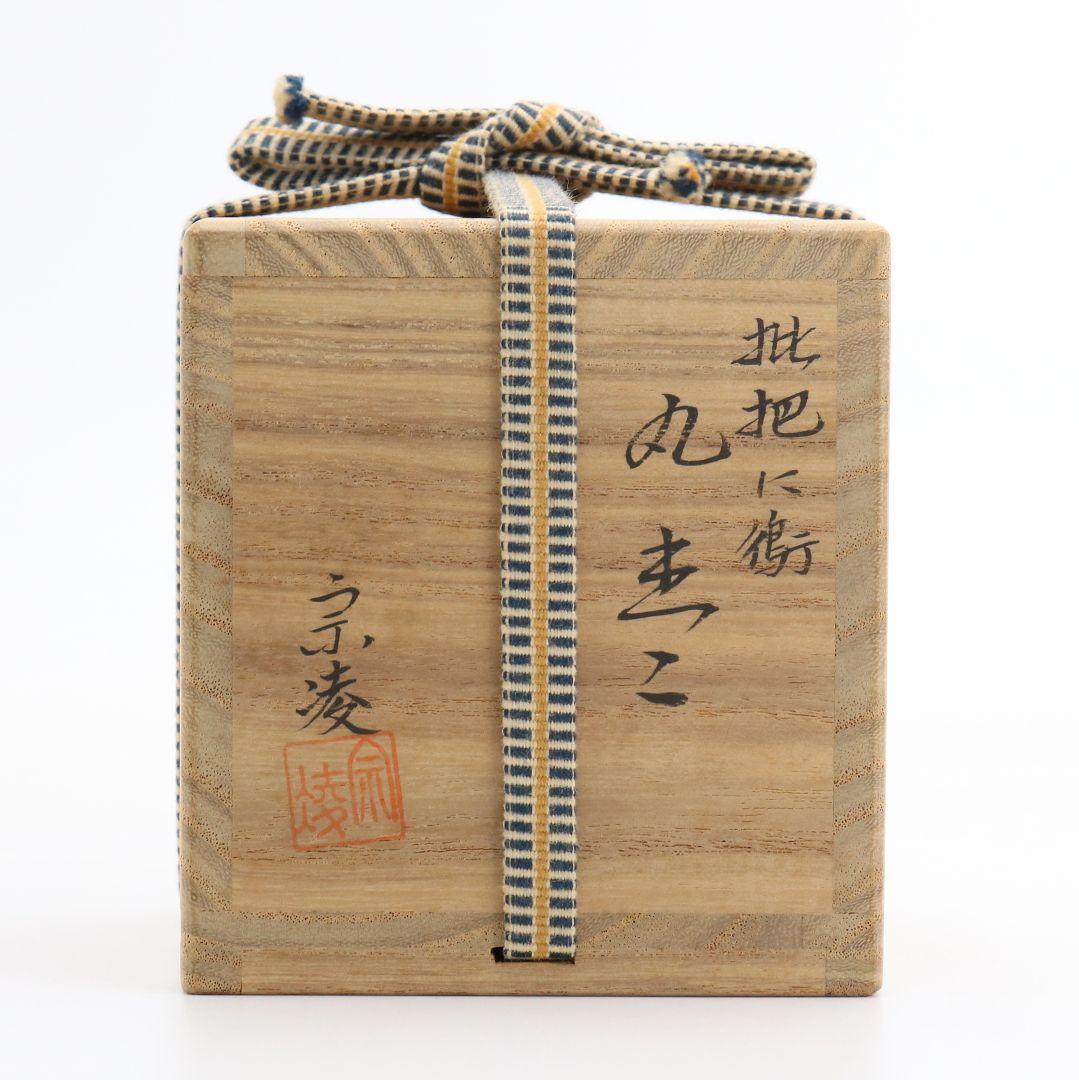
• Box: Signed tomobako (paulownia wood box) with artist's seal
• Condition: Excellent — mirror-like lacquer surface with no visible wear
━━━━━━━━━━━━━━━━━━━━
🔹 [ CULTURAL & ARTISTIC INSIGHT ]
This maru-natsume (round tea caddy) embodies the refined aesthetic of Japanese tea ceremony culture. The deep vermilion urushi lacquer provides a luminous foundation for exquisite gold maki-e decoration: on one side, a loquat tree (biwa) extends gracefully with delicate branches, leaves, and fruit rendered in takamaki-e technique; the reverse features plovers (chidori) in flight above stylized waves, the classic nami-chidori motif symbolizing perseverance and grace.
Tanaka Soryo's mastery is evident in the precision of the maki-e work — each element carefully built up in relief, then polished to reveal its golden brilliance against the crimson ground. The round form of the maru-natsume represents completeness and harmony, making it both a functional tea utensil and a contemplative art object.
The combination of loquat and plovers speaks to the seasonal awareness central to tea practice. The loquat evokes early summer abundance, while plovers over waves suggest coastal landscapes and the interplay of sky and sea — a poetic pairing that invites meditation during the tea ceremony.
*"In the gleam of gold against crimson, the loquat's quiet abundance meets the plover's restless flight — a moment held in lacquer and time."*
━━━━━━━━━━━━━━━━━━━━
🔹 [ DEEP-DIVE COMMENTARY ]
**The Maki-e Tradition**: Maki-e, literally "sprinkled picture," is a lacquer decoration technique developed over a millennium in Japan. Gold or silver powder is sprinkled onto wet lacquer to create images, then covered with additional layers and polished. Takamaki-e, as seen here, builds up relief through multiple applications, creating a three-dimensional effect that catches light and shadow — a hallmark of master lacquer artists.
**Technical Achievement**: The mirror-like finish of the vermilion lacquer base required dozens of thin layers, each carefully applied and polished. The gold maki-e loquat branches show fluid brushwork preserved in metal powder, while the plovers demonstrate confident economy of line. This level of refinement indicates years of training in traditional Japanese lacquer arts.
**Seasonal Symbolism**: The loquat (biwa) ripens in early summer and has been celebrated in Japanese poetry for centuries as a symbol of quiet abundance. Plovers over waves (nami-chidori) appear frequently in textile and lacquer design, representing resilience — small birds navigating vast waters. Together, these motifs create a seasonal narrative that enhances the tea experience.
**Collector Significance**: Tea caddies (natsume) are among the most cherished utensils in tea ceremony practice, often passed down through generations. A signed work in tomobako from a skilled lacquer artist like Tanaka Soryo represents both functional beauty and cultural continuity — an artwork that participates in the ritual of tea while serving as a vessel for matcha powder.
━━━━━━━━━━━━━━━━━━━━
🔹 [ 日本語解説 ]
【基本情報】
• 作家:田中宗凌
• 技法:高蒔絵、朱漆塗
• 時代:20世紀後期
• 産地:日本
• 寸法:高さ約6.5cm、直径約6.5cm
• 付属:共箱(作家落款・印章あり)
• 状態:優良 — 鏡面仕上げで使用感なし
【解説】
この丸棗は、茶の湯文化の洗練された美意識を体現しています。深みのある朱漆を地とし、一面には琵琶の枝葉と実を高蒔絵で表現。反対面には波間を飛ぶ千鳥が配され、波千鳥という古典的な意匠が金の輝きで描かれています。
田中宗凌の技術の高さは、緻密な蒔絵の盛り上げと研ぎ出しに表れています。朱地に浮かび上がる金の線は、光の角度によって表情を変え、茶席での使用時に静かな存在感を放ちます。丸棗の形は円満と調和を象徴し、茶道具としての機能性と鑑賞性を兼ね備えた逸品です。
━━━━━━━━━━━━━━━━━━━━
🔹 [ SHIPPING & PACKAGING ]
• Dispatch: Within 1-6 business days
• Carrier: Japan Post EMS / UPS (with tracking)
• Packaging: Carefully wrapped with protective materials
*Where gold meets crimson, the loquat whispers summer; where plover meets wave, perseverance takes flight.*
━━━━━━━━━━━━━━━━━━━━
🔹 [ BASIC DETAILS ]
• Artist: Tanaka Soryo (田中宗凌)
• Technique: Takamaki-e (raised gold maki-e) on vermilion urushi lacquer
• Era: Contemporary (late 20th century)
• Origin: Japan
• Dimensions: Height approx. 6.5 cm × Diameter approx. 6.5 cm (2.6" × 2.6")
• Box: Signed tomobako (paulownia wood box) with artist's seal
• Condition: Excellent — mirror-like lacquer surface with no visible wear
━━━━━━━━━━━━━━━━━━━━
🔹 [ CULTURAL & ARTISTIC INSIGHT ]
This maru-natsume (round tea caddy) embodies the refined aesthetic of Japanese tea ceremony culture. The deep vermilion urushi lacquer provides a luminous foundation for exquisite gold maki-e decoration: on one side, a loquat tree (biwa) extends gracefully with delicate branches, leaves, and fruit rendered in takamaki-e technique; the reverse features plovers (chidori) in flight above stylized waves, the classic nami-chidori motif symbolizing perseverance and grace.
Tanaka Soryo's mastery is evident in the precision of the maki-e work — each element carefully built up in relief, then polished to reveal its golden brilliance against the crimson ground. The round form of the maru-natsume represents completeness and harmony, making it both a functional tea utensil and a contemplative art object.
The combination of loquat and plovers speaks to the seasonal awareness central to tea practice. The loquat evokes early summer abundance, while plovers over waves suggest coastal landscapes and the interplay of sky and sea — a poetic pairing that invites meditation during the tea ceremony.
*"In the gleam of gold against crimson, the loquat's quiet abundance meets the plover's restless flight — a moment held in lacquer and time."*
━━━━━━━━━━━━━━━━━━━━
🔹 [ DEEP-DIVE COMMENTARY ]
**The Maki-e Tradition**: Maki-e, literally "sprinkled picture," is a lacquer decoration technique developed over a millennium in Japan. Gold or silver powder is sprinkled onto wet lacquer to create images, then covered with additional layers and polished. Takamaki-e, as seen here, builds up relief through multiple applications, creating a three-dimensional effect that catches light and shadow — a hallmark of master lacquer artists.
**Technical Achievement**: The mirror-like finish of the vermilion lacquer base required dozens of thin layers, each carefully applied and polished. The gold maki-e loquat branches show fluid brushwork preserved in metal powder, while the plovers demonstrate confident economy of line. This level of refinement indicates years of training in traditional Japanese lacquer arts.
**Seasonal Symbolism**: The loquat (biwa) ripens in early summer and has been celebrated in Japanese poetry for centuries as a symbol of quiet abundance. Plovers over waves (nami-chidori) appear frequently in textile and lacquer design, representing resilience — small birds navigating vast waters. Together, these motifs create a seasonal narrative that enhances the tea experience.
**Collector Significance**: Tea caddies (natsume) are among the most cherished utensils in tea ceremony practice, often passed down through generations. A signed work in tomobako from a skilled lacquer artist like Tanaka Soryo represents both functional beauty and cultural continuity — an artwork that participates in the ritual of tea while serving as a vessel for matcha powder.
━━━━━━━━━━━━━━━━━━━━
🔹 [ 日本語解説 ]
【基本情報】
• 作家:田中宗凌
• 技法:高蒔絵、朱漆塗
• 時代:20世紀後期
• 産地:日本
• 寸法:高さ約6.5cm、直径約6.5cm
• 付属:共箱(作家落款・印章あり)
• 状態:優良 — 鏡面仕上げで使用感なし
【解説】
この丸棗は、茶の湯文化の洗練された美意識を体現しています。深みのある朱漆を地とし、一面には琵琶の枝葉と実を高蒔絵で表現。反対面には波間を飛ぶ千鳥が配され、波千鳥という古典的な意匠が金の輝きで描かれています。
田中宗凌の技術の高さは、緻密な蒔絵の盛り上げと研ぎ出しに表れています。朱地に浮かび上がる金の線は、光の角度によって表情を変え、茶席での使用時に静かな存在感を放ちます。丸棗の形は円満と調和を象徴し、茶道具としての機能性と鑑賞性を兼ね備えた逸品です。
━━━━━━━━━━━━━━━━━━━━
🔹 [ SHIPPING & PACKAGING ]
• Dispatch: Within 1-6 business days
• Carrier: Japan Post EMS / UPS (with tracking)
• Packaging: Carefully wrapped with protective materials
*Where gold meets crimson, the loquat whispers summer; where plover meets wave, perseverance takes flight.*
Quantity
Couldn't load pickup availability
Low stock: 1 left
View full details