1
/
of
9
Raku Matcha Bowl "Uzushio" by Seizan, Tantobo — Swirling Tide Glaze
Raku Matcha Bowl "Uzushio" by Seizan, Tantobo — Swirling Tide Glaze
Regular price
Dhs. 631.00 AED
Regular price
Sale price
Dhs. 631.00 AED
Taxes included.
Shipping calculated at checkout.
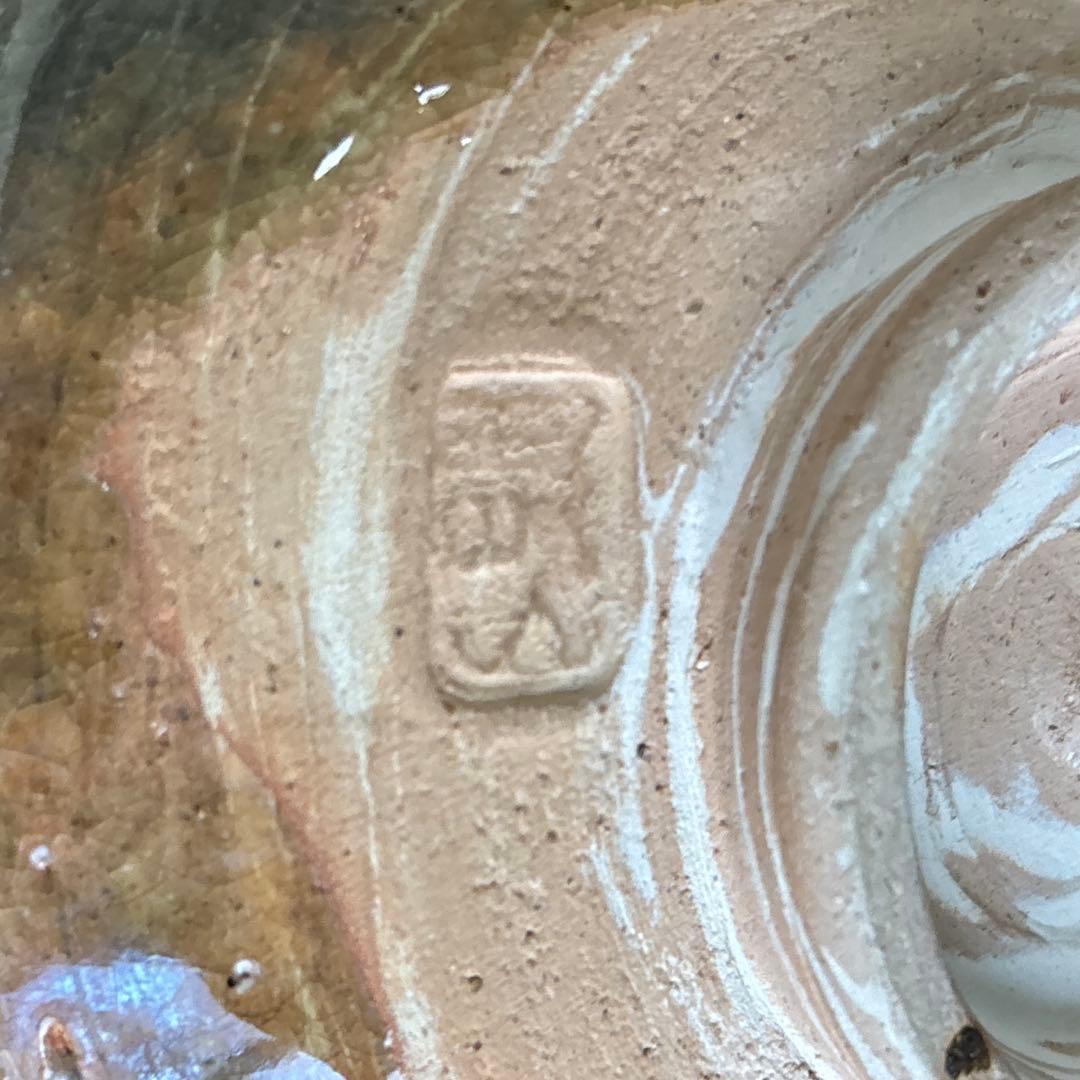
A raku-ware matcha bowl by Seizan of Tantobo, named Uzushio — whirling tide. Horizontal bands of grey-blue glaze sweep across a warm terracotta body in a motion that recalls tidal water pulling across sand. The glaze carries a visible crackle (kannyu), and a thin vein of cream slip breaks the current near the base. The form is rounded and assured, with a small, pale foot ring.
🔹 [ BASIC DETAILS ]
• Artist: Seizan (静山), Tantobo (淡陶坊)
• Technique: Raku-yaki (楽焼) — low-fired earthenware; grey-blue over terracotta clay body with cream slip accent; crackle glaze (kannyu)
• Named piece: Uzushio (うず汐) — whirling tide
• Era: Post-war to recent (precise date unconfirmed)
• Origin: Japan (Tantobo studio)
• Dimensions: Diameter approx. 12 cm, Height approx. 7.8 cm
• Box: Wooden box included. Note: the lid present bears the inscription of a tea-ceremony study group (天目楽堂玄記会), distinct from the maker's hand — this lid does not appear to be the original matching lid signed by Seizan. The box body itself carries the maker's brushwork. Collectors should consider this a provenance note rather than a structural defect.
• Condition: No cracks or chips. Glaze crackle is original kiln character, not damage.
🔹 [ CULTURAL & ARTISTIC INSIGHT ]
Raku ware carries one of the oldest lineages in Japanese tea ceramics. Born in 16th-century Kyoto under the guidance of tea master Sen no Rikyu and the potter Chojiro, the tradition prizes hand-forming over the wheel, low-temperature firing, and an aesthetic of deliberate imperfection — what wabi-cha calls the beauty of the unfinished and the accidental.
Seizan of Tantobo works within this current. The name Uzushio — whirling tide — is not ornament but instruction: the surface of this bowl holds the image of water in motion, grey-blue glaze layered over unglazed terracotta in sweeping horizontal bands, the crackle that appears in cooling acting as a second drawing, fine as frost on stone.
The form itself is of the type favored for fukuro-raku: slightly closed at the lip, the body full, the foot small and grounded. It fits the hand. The warmth of the exposed clay at the base, shifting to the cooler blue-grey above, mirrors the tonal range of a winter shore — the tide line between what the sea has touched and what it has not.
Philosophical line: The tide does not explain itself. It moves, and leaves the mark of having moved.
🔹 [ DEEP-DIVE COMMENTARY ]
Raku-yaki is defined by a specific sequence of making that separates it from virtually every other Japanese ceramic tradition. The clay body is hand-pinched or coil-built — not thrown on a wheel — then fired at relatively low temperatures (typically 750–1100°C) in a small kiln. The short, intense firing and rapid cooling are integral to the character of each piece. Crackle glazes (kannyu) form as glaze and clay cool at different rates, leaving a network of fine lines that the eye reads as age, as record.
The grey-blue glaze on this bowl belongs to the tradition of black and dark raku, where ash-based or lead-free glazes are applied over the terracotta body in layers. Here, the maker has allowed the red-brown clay to show through in warm horizontal seams — a technique of partial coverage that transforms the surface into something read as landscape. The cream vein of slip near the base is a deliberate accent, a third tone that anchors the composition.
Named pieces in the raku tradition carry weight beyond decoration. Uzushio — whirling tide — situates this bowl in the imagery of water and the coast, themes recurring in Japanese poetry from the Man'yoshu onward. A named bowl is a bowl with a position in the world: it has been seen, considered, and given a place in language.
The box represents a notable provenance detail. The lid present bears the inscription and seal of 天目楽堂玄記会 (Tenmoku Rakudo Genki-kai), a tea-ceremony study association, rather than the maker's own hand. The box body carries Seizan's brushwork. For serious collectors, such a mismatch signals that the piece passed through a formal tea-practice context — likely used in a gathering or exhibition associated with that group — before reaching this point. It is not a flaw. It is a chapter.
Collectors drawn to the intersection of elemental landscape imagery and the raku philosophy of non-permanence will find in this bowl a surface that repays sustained attention. The glaze shifts with light: cooler in shadow, warmer where the terracotta shows through. It is a bowl that changes with the time of day.
🔹 [ JAPANESE DESCRIPTION / 日本語解説 ]
淡陶坊・静山による楽焼の抹茶碗、銘は「うず汐」。灰青色の釉薬が温かみのある緋土の上を横方向に流れ、まるで砂の上を引く潮流のようだ。貫入が釉面に細かく走り、高台近くには薄い白化粧土の筋が一本、その流れを断つように入る。形は丸みを帯びた堅実な姿で、小さく締まった高台が確かな接地を与えている。
🔹 【基本情報】
• 作家:静山(淡陶坊)
• 技法:楽焼——低火度焼成。灰青釉に緋土の肌を見せ、白化粧土を部分的に施す。貫入あり(窯変・良品)
• 銘:うず汐
• 年代:戦後〜近代(詳細不明)
• 産地:日本(淡陶坊)
• 寸法:口径約12cm、高さ約7.8cm
• 共箱:木箱付き。ただし現在の蓋には「天目楽堂玄記会」の墨書と朱印が見られ、静山による箱書きとは異なる。箱本体には作家の墨書が確認できる。蓋と箱が別々の来歴を持つ可能性があり、これは状態上の問題ではなく、茶会などで使用された証としての由来記録と考えられる。
• 状態:ヒビ・カケなし。貫入は焼成時の景色であり、傷ではない。
🔹 【文化・芸術的考察】
楽焼は、日本の茶陶の中でも最も古い系譜のひとつを持つ。16世紀京都において、茶人・千利休の指導と陶工・長次郎の手によって生まれたこの伝統は、轆轤を使わない手びねり成形、低温焼成、そして意図的な不完全さの美——侘び茶が「景色」と呼ぶ窯変の偶然性——を本質としてきた。
淡陶坊・静山もまたその流れに立つ。銘「うず汐」は装飾の言葉ではなく、見方の指示である。この碗の表面には水の動きが宿っている。灰青色の釉が横方向に走り、その下から緋色の素地が透き出し、冷却時に生じた貫入が第二の描線として走る。それはまるで冬の浜辺、波が退いた後の砂の上に残る潮の跡そのものだ。
詩的一句:潮は説明しない。動き、そして動いた跡を残す。
🔹 【コレクター向け詳細解説】
楽焼はその製法において、他のほぼすべての日本陶芸の伝統と一線を画す。素地は轆轤を使わず手びねりまたは紐造りで成形され、比較的低温(750〜1100℃)の小窯で焼成される。短く強烈な焼成と急冷が、各作品の個性を生む。貫入は釉と素地の冷却速度の違いによって生じるもので、時間の記録のように読まれる。
この碗の灰青釉は、黒楽・暗色楽の伝統に属する。灰釉系の釉薬を緋土の上に部分的に掛け、温かみのある赤褐色の素地を横縞状に露出させる——この技法が表面を景色として読ませる。高台近くの白化粧土の筋は意図的なアクセントであり、三つ目の色調として構成を安定させる。
楽焼の伝統において、銘を持つ碗には格別の重みがある。「うず汐」は水と海岸の意象——万葉集以来、日本詩歌に繰り返し現れるテーマ——の中にこの碗を位置づける。銘を持つ碗は世界の中に居場所を得た碗だ。見られ、考えられ、言葉に置かれた証がある。
蓋の来歴については注目に値する点がある。現在の蓋には茶道研究会「天目楽堂玄記会」の墨書と印があり、作家自身の箱書きではない。箱本体には静山の書が確認できる。蓋と箱が別の文脈を持つということは、この碗が正式な茶会か展示の場で使用された後、現在に至っている可能性を示す。傷ではなく、履歴である。
景色を持つ陶器と楽焼の「無常の哲学」の交点に引かれるコレクターにとって、この碗の表面は見続けるほどに応える。光の方向によって釉の色は変わる。素地が透ける部分は暖かく、青灰の釉が覆う部分は涼しい。時刻とともに変化する碗だ。
🔹 [ SHIPPING & PACKAGING ]
• Dispatch: Within 1-6 business days
• Carrier: Japan Post EMS / UPS (with tracking)
• Packaging: Carefully wrapped with protective materials
🔹 [ BASIC DETAILS ]
• Artist: Seizan (静山), Tantobo (淡陶坊)
• Technique: Raku-yaki (楽焼) — low-fired earthenware; grey-blue over terracotta clay body with cream slip accent; crackle glaze (kannyu)
• Named piece: Uzushio (うず汐) — whirling tide
• Era: Post-war to recent (precise date unconfirmed)
• Origin: Japan (Tantobo studio)
• Dimensions: Diameter approx. 12 cm, Height approx. 7.8 cm
• Box: Wooden box included. Note: the lid present bears the inscription of a tea-ceremony study group (天目楽堂玄記会), distinct from the maker's hand — this lid does not appear to be the original matching lid signed by Seizan. The box body itself carries the maker's brushwork. Collectors should consider this a provenance note rather than a structural defect.
• Condition: No cracks or chips. Glaze crackle is original kiln character, not damage.
🔹 [ CULTURAL & ARTISTIC INSIGHT ]
Raku ware carries one of the oldest lineages in Japanese tea ceramics. Born in 16th-century Kyoto under the guidance of tea master Sen no Rikyu and the potter Chojiro, the tradition prizes hand-forming over the wheel, low-temperature firing, and an aesthetic of deliberate imperfection — what wabi-cha calls the beauty of the unfinished and the accidental.
Seizan of Tantobo works within this current. The name Uzushio — whirling tide — is not ornament but instruction: the surface of this bowl holds the image of water in motion, grey-blue glaze layered over unglazed terracotta in sweeping horizontal bands, the crackle that appears in cooling acting as a second drawing, fine as frost on stone.
The form itself is of the type favored for fukuro-raku: slightly closed at the lip, the body full, the foot small and grounded. It fits the hand. The warmth of the exposed clay at the base, shifting to the cooler blue-grey above, mirrors the tonal range of a winter shore — the tide line between what the sea has touched and what it has not.
Philosophical line: The tide does not explain itself. It moves, and leaves the mark of having moved.
🔹 [ DEEP-DIVE COMMENTARY ]
Raku-yaki is defined by a specific sequence of making that separates it from virtually every other Japanese ceramic tradition. The clay body is hand-pinched or coil-built — not thrown on a wheel — then fired at relatively low temperatures (typically 750–1100°C) in a small kiln. The short, intense firing and rapid cooling are integral to the character of each piece. Crackle glazes (kannyu) form as glaze and clay cool at different rates, leaving a network of fine lines that the eye reads as age, as record.
The grey-blue glaze on this bowl belongs to the tradition of black and dark raku, where ash-based or lead-free glazes are applied over the terracotta body in layers. Here, the maker has allowed the red-brown clay to show through in warm horizontal seams — a technique of partial coverage that transforms the surface into something read as landscape. The cream vein of slip near the base is a deliberate accent, a third tone that anchors the composition.
Named pieces in the raku tradition carry weight beyond decoration. Uzushio — whirling tide — situates this bowl in the imagery of water and the coast, themes recurring in Japanese poetry from the Man'yoshu onward. A named bowl is a bowl with a position in the world: it has been seen, considered, and given a place in language.
The box represents a notable provenance detail. The lid present bears the inscription and seal of 天目楽堂玄記会 (Tenmoku Rakudo Genki-kai), a tea-ceremony study association, rather than the maker's own hand. The box body carries Seizan's brushwork. For serious collectors, such a mismatch signals that the piece passed through a formal tea-practice context — likely used in a gathering or exhibition associated with that group — before reaching this point. It is not a flaw. It is a chapter.
Collectors drawn to the intersection of elemental landscape imagery and the raku philosophy of non-permanence will find in this bowl a surface that repays sustained attention. The glaze shifts with light: cooler in shadow, warmer where the terracotta shows through. It is a bowl that changes with the time of day.
🔹 [ JAPANESE DESCRIPTION / 日本語解説 ]
淡陶坊・静山による楽焼の抹茶碗、銘は「うず汐」。灰青色の釉薬が温かみのある緋土の上を横方向に流れ、まるで砂の上を引く潮流のようだ。貫入が釉面に細かく走り、高台近くには薄い白化粧土の筋が一本、その流れを断つように入る。形は丸みを帯びた堅実な姿で、小さく締まった高台が確かな接地を与えている。
🔹 【基本情報】
• 作家:静山(淡陶坊)
• 技法:楽焼——低火度焼成。灰青釉に緋土の肌を見せ、白化粧土を部分的に施す。貫入あり(窯変・良品)
• 銘:うず汐
• 年代:戦後〜近代(詳細不明)
• 産地:日本(淡陶坊)
• 寸法:口径約12cm、高さ約7.8cm
• 共箱:木箱付き。ただし現在の蓋には「天目楽堂玄記会」の墨書と朱印が見られ、静山による箱書きとは異なる。箱本体には作家の墨書が確認できる。蓋と箱が別々の来歴を持つ可能性があり、これは状態上の問題ではなく、茶会などで使用された証としての由来記録と考えられる。
• 状態:ヒビ・カケなし。貫入は焼成時の景色であり、傷ではない。
🔹 【文化・芸術的考察】
楽焼は、日本の茶陶の中でも最も古い系譜のひとつを持つ。16世紀京都において、茶人・千利休の指導と陶工・長次郎の手によって生まれたこの伝統は、轆轤を使わない手びねり成形、低温焼成、そして意図的な不完全さの美——侘び茶が「景色」と呼ぶ窯変の偶然性——を本質としてきた。
淡陶坊・静山もまたその流れに立つ。銘「うず汐」は装飾の言葉ではなく、見方の指示である。この碗の表面には水の動きが宿っている。灰青色の釉が横方向に走り、その下から緋色の素地が透き出し、冷却時に生じた貫入が第二の描線として走る。それはまるで冬の浜辺、波が退いた後の砂の上に残る潮の跡そのものだ。
詩的一句:潮は説明しない。動き、そして動いた跡を残す。
🔹 【コレクター向け詳細解説】
楽焼はその製法において、他のほぼすべての日本陶芸の伝統と一線を画す。素地は轆轤を使わず手びねりまたは紐造りで成形され、比較的低温(750〜1100℃)の小窯で焼成される。短く強烈な焼成と急冷が、各作品の個性を生む。貫入は釉と素地の冷却速度の違いによって生じるもので、時間の記録のように読まれる。
この碗の灰青釉は、黒楽・暗色楽の伝統に属する。灰釉系の釉薬を緋土の上に部分的に掛け、温かみのある赤褐色の素地を横縞状に露出させる——この技法が表面を景色として読ませる。高台近くの白化粧土の筋は意図的なアクセントであり、三つ目の色調として構成を安定させる。
楽焼の伝統において、銘を持つ碗には格別の重みがある。「うず汐」は水と海岸の意象——万葉集以来、日本詩歌に繰り返し現れるテーマ——の中にこの碗を位置づける。銘を持つ碗は世界の中に居場所を得た碗だ。見られ、考えられ、言葉に置かれた証がある。
蓋の来歴については注目に値する点がある。現在の蓋には茶道研究会「天目楽堂玄記会」の墨書と印があり、作家自身の箱書きではない。箱本体には静山の書が確認できる。蓋と箱が別の文脈を持つということは、この碗が正式な茶会か展示の場で使用された後、現在に至っている可能性を示す。傷ではなく、履歴である。
景色を持つ陶器と楽焼の「無常の哲学」の交点に引かれるコレクターにとって、この碗の表面は見続けるほどに応える。光の方向によって釉の色は変わる。素地が透ける部分は暖かく、青灰の釉が覆う部分は涼しい。時刻とともに変化する碗だ。
🔹 [ SHIPPING & PACKAGING ]
• Dispatch: Within 1-6 business days
• Carrier: Japan Post EMS / UPS (with tracking)
• Packaging: Carefully wrapped with protective materials
Quantity
Couldn't load pickup availability
Low stock: 1 left
View full details