1
/
of
16
Raku Kichizaemon Black Raku Tea Bowl Kuro-Raku Chawan Kyoto Tomobako
Raku Kichizaemon Black Raku Tea Bowl Kuro-Raku Chawan Kyoto Tomobako
Regular price
Dhs. 2,473.00 AED
Regular price
Sale price
Dhs. 2,473.00 AED
Taxes included.
Shipping calculated at checkout.
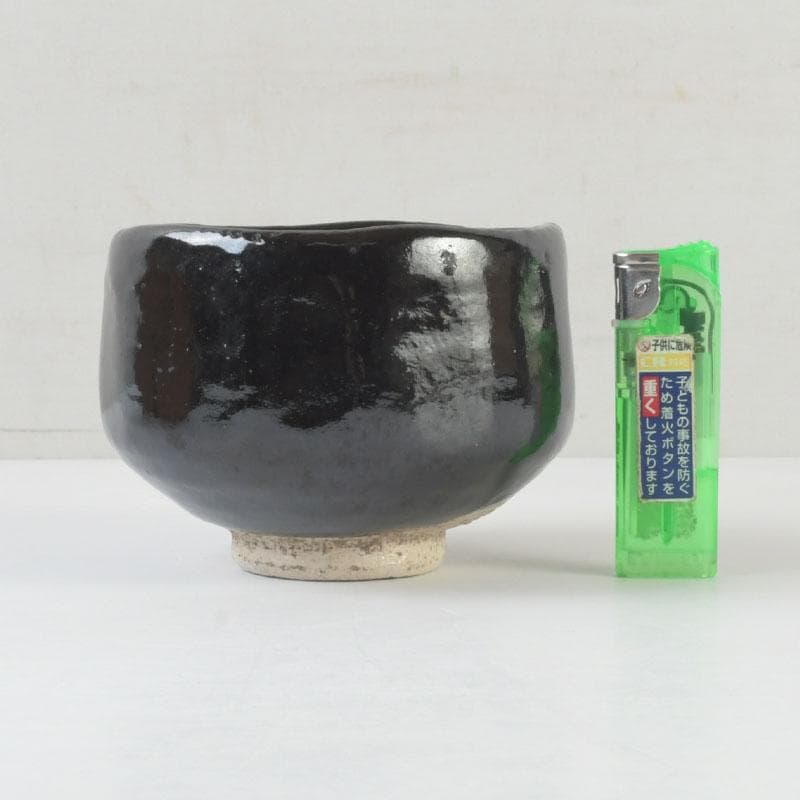
A Black Raku Tea Bowl by Raku Kichizaemon — the Raku Family Lineage that defines Japanese Tea Bowl tradition. This Kuro-Raku Chawan in Kyoto Raku Ware bears a Hand Formed Chawan body with Goko Rim Tea Bowl silhouette, housed in a Tomobako Signed Box. A Tea Ceremony Bowl of Wabi Sabi Ceramic character in Japanese Stoneware — Chanoyu Raku Ware at its most essential.
_"What the fire gave, the hand already knew. Three hundred years of silence, condensed into black."_
━━━━━━━━━━━━━━━━━━━━
🔹 [ BASIC DETAILS ]
• Artist: Raku Kichizaemon (楽吉左衛門) — head of the Raku family
• Technique: Kuro-raku (black Raku) — hand-formed, individually fired
• Era: Showa–Heisei period
• Origin: Kyoto, Japan
• Dimensions: W 11 cm × H 8.5 cm (4.3" dia × 3.3" h), 291 g
• Box: Tomobako with "楽吉左衛門" inscription and kao (花押/artist cipher). Box shows age-consistent wear.
• Condition: Good — bowl itself in solid condition; tomobako shows some wear and minor damage consistent with age
━━━━━━━━━━━━━━━━━━━━
🔹 [ CULTURAL & ARTISTIC INSIGHT ]
The name Raku Kichizaemon is not merely a signature. It is a continuity — an unbroken chain of ceramic thought stretching from Chojiro, who shaped the first Raku tea bowls under the direct guidance of Sen no Rikyu in the sixteenth century, to the present day. Each generation inherits not only the name but the philosophical mandate: to create vessels that embody the wabi-cha ideal of restraint, presence, and the dissolution of ornament in favor of pure form.
This bowl demonstrates the hallmarks of that inheritance. The deep, glossy black glaze — achieved through the Raku family's proprietary firing technique of pulling the bowl from the kiln at peak temperature — possesses a density that absorbs light rather than reflecting it. The surface is not uniform but alive with subtle tonal shifts visible only at close range, a quality that emerges from the interaction between glaze, fire, and the specific Raku clay body.
The form is han-tsutsu — a semi-cylindrical shape that sits with quiet mass in the hands. The walls carry a deliberate thickness that retains heat during the preparation of koicha (thick tea), fulfilling the functional mandate that has governed Raku form since its inception. The goko rim — five gentle peaks that break the perfect circle — is a signature element of Raku tea bowls, introducing asymmetry that prevents the eye from settling and invites the hands to explore.
The kodai (foot ring) reveals the unglazed clay body and bears a hand-carved character — a mark of individual authorship within a collective tradition. This is where the private gesture meets the public form.
━━━━━━━━━━━━━━━━━━━━
🔹 [ DEEP-DIVE COMMENTARY ]
**The Raku Lineage**: No ceramic family in Japan — perhaps in the world — carries the cultural weight of the Raku house. Founded in the late sixteenth century at the intersection of ceramic innovation and the tea revolution led by Sen no Rikyu, the Raku workshop has maintained its Kyoto location and its commitment to hand-forming and individual firing for over four hundred years. The name Kichizaemon passes from father to son (or adopted successor), each generation contributing to a body of work that is at once deeply personal and irreducibly collective.
**Kuro-Raku Process**: Unlike most ceramics, Raku tea bowls are fired individually — pulled from the kiln with iron tongs at approximately 1,200°C and cooled rapidly in the open air. This process produces the characteristic surface: a glaze that is simultaneously glassy and organic, with micro-textures created by thermal shock. The glossy black of this bowl indicates a well-controlled firing where the iron-bearing glaze achieved full maturation before extraction.
**Han-Tsutsu Form**: The semi-cylindrical shape is one of the foundational Raku forms, favored for koicha service. Its proportions — wider than tall, with walls that curve gently inward toward the rim — create a vessel that centers tea within its interior space. The weight (291 grams) speaks to the substantial clay body that is essential to the Raku thermal experience: the bowl warms gradually in the hands, creating an intimacy between object and user that thinner vessels cannot achieve.
**The Tomobako**: The accompanying wooden box bears the inscription "楽吉左衛門" and the artist's kao (cipher) — a personalized mark that functions as both signature and seal. The tomobako in the Raku tradition is not mere packaging but an integral component of provenance, linking the physical object to the specific individual who created it.
━━━━━━━━━━━━━━━━━━━━
🔹 [ 日本語解説 ]
【基本情報】
• 作家:楽吉左衛門(楽家当主名)
• 技法:黒楽(手捏ね・個別焼成)
• 時代:昭和〜平成期
• 産地:京都
• 寸法:口径約11cm × 高さ約8.5cm、重量291g
• 付属:共箱(「楽吉左衛門」箱書・花押あり。箱にやや経年の傷みあり)
• 状態:良好 — 茶碗本体は堅実な状態
【解説】
楽吉左衛門の名は、千利休の指導のもと初代長次郎が楽茶碗を創始して以来、楽家当主のみが名乗る一子相伝の号である。本作は深い光沢を持つ黒楽釉、手削りの高台、五岳の口縁という楽茶碗の本質的要素を備えた一碗。
半筒形の端正な器形は、濃茶点前に適した重厚感と保温性を有する。黒釉の表面は一見均一に見えるが、近接すると微妙な色調変化が認められ、窯から引き出す一瞬の判断が生む表情が刻まれている。高台裏には手彫りの文字が確認でき、集団の伝統の中にある個の署名を見て取ることができる。
共箱には「楽吉左衛門」の箱書と花押が記されており、楽家作品としての来歴を裏付けている。
━━━━━━━━━━━━━━━━━━━━
🔹 [ SHIPPING & PACKAGING ]
• Dispatch: Within 1-6 business days
• Carrier: Japan Post EMS / UPS (with tracking)
• Packaging: Carefully wrapped with protective materials
_"What the fire gave, the hand already knew. Three hundred years of silence, condensed into black."_
━━━━━━━━━━━━━━━━━━━━
🔹 [ BASIC DETAILS ]
• Artist: Raku Kichizaemon (楽吉左衛門) — head of the Raku family
• Technique: Kuro-raku (black Raku) — hand-formed, individually fired
• Era: Showa–Heisei period
• Origin: Kyoto, Japan
• Dimensions: W 11 cm × H 8.5 cm (4.3" dia × 3.3" h), 291 g
• Box: Tomobako with "楽吉左衛門" inscription and kao (花押/artist cipher). Box shows age-consistent wear.
• Condition: Good — bowl itself in solid condition; tomobako shows some wear and minor damage consistent with age
━━━━━━━━━━━━━━━━━━━━
🔹 [ CULTURAL & ARTISTIC INSIGHT ]
The name Raku Kichizaemon is not merely a signature. It is a continuity — an unbroken chain of ceramic thought stretching from Chojiro, who shaped the first Raku tea bowls under the direct guidance of Sen no Rikyu in the sixteenth century, to the present day. Each generation inherits not only the name but the philosophical mandate: to create vessels that embody the wabi-cha ideal of restraint, presence, and the dissolution of ornament in favor of pure form.
This bowl demonstrates the hallmarks of that inheritance. The deep, glossy black glaze — achieved through the Raku family's proprietary firing technique of pulling the bowl from the kiln at peak temperature — possesses a density that absorbs light rather than reflecting it. The surface is not uniform but alive with subtle tonal shifts visible only at close range, a quality that emerges from the interaction between glaze, fire, and the specific Raku clay body.
The form is han-tsutsu — a semi-cylindrical shape that sits with quiet mass in the hands. The walls carry a deliberate thickness that retains heat during the preparation of koicha (thick tea), fulfilling the functional mandate that has governed Raku form since its inception. The goko rim — five gentle peaks that break the perfect circle — is a signature element of Raku tea bowls, introducing asymmetry that prevents the eye from settling and invites the hands to explore.
The kodai (foot ring) reveals the unglazed clay body and bears a hand-carved character — a mark of individual authorship within a collective tradition. This is where the private gesture meets the public form.
━━━━━━━━━━━━━━━━━━━━
🔹 [ DEEP-DIVE COMMENTARY ]
**The Raku Lineage**: No ceramic family in Japan — perhaps in the world — carries the cultural weight of the Raku house. Founded in the late sixteenth century at the intersection of ceramic innovation and the tea revolution led by Sen no Rikyu, the Raku workshop has maintained its Kyoto location and its commitment to hand-forming and individual firing for over four hundred years. The name Kichizaemon passes from father to son (or adopted successor), each generation contributing to a body of work that is at once deeply personal and irreducibly collective.
**Kuro-Raku Process**: Unlike most ceramics, Raku tea bowls are fired individually — pulled from the kiln with iron tongs at approximately 1,200°C and cooled rapidly in the open air. This process produces the characteristic surface: a glaze that is simultaneously glassy and organic, with micro-textures created by thermal shock. The glossy black of this bowl indicates a well-controlled firing where the iron-bearing glaze achieved full maturation before extraction.
**Han-Tsutsu Form**: The semi-cylindrical shape is one of the foundational Raku forms, favored for koicha service. Its proportions — wider than tall, with walls that curve gently inward toward the rim — create a vessel that centers tea within its interior space. The weight (291 grams) speaks to the substantial clay body that is essential to the Raku thermal experience: the bowl warms gradually in the hands, creating an intimacy between object and user that thinner vessels cannot achieve.
**The Tomobako**: The accompanying wooden box bears the inscription "楽吉左衛門" and the artist's kao (cipher) — a personalized mark that functions as both signature and seal. The tomobako in the Raku tradition is not mere packaging but an integral component of provenance, linking the physical object to the specific individual who created it.
━━━━━━━━━━━━━━━━━━━━
🔹 [ 日本語解説 ]
【基本情報】
• 作家:楽吉左衛門(楽家当主名)
• 技法:黒楽(手捏ね・個別焼成)
• 時代:昭和〜平成期
• 産地:京都
• 寸法:口径約11cm × 高さ約8.5cm、重量291g
• 付属:共箱(「楽吉左衛門」箱書・花押あり。箱にやや経年の傷みあり)
• 状態:良好 — 茶碗本体は堅実な状態
【解説】
楽吉左衛門の名は、千利休の指導のもと初代長次郎が楽茶碗を創始して以来、楽家当主のみが名乗る一子相伝の号である。本作は深い光沢を持つ黒楽釉、手削りの高台、五岳の口縁という楽茶碗の本質的要素を備えた一碗。
半筒形の端正な器形は、濃茶点前に適した重厚感と保温性を有する。黒釉の表面は一見均一に見えるが、近接すると微妙な色調変化が認められ、窯から引き出す一瞬の判断が生む表情が刻まれている。高台裏には手彫りの文字が確認でき、集団の伝統の中にある個の署名を見て取ることができる。
共箱には「楽吉左衛門」の箱書と花押が記されており、楽家作品としての来歴を裏付けている。
━━━━━━━━━━━━━━━━━━━━
🔹 [ SHIPPING & PACKAGING ]
• Dispatch: Within 1-6 business days
• Carrier: Japan Post EMS / UPS (with tracking)
• Packaging: Carefully wrapped with protective materials
Quantity
Couldn't load pickup availability
Low stock: 1 left
View full details