1
/
of
19
Plum Moon Ume-tsuki Maki-e O-Natsume Shu-Hakeme Lacquer Tea Caddy by Dojo Sohiro
Plum Moon Ume-tsuki Maki-e O-Natsume Shu-Hakeme Lacquer Tea Caddy by Dojo Sohiro
Regular price
Dhs. 2,545.00 AED
Regular price
Sale price
Dhs. 2,545.00 AED
Taxes included.
Shipping calculated at checkout.
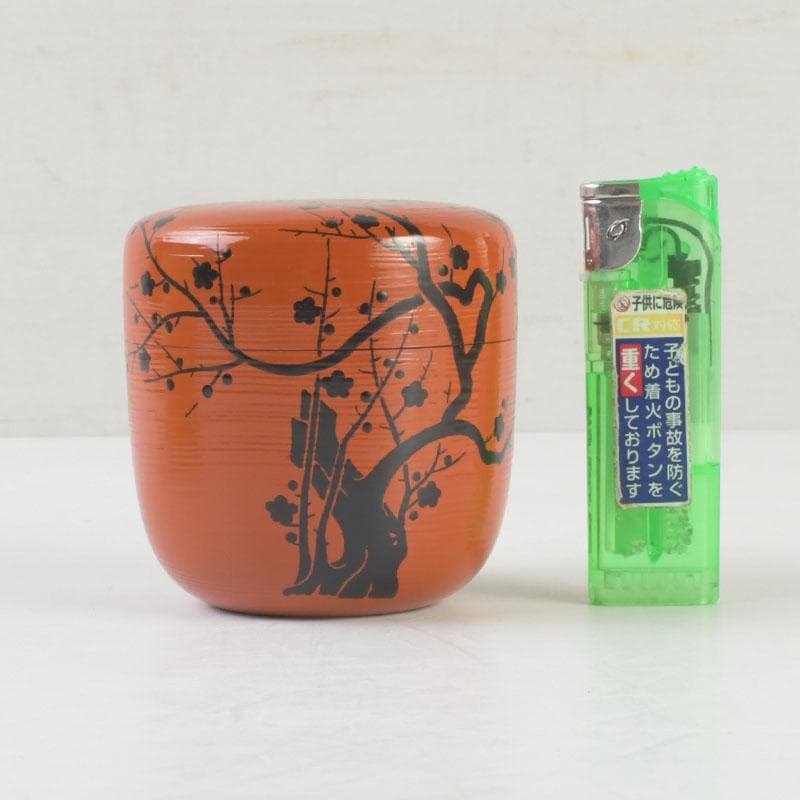
Discover this Plum Moon Maki-e O-Natsume by Yamanaka-nuri master Dojo Sohiro. This Shu-Hakeme Lacquer Tea Caddy features Ume-tsuki Gold Maki-e artistry and Vermillion Brushstroke Texture—a must-have for any Art Collector seeking Japanese Tea Ceremony accessories and Yamanaka-nuri Craft.
━━━━━━━━━━━━━━━━━━━━
🔹 [ BASIC DETAILS ]
• Artist: Dojo Sohiro (道場宗廣) — Yamanaka-nuri lacquer artisan
• Technique: Gold maki-e on shu-hakeme (朱刷毛目 / vermillion brushstroke) urushi ground
• Design: Ume-tsuki (梅月) — plum blossoms and moon
• Origin: Yamanaka, Ishikawa Prefecture, Japan (山中塗)
• Era: Contemporary
• Dimensions: Height approx. 7.3 cm, Diameter approx. 7.3 cm (2.9" × 2.9")
• Weight: Approx. 55 g
• Form: O-natsume (大棗) — large-format tea caddy
• Box: Signed tomobako inscribed '梅月 刷毛目 大棗 / 宗廣' with seal, blue-white striped cord
• Includes: Tomobako, yellow cloth bag (shifuku)
• Condition: Excellent — lacquer surface pristine, maki-e and hakeme texture fully intact
━━━━━━━━━━━━━━━━━━━━
🔹 [ CULTURAL & ARTISTIC INSIGHT ]
The pairing of plum blossom and moon — ume-tsuki — belongs to the deepest layer of Japanese seasonal consciousness. The plum tree blooms in the cold, often while snow still clings to the ground. It does not wait for warmth. The moon above it is not decorative; it is the witness. Together, they form an image that has moved poets since the Man'yoshu: the flower that opens in darkness, illuminated by a light that asks nothing in return.
Dojo Sohiro sets this imagery against a shu-hakeme ground — vermillion lacquer applied with visible brushstrokes that remain as texture beneath the surface. The effect is neither smooth nor rough. It is the record of the maker's hand, preserved in lacquer. Black silhouette plum branches stretch across the caddy's body with the compositional confidence of sumi-e ink painting, while on the lid, a golden half-moon cradles plum blossoms within its arc — gold inside gold, stillness inside stillness.
*"The plum does not bloom for an audience. The moon was there first."*
━━━━━━━━━━━━━━━━━━━━
🔹 [ DEEP-DIVE COMMENTARY ]
**Shu-Hakeme — The Brushstroke Ground**: Hakeme (刷毛目) is a technique in which the lacquer is applied with a broad brush and deliberately left unsmoothed, allowing the directional marks of the bristles to remain as texture. In shu-hakeme, this technique is executed in vermillion urushi, producing a warm red field crossed with subtle linear ridges. The result is a surface that holds light differently depending on the viewing angle — a quality that becomes apparent when the caddy is turned slowly in the hand during temae. This is not a defect or casualness; it is controlled spontaneity, a record of the single decisive gesture that shaped the surface.
**Black Silhouette Composition**: The plum branches are rendered in black lacquer silhouette — no gold, no color, just the stark contrast of dark branches against the vermillion field. This compositional restraint echoes the aesthetic of ink painting, where the absence of color becomes its own form of eloquence. The branches cross the body of the natsume with asymmetric confidence, some extending from beneath the lid line as though the tree continues beyond the frame of the vessel.
**The Golden Moon**: On the lid, Sohiro places a half-moon in gold, and within this lunar arc, gold plum blossoms emerge — flowers contained within moonlight. This layered motif — gold on gold, blossom within moon — rewards the viewer who looks closely. It is the compositional focal point, visible only from above, encountered only when the host lifts the caddy to open it.
**Yamanaka-nuri Legacy**: Yamanaka-nuri, one of Japan's three great lacquer traditions alongside Wajima-nuri and Echizen-nuri, is celebrated for its mastery of wood-turning and its naturalistic maki-e. Located in the hot spring town of Yamanaka in Ishikawa Prefecture, this tradition has produced lacquerware for over four centuries. Sohiro's work carries the lineage's characteristic balance of technical precision and organic warmth.
**Seasonal Placement**: The ume-tsuki motif anchors this natsume firmly in late winter to early spring — the transition from ro (sunken hearth) season into the first stirrings of the new year's growth. A tea host selecting this caddy signals awareness of the precise moment when cold and warmth coexist, when the plum's fragrance reaches through frost.
━━━━━━━━━━━━━━━━━━━━
🔹 [ 日本語解説 ]
【基本情報】
• 作家:道場宗廣
• 技法:金蒔絵・朱刷毛目塗
• 意匠:梅月(梅花と月)
• 産地:山中塗(石川県加賀市)
• 時代:現代
• 寸法:高さ約7.3cm × 径約7.3cm、重量約55g
• 形状:大棗
• 付属:共箱(「梅月 刷毛目 大棗 宗廣」箱書き・印)、黄布袋(仕覆)、青白縞紐
• 状態:優良
【解説】
山中塗の漆芸家・道場宗廣作、梅月蒔絵の大棗です。朱刷毛目塗の地は、刷毛の筆跡を意図的に残した技法で、朱漆の温かな赤地に微細な線状の凹凸が走り、光の当たる角度によって表情を変えます。胴部には黒漆で梅の老木が力強く描かれ、墨絵のような簡潔さで枝が器面を横断しています。蓋の上面には金の半月、そしてその月の輪郭の中に金蒔絵の梅花が咲く——月光の中に花が宿るという重層的な構図です。梅と月の取り合わせは晩冬から早春の茶席に相応しく、寒中に凛と咲く梅の気品と、それを照らす月の静けさが、一碗の茶の時間に季節の奥行きをもたらします。共箱・仕覆付き。
━━━━━━━━━━━━━━━━━━━━
🔹 [ SHIPPING & PACKAGING ]
• Dispatch: Within 1-6 business days
• Carrier: Japan Post EMS / UPS (with tracking)
• Packaging: Carefully wrapped with protective materials
*Plum branches cross vermillion in silence. On the lid, a half-moon holds gold blossoms — light containing what the cold could not.*
━━━━━━━━━━━━━━━━━━━━
🔹 [ BASIC DETAILS ]
• Artist: Dojo Sohiro (道場宗廣) — Yamanaka-nuri lacquer artisan
• Technique: Gold maki-e on shu-hakeme (朱刷毛目 / vermillion brushstroke) urushi ground
• Design: Ume-tsuki (梅月) — plum blossoms and moon
• Origin: Yamanaka, Ishikawa Prefecture, Japan (山中塗)
• Era: Contemporary
• Dimensions: Height approx. 7.3 cm, Diameter approx. 7.3 cm (2.9" × 2.9")
• Weight: Approx. 55 g
• Form: O-natsume (大棗) — large-format tea caddy
• Box: Signed tomobako inscribed '梅月 刷毛目 大棗 / 宗廣' with seal, blue-white striped cord
• Includes: Tomobako, yellow cloth bag (shifuku)
• Condition: Excellent — lacquer surface pristine, maki-e and hakeme texture fully intact
━━━━━━━━━━━━━━━━━━━━
🔹 [ CULTURAL & ARTISTIC INSIGHT ]
The pairing of plum blossom and moon — ume-tsuki — belongs to the deepest layer of Japanese seasonal consciousness. The plum tree blooms in the cold, often while snow still clings to the ground. It does not wait for warmth. The moon above it is not decorative; it is the witness. Together, they form an image that has moved poets since the Man'yoshu: the flower that opens in darkness, illuminated by a light that asks nothing in return.
Dojo Sohiro sets this imagery against a shu-hakeme ground — vermillion lacquer applied with visible brushstrokes that remain as texture beneath the surface. The effect is neither smooth nor rough. It is the record of the maker's hand, preserved in lacquer. Black silhouette plum branches stretch across the caddy's body with the compositional confidence of sumi-e ink painting, while on the lid, a golden half-moon cradles plum blossoms within its arc — gold inside gold, stillness inside stillness.
*"The plum does not bloom for an audience. The moon was there first."*
━━━━━━━━━━━━━━━━━━━━
🔹 [ DEEP-DIVE COMMENTARY ]
**Shu-Hakeme — The Brushstroke Ground**: Hakeme (刷毛目) is a technique in which the lacquer is applied with a broad brush and deliberately left unsmoothed, allowing the directional marks of the bristles to remain as texture. In shu-hakeme, this technique is executed in vermillion urushi, producing a warm red field crossed with subtle linear ridges. The result is a surface that holds light differently depending on the viewing angle — a quality that becomes apparent when the caddy is turned slowly in the hand during temae. This is not a defect or casualness; it is controlled spontaneity, a record of the single decisive gesture that shaped the surface.
**Black Silhouette Composition**: The plum branches are rendered in black lacquer silhouette — no gold, no color, just the stark contrast of dark branches against the vermillion field. This compositional restraint echoes the aesthetic of ink painting, where the absence of color becomes its own form of eloquence. The branches cross the body of the natsume with asymmetric confidence, some extending from beneath the lid line as though the tree continues beyond the frame of the vessel.
**The Golden Moon**: On the lid, Sohiro places a half-moon in gold, and within this lunar arc, gold plum blossoms emerge — flowers contained within moonlight. This layered motif — gold on gold, blossom within moon — rewards the viewer who looks closely. It is the compositional focal point, visible only from above, encountered only when the host lifts the caddy to open it.
**Yamanaka-nuri Legacy**: Yamanaka-nuri, one of Japan's three great lacquer traditions alongside Wajima-nuri and Echizen-nuri, is celebrated for its mastery of wood-turning and its naturalistic maki-e. Located in the hot spring town of Yamanaka in Ishikawa Prefecture, this tradition has produced lacquerware for over four centuries. Sohiro's work carries the lineage's characteristic balance of technical precision and organic warmth.
**Seasonal Placement**: The ume-tsuki motif anchors this natsume firmly in late winter to early spring — the transition from ro (sunken hearth) season into the first stirrings of the new year's growth. A tea host selecting this caddy signals awareness of the precise moment when cold and warmth coexist, when the plum's fragrance reaches through frost.
━━━━━━━━━━━━━━━━━━━━
🔹 [ 日本語解説 ]
【基本情報】
• 作家:道場宗廣
• 技法:金蒔絵・朱刷毛目塗
• 意匠:梅月(梅花と月)
• 産地:山中塗(石川県加賀市)
• 時代:現代
• 寸法:高さ約7.3cm × 径約7.3cm、重量約55g
• 形状:大棗
• 付属:共箱(「梅月 刷毛目 大棗 宗廣」箱書き・印)、黄布袋(仕覆)、青白縞紐
• 状態:優良
【解説】
山中塗の漆芸家・道場宗廣作、梅月蒔絵の大棗です。朱刷毛目塗の地は、刷毛の筆跡を意図的に残した技法で、朱漆の温かな赤地に微細な線状の凹凸が走り、光の当たる角度によって表情を変えます。胴部には黒漆で梅の老木が力強く描かれ、墨絵のような簡潔さで枝が器面を横断しています。蓋の上面には金の半月、そしてその月の輪郭の中に金蒔絵の梅花が咲く——月光の中に花が宿るという重層的な構図です。梅と月の取り合わせは晩冬から早春の茶席に相応しく、寒中に凛と咲く梅の気品と、それを照らす月の静けさが、一碗の茶の時間に季節の奥行きをもたらします。共箱・仕覆付き。
━━━━━━━━━━━━━━━━━━━━
🔹 [ SHIPPING & PACKAGING ]
• Dispatch: Within 1-6 business days
• Carrier: Japan Post EMS / UPS (with tracking)
• Packaging: Carefully wrapped with protective materials
*Plum branches cross vermillion in silence. On the lid, a half-moon holds gold blossoms — light containing what the cold could not.*
Quantity
Couldn't load pickup availability
Low stock: 1 left
View full details