1
/
of
13
Plum Blossom Maki-e Rikyu-gata Chu-Natsume — Sakurai Ichiryo
Plum Blossom Maki-e Rikyu-gata Chu-Natsume — Sakurai Ichiryo
Regular price
Dhs. 1,354.00 AED
Regular price
Sale price
Dhs. 1,354.00 AED
Taxes included.
Shipping calculated at checkout.
Experience authentic Japanese lacquer art with this Plum Blossom Maki-e Rikyu-gata Chu-Natsume. This Japanese Tea Caddy serves as a Sakurai Ichiryo Maki-e Masterwork and Classical Rikyu Shape Natsume, featuring Coral Plum Blossom Design and Gold Branch Maki-e—a must-have for any Art Collector seeking Kyoto Lacquerware and Spring Tea Ceremony Utensils.
━━━━━━━━━━━━━━━━━━━━
🔹 [ BASIC DETAILS ]
• Artist: Sakurai Ichiryo (桜井一良)
• Technique: Maki-e (蒔絵) — gold and colored lacquer on black urushi ground
• Era: 2010s (Heisei–Reiwa period)
• Origin: Kyoto, Japan
• Dimensions: 7.0 cm dia. × 6.8 cm H (2.8" × 2.7")
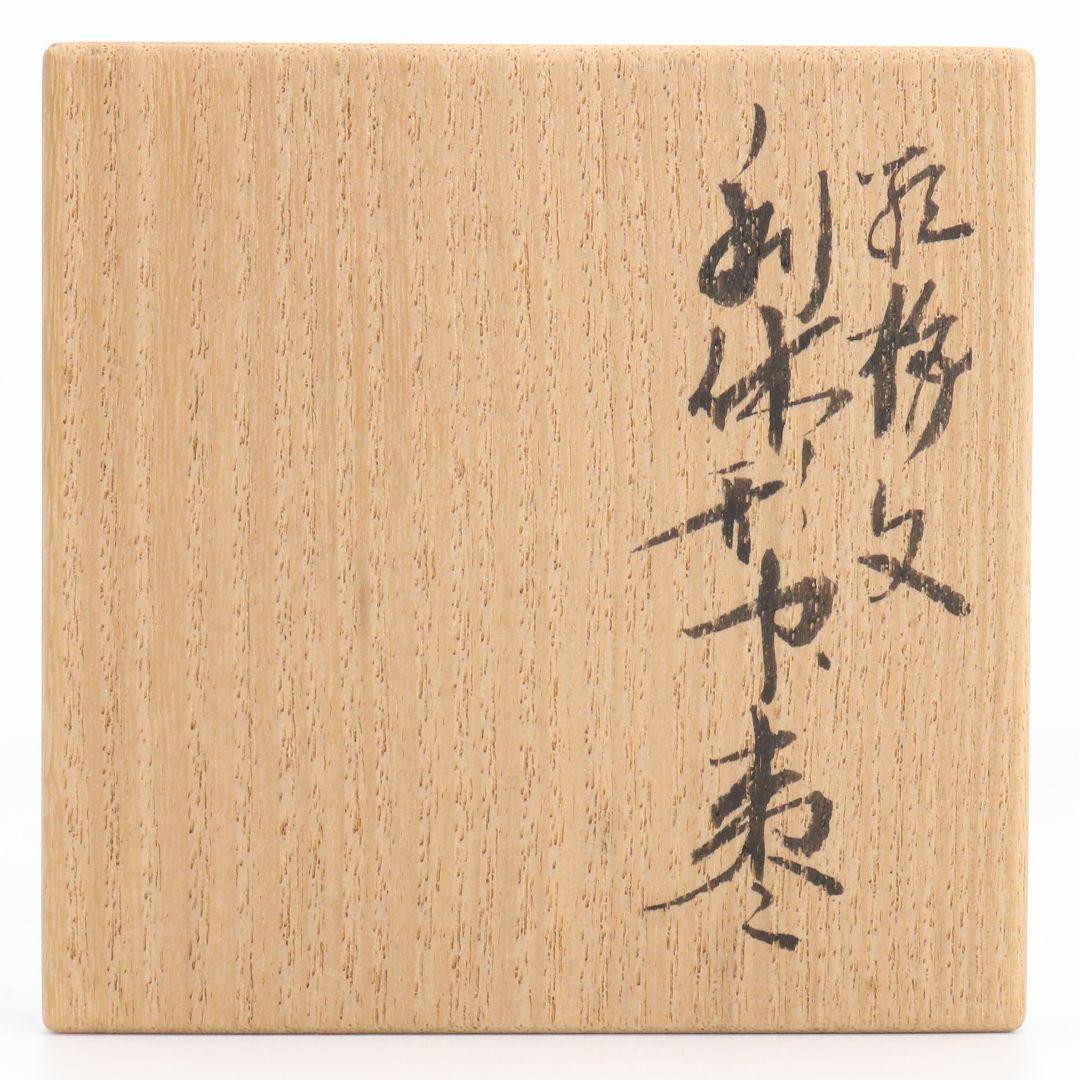
• Box: Signed tomobako with green ribbon and red seal
• Condition: Excellent — no chips, cracks, or notable wear
━━━━━━━━━━━━━━━━━━━━
🔹 [ CULTURAL & ARTISTIC INSIGHT ]
The Rikyu-gata natsume is not merely a shape. It is a declaration — the form Sen no Rikyu settled upon as the most honest vessel for thin tea. Every curve carries four centuries of consensus: this is how a tea caddy should sit in the hand, how it should meet the palm when offered, how it should disappear into the rhythm of temae. Sakurai Ichiryo inherits that consensus and adds nothing unnecessary.
The plum blossoms here are not decoration. They are seasonal language. Ume blooms in February and March, pushing through frost, and a tea caddy bearing this motif announces the gathering's temporal awareness. The coral-red petals against black lacquer carry a particular weight — red ume is considered auspicious, a sign that perseverance yields something vivid. The gold branches trace the architecture of the tree itself, each stroke placed with the restraint that Kyoto maki-e demands.
*"The first flower does not wait for permission. It opens because it is time."*
━━━━━━━━━━━━━━━━━━━━
🔹 [ DEEP-DIVE COMMENTARY ]
**Rikyu-gata (利休形)**: The shape attributed to Sen no Rikyu represents the most formal and classical natsume profile. Its proportions — slightly wider than tall, with a gentle dome lid — were codified in the sixteenth century and remain the standard against which all other natsume forms are measured. To use a Rikyu-gata is to acknowledge the origin of the form.
**Plum Blossom Iconography (梅文)**: Ume holds a distinct position in East Asian symbolism. It blooms earliest among flowering trees, often while snow still covers the ground, making it a metaphor for perseverance and quiet renewal. In chanoyu, plum blossom utensils signal early spring gatherings — the moment when the tea room begins its transition from the enclosed warmth of winter toward the openness of warmer months.
**Coral Maki-e Technique**: The red-coral coloring of these blossoms requires colored urushi (iro-urushi), a technically demanding approach where pigment is mixed directly into the lacquer. Unlike gold maki-e alone, colored lacquer must be layered and polished to achieve depth without opacity. The combination of coral petals with gold-powder branches shows command of both traditions.
**Chu-Natsume Function**: The chu-natsume (中棗) — medium-sized natsume — is the most versatile size for usucha service. It holds enough matcha for a standard gathering while maintaining the intimate scale that defines natsume aesthetics. This size allows the host to present the caddy for guest appreciation (haiken) without overwhelming the compositional balance of the tana or temae.
━━━━━━━━━━━━━━━━━━━━
🔹 [ 日本語解説 ]
【基本情報】
• 作家:桜井一良
• 技法:蒔絵(黒漆地に金・色漆による梅文)
• 時代:2010年代(平成〜令和)
• 産地:京都
• 寸法:径約7.0cm × 高さ約6.8cm
• 付属:共箱(緑紐・朱印あり)、仕覆
• 状態:良好 — 目立つ傷・欠けなし
【解説】
利休形中棗は、薄茶点前における最も正統的な棗の形です。千利休が定めたとされるこの形は、手に収まる安心感と、点前の所作に自然と馴染む佇まいを兼ね備えています。桜井一良氏は京都の漆芸の伝統を受け継ぎ、この古典的な器形に季節の表情を与えました。
梅文は早春の茶席にふさわしい意匠です。雪の中にも花を咲かせる梅は、忍耐と再生の象徴として古くから愛されてきました。珊瑚色の花弁と金蒔絵の枝が黒漆の上に映え、静かでありながら力強い季節感を伝えます。二月から三月にかけての茶事に取り合わせれば、道具組全体に凛とした春の気配が生まれるでしょう。
━━━━━━━━━━━━━━━━━━━━
🔹 [ SHIPPING & PACKAGING ]
• Dispatch: Within 1-6 business days
• Carrier: Japan Post EMS / UPS (with tracking)
• Packaging: Carefully wrapped with protective materials
*Where frost still holds the branch, color arrives without announcement.*
━━━━━━━━━━━━━━━━━━━━
🔹 [ BASIC DETAILS ]
• Artist: Sakurai Ichiryo (桜井一良)
• Technique: Maki-e (蒔絵) — gold and colored lacquer on black urushi ground
• Era: 2010s (Heisei–Reiwa period)
• Origin: Kyoto, Japan
• Dimensions: 7.0 cm dia. × 6.8 cm H (2.8" × 2.7")
• Box: Signed tomobako with green ribbon and red seal
• Condition: Excellent — no chips, cracks, or notable wear
━━━━━━━━━━━━━━━━━━━━
🔹 [ CULTURAL & ARTISTIC INSIGHT ]
The Rikyu-gata natsume is not merely a shape. It is a declaration — the form Sen no Rikyu settled upon as the most honest vessel for thin tea. Every curve carries four centuries of consensus: this is how a tea caddy should sit in the hand, how it should meet the palm when offered, how it should disappear into the rhythm of temae. Sakurai Ichiryo inherits that consensus and adds nothing unnecessary.
The plum blossoms here are not decoration. They are seasonal language. Ume blooms in February and March, pushing through frost, and a tea caddy bearing this motif announces the gathering's temporal awareness. The coral-red petals against black lacquer carry a particular weight — red ume is considered auspicious, a sign that perseverance yields something vivid. The gold branches trace the architecture of the tree itself, each stroke placed with the restraint that Kyoto maki-e demands.
*"The first flower does not wait for permission. It opens because it is time."*
━━━━━━━━━━━━━━━━━━━━
🔹 [ DEEP-DIVE COMMENTARY ]
**Rikyu-gata (利休形)**: The shape attributed to Sen no Rikyu represents the most formal and classical natsume profile. Its proportions — slightly wider than tall, with a gentle dome lid — were codified in the sixteenth century and remain the standard against which all other natsume forms are measured. To use a Rikyu-gata is to acknowledge the origin of the form.
**Plum Blossom Iconography (梅文)**: Ume holds a distinct position in East Asian symbolism. It blooms earliest among flowering trees, often while snow still covers the ground, making it a metaphor for perseverance and quiet renewal. In chanoyu, plum blossom utensils signal early spring gatherings — the moment when the tea room begins its transition from the enclosed warmth of winter toward the openness of warmer months.
**Coral Maki-e Technique**: The red-coral coloring of these blossoms requires colored urushi (iro-urushi), a technically demanding approach where pigment is mixed directly into the lacquer. Unlike gold maki-e alone, colored lacquer must be layered and polished to achieve depth without opacity. The combination of coral petals with gold-powder branches shows command of both traditions.
**Chu-Natsume Function**: The chu-natsume (中棗) — medium-sized natsume — is the most versatile size for usucha service. It holds enough matcha for a standard gathering while maintaining the intimate scale that defines natsume aesthetics. This size allows the host to present the caddy for guest appreciation (haiken) without overwhelming the compositional balance of the tana or temae.
━━━━━━━━━━━━━━━━━━━━
🔹 [ 日本語解説 ]
【基本情報】
• 作家:桜井一良
• 技法:蒔絵(黒漆地に金・色漆による梅文)
• 時代:2010年代(平成〜令和)
• 産地:京都
• 寸法:径約7.0cm × 高さ約6.8cm
• 付属:共箱(緑紐・朱印あり)、仕覆
• 状態:良好 — 目立つ傷・欠けなし
【解説】
利休形中棗は、薄茶点前における最も正統的な棗の形です。千利休が定めたとされるこの形は、手に収まる安心感と、点前の所作に自然と馴染む佇まいを兼ね備えています。桜井一良氏は京都の漆芸の伝統を受け継ぎ、この古典的な器形に季節の表情を与えました。
梅文は早春の茶席にふさわしい意匠です。雪の中にも花を咲かせる梅は、忍耐と再生の象徴として古くから愛されてきました。珊瑚色の花弁と金蒔絵の枝が黒漆の上に映え、静かでありながら力強い季節感を伝えます。二月から三月にかけての茶事に取り合わせれば、道具組全体に凛とした春の気配が生まれるでしょう。
━━━━━━━━━━━━━━━━━━━━
🔹 [ SHIPPING & PACKAGING ]
• Dispatch: Within 1-6 business days
• Carrier: Japan Post EMS / UPS (with tracking)
• Packaging: Carefully wrapped with protective materials
*Where frost still holds the branch, color arrives without announcement.*
Quantity
Couldn't load pickup availability
Low stock: 1 left
View full details