1
/
of
9
Pine Ash Glaze Roji Tea Garden Path Chawan by Heian Shiun
Pine Ash Glaze Roji Tea Garden Path Chawan by Heian Shiun
Regular price
Dhs. 908.00 AED
Regular price
Sale price
Dhs. 908.00 AED
Taxes included.
Shipping calculated at checkout.
Experience authentic Japanese tea culture with this Pine Ash Glaze Roji Tea Garden Path Chawan by Heian Shiun. This Kyo-yaki tea bowl serves as a chawan and seasonal vessel, featuring matsuba-hai glaze and painted roji scenery—a must-have for any collector seeking Japanese ceramics and chado artistry.
━━━━━━━━━━━━━━━━━━━━
🔹 [ BASIC DETAILS ]
• Artist: Heian Shiun (平安 紫雲)
• Technique: Pine ash glaze (松灰釉) with painted motif
• Era: Contemporary (Heisei–Reiwa period)
• Origin: Kyoto, Japan — Kyo-yaki tradition
• Dimensions: 11.7 cm diameter × 7.1 cm height (4.6" × 2.8")
• Motif: Roji (露地) — tea garden path
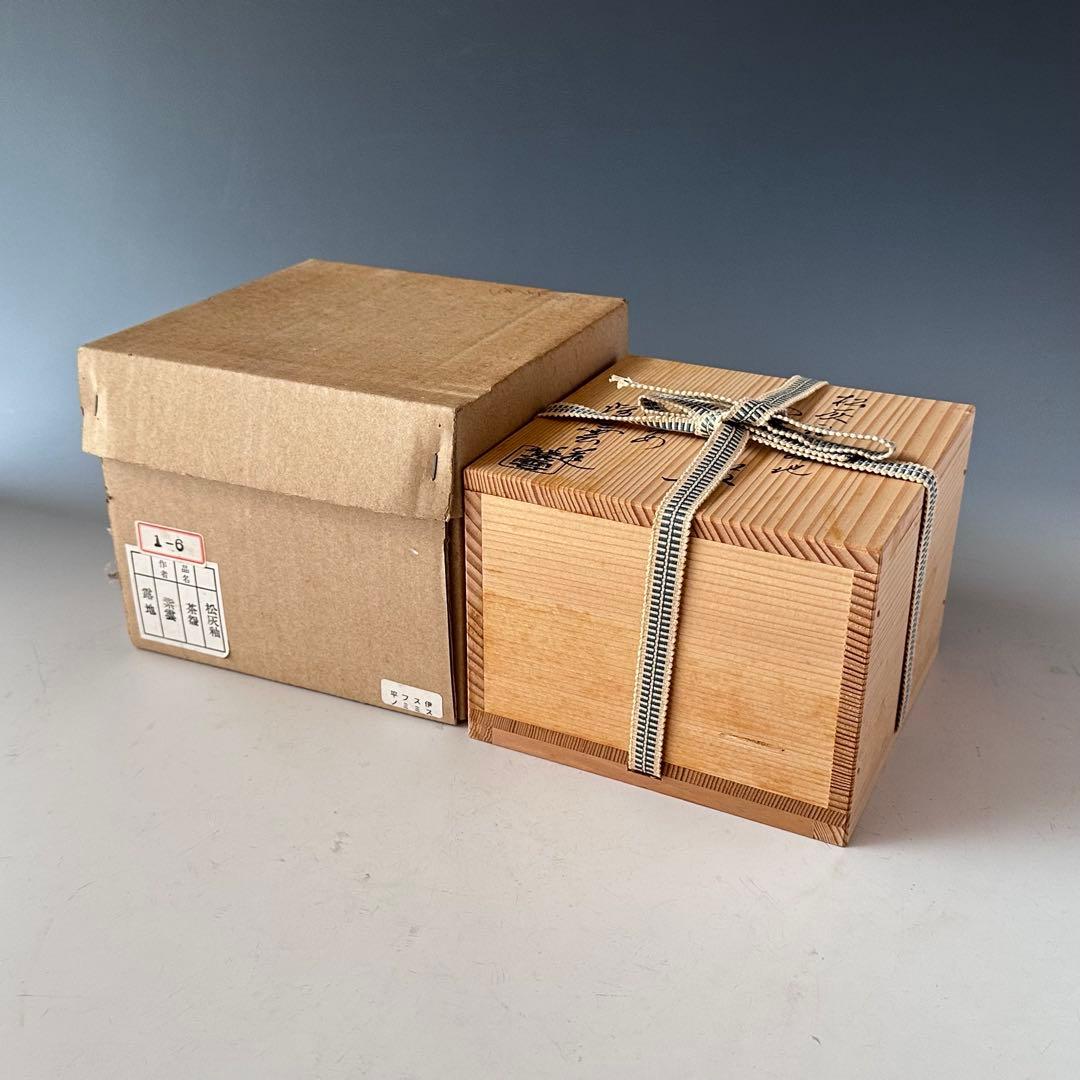
• Box: Tomobako (signed wooden box)
• Condition: Excellent — no chips, cracks, or repairs
━━━━━━━━━━━━━━━━━━━━
🔹 [ CULTURAL & ARTISTIC INSIGHT ]
This tea bowl carries an entire landscape on its surface — the roji, the dewy ground path that leads from the outer world to the threshold of the tea room. Painted in quiet, unhurried strokes, the scene unfolds as it would to a guest arriving for tea: stepping stones (tobi-ishi) winding forward, a stone lantern (toro) standing among grass and moss, the green hush of a garden designed not for spectacle but for passage. The pine ash glaze envelops everything in an olive-green atmosphere, as if the bowl itself were damp with morning dew.
Heian Shiun works within the Kyo-yaki tradition of Kyoto — a lineage of painted ceramics that values poetic narrative as much as technical refinement. The choice of roji as subject is deeply intentional. In the tea tradition, the garden path is not scenery. It is the act of leaving behind — status, haste, the noise of daily life — and arriving, step by step, at a state of heightened presence. To drink from this bowl is to walk that path.
The pine ash glaze itself participates in the meaning. Made from the ash of burned pine wood, it produces the muted, organic greens and ochres of an actual garden in soft light — material and motif in quiet agreement.
*"The roji exists to break the connection with the outside world, and to produce a fresh sensation conducive to the aesthetic enjoyment of the tea room." — Sen no Rikyu*
━━━━━━━━━━━━━━━━━━━━
🔹 [ DEEP-DIVE COMMENTARY ]
**The Roji as Spiritual Threshold**: The tea garden path (露地) is among the most contemplative spaces in Japanese architecture. Sen no Rikyu conceived it as a transitional zone — a decompression chamber between the mundane and the sacred. Every element is calibrated: the spacing of stones governs walking pace, the lantern provides just enough light, the plantings suggest wilderness without disorder. This bowl makes that journey portable.
**Tobi-ishi and the Grammar of Walking**: The stepping stones painted on this bowl are not random. In tea garden design, each stone is placed to guide the foot and, by extension, the mind. Irregular spacing forces attention to each step. The white stones painted against the olive glaze recreate this rhythm visually — the eye moves as the foot would, stone to stone, toward stillness.
**Pine Ash Glaze (Matsuba-hai-yu)**: Pine ash has been used in Japanese ceramics for centuries, valued for its unpredictable interaction with silica and iron in the clay body. The resulting olive-green to amber tones shift with kiln atmosphere and temperature, ensuring each piece carries its own tonal character. On this bowl, the glaze doubles as atmosphere — the green of the garden itself.
**Kyo-yaki Painted Narrative**: Kyoto ceramics have long embraced painting as a primary expressive mode, from Ninsei's gold-accented vessels to Kenzan's poetic brushwork. Shiun continues this lineage with a restrained hand — the roji motif rendered not in elaborate detail but in essential gestures. A lantern is a few strokes. A stone is a single mark. The viewer's imagination completes the garden.
━━━━━━━━━━━━━━━━━━━━
🔹 [ 日本語解説 ]
【基本情報】
• 作家:平安 紫雲
• 技法:松灰釉・絵付
• 時代:現代(平成〜令和)
• 産地:京都(京焼)
• 寸法:径11.7cm × 高さ7.1cm
• 文様:露地(飛び石・灯籠・草叢)
• 付属:共箱
• 状態:良好(傷・直しなし)
【解説】
茶の湯の露地(ろじ)の風景を描いた京焼の茶碗。松灰釉の落ち着いたオリーブグリーンの釉面に、飛び石、石灯籠、草叢が静かな筆致で描かれています。露地とは茶室へ至る庭の小径であり、俗世から茶の世界への精神的な移行空間を象徴します。
松の木灰から作られた釉薬が生み出す自然な緑の色調が、露地の湿り気のある空気感そのものを器に宿しています。紫雲の筆は必要最小限の描写で露地の本質を捉え、見る者の想像力に庭の完成を委ねています。
━━━━━━━━━━━━━━━━━━━━
🔹 [ SHIPPING & PACKAGING ]
• Dispatch: Within 1-6 business days
• Carrier: Japan Post EMS / UPS (with tracking)
• Packaging: Carefully wrapped with protective materials
*A garden path rendered in ash and clay — each stepping stone an invitation to arrive, fully, at the act of tea.*
━━━━━━━━━━━━━━━━━━━━
🔹 [ BASIC DETAILS ]
• Artist: Heian Shiun (平安 紫雲)
• Technique: Pine ash glaze (松灰釉) with painted motif
• Era: Contemporary (Heisei–Reiwa period)
• Origin: Kyoto, Japan — Kyo-yaki tradition
• Dimensions: 11.7 cm diameter × 7.1 cm height (4.6" × 2.8")
• Motif: Roji (露地) — tea garden path
• Box: Tomobako (signed wooden box)
• Condition: Excellent — no chips, cracks, or repairs
━━━━━━━━━━━━━━━━━━━━
🔹 [ CULTURAL & ARTISTIC INSIGHT ]
This tea bowl carries an entire landscape on its surface — the roji, the dewy ground path that leads from the outer world to the threshold of the tea room. Painted in quiet, unhurried strokes, the scene unfolds as it would to a guest arriving for tea: stepping stones (tobi-ishi) winding forward, a stone lantern (toro) standing among grass and moss, the green hush of a garden designed not for spectacle but for passage. The pine ash glaze envelops everything in an olive-green atmosphere, as if the bowl itself were damp with morning dew.
Heian Shiun works within the Kyo-yaki tradition of Kyoto — a lineage of painted ceramics that values poetic narrative as much as technical refinement. The choice of roji as subject is deeply intentional. In the tea tradition, the garden path is not scenery. It is the act of leaving behind — status, haste, the noise of daily life — and arriving, step by step, at a state of heightened presence. To drink from this bowl is to walk that path.
The pine ash glaze itself participates in the meaning. Made from the ash of burned pine wood, it produces the muted, organic greens and ochres of an actual garden in soft light — material and motif in quiet agreement.
*"The roji exists to break the connection with the outside world, and to produce a fresh sensation conducive to the aesthetic enjoyment of the tea room." — Sen no Rikyu*
━━━━━━━━━━━━━━━━━━━━
🔹 [ DEEP-DIVE COMMENTARY ]
**The Roji as Spiritual Threshold**: The tea garden path (露地) is among the most contemplative spaces in Japanese architecture. Sen no Rikyu conceived it as a transitional zone — a decompression chamber between the mundane and the sacred. Every element is calibrated: the spacing of stones governs walking pace, the lantern provides just enough light, the plantings suggest wilderness without disorder. This bowl makes that journey portable.
**Tobi-ishi and the Grammar of Walking**: The stepping stones painted on this bowl are not random. In tea garden design, each stone is placed to guide the foot and, by extension, the mind. Irregular spacing forces attention to each step. The white stones painted against the olive glaze recreate this rhythm visually — the eye moves as the foot would, stone to stone, toward stillness.
**Pine Ash Glaze (Matsuba-hai-yu)**: Pine ash has been used in Japanese ceramics for centuries, valued for its unpredictable interaction with silica and iron in the clay body. The resulting olive-green to amber tones shift with kiln atmosphere and temperature, ensuring each piece carries its own tonal character. On this bowl, the glaze doubles as atmosphere — the green of the garden itself.
**Kyo-yaki Painted Narrative**: Kyoto ceramics have long embraced painting as a primary expressive mode, from Ninsei's gold-accented vessels to Kenzan's poetic brushwork. Shiun continues this lineage with a restrained hand — the roji motif rendered not in elaborate detail but in essential gestures. A lantern is a few strokes. A stone is a single mark. The viewer's imagination completes the garden.
━━━━━━━━━━━━━━━━━━━━
🔹 [ 日本語解説 ]
【基本情報】
• 作家:平安 紫雲
• 技法:松灰釉・絵付
• 時代:現代(平成〜令和)
• 産地:京都(京焼)
• 寸法:径11.7cm × 高さ7.1cm
• 文様:露地(飛び石・灯籠・草叢)
• 付属:共箱
• 状態:良好(傷・直しなし)
【解説】
茶の湯の露地(ろじ)の風景を描いた京焼の茶碗。松灰釉の落ち着いたオリーブグリーンの釉面に、飛び石、石灯籠、草叢が静かな筆致で描かれています。露地とは茶室へ至る庭の小径であり、俗世から茶の世界への精神的な移行空間を象徴します。
松の木灰から作られた釉薬が生み出す自然な緑の色調が、露地の湿り気のある空気感そのものを器に宿しています。紫雲の筆は必要最小限の描写で露地の本質を捉え、見る者の想像力に庭の完成を委ねています。
━━━━━━━━━━━━━━━━━━━━
🔹 [ SHIPPING & PACKAGING ]
• Dispatch: Within 1-6 business days
• Carrier: Japan Post EMS / UPS (with tracking)
• Packaging: Carefully wrapped with protective materials
*A garden path rendered in ash and clay — each stepping stone an invitation to arrive, fully, at the act of tea.*
Quantity
Couldn't load pickup availability
Low stock: 1 left
View full details