1
/
of
19
Otani Keisen Hagi Tea Bowl - Keisen Kiln Wari-Kodai Chawan with Signed Box
Otani Keisen Hagi Tea Bowl - Keisen Kiln Wari-Kodai Chawan with Signed Box
Regular price
Dhs. 760.00 AED
Regular price
Sale price
Dhs. 760.00 AED
Taxes included.
Shipping calculated at checkout.
Experience authentic Japanese Hagi ware with this Otani Keisen Hagi Tea Bowl. This Keisen Kiln Chawan serves as a Yamaguchi Prefecture Masterwork and Wari-Kodai Split Foot Pottery, featuring Soft Glaze Ceramic Art and Hagi Seven Changes—a must-have for any Art Collector seeking Japanese Tea Bowls and Wabi Sabi Ceramics.
━━━━━━━━━━━━━━━━━━━━
🔹 [ BASIC DETAILS ]
• Artist: Otani Keisen (大谷桂仙), also Otani Masahiko (大谷雅彦), Keisen kiln (桂仙窯)
• Type: Chawan (茶碗) — tea bowl
• Technique: Hagi ware (萩焼) — soft-glazed stoneware with wari-kodai
• Era: Heisei period
• Origin: Hagi, Yamaguchi Prefecture
• Dimensions: Dia approx. 13.0 cm × H approx. 9.2 cm
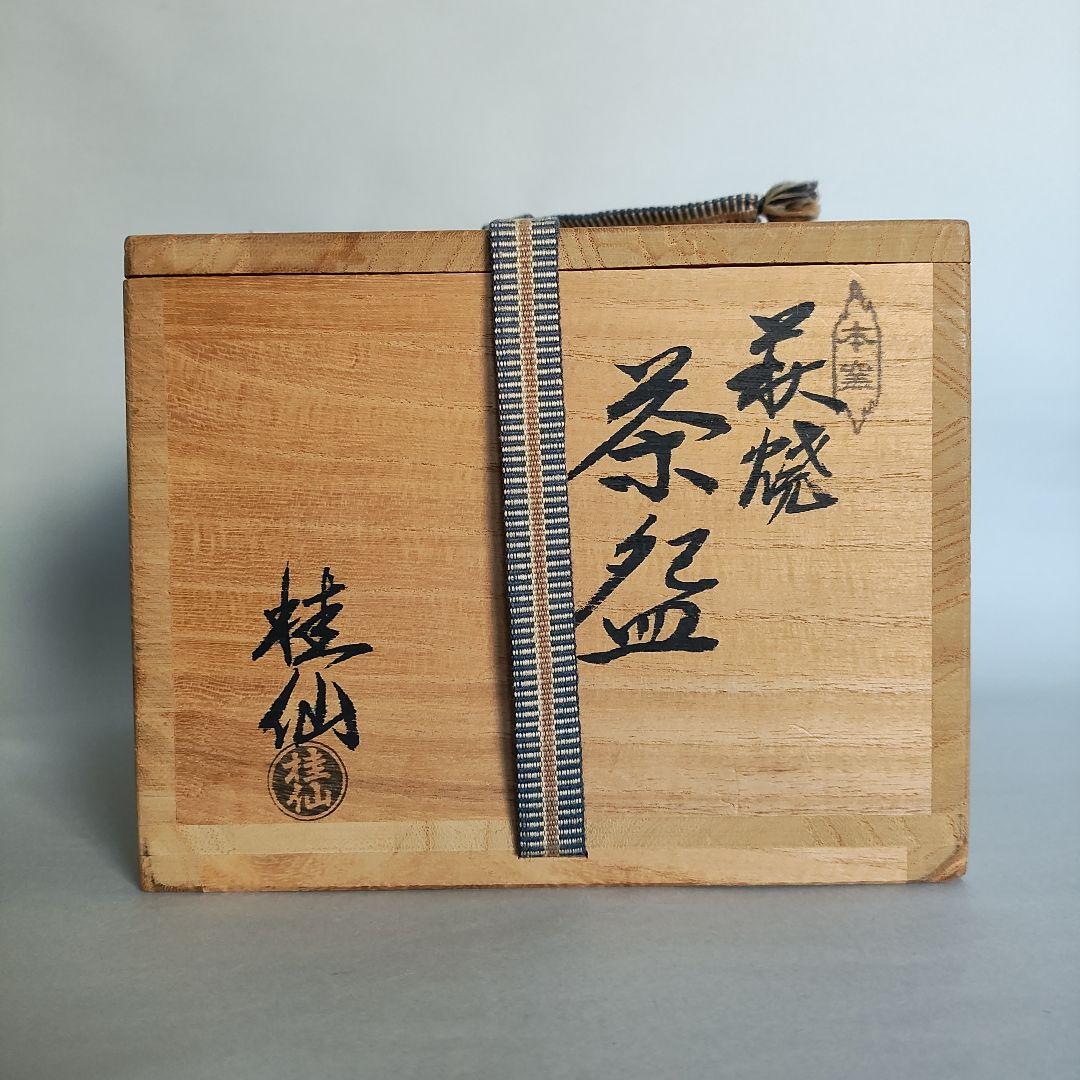
• Box: Tomobako (signed wooden box) with cloth wrapper and pamphlet
• Condition: Excellent
━━━━━━━━━━━━━━━━━━━━
🔹 [ CULTURAL & ARTISTIC INSIGHT ]
In the old ranking of tea ceramics — "First Raku, second Hagi, third Karatsu" — Hagi holds a place of particular intimacy. Where Raku is shaped by the hand alone and Karatsu by the kiln's severity, Hagi occupies a middle ground: gentle, yielding, and quietly transformative. A Hagi chawan changes with use. Tea seeps into the crazing over months and years, darkening the surface in patterns unique to each owner. The Japanese call this "Hagi no nanabake" — the seven changes of Hagi.
Otani Keisen works from Keisen kiln in Hagi, producing ceramics that honor this tradition of gradual revelation. This chawan carries the soft pink-lavender-white glaze palette characteristic of Hagi at its most refined. The glaze pools and thins across the bowl's slightly irregular form, allowing the warm red-orange clay to emerge at the foot and through scattered speckles across the body.
The wari-kodai — a foot ring deliberately notched or split — is a distinctive feature of Hagi tea bowls, originally a practical measure to prevent cracking during firing but long since absorbed into the aesthetic vocabulary as a mark of the tradition itself.
*"A Hagi bowl begins its life in the kiln and continues it in the hands of the one who drinks from it."*
━━━━━━━━━━━━━━━━━━━━
🔹 [ DEEP-DIVE COMMENTARY ]
**Hagi Tradition**: Hagi ware traces its origins to Korean potters brought to Japan following Toyotomi Hideyoshi's campaigns in the late sixteenth century. The soft, absorbent clay and translucent glazes they developed became central to Japanese tea practice. Four centuries later, Hagi potters continue working with essentially the same materials and methods.
**Wari-Kodai (割高台)**: The split or notched foot ring is one of the identifying marks of Hagi tea bowls. The deliberate cuts into the foot — visible on this piece — serve both functional and aesthetic purposes. Originally preventing kiln damage from trapped moisture, the wari-kodai became a signature element that tea practitioners look for as evidence of authentic Hagi craftsmanship.
**Glaze Character**: The soft pink-lavender-white glaze is achieved through a combination of straw ash and feldspar, fired at relatively moderate temperatures compared to Bizen or Shigaraki. The glaze remains slightly porous — a quality that enables the celebrated "seven changes" as the bowl absorbs tea over years of use. White drip marks on one side record the moment of gravity during the firing.
**Kannyu (貫入)**: The fine crazing across the glaze surface is not a defect but an essential characteristic. These hairline cracks form as the glaze contracts at a different rate from the clay body during cooling. Over time, tea stains these lines, creating an evolving surface pattern that makes each Hagi bowl increasingly personal to its owner.
━━━━━━━━━━━━━━━━━━━━
🔹 [ 日本語解説 ]
【基本情報】
• 作家:大谷桂仙(大谷雅彦)、桂仙窯
• 技法:萩焼(軟質施釉陶・割高台)
• 時代:平成
• 産地:萩・山口県
• 寸法:径 約13.0cm × 高さ 約9.2cm
• 付属:共箱(署名入り)・布包み・栞
• 状態:良好
【解説】
「一楽二萩三唐津」と称される茶陶の伝統の中で、萩焼は使い込むほどに表情を変える「萩の七化け」で知られています。大谷桂仙の桂仙窯による本作は、淡いピンクから薄紫、白へと移ろう柔らかな釉調が魅力の茶碗です。
割高台には伝統的な切り込みが入り、萩茶碗の正統な作行を示しています。赤橙色の素地が高台や釉の薄い部分から顔を覗かせ、全体に走る貫入が茶を吸い込みながら、使う方だけの景色へと育っていきます。
やや歪みを持った有機的なフォルムと、片面に流れる白釉の滴り——窯の中での一瞬を記録した、静かで親密な一碗です。
━━━━━━━━━━━━━━━━━━━━
🔹 [ SHIPPING & PACKAGING ]
• Dispatch: Within 1-6 business days
• Carrier: Japan Post EMS / UPS (with tracking)
• Packaging: Carefully wrapped with protective materials
*A bowl that arrives unfinished — and asks your hands to complete the work that time began.*
━━━━━━━━━━━━━━━━━━━━
🔹 [ BASIC DETAILS ]
• Artist: Otani Keisen (大谷桂仙), also Otani Masahiko (大谷雅彦), Keisen kiln (桂仙窯)
• Type: Chawan (茶碗) — tea bowl
• Technique: Hagi ware (萩焼) — soft-glazed stoneware with wari-kodai
• Era: Heisei period
• Origin: Hagi, Yamaguchi Prefecture
• Dimensions: Dia approx. 13.0 cm × H approx. 9.2 cm
• Box: Tomobako (signed wooden box) with cloth wrapper and pamphlet
• Condition: Excellent
━━━━━━━━━━━━━━━━━━━━
🔹 [ CULTURAL & ARTISTIC INSIGHT ]
In the old ranking of tea ceramics — "First Raku, second Hagi, third Karatsu" — Hagi holds a place of particular intimacy. Where Raku is shaped by the hand alone and Karatsu by the kiln's severity, Hagi occupies a middle ground: gentle, yielding, and quietly transformative. A Hagi chawan changes with use. Tea seeps into the crazing over months and years, darkening the surface in patterns unique to each owner. The Japanese call this "Hagi no nanabake" — the seven changes of Hagi.
Otani Keisen works from Keisen kiln in Hagi, producing ceramics that honor this tradition of gradual revelation. This chawan carries the soft pink-lavender-white glaze palette characteristic of Hagi at its most refined. The glaze pools and thins across the bowl's slightly irregular form, allowing the warm red-orange clay to emerge at the foot and through scattered speckles across the body.
The wari-kodai — a foot ring deliberately notched or split — is a distinctive feature of Hagi tea bowls, originally a practical measure to prevent cracking during firing but long since absorbed into the aesthetic vocabulary as a mark of the tradition itself.
*"A Hagi bowl begins its life in the kiln and continues it in the hands of the one who drinks from it."*
━━━━━━━━━━━━━━━━━━━━
🔹 [ DEEP-DIVE COMMENTARY ]
**Hagi Tradition**: Hagi ware traces its origins to Korean potters brought to Japan following Toyotomi Hideyoshi's campaigns in the late sixteenth century. The soft, absorbent clay and translucent glazes they developed became central to Japanese tea practice. Four centuries later, Hagi potters continue working with essentially the same materials and methods.
**Wari-Kodai (割高台)**: The split or notched foot ring is one of the identifying marks of Hagi tea bowls. The deliberate cuts into the foot — visible on this piece — serve both functional and aesthetic purposes. Originally preventing kiln damage from trapped moisture, the wari-kodai became a signature element that tea practitioners look for as evidence of authentic Hagi craftsmanship.
**Glaze Character**: The soft pink-lavender-white glaze is achieved through a combination of straw ash and feldspar, fired at relatively moderate temperatures compared to Bizen or Shigaraki. The glaze remains slightly porous — a quality that enables the celebrated "seven changes" as the bowl absorbs tea over years of use. White drip marks on one side record the moment of gravity during the firing.
**Kannyu (貫入)**: The fine crazing across the glaze surface is not a defect but an essential characteristic. These hairline cracks form as the glaze contracts at a different rate from the clay body during cooling. Over time, tea stains these lines, creating an evolving surface pattern that makes each Hagi bowl increasingly personal to its owner.
━━━━━━━━━━━━━━━━━━━━
🔹 [ 日本語解説 ]
【基本情報】
• 作家:大谷桂仙(大谷雅彦)、桂仙窯
• 技法:萩焼(軟質施釉陶・割高台)
• 時代:平成
• 産地:萩・山口県
• 寸法:径 約13.0cm × 高さ 約9.2cm
• 付属:共箱(署名入り)・布包み・栞
• 状態:良好
【解説】
「一楽二萩三唐津」と称される茶陶の伝統の中で、萩焼は使い込むほどに表情を変える「萩の七化け」で知られています。大谷桂仙の桂仙窯による本作は、淡いピンクから薄紫、白へと移ろう柔らかな釉調が魅力の茶碗です。
割高台には伝統的な切り込みが入り、萩茶碗の正統な作行を示しています。赤橙色の素地が高台や釉の薄い部分から顔を覗かせ、全体に走る貫入が茶を吸い込みながら、使う方だけの景色へと育っていきます。
やや歪みを持った有機的なフォルムと、片面に流れる白釉の滴り——窯の中での一瞬を記録した、静かで親密な一碗です。
━━━━━━━━━━━━━━━━━━━━
🔹 [ SHIPPING & PACKAGING ]
• Dispatch: Within 1-6 business days
• Carrier: Japan Post EMS / UPS (with tracking)
• Packaging: Carefully wrapped with protective materials
*A bowl that arrives unfinished — and asks your hands to complete the work that time began.*
Quantity
Couldn't load pickup availability
Low stock: 1 left
View full details