1
/
of
16
Otafuku Maki-e Natsume Tea Caddy by Nakamura Kosai | Gold Lacquer with Silk Pouch
Regular price
Dhs. 1,025.00 AED
Regular price
Sale price
Dhs. 1,025.00 AED
Taxes included.
Shipping calculated at checkout.
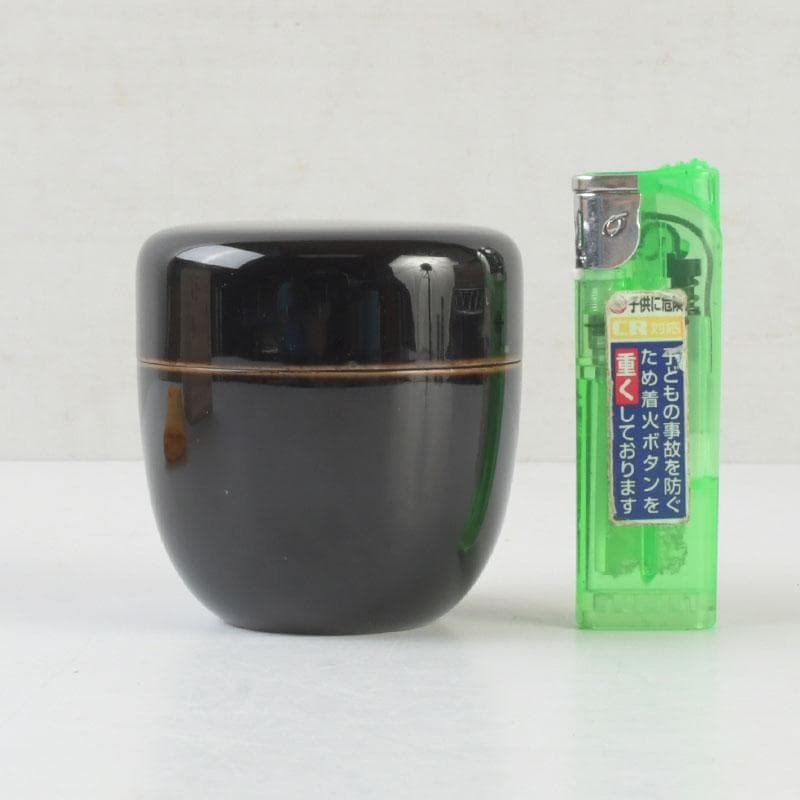
Experience Authentic Japanese Lacquer Art with this Maki-e Tea Caddy. This Nakamura Kosai natsume serves as an Otafuku Natsume and Gold Lacquer Makie vessel, featuring a Black Lacquer Caddy body and Fortune Goddess Motif — a defining Chado Natsume Box for any Japanese Tea Ceremony collector with a Shifuku Silk Pouch and Signed Tomobako Box.
🔹 [ Basic Details ]
• Artist: Nakamura Kosai (中村湖彩)
• Technique: Black urushi lacquer body with gold maki-e; vermillion interior
• Era: Contemporary (2000–2006)
• Origin: Japan
• Dimensions: Height approx. 6.5 cm, Width approx. 6.6 cm, Weight approx. 44 g
• Box: Signed tomobako
• Accessories: Orange shifuku silk pouch
• Condition: Excellent — no chips, cracks, or wear
🔹 [ Cultural & Artistic Insight ]
The chu-natsume holds the powdered tea that will become the first cup. Nakamura Kosai placed Otafuku — the goddess of good fortune — on the lid in gold maki-e. This is not decoration. In the context of chado, it is a greeting: fortune held in a closed hand, waiting to be opened.
The black lacquer exterior achieves the depth that only multiple layers of urushi can produce. The vermillion interior creates a private warmth — visible only to the one who opens it.
"Fortune held in a closed hand — opened only at the moment of preparation."
🔹 [ Deep-Dive Commentary ]
Maki-e — literally "sprinkled picture" — is the technique of applying gold or silver powder to wet lacquer. The Otafuku face rendered here demonstrates restrained mastery: the features are suggested rather than detailed, allowing the gold to speak through form rather than line.
The natsume form itself is named after the jujube fruit (natsume) whose shape it echoes. The chu-natsume (medium size) is the most versatile — appropriate for both thin and thick tea preparations.
Nakamura Kosai's work in the Kyoto lacquer tradition emphasizes the relationship between surface and interior. The exterior is public — black, composed, ceremonial. The interior is intimate — warm red, alive with the memory of every tea it has held.
[ JAPANESE DESCRIPTION / 日本語解説 ]
🔹 [ 基本情報 ]
• 作家:中村湖彩
• 技法:黒漆地に金蒔絵、内部朱漆
• 時代:現代(2000〜2006年頃)
• 産地:日本
• 寸法:高さ約6.5cm、幅約6.6cm、重さ約44g
• 箱:共箱
• 付属:橙色の仕覆
• 状態:優品
🔹 [ 文化的・芸術的解説 ]
中棗は薄茶を収める茶器です。中村湖彩氏は蓋表にお多福の顔を金蒔絵で描きました。お多福は福の神——豊穣と幸運の象徴です。茶の湯の文脈において、この意匠は「閉じた手のなかに福を包む」行為そのものです。
黒漆は幾層もの塗り重ねによって初めて到達する深みを持ち、内部の朱漆は開いた者だけが知る温もりです。蒔絵は「蒔く絵」——湿漆に金粉を蒔く技法であり、ここでのお多福は線ではなく形によって語りかけます。
🔹 [ SHIPPING & PACKAGING ]
• Dispatch: Within 1-6 business days
• Carrier: Japan Post EMS / UPS (with tracking)
• Packaging: Carefully wrapped with protective materials
🔹 [ Basic Details ]
• Artist: Nakamura Kosai (中村湖彩)
• Technique: Black urushi lacquer body with gold maki-e; vermillion interior
• Era: Contemporary (2000–2006)
• Origin: Japan
• Dimensions: Height approx. 6.5 cm, Width approx. 6.6 cm, Weight approx. 44 g
• Box: Signed tomobako
• Accessories: Orange shifuku silk pouch
• Condition: Excellent — no chips, cracks, or wear
🔹 [ Cultural & Artistic Insight ]
The chu-natsume holds the powdered tea that will become the first cup. Nakamura Kosai placed Otafuku — the goddess of good fortune — on the lid in gold maki-e. This is not decoration. In the context of chado, it is a greeting: fortune held in a closed hand, waiting to be opened.
The black lacquer exterior achieves the depth that only multiple layers of urushi can produce. The vermillion interior creates a private warmth — visible only to the one who opens it.
"Fortune held in a closed hand — opened only at the moment of preparation."
🔹 [ Deep-Dive Commentary ]
Maki-e — literally "sprinkled picture" — is the technique of applying gold or silver powder to wet lacquer. The Otafuku face rendered here demonstrates restrained mastery: the features are suggested rather than detailed, allowing the gold to speak through form rather than line.
The natsume form itself is named after the jujube fruit (natsume) whose shape it echoes. The chu-natsume (medium size) is the most versatile — appropriate for both thin and thick tea preparations.
Nakamura Kosai's work in the Kyoto lacquer tradition emphasizes the relationship between surface and interior. The exterior is public — black, composed, ceremonial. The interior is intimate — warm red, alive with the memory of every tea it has held.
[ JAPANESE DESCRIPTION / 日本語解説 ]
🔹 [ 基本情報 ]
• 作家:中村湖彩
• 技法:黒漆地に金蒔絵、内部朱漆
• 時代:現代(2000〜2006年頃)
• 産地:日本
• 寸法:高さ約6.5cm、幅約6.6cm、重さ約44g
• 箱:共箱
• 付属:橙色の仕覆
• 状態:優品
🔹 [ 文化的・芸術的解説 ]
中棗は薄茶を収める茶器です。中村湖彩氏は蓋表にお多福の顔を金蒔絵で描きました。お多福は福の神——豊穣と幸運の象徴です。茶の湯の文脈において、この意匠は「閉じた手のなかに福を包む」行為そのものです。
黒漆は幾層もの塗り重ねによって初めて到達する深みを持ち、内部の朱漆は開いた者だけが知る温もりです。蒔絵は「蒔く絵」——湿漆に金粉を蒔く技法であり、ここでのお多福は線ではなく形によって語りかけます。
🔹 [ SHIPPING & PACKAGING ]
• Dispatch: Within 1-6 business days
• Carrier: Japan Post EMS / UPS (with tracking)
• Packaging: Carefully wrapped with protective materials
Quantity
Couldn't load pickup availability
Low stock: 1 left
View full details