1
/
of
10
Omokage — Bamboo Chashaku by Okuda Sōshun, Inscribed by Satō Bokudō
Omokage — Bamboo Chashaku by Okuda Sōshun, Inscribed by Satō Bokudō
Regular price
Dhs. 880.00 AED
Regular price
Sale price
Dhs. 880.00 AED
Taxes included.
Shipping calculated at checkout.
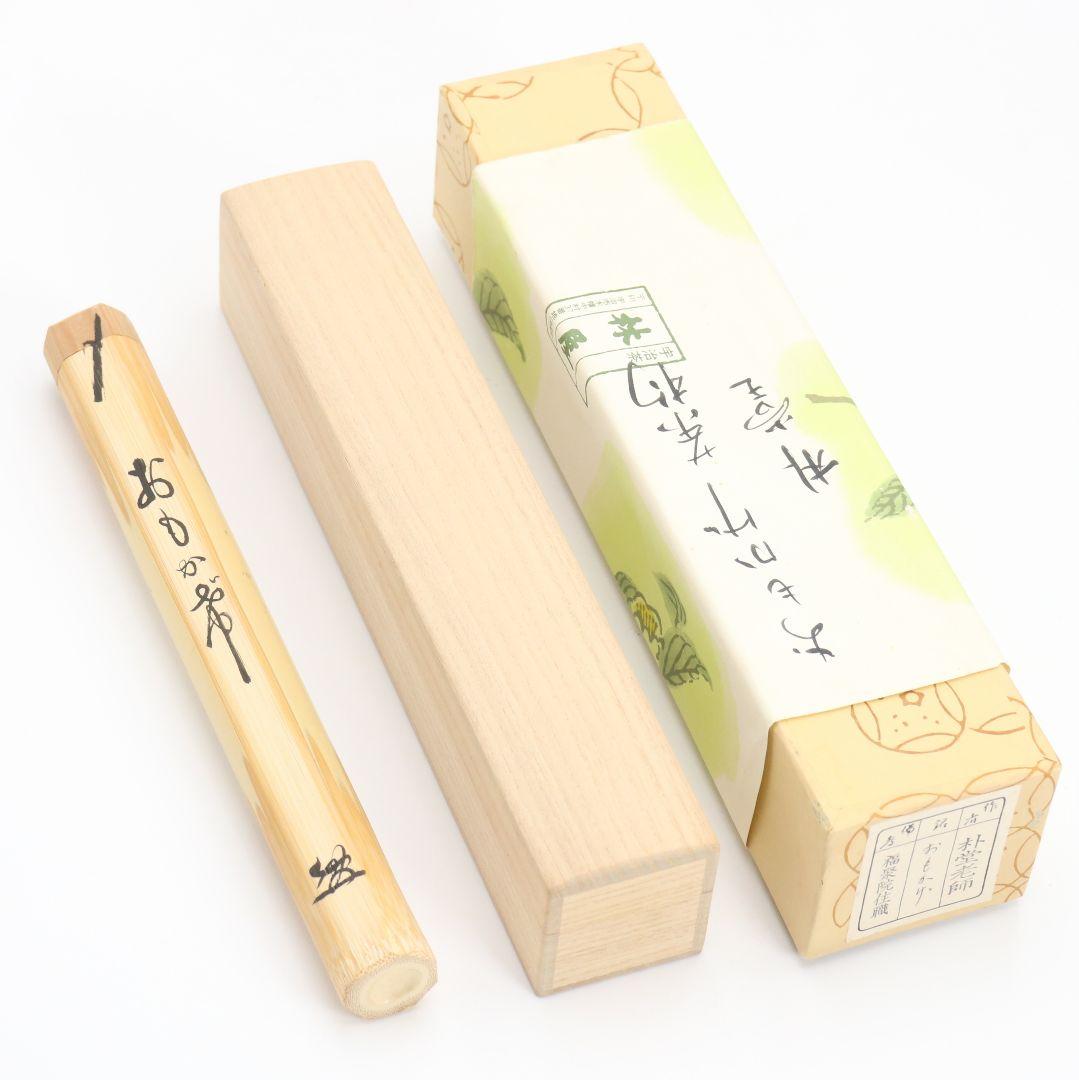
A bamboo chashaku by Okuda Sōshun, bearing the poetic name Omokage — Vestige, Remembrance — inscribed by Satō Bokudō, priest of Fukujuin in the Daitoku-ji lineage. This Japanese tea scoop is a Zen calligraphy tea utensil shaped for matcha preparation, a bamboo tea ceremony tool carrying the cultural weight of Daitoku-ji tradition and the intimate authorship of carver and priest.
━━━━━━━━━━━━━━━━━━━━━━━━━━━━
🔹 [ BASIC DETAILS ]
• Item: Chashaku (茶杓) — bamboo tea scoop
• Mei (銘): おもかげ (Omokage) — Vestige / Remembrance
• Carver: Okuda Sōshun (奥田宗春)
• Calligrapher: Satō Bokudō (佐藤朴堂), Fukujuin Temple, Daitoku-ji lineage
• Material: Natural bamboo
• Tip style: Marumae (丸前) — rounded front
• Includes: Bamboo storage tube (tsutsu) with brushed inscription and seal
• Condition: Excellent — pristine bamboo surface, clean grain, no damage
• Origin: Japan
━━━━━━━━━━━━━━━━━━━━━━━━━━━━
🔹 [ CULTURAL & ARTISTIC INSIGHT ]
おもかげ — Omokage.
Not a memory. Not nostalgia. Something closer to the weight a room holds after someone has left it. The word carries no grief, yet refuses to release what has passed. In chadō, a mei like this does not describe — it inhabits. The guest lifts the chashaku, reads the inscription on the tsutsu, and for one breath, stands in the presence of absence itself.
Satō Bokudō of Fukujuin — a sub-temple within the Daitoku-ji compound — inscribed this mei in fluid hiragana. Daitoku-ji's centuries-deep entanglement with tea culture is not incidental; it is structural. From Ikkyū Sōjun to the lineage that shaped Murata Jukō and later informed Rikyū's revolution, this temple complex has been the crucible where Zen discipline and tea practice fused into a single gesture. A chashaku bearing a Daitoku-ji priest's hand carries that entire gravitational field.
Okuda Sōshun carved this scoop from pale, fine-grained bamboo. The node sits low on the shaft, lending visual weight to the lower body while the marumae tip rises with quiet composure. There is no excess. The curve is unhurried. The surface is polished to a soft warmth that deepens with use — each tea gathering adding another invisible layer to the bamboo's memory.
━━━━━━━━━━━━━━━━━━━━━━━━━━━━
🔹 [ DEEP-DIVE COMMENTARY ]
Among all tea utensils, the chashaku holds a singular position: it is the one object a tea practitioner is permitted — even expected — to carve by hand. In this tradition, the scoop becomes a declaration of authorship. The curve of the tip, the placement of the node, the thinness of the shaft — each decision is irreversible, carved into living material. When a priest then names the scoop with a mei, a second layer of intention is sealed onto the first. Carver and calligrapher together produce an object that exists at the intersection of craft and contemplation.
The tsutsu inscription in Bokudō's hand is composed in soft hiragana rather than kanji — a deliberate choice that lends the word おもかげ a warmth and intimacy that the character form (面影) would not carry. This is not a scholarly citation. It is a whisper.
━━━━━━━━━━━━━━━━━━━━━━━━━━━━
🔹 [ 日本語解説 ]
茶杓 銘「おもかげ」
作:奥田宗春
筒書:佐藤朴堂和尚(大徳寺派福聚院)
素材:竹(白竹)
櫂先:丸前
状態:良好 — 竹肌に傷みなく、筒書・落款ともに鮮明
「おもかげ」——そこにはもういない誰かの気配が、まだその場に漂っているような感覚。記憶でも懐古でもなく、不在そのものが持つ重み。大徳寺派の僧侶がこの銘を選び、平仮名で筒に記したとき、漢字の「面影」では届かない親密さが宿った。
奥田宗春による削りは端正で、節の位置が低く据えられた落ち着いた姿。白竹の清浄な肌は、点前を重ねるごとに静かに色を深めてゆく。
大徳寺と茶の湯の結びつきは偶然ではなく、構造そのものである。一休宗純から村田珠光、そして利休へと至る精神の系譜——その磁場の中で生まれた一本の茶杓。
━━━━━━━━━━━━━━━━━━━━━━━━━━━━
🔹 [ SHIPPING & PACKAGING ]
• Dispatch: Within 1-6 business days
• Carrier: Japan Post EMS / UPS (with tracking)
• Packaging: Carefully wrapped with protective materials
━━━━━━━━━━━━━━━━━━━━━━━━━━━━
🔹 [ BASIC DETAILS ]
• Item: Chashaku (茶杓) — bamboo tea scoop
• Mei (銘): おもかげ (Omokage) — Vestige / Remembrance
• Carver: Okuda Sōshun (奥田宗春)
• Calligrapher: Satō Bokudō (佐藤朴堂), Fukujuin Temple, Daitoku-ji lineage
• Material: Natural bamboo
• Tip style: Marumae (丸前) — rounded front
• Includes: Bamboo storage tube (tsutsu) with brushed inscription and seal
• Condition: Excellent — pristine bamboo surface, clean grain, no damage
• Origin: Japan
━━━━━━━━━━━━━━━━━━━━━━━━━━━━
🔹 [ CULTURAL & ARTISTIC INSIGHT ]
おもかげ — Omokage.
Not a memory. Not nostalgia. Something closer to the weight a room holds after someone has left it. The word carries no grief, yet refuses to release what has passed. In chadō, a mei like this does not describe — it inhabits. The guest lifts the chashaku, reads the inscription on the tsutsu, and for one breath, stands in the presence of absence itself.
Satō Bokudō of Fukujuin — a sub-temple within the Daitoku-ji compound — inscribed this mei in fluid hiragana. Daitoku-ji's centuries-deep entanglement with tea culture is not incidental; it is structural. From Ikkyū Sōjun to the lineage that shaped Murata Jukō and later informed Rikyū's revolution, this temple complex has been the crucible where Zen discipline and tea practice fused into a single gesture. A chashaku bearing a Daitoku-ji priest's hand carries that entire gravitational field.
Okuda Sōshun carved this scoop from pale, fine-grained bamboo. The node sits low on the shaft, lending visual weight to the lower body while the marumae tip rises with quiet composure. There is no excess. The curve is unhurried. The surface is polished to a soft warmth that deepens with use — each tea gathering adding another invisible layer to the bamboo's memory.
━━━━━━━━━━━━━━━━━━━━━━━━━━━━
🔹 [ DEEP-DIVE COMMENTARY ]
Among all tea utensils, the chashaku holds a singular position: it is the one object a tea practitioner is permitted — even expected — to carve by hand. In this tradition, the scoop becomes a declaration of authorship. The curve of the tip, the placement of the node, the thinness of the shaft — each decision is irreversible, carved into living material. When a priest then names the scoop with a mei, a second layer of intention is sealed onto the first. Carver and calligrapher together produce an object that exists at the intersection of craft and contemplation.
The tsutsu inscription in Bokudō's hand is composed in soft hiragana rather than kanji — a deliberate choice that lends the word おもかげ a warmth and intimacy that the character form (面影) would not carry. This is not a scholarly citation. It is a whisper.
━━━━━━━━━━━━━━━━━━━━━━━━━━━━
🔹 [ 日本語解説 ]
茶杓 銘「おもかげ」
作:奥田宗春
筒書:佐藤朴堂和尚(大徳寺派福聚院)
素材:竹(白竹)
櫂先:丸前
状態:良好 — 竹肌に傷みなく、筒書・落款ともに鮮明
「おもかげ」——そこにはもういない誰かの気配が、まだその場に漂っているような感覚。記憶でも懐古でもなく、不在そのものが持つ重み。大徳寺派の僧侶がこの銘を選び、平仮名で筒に記したとき、漢字の「面影」では届かない親密さが宿った。
奥田宗春による削りは端正で、節の位置が低く据えられた落ち着いた姿。白竹の清浄な肌は、点前を重ねるごとに静かに色を深めてゆく。
大徳寺と茶の湯の結びつきは偶然ではなく、構造そのものである。一休宗純から村田珠光、そして利休へと至る精神の系譜——その磁場の中で生まれた一本の茶杓。
━━━━━━━━━━━━━━━━━━━━━━━━━━━━
🔹 [ SHIPPING & PACKAGING ]
• Dispatch: Within 1-6 business days
• Carrier: Japan Post EMS / UPS (with tracking)
• Packaging: Carefully wrapped with protective materials
Quantity
Couldn't load pickup availability
Low stock: 1 left
View full details