1
/
of
9
Oil Spot Glaze Tea Bowl by Soryu - Kiyomizu Ware Amber Chawan with Signed Box
Oil Spot Glaze Tea Bowl by Soryu - Kiyomizu Ware Amber Chawan with Signed Box
Regular price
Dhs. 781.00 AED
Regular price
Sale price
Dhs. 781.00 AED
Taxes included.
Shipping calculated at checkout.
An Oil Spot Tenmoku style matcha tea bowl by Soryu of Kyoto's Kiyomizu-yaki tradition, its amber surface scattered with Iron Crystal Glaze formations that emerge like celestial events in glaze. This Japanese Tea Bowl carries the Bekko Glaze pattern born from controlled kiln atmosphere — a Handmade Stoneware Chawan where Kyoto Pottery heritage meets the deep physics of iron crystallization. A Tea Ceremony Bowl of contemplative density, rooted in Wabi Sabi Ceramic art.
━━━━━━━━━━━━━━━━━━━━
🔹 [ BASIC DETAILS ]
• Artist: Soryu (蘇隆), Kyoto
• Type: Matcha tea bowl (抹茶碗)
• Tradition: Kiyomizu-yaki (清水焼)
• Technique: Iron crystallization glaze — oil-spot / bekko pattern (yuteki-tenmoku style)
• Dimensions: Diameter approx. 12.5 cm (4.9 in) × Height approx. 7.3 cm (2.9 in)
• Era: Contemporary (2010–2019)
• Condition: No cracks or chips. Box has some staining.
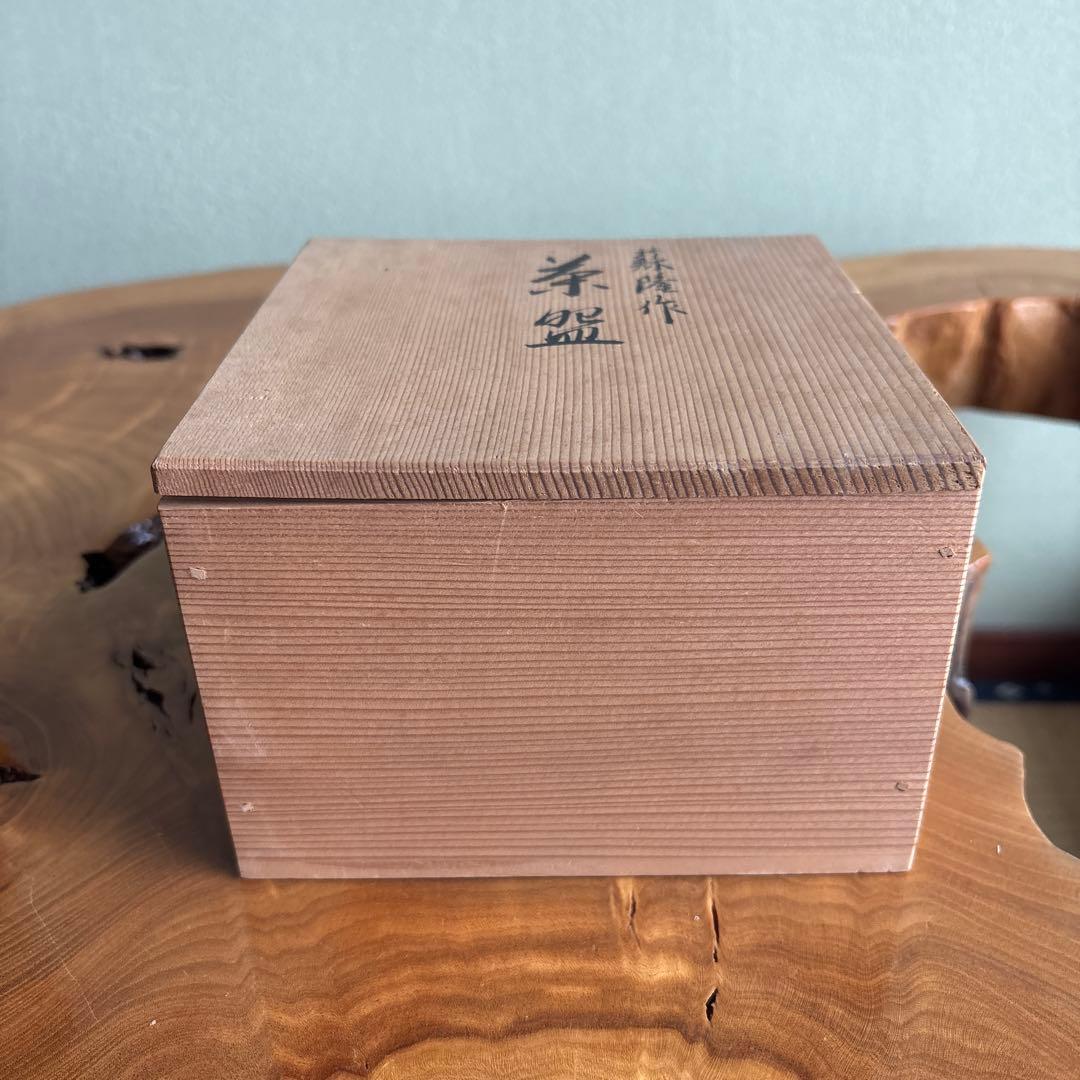
• Includes: Tomobako (signed wooden storage box) inscribed 蘇隆作 茶碗
━━━━━━━━━━━━━━━━━━━━
🔹 [ CULTURAL & ARTISTIC INSIGHT ]
The oil-spot glaze — yuteki-tenmoku — is one of the most technically demanding achievements in East Asian ceramics. During firing, iron saturates the glaze surface and, under precise atmospheric conditions, crystallizes into circular formations that break through the molten glass. The result cannot be painted or designed; it can only be invited through mastery of kiln, temperature, and timing.
Soryu's interpretation presents a rich amber ground alive with dark radial iron crystal clusters — each spot a miniature record of the moment iron oxide breached the glaze surface and spread. The bekko patterning across the exterior carries the warmth of bekko, while the interior reveals concentric throwing lines visible beneath the glossy amber surface, evidence of the potter's hand preserved under glass.
The unglazed sandy foot grounds the bowl in its material origins, and the tomobako inscription confirms Soryu's authorship — a Kyoto potter working within one of ceramics' most unforgiving traditions.
*"Each spot — a small eruption the potter could not command, only make possible."*
━━━━━━━━━━━━━━━━━━━━
🔹 [ DEEP-DIVE COMMENTARY ]
**Iron Crystallization Physics**: Oil-spot formation requires iron oxide concentration near supersaturation in the glaze. At approximately 1,280°C, bubbles of iron-rich gas rise through the molten surface and, upon cooling under controlled reduction, crystallize into the characteristic circular patterns. The amber-to-dark gradient within each spot records the cooling sequence in mineral form.
**Tenmoku Lineage**: The yuteki (oil-spot) tradition traces to Song Dynasty Jian ware, where such bowls were treasured for tea drinking. Several Chinese oil-spot tenmoku bowls are designated National Treasures in Japan — testimony to how deeply this aesthetic entered Japanese tea culture. Soryu's work continues this cross-cultural ceramic dialogue from Kyoto.
**Kiyomizu-yaki Context**: Kyoto's Kiyomizu-yaki encompasses extraordinary technical range, from delicate overglaze enamels to austere tea wares. Soryu's choice to pursue iron crystallization within this tradition speaks to the depth of Kiyomizu's kiln heritage — a tradition where technical ambition serves contemplative ends.
**Surface as Event**: Unlike painted decoration, each oil-spot is an unrepeatable event — a specific interaction between iron, atmosphere, gravity, and temperature at a precise moment in the firing. The bowl's surface is not designed but witnessed, making every piece a document of its own creation.
━━━━━━━━━━━━━━━━━━━━
🔹 [ 日本語解説 ]
【基本情報】
• 作家:蘇隆
• 種類:抹茶碗
• 産地:京都 清水焼
• 技法:鉄結晶釉 — 油滴天目・鼈甲文様
• 寸法:口径 約12.5cm × 高さ 約7.3cm
• 時代:現代(2010年代)
• 状態:傷・欠けなし(箱にシミあり)
• 付属:共箱(「蘇隆作 茶碗」の書付)
【解説】
油滴天目は東アジア陶芸における最も技術的難度の高い表現の一つです。焼成中、釉薬中の鉄分が飽和状態に達し、特定の窯内雰囲気のもとで結晶化して釉表面に円形の斑紋を生み出します。この現象は絵付けでは再現できず、窯と温度と時間の精密な制御によってのみ招来されるものです。
本作は蘇隆による清水焼の抹茶碗で、温かみのある琥珀色の地に暗色の鉄結晶が放射状に散り、鼈甲を思わせる景色を呈しています。内側には轆轤目が光沢のある琥珀釉の下に透けて見え、作り手の手の痕跡がガラス質の層の下に封じ込められています。
一つ一つの油滴が、窯の中で起きた再現不可能な出来事の記録です。
━━━━━━━━━━━━━━━━━━━━
🔹 [ SHIPPING & PACKAGING ]
• Dispatch: Within 1-6 business days
• Carrier: Japan Post EMS / UPS (with tracking)
• Packaging: Carefully wrapped with protective materials
*From Kyoto's kilns, iron remembers what fire asked of it — and answers in constellations.*
━━━━━━━━━━━━━━━━━━━━
🔹 [ BASIC DETAILS ]
• Artist: Soryu (蘇隆), Kyoto
• Type: Matcha tea bowl (抹茶碗)
• Tradition: Kiyomizu-yaki (清水焼)
• Technique: Iron crystallization glaze — oil-spot / bekko pattern (yuteki-tenmoku style)
• Dimensions: Diameter approx. 12.5 cm (4.9 in) × Height approx. 7.3 cm (2.9 in)
• Era: Contemporary (2010–2019)
• Condition: No cracks or chips. Box has some staining.
• Includes: Tomobako (signed wooden storage box) inscribed 蘇隆作 茶碗
━━━━━━━━━━━━━━━━━━━━
🔹 [ CULTURAL & ARTISTIC INSIGHT ]
The oil-spot glaze — yuteki-tenmoku — is one of the most technically demanding achievements in East Asian ceramics. During firing, iron saturates the glaze surface and, under precise atmospheric conditions, crystallizes into circular formations that break through the molten glass. The result cannot be painted or designed; it can only be invited through mastery of kiln, temperature, and timing.
Soryu's interpretation presents a rich amber ground alive with dark radial iron crystal clusters — each spot a miniature record of the moment iron oxide breached the glaze surface and spread. The bekko patterning across the exterior carries the warmth of bekko, while the interior reveals concentric throwing lines visible beneath the glossy amber surface, evidence of the potter's hand preserved under glass.
The unglazed sandy foot grounds the bowl in its material origins, and the tomobako inscription confirms Soryu's authorship — a Kyoto potter working within one of ceramics' most unforgiving traditions.
*"Each spot — a small eruption the potter could not command, only make possible."*
━━━━━━━━━━━━━━━━━━━━
🔹 [ DEEP-DIVE COMMENTARY ]
**Iron Crystallization Physics**: Oil-spot formation requires iron oxide concentration near supersaturation in the glaze. At approximately 1,280°C, bubbles of iron-rich gas rise through the molten surface and, upon cooling under controlled reduction, crystallize into the characteristic circular patterns. The amber-to-dark gradient within each spot records the cooling sequence in mineral form.
**Tenmoku Lineage**: The yuteki (oil-spot) tradition traces to Song Dynasty Jian ware, where such bowls were treasured for tea drinking. Several Chinese oil-spot tenmoku bowls are designated National Treasures in Japan — testimony to how deeply this aesthetic entered Japanese tea culture. Soryu's work continues this cross-cultural ceramic dialogue from Kyoto.
**Kiyomizu-yaki Context**: Kyoto's Kiyomizu-yaki encompasses extraordinary technical range, from delicate overglaze enamels to austere tea wares. Soryu's choice to pursue iron crystallization within this tradition speaks to the depth of Kiyomizu's kiln heritage — a tradition where technical ambition serves contemplative ends.
**Surface as Event**: Unlike painted decoration, each oil-spot is an unrepeatable event — a specific interaction between iron, atmosphere, gravity, and temperature at a precise moment in the firing. The bowl's surface is not designed but witnessed, making every piece a document of its own creation.
━━━━━━━━━━━━━━━━━━━━
🔹 [ 日本語解説 ]
【基本情報】
• 作家:蘇隆
• 種類:抹茶碗
• 産地:京都 清水焼
• 技法:鉄結晶釉 — 油滴天目・鼈甲文様
• 寸法:口径 約12.5cm × 高さ 約7.3cm
• 時代:現代(2010年代)
• 状態:傷・欠けなし(箱にシミあり)
• 付属:共箱(「蘇隆作 茶碗」の書付)
【解説】
油滴天目は東アジア陶芸における最も技術的難度の高い表現の一つです。焼成中、釉薬中の鉄分が飽和状態に達し、特定の窯内雰囲気のもとで結晶化して釉表面に円形の斑紋を生み出します。この現象は絵付けでは再現できず、窯と温度と時間の精密な制御によってのみ招来されるものです。
本作は蘇隆による清水焼の抹茶碗で、温かみのある琥珀色の地に暗色の鉄結晶が放射状に散り、鼈甲を思わせる景色を呈しています。内側には轆轤目が光沢のある琥珀釉の下に透けて見え、作り手の手の痕跡がガラス質の層の下に封じ込められています。
一つ一つの油滴が、窯の中で起きた再現不可能な出来事の記録です。
━━━━━━━━━━━━━━━━━━━━
🔹 [ SHIPPING & PACKAGING ]
• Dispatch: Within 1-6 business days
• Carrier: Japan Post EMS / UPS (with tracking)
• Packaging: Carefully wrapped with protective materials
*From Kyoto's kilns, iron remembers what fire asked of it — and answers in constellations.*
Quantity
Couldn't load pickup availability
Low stock: 1 left
View full details