1
/
of
8
Ohi Ware Tea Bowl with Amber Glaze by Ohi Cho - Faceted Mentori
Ohi Ware Tea Bowl with Amber Glaze by Ohi Cho - Faceted Mentori
Regular price
Dhs. 940.00 AED
Regular price
Sale price
Dhs. 940.00 AED
Taxes included.
Shipping calculated at checkout.
Experience authentic Japanese tea ceramics with this Ohi Ware Ceramics Tea Bowl by Ohi Cho. This Matcha Chawan Bowl serves as Kanazawa Ohi Pottery and Artisan Tea Bowl, featuring Faceted Bowl Form and Rich Amber Glaze—a must-have for any collector seeking Mentori Technique mastery and Geometric Tea Bowls.
━━━━━━━━━━━━━━━━━━━━
🔹 [ BASIC DETAILS ]
• Artist: Ohi Cho (大樋長) at Chorakudo (長楽堂)
• Type: Ohi Ware Tea Bowl (大樋焼茶碗)
• Origin: Kanazawa, Japan
• Era: Contemporary (Heisei–Reiwa period)
• Dimensions: Diameter approx. 12 cm × Height approx. 8 cm (4.7" × 3.1")
• Condition: Excellent
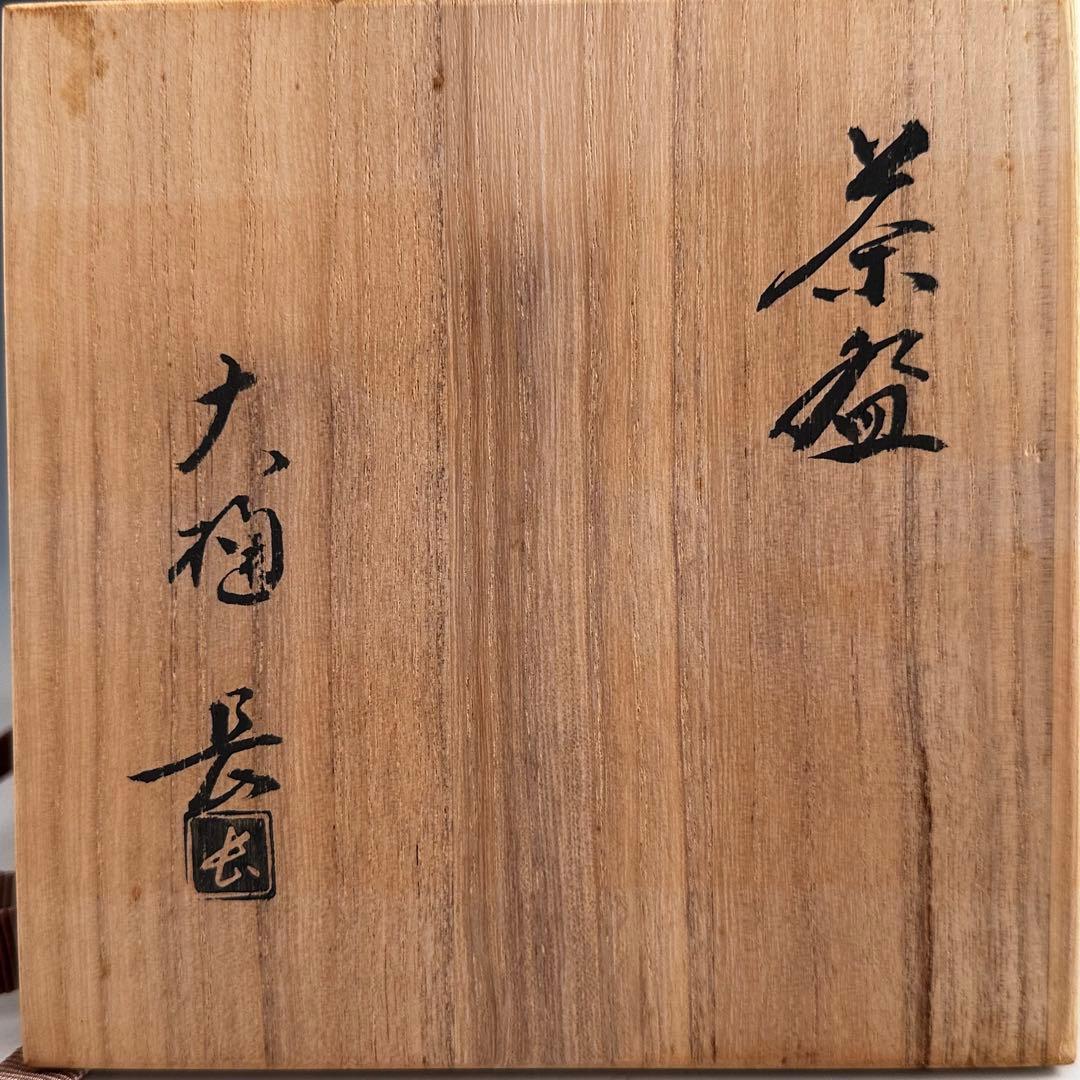
• Box: Tomobako (artist-signed wooden box) with certificate
━━━━━━━━━━━━━━━━━━━━
🔹 [ CULTURAL & ARTISTIC INSIGHT ]
This Ohi ware tea bowl represents a ceramic tradition born from the intersection of two great tea cities. In 1666, Chozaemon I—trained in Kyoto's raku techniques—was invited to Kanazawa by the ruling Maeda clan. There, he adapted the raku tradition to local materials and sensibilities, establishing the Ohi lineage that continues today at Chorakudo workshop.
The bowl's most striking feature is its architectural form: bold, hand-carved facets (mentori) transform the vessel into a sculptural object. Each angular plane catches light differently, creating shifting shadows as the bowl is turned. This geometric assertiveness contrasts with the flowing, organic nature of the signature amber glaze—a dialogue between structure and fluidity.
The ame-yu (amber glaze) is Ohi ware's signature surface, developed from local Kanazawa materials. Here it appears in deep chestnut tones with visible brush texture, the glaze pooling in carved recesses and thinning on sharp edges. The surface carries tactile richness—not perfectly smooth, but alive with the marks of making.
*"Carved planes hold amber light—geometry meeting the kiln's liquid breath."*
━━━━━━━━━━━━━━━━━━━━
🔹 [ DEEP-DIVE COMMENTARY ]
**Mentori: The Carved Planes**: The faceted form (mentori) is this bowl's defining characteristic. After throwing the basic cylindrical form on the wheel, the potter carved bold angular planes into the leather-hard clay. This technique requires confidence and precision—each cut is irreversible, and the carved surfaces must maintain structural integrity through drying and firing. The result is a bowl that feels sculptural, almost architectural, yet remains fully functional for tea preparation.
**Ohi Cho and the Chorakudo Tradition**: Ohi Cho works at Kanazawa's Chorakudo (長楽堂), a workshop maintaining the Ohi lineage since the 17th century. The name "Chorakudo" itself connects to the Choraku tradition of Kyoto raku pottery, acknowledging the lineage's origins while asserting its distinct Kanazawa identity. His amber glazes show the subtle color variations and textural richness that define accomplished Ohi ware.
**Ame-Yu: Kanazawa's Amber**: The amber glaze (ame-yu) is Ohi pottery's most recognizable feature. Unlike the smooth, uniform glazes of some ceramic traditions, Ohi amber appears deliberately textured, with visible brush marks and tonal variations from deep chocolate-brown to lighter chestnut. On this bowl, the glaze responds to the carved form—pooling in recesses, creating darker accents, and thinning on the sharp faceted edges to reveal clay beneath.
**Historical Context: Raku Beyond Kyoto**: The Ohi tradition represents an important chapter in Japanese ceramic history: the adaptation of Kyoto raku techniques to regional contexts. When Chozaemon I arrived in Kanazawa, he brought raku firing methods but had to work with different clays and aesthetic preferences. The result—Ohi ware—maintained raku's hand-building heritage while developing distinct characteristics: the amber glaze palette and the integration of carved sculptural elements.
━━━━━━━━━━━━━━━━━━━━
🔹 [ 日本語解説 ]
【基本情報】
• 作家:大樋長(長楽堂)
• 種類:大樋焼茶碗
• 産地:金沢
• 制作年代:現代(平成〜令和)
• 寸法:直径約12cm × 高さ約8cm
• 状態:良好
• 付属:共箱・共栞
【解説】
金沢の長楽堂で制作された大樋焼茶碗です。大樋焼は、1666年に初代長左衛門が京都から金沢に招かれ、楽焼の技法を金沢の地に根付かせたことに始まる伝統ある焼物です。
この茶碗の最大の特徴は、大胆な面取り(めんとり)による彫刻的な造形です。轆轤で挽いた後、革のように硬くなった粘土に幾何学的な平面を彫り込んでいます。各面が光を異なる角度で受け止め、回転させるたびに表情が変化します。この構築的な形態と、流動的な飴釉の対比が独特の緊張感を生み出しています。
大樋焼の特徴である飴釉(あめゆう)は、深い琥珀色から栗色まで微妙な色調変化を見せ、表面には刷毛目の質感が残されています。釉薬は彫り込まれた面の窪みに溜まり、稜線では薄くなって下地の土を覗かせています。伝統と現代性が融合した、金沢大樋焼の真髄を示す一碗です。
━━━━━━━━━━━━━━━━━━━━
🔹 [ SHIPPING & PACKAGING ]
• Dispatch: Within 1-6 business days
• Carrier: Japan Post EMS / UPS (with tracking)
• Packaging: Carefully wrapped with protective materials
*Faceted planes and amber flow—where geometry meets the kiln's intention.*
━━━━━━━━━━━━━━━━━━━━
🔹 [ BASIC DETAILS ]
• Artist: Ohi Cho (大樋長) at Chorakudo (長楽堂)
• Type: Ohi Ware Tea Bowl (大樋焼茶碗)
• Origin: Kanazawa, Japan
• Era: Contemporary (Heisei–Reiwa period)
• Dimensions: Diameter approx. 12 cm × Height approx. 8 cm (4.7" × 3.1")
• Condition: Excellent
• Box: Tomobako (artist-signed wooden box) with certificate
━━━━━━━━━━━━━━━━━━━━
🔹 [ CULTURAL & ARTISTIC INSIGHT ]
This Ohi ware tea bowl represents a ceramic tradition born from the intersection of two great tea cities. In 1666, Chozaemon I—trained in Kyoto's raku techniques—was invited to Kanazawa by the ruling Maeda clan. There, he adapted the raku tradition to local materials and sensibilities, establishing the Ohi lineage that continues today at Chorakudo workshop.
The bowl's most striking feature is its architectural form: bold, hand-carved facets (mentori) transform the vessel into a sculptural object. Each angular plane catches light differently, creating shifting shadows as the bowl is turned. This geometric assertiveness contrasts with the flowing, organic nature of the signature amber glaze—a dialogue between structure and fluidity.
The ame-yu (amber glaze) is Ohi ware's signature surface, developed from local Kanazawa materials. Here it appears in deep chestnut tones with visible brush texture, the glaze pooling in carved recesses and thinning on sharp edges. The surface carries tactile richness—not perfectly smooth, but alive with the marks of making.
*"Carved planes hold amber light—geometry meeting the kiln's liquid breath."*
━━━━━━━━━━━━━━━━━━━━
🔹 [ DEEP-DIVE COMMENTARY ]
**Mentori: The Carved Planes**: The faceted form (mentori) is this bowl's defining characteristic. After throwing the basic cylindrical form on the wheel, the potter carved bold angular planes into the leather-hard clay. This technique requires confidence and precision—each cut is irreversible, and the carved surfaces must maintain structural integrity through drying and firing. The result is a bowl that feels sculptural, almost architectural, yet remains fully functional for tea preparation.
**Ohi Cho and the Chorakudo Tradition**: Ohi Cho works at Kanazawa's Chorakudo (長楽堂), a workshop maintaining the Ohi lineage since the 17th century. The name "Chorakudo" itself connects to the Choraku tradition of Kyoto raku pottery, acknowledging the lineage's origins while asserting its distinct Kanazawa identity. His amber glazes show the subtle color variations and textural richness that define accomplished Ohi ware.
**Ame-Yu: Kanazawa's Amber**: The amber glaze (ame-yu) is Ohi pottery's most recognizable feature. Unlike the smooth, uniform glazes of some ceramic traditions, Ohi amber appears deliberately textured, with visible brush marks and tonal variations from deep chocolate-brown to lighter chestnut. On this bowl, the glaze responds to the carved form—pooling in recesses, creating darker accents, and thinning on the sharp faceted edges to reveal clay beneath.
**Historical Context: Raku Beyond Kyoto**: The Ohi tradition represents an important chapter in Japanese ceramic history: the adaptation of Kyoto raku techniques to regional contexts. When Chozaemon I arrived in Kanazawa, he brought raku firing methods but had to work with different clays and aesthetic preferences. The result—Ohi ware—maintained raku's hand-building heritage while developing distinct characteristics: the amber glaze palette and the integration of carved sculptural elements.
━━━━━━━━━━━━━━━━━━━━
🔹 [ 日本語解説 ]
【基本情報】
• 作家:大樋長(長楽堂)
• 種類:大樋焼茶碗
• 産地:金沢
• 制作年代:現代(平成〜令和)
• 寸法:直径約12cm × 高さ約8cm
• 状態:良好
• 付属:共箱・共栞
【解説】
金沢の長楽堂で制作された大樋焼茶碗です。大樋焼は、1666年に初代長左衛門が京都から金沢に招かれ、楽焼の技法を金沢の地に根付かせたことに始まる伝統ある焼物です。
この茶碗の最大の特徴は、大胆な面取り(めんとり)による彫刻的な造形です。轆轤で挽いた後、革のように硬くなった粘土に幾何学的な平面を彫り込んでいます。各面が光を異なる角度で受け止め、回転させるたびに表情が変化します。この構築的な形態と、流動的な飴釉の対比が独特の緊張感を生み出しています。
大樋焼の特徴である飴釉(あめゆう)は、深い琥珀色から栗色まで微妙な色調変化を見せ、表面には刷毛目の質感が残されています。釉薬は彫り込まれた面の窪みに溜まり、稜線では薄くなって下地の土を覗かせています。伝統と現代性が融合した、金沢大樋焼の真髄を示す一碗です。
━━━━━━━━━━━━━━━━━━━━
🔹 [ SHIPPING & PACKAGING ]
• Dispatch: Within 1-6 business days
• Carrier: Japan Post EMS / UPS (with tracking)
• Packaging: Carefully wrapped with protective materials
*Faceted planes and amber flow—where geometry meets the kiln's intention.*
Quantity
Couldn't load pickup availability
Low stock: 1 left
View full details