1
/
of
10
Ōhi Ware Kensui — Ame-yū Waste-Water Vessel by Ōhi Tōki, Kanazawa
Ōhi Ware Kensui — Ame-yū Waste-Water Vessel by Ōhi Tōki, Kanazawa
Regular price
Dhs. 954.00 AED
Regular price
Sale price
Dhs. 954.00 AED
Taxes included.
Shipping calculated at checkout.
Experience authentic Japanese Tea Ceremony with this Ōhi Ware Kensui by Ōhi Tōki. This Kanazawa Pottery Kensui serves as a Chanoyu Waste Water Bowl and Hand-Formed Tea Vessel, featuring Ame-yū Amber Glaze and Ohi Kiln Tradition—a considered choice for any Tea Ceremony Collector drawn to the cultural weight of living craft lineages.
🔹 [ BASIC DETAILS ]
• Artist: Ōhi Tōki (大樋陶喜) — Ōhi kiln lineage, Kanazawa
• Technique: Ame-yū (amber/caramel) glaze over hand-formed stoneware body; low-fire Ōhi tradition
• Era: 1990s–2000s (pre-2007)
• Origin: Kanazawa, Ishikawa, Japan
• Dimensions: Height approx. 10.2 cm, Opening approx. 8 cm
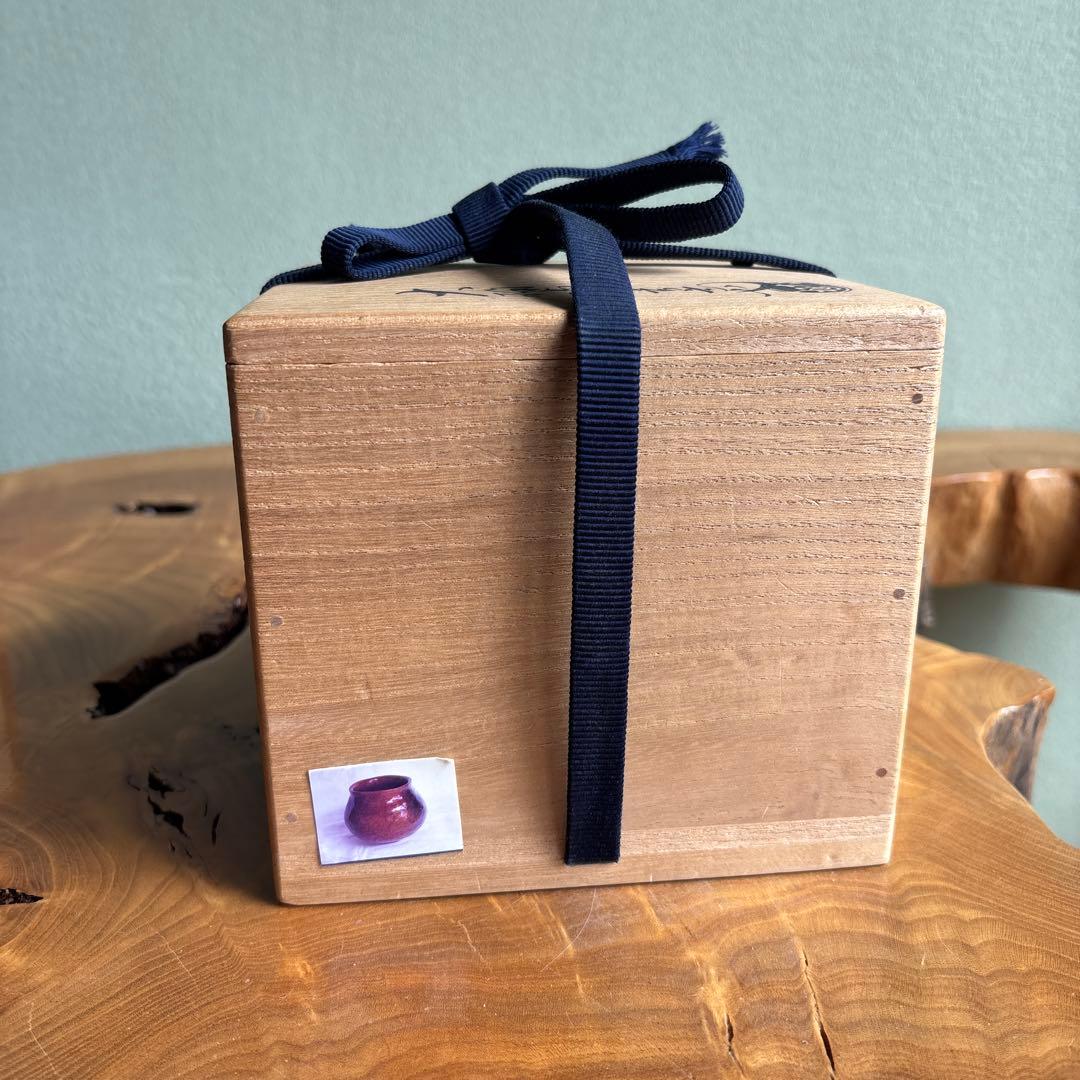
• Box: Tomobako (signed wooden box) — lid inscribed 建水, signed 大樋陶喜造 with impressed seal
• Condition: Very good. Glaze pooling and surface texture are intrinsic to Ōhi character. No chips, cracks, or restoration.
🔹 [ CULTURAL & ARTISTIC INSIGHT ]
The Ōhi kiln was established in 1666 in Kanazawa at the invitation of the Urasenke school, making it one of the few kilns in Japan founded specifically to serve the needs of formal chanoyu. For more than three and a half centuries, successive generations of the Chōzaemon line have worked within a deliberately narrow aesthetic vocabulary — soft, hand-formed bodies, low-firing temperatures, and the signature amber glaze whose warmth deepens under candlelight in the tearoom.
A kensui holds what the ceremony releases — rinsing water, spent warmth, the residue of preparation. It occupies the periphery of the tatami, rarely seen by guests, yet its authorship is unmistakable to those who know where to look. This vessel's squat, rounded form and the way its glaze shifts from amber to near-obsidian at the pooled shoulder carry the density of intention that defines Ōhi at its most grounded. To hold it is to understand why this kiln was trusted with the tearoom for three hundred years.
🔹 [ DEEP-DIVE COMMENTARY ]
Ame-yū — literally "candy glaze" — is Ōhi's defining surface. Derived from iron-rich compounds fired at comparatively low temperatures (around 800–900°C), it develops a translucent amber warmth unlike the harder, higher-fired glazes of Karatsu or Bizen. The low firing also means the clay body retains a softness — a slight give to the hand — that becomes part of the vessel's communication.
The glaze on this kensui does not perform uniformity. Where it thickens at the shoulder and lower belly, it pools to deep copper-brown with traces of blue-black iridescence — a natural consequence of iron concentration under heat. Where it runs thin toward the rim, it opens to a cleaner amber. This variation is not accident; it is the accumulated knowledge of hands that have worked this material for generations.
For collectors of chanoyu utensils, a kensui by a named artist in tomobako represents a specific category of acquisition: functional, ceremonially essential, and signed. Ōhi Tōki worked within the main lineage during a period of sustained critical attention to the kiln's historical continuity, and pieces from this era carry the coherence of a tradition conscious of its own weight.
The tomobako here is fully inscribed — 建水 on the lid, the artist's name and seal on the box face — making attribution unambiguous. For the collector who intends use, the vessel functions without reservation. For the collector who intends display, the box completes the presentation.
[ JAPANESE DESCRIPTION / 日本語解説 ]
大樋陶喜作の建水。共箱の蓋には「建水」、箱面には「大樋陶喜造」の署名と印が入る。大樋焼は1666年、加賀藩主前田家の庇護のもと、裏千家の求めに応じて金沢に開窯した由緒ある窯。初代長左衛門より脈々と受け継がれる飴釉の技法は、低火度の焼成と鉄分を含む釉薬が生み出す、柔らかな琥珀色の光沢が特徴である。
この建水は、丸みを帯びた胴部に向かって釉が厚く溜まり、肩口から胴にかけて深い赤褐色から黒味を帯びた色調へと移行する。薄くなる口縁近くでは素直な飴色が顔を出す。この色の振れ幅は、低火度焼成ならではの鉄分の溶け具合によるものであり、人為的な演出ではなく、素材と炎が語りかける自然の表情である。
建水は茶の湯の中で、すすいだ水や使い終えた湯を受ける器。亭主の目の届くところにあり、客の視線からは外れた場所に置かれるが、その佇まいが場の格を静かに支える。大樋焼の建水は、手で成形された土の柔らかさと飴釉の温もりが相まって、茶席に穏やかな重みをもたらす。
状態は良好。釉薬の溜まりや肌の凹凸は大樋焼固有の景色であり、欠けや割れ、金継ぎ等の修復はない。共箱完備。
🔹 [ SHIPPING & PACKAGING ]
• Dispatch: Within 1-6 business days
• Carrier: Japan Post EMS / UPS (with tracking)
• Packaging: Carefully wrapped with protective materials
🔹 [ BASIC DETAILS ]
• Artist: Ōhi Tōki (大樋陶喜) — Ōhi kiln lineage, Kanazawa
• Technique: Ame-yū (amber/caramel) glaze over hand-formed stoneware body; low-fire Ōhi tradition
• Era: 1990s–2000s (pre-2007)
• Origin: Kanazawa, Ishikawa, Japan
• Dimensions: Height approx. 10.2 cm, Opening approx. 8 cm
• Box: Tomobako (signed wooden box) — lid inscribed 建水, signed 大樋陶喜造 with impressed seal
• Condition: Very good. Glaze pooling and surface texture are intrinsic to Ōhi character. No chips, cracks, or restoration.
🔹 [ CULTURAL & ARTISTIC INSIGHT ]
The Ōhi kiln was established in 1666 in Kanazawa at the invitation of the Urasenke school, making it one of the few kilns in Japan founded specifically to serve the needs of formal chanoyu. For more than three and a half centuries, successive generations of the Chōzaemon line have worked within a deliberately narrow aesthetic vocabulary — soft, hand-formed bodies, low-firing temperatures, and the signature amber glaze whose warmth deepens under candlelight in the tearoom.
A kensui holds what the ceremony releases — rinsing water, spent warmth, the residue of preparation. It occupies the periphery of the tatami, rarely seen by guests, yet its authorship is unmistakable to those who know where to look. This vessel's squat, rounded form and the way its glaze shifts from amber to near-obsidian at the pooled shoulder carry the density of intention that defines Ōhi at its most grounded. To hold it is to understand why this kiln was trusted with the tearoom for three hundred years.
🔹 [ DEEP-DIVE COMMENTARY ]
Ame-yū — literally "candy glaze" — is Ōhi's defining surface. Derived from iron-rich compounds fired at comparatively low temperatures (around 800–900°C), it develops a translucent amber warmth unlike the harder, higher-fired glazes of Karatsu or Bizen. The low firing also means the clay body retains a softness — a slight give to the hand — that becomes part of the vessel's communication.
The glaze on this kensui does not perform uniformity. Where it thickens at the shoulder and lower belly, it pools to deep copper-brown with traces of blue-black iridescence — a natural consequence of iron concentration under heat. Where it runs thin toward the rim, it opens to a cleaner amber. This variation is not accident; it is the accumulated knowledge of hands that have worked this material for generations.
For collectors of chanoyu utensils, a kensui by a named artist in tomobako represents a specific category of acquisition: functional, ceremonially essential, and signed. Ōhi Tōki worked within the main lineage during a period of sustained critical attention to the kiln's historical continuity, and pieces from this era carry the coherence of a tradition conscious of its own weight.
The tomobako here is fully inscribed — 建水 on the lid, the artist's name and seal on the box face — making attribution unambiguous. For the collector who intends use, the vessel functions without reservation. For the collector who intends display, the box completes the presentation.
[ JAPANESE DESCRIPTION / 日本語解説 ]
大樋陶喜作の建水。共箱の蓋には「建水」、箱面には「大樋陶喜造」の署名と印が入る。大樋焼は1666年、加賀藩主前田家の庇護のもと、裏千家の求めに応じて金沢に開窯した由緒ある窯。初代長左衛門より脈々と受け継がれる飴釉の技法は、低火度の焼成と鉄分を含む釉薬が生み出す、柔らかな琥珀色の光沢が特徴である。
この建水は、丸みを帯びた胴部に向かって釉が厚く溜まり、肩口から胴にかけて深い赤褐色から黒味を帯びた色調へと移行する。薄くなる口縁近くでは素直な飴色が顔を出す。この色の振れ幅は、低火度焼成ならではの鉄分の溶け具合によるものであり、人為的な演出ではなく、素材と炎が語りかける自然の表情である。
建水は茶の湯の中で、すすいだ水や使い終えた湯を受ける器。亭主の目の届くところにあり、客の視線からは外れた場所に置かれるが、その佇まいが場の格を静かに支える。大樋焼の建水は、手で成形された土の柔らかさと飴釉の温もりが相まって、茶席に穏やかな重みをもたらす。
状態は良好。釉薬の溜まりや肌の凹凸は大樋焼固有の景色であり、欠けや割れ、金継ぎ等の修復はない。共箱完備。
🔹 [ SHIPPING & PACKAGING ]
• Dispatch: Within 1-6 business days
• Carrier: Japan Post EMS / UPS (with tracking)
• Packaging: Carefully wrapped with protective materials
Quantity
Couldn't load pickup availability
Low stock: 1 left
View full details