1
/
of
9
Ohaboki Feather Duster for Furo Hearth by Hohaku — Japanese Tea Ceremony Utensil
Ohaboki Feather Duster for Furo Hearth by Hohaku — Japanese Tea Ceremony Utensil
Regular price
Dhs. 637.00 AED
Regular price
Sale price
Dhs. 637.00 AED
Taxes included.
Shipping calculated at checkout.
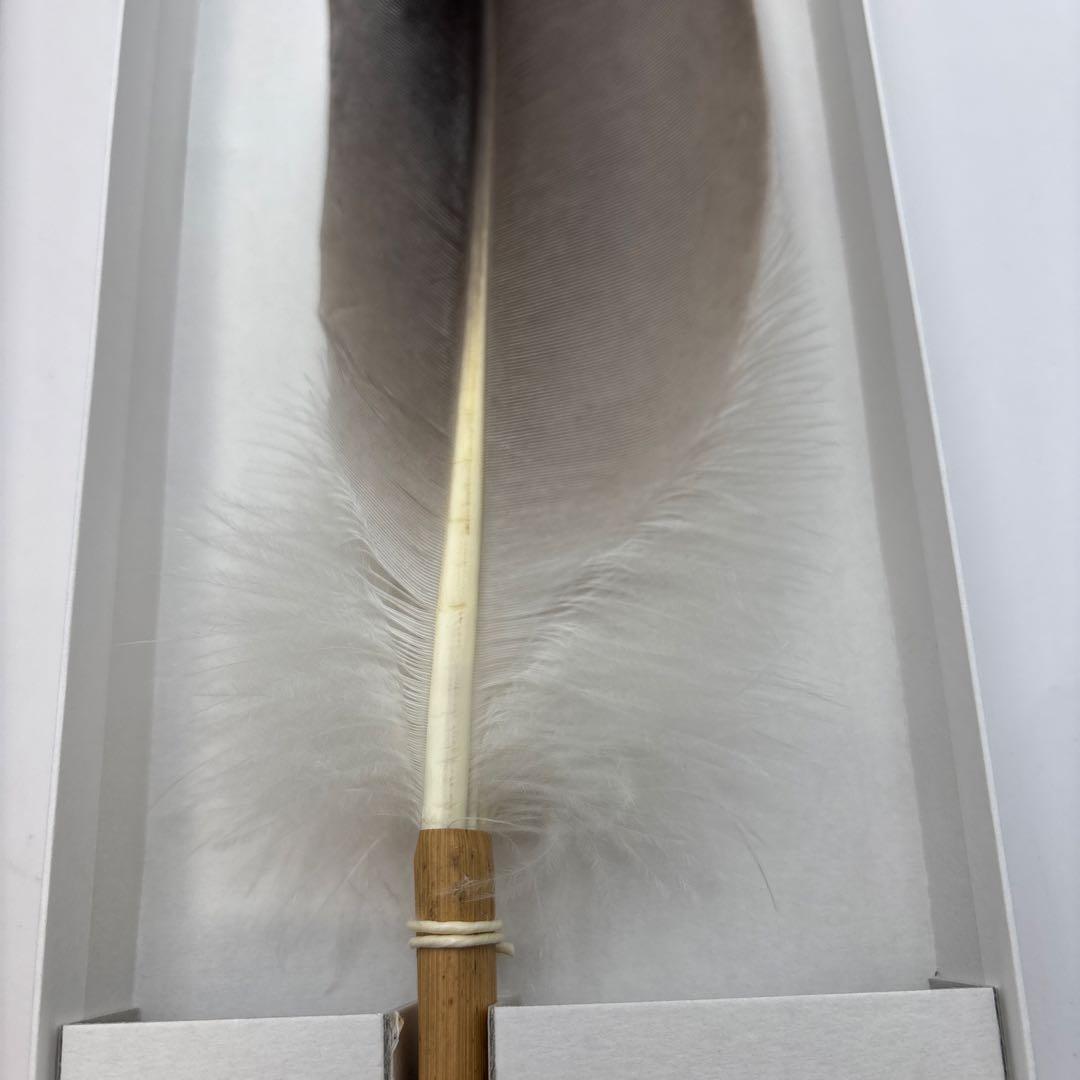
Experience Authentic Japanese Tea Culture with this Ohaboki Feather Duster. This Japanese Tea Ceremony Utensil serves as a Handcrafted Feather Broom and Furo Hearth Accessory, featuring Traditional Hawk Feather Craft and Bamboo Handle Design—a must-have for any Chado Practitioner and Art Collector.
━━━━━━━━━━━━━━━━━━━━━━
🔹 BASIC DETAILS
• **Artist**: Hohaku (箒博) — Artisan feather broom maker
• **Technique**: Three-feather (mitsu-bane) construction with silk-thread binding on bamboo handle
• **Era**: Contemporary (Late 20th – Early 21st Century)
• **Origin**: Japan
• **Material**: Natural hawk/kite feathers, bamboo handle, silk thread binding
• **Dimensions**: Length approx. 30 cm (estimated from image)
• **Box**: Paper box with artist inscription "御羽箒 箒博作" and seal, label reading "三ツ羽根 82 箒博 ネチア"
• **Condition**: Excellent — feathers retain natural luster and structure; bamboo handle with attractive aged patina; silk bindings intact
━━━━━━━━━━━━━━━━━━━━━━
🔹 CULTURAL & ARTISTIC INSIGHT
**Historical Context**
The ohaboki (御羽箒) is an indispensable utensil in the Japanese tea ceremony, used to sweep ash from the furo (風炉, portable brazier) during the charcoal-laying procedure known as sumidemae. The feather duster holds a position of quiet importance: it is one of the first objects the host handles in the presence of guests, setting the tone for the gathering. Traditionally crafted from raptor feathers—hawk, kite, or crane—the ohaboki embodies the tea ceremony's reverence for natural materials and meticulous craftsmanship.
**Technique & Aesthetic**
This example employs the mitsu-bane (three-feather) configuration specifically suited to the furo hearth. The feathers display a striking natural gradient from deep charcoal at the tip to luminous white at the base, offering an organic beauty that no artificial material could replicate. The bamboo handle is wrapped at two points with fine silk thread in traditional white, securing the quills with understated precision. The slight aging of the bamboo adds warmth and character.
**Philosophical Reflection**
_A single stroke across the ash—not to clean, but to prepare silence for what follows._
━━━━━━━━━━━━━━━━━━━━━━
🔹 DEEP-DIVE COMMENTARY
The ohaboki occupies a unique place among tea utensils. Unlike the tea bowl or the tea scoop, which engage directly with the tea itself, the feather duster addresses the space—the ash landscape of the hearth—transforming it into a canvas of intention before the charcoal is placed. In this way, the ohaboki is less a tool than a gesture: an extension of the host's awareness.
The use of natural raptor feathers carries symbolic weight in the tea tradition. Hawks and kites are creatures of the sky and mountain, and their feathers carry the memory of open air and altitude. When the host sweeps the ash with these feathers, there is a subtle invocation of nature's vast silence within the intimate space of the tea room.
Hohaku (箒博) is a specialist artisan whose name literally incorporates the character for "broom" (箒), indicating a lineage or identity deeply rooted in this craft. The paper box inscription confirms authorship and the "三ツ羽根" (three-feather) designation, while the numbered label suggests careful production records.
For collectors and practitioners, an ohaboki by a named artisan represents both functional integrity and aesthetic refinement. As tea ceremony practice grows internationally, such handcrafted utensils become increasingly valued as bridges between tradition and living practice.
━━━━━━━━━━━━━━━━━━━━━━
🔹 JAPANESE DESCRIPTION / 日本語解説
🔹 基本情報
• **作家**: 箒博(ほうはく)— 御羽箒専門の工芸職人
• **技法**: 三ツ羽根仕立て、竹柄に絹糸巻き
• **時代**: 現代(20世紀後半〜21世紀初頭)
• **産地**: 日本
• **素材**: 鷹/鳶の天然羽根、竹柄、絹糸
• **寸法**: 長さ約30cm(画像推定)
• **箱**: 紙箱(「御羽箒 箒博作」墨書・落款印付き、「三ツ羽根 82 箒博 ネチア」ラベル)
• **状態**: 良好 — 羽根の光沢・構造を保持、竹柄に味わいある時代色
🔹 文化的・芸術的解説
御羽箒は茶の湯における炭手前の必須道具であり、風炉の灰を清める際に用いられる。亭主が客前で最初に手にする道具の一つであり、席の空気を整える役割を担う。古来より鷹や鳶の羽根が用いられ、自然素材への畏敬と精緻な手仕事が凝縮されている。
本品は風炉専用の三ツ羽根仕立て。羽根先端の深い墨色から根元の純白へと移ろう自然のグラデーションは、人工素材では到底再現し得ない有機的な美しさを湛えている。竹柄の二箇所に施された白絹の糸巻きは、控えめながら確かな技を感じさせる。
🔹 詳細解説
御羽箒は茶道具の中でも独特の位置を占める。茶碗や茶杓が茶そのものに関わるのに対し、羽箒は「場」に向き合う道具である。灰の風景を整え、炭を置く前の「間」をつくる。すなわち羽箒は道具であると同時に、亭主の気配りそのものの延長といえる。
箒博は、その名に「箒」の字を冠する専門工人であり、御羽箒の制作に深く根ざした作り手である。紙箱の墨書と落款、「三ツ羽根」の仕様表記が作者と仕立ての確かさを物語る。
🔹 [ SHIPPING & PACKAGING ]
• Dispatch: Within 1-6 business days
• Carrier: Japan Post EMS / UPS (with tracking)
• Packaging: Carefully wrapped with protective materials
🔹 [ SHIPPING & PACKAGING ]
• Dispatch: Within 1-6 business days
• Carrier: Japan Post EMS / UPS (with tracking)
• Packaging: Carefully wrapped with protective materials
━━━━━━━━━━━━━━━━━━━━━━
🔹 BASIC DETAILS
• **Artist**: Hohaku (箒博) — Artisan feather broom maker
• **Technique**: Three-feather (mitsu-bane) construction with silk-thread binding on bamboo handle
• **Era**: Contemporary (Late 20th – Early 21st Century)
• **Origin**: Japan
• **Material**: Natural hawk/kite feathers, bamboo handle, silk thread binding
• **Dimensions**: Length approx. 30 cm (estimated from image)
• **Box**: Paper box with artist inscription "御羽箒 箒博作" and seal, label reading "三ツ羽根 82 箒博 ネチア"
• **Condition**: Excellent — feathers retain natural luster and structure; bamboo handle with attractive aged patina; silk bindings intact
━━━━━━━━━━━━━━━━━━━━━━
🔹 CULTURAL & ARTISTIC INSIGHT
**Historical Context**
The ohaboki (御羽箒) is an indispensable utensil in the Japanese tea ceremony, used to sweep ash from the furo (風炉, portable brazier) during the charcoal-laying procedure known as sumidemae. The feather duster holds a position of quiet importance: it is one of the first objects the host handles in the presence of guests, setting the tone for the gathering. Traditionally crafted from raptor feathers—hawk, kite, or crane—the ohaboki embodies the tea ceremony's reverence for natural materials and meticulous craftsmanship.
**Technique & Aesthetic**
This example employs the mitsu-bane (three-feather) configuration specifically suited to the furo hearth. The feathers display a striking natural gradient from deep charcoal at the tip to luminous white at the base, offering an organic beauty that no artificial material could replicate. The bamboo handle is wrapped at two points with fine silk thread in traditional white, securing the quills with understated precision. The slight aging of the bamboo adds warmth and character.
**Philosophical Reflection**
_A single stroke across the ash—not to clean, but to prepare silence for what follows._
━━━━━━━━━━━━━━━━━━━━━━
🔹 DEEP-DIVE COMMENTARY
The ohaboki occupies a unique place among tea utensils. Unlike the tea bowl or the tea scoop, which engage directly with the tea itself, the feather duster addresses the space—the ash landscape of the hearth—transforming it into a canvas of intention before the charcoal is placed. In this way, the ohaboki is less a tool than a gesture: an extension of the host's awareness.
The use of natural raptor feathers carries symbolic weight in the tea tradition. Hawks and kites are creatures of the sky and mountain, and their feathers carry the memory of open air and altitude. When the host sweeps the ash with these feathers, there is a subtle invocation of nature's vast silence within the intimate space of the tea room.
Hohaku (箒博) is a specialist artisan whose name literally incorporates the character for "broom" (箒), indicating a lineage or identity deeply rooted in this craft. The paper box inscription confirms authorship and the "三ツ羽根" (three-feather) designation, while the numbered label suggests careful production records.
For collectors and practitioners, an ohaboki by a named artisan represents both functional integrity and aesthetic refinement. As tea ceremony practice grows internationally, such handcrafted utensils become increasingly valued as bridges between tradition and living practice.
━━━━━━━━━━━━━━━━━━━━━━
🔹 JAPANESE DESCRIPTION / 日本語解説
🔹 基本情報
• **作家**: 箒博(ほうはく)— 御羽箒専門の工芸職人
• **技法**: 三ツ羽根仕立て、竹柄に絹糸巻き
• **時代**: 現代(20世紀後半〜21世紀初頭)
• **産地**: 日本
• **素材**: 鷹/鳶の天然羽根、竹柄、絹糸
• **寸法**: 長さ約30cm(画像推定)
• **箱**: 紙箱(「御羽箒 箒博作」墨書・落款印付き、「三ツ羽根 82 箒博 ネチア」ラベル)
• **状態**: 良好 — 羽根の光沢・構造を保持、竹柄に味わいある時代色
🔹 文化的・芸術的解説
御羽箒は茶の湯における炭手前の必須道具であり、風炉の灰を清める際に用いられる。亭主が客前で最初に手にする道具の一つであり、席の空気を整える役割を担う。古来より鷹や鳶の羽根が用いられ、自然素材への畏敬と精緻な手仕事が凝縮されている。
本品は風炉専用の三ツ羽根仕立て。羽根先端の深い墨色から根元の純白へと移ろう自然のグラデーションは、人工素材では到底再現し得ない有機的な美しさを湛えている。竹柄の二箇所に施された白絹の糸巻きは、控えめながら確かな技を感じさせる。
🔹 詳細解説
御羽箒は茶道具の中でも独特の位置を占める。茶碗や茶杓が茶そのものに関わるのに対し、羽箒は「場」に向き合う道具である。灰の風景を整え、炭を置く前の「間」をつくる。すなわち羽箒は道具であると同時に、亭主の気配りそのものの延長といえる。
箒博は、その名に「箒」の字を冠する専門工人であり、御羽箒の制作に深く根ざした作り手である。紙箱の墨書と落款、「三ツ羽根」の仕様表記が作者と仕立ての確かさを物語る。
🔹 [ SHIPPING & PACKAGING ]
• Dispatch: Within 1-6 business days
• Carrier: Japan Post EMS / UPS (with tracking)
• Packaging: Carefully wrapped with protective materials
🔹 [ SHIPPING & PACKAGING ]
• Dispatch: Within 1-6 business days
• Carrier: Japan Post EMS / UPS (with tracking)
• Packaging: Carefully wrapped with protective materials
Quantity
Couldn't load pickup availability
Low stock: 1 left
View full details