1
/
of
9
Nushi Kasho Kodai-ji Maki-e Gold Chrysanthemum Natsume Tomobako
Nushi Kasho Kodai-ji Maki-e Gold Chrysanthemum Natsume Tomobako
Regular price
Dhs. 758.00 AED
Regular price
Sale price
Dhs. 758.00 AED
Taxes included.
Shipping calculated at checkout.
Experience authentic Japanese maki-e lacquer artistry with this Kodai-ji Maki-e Natsume by Nushi Kasho. This gold-decorated lacquer tea caddy serves as a Chado Collectible and Momoyama Revival Piece, featuring Gold Maki-e Design and Kiku Kiri Crests—a must-have for any Japanese art enthusiast seeking Kodai-ji Style Lacquer and Maki-e Tea Caddy refinement.
━━━━━━━━━━━━━━━━━━━━
🔹 [ BASIC DETAILS ]
• Artist: Nushi Kasho (塗師 嘉祥) — lacquer master
• Type: Kodai-ji Maki-e Natsume (高台寺蒔絵棗) — gold-decorated tea caddy
• Dimensions: H ≈ 7.5 cm, D ≈ 7.2 cm
• Material: Wood core with black urushi lacquer, gold and red-gold maki-e decoration
• Motifs: Kiku (菊, chrysanthemum) roundels and Kiri (桐, paulownia) crests
• Techniques: Hira maki-e (flat gold sprinkle) and togidashi maki-e (burnished gold)
• Condition: Excellent — no chips, cracks, or gold loss
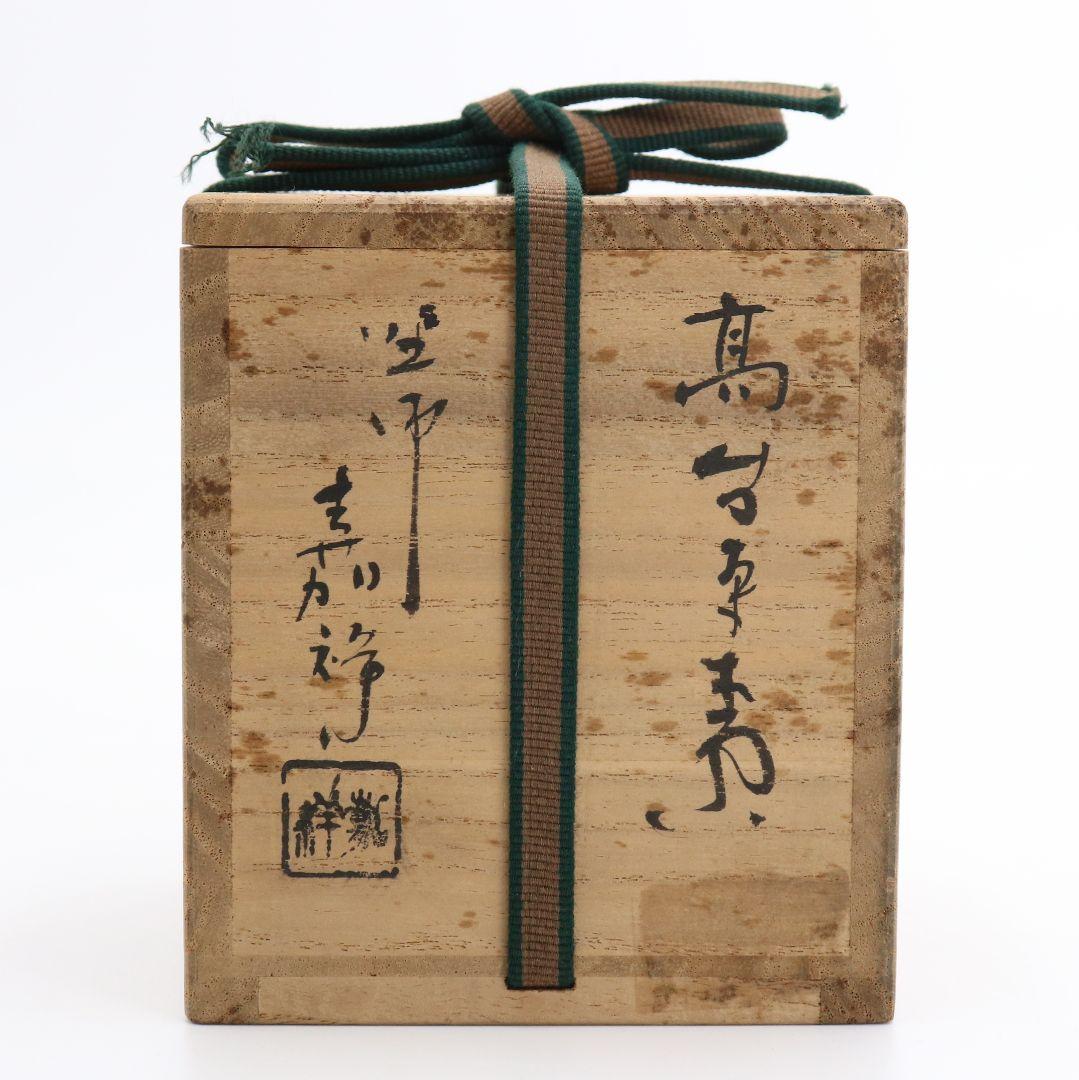
• Includes: Tomobako inscribed "高台寺蒔絵" with "嘉祥" signature
• Origin: Japan (Kodai-ji maki-e tradition, Kyoto lineage)
• Era: Showa–Heisei
━━━━━━━━━━━━━━━━━━━━
🔹 [ CULTURAL & ARTISTIC INSIGHT ]
Kodai-ji maki-e takes its name from Kodai-ji temple in Kyoto, founded in 1606 by Kita-no-Mandokoro, the widow of the great warlord Toyotomi Hideyoshi, as a memorial to her husband. The temple houses some of the most celebrated lacquerwork in Japanese history — furnishings, altar implements, and architectural panels resplendent with gold chrysanthemum and paulownia crests rendered in bold maki-e techniques. These motifs were not merely decorative: the chrysanthemum and paulownia were the personal emblems of Hideyoshi himself, symbols of imperial authority that he had been granted the privilege to use, and their deployment across the temple's lacquerwork served as an eternal proclamation of his glory.
Nushi Kasho — the title "nushi" (塗師) designating a specialist lacquer artisan — works within this Momoyama revival tradition, faithfully reinterpreting the Kodai-ji aesthetic for the tea ceremony. The scattered arrangement of chrysanthemum roundels and paulownia crests across a jet-black ground, the interplay of bright gold and warmer red-gold tones, and the combination of hira maki-e with togidashi techniques are all hallmarks of the original Kodai-ji style, here applied to the intimate scale of the natsume with precision and reverence.
*"Gold on darkness, chrysanthemum on void — the Momoyama spirit endures where lacquer meets the light."*
━━━━━━━━━━━━━━━━━━━━
🔹 [ DEEP-DIVE COMMENTARY ]
**Form & Silhouette:** The natsume presents a classic upright jujube-fruit profile with a gently domed lid and clean, swelling body that tapers subtly toward the base. At 7.5 cm tall and 7.2 cm in diameter, this is a generously proportioned natsume — comfortably filling the palm during the temae (tea procedure) and providing ample surface for the maki-e decoration to breathe. The seamless junction between lid and body, visible only as a hair-thin line, speaks to the precision of the lacquer master's turning and fitting.
**Maki-e Technique & Gold Work:** Kodai-ji maki-e characteristically employs two gold techniques in combination. Hira maki-e — the more immediate method — involves sprinkling gold powder onto wet lacquer and sealing it with a transparent coat, producing a slightly raised, textured gold surface that catches light actively. Togidashi maki-e — the more laborious method — buries the gold design under additional lacquer layers and then polishes the surface back down until the gold reappears flush with the surrounding black, creating a smooth, embedded effect with a subtler luminosity. Kasho deploys both across this natsume: some chrysanthemum roundels shimmer with the raised texture of hira maki-e, while others glow with the deeper, quieter radiance of togidashi, creating a visual rhythm of brightness and restraint across the surface.
**Motif & Symbolism:** The chrysanthemum (kiku) and paulownia (kiri) crests are loaded with meaning in the Japanese cultural lexicon. The chrysanthemum is the emblem of the Imperial House and a symbol of longevity and rejuvenation. The paulownia — with its distinctive tri-lobed leaf clusters and pendant flower sprays — was historically granted as a crest to those who had earned the emperor's favor, most famously to Toyotomi Hideyoshi. Their pairing on Kodai-ji lacquerwork thus carries dual resonance: imperial grace and warrior ambition, permanence and glory. On this natsume, the crests float in varying sizes and orientations across the black ground, some in bright gold and others in warmer red-gold tones, creating an asymmetric composition that avoids repetition while maintaining visual unity.
**Interior & Box Inscription:** The interior is finished in clean black lacquer — a standard of quality indicating that even the hidden surfaces receive full treatment. The tomobako bears the inscription "高台寺蒔絵" (Kodai-ji maki-e), directly naming the tradition, alongside the artist signature "嘉祥" (Kasho). This explicit identification of technique and lineage is significant: it tells the tea practitioner exactly which aesthetic world this natsume inhabits, allowing informed selection for a gathering whose theme might evoke Momoyama grandeur, autumnal elegance, or imperial associations.
━━━━━━━━━━━━━━━━━━━━
🔹 [ 日本語解説 ]
【基本情報】
• 作家:塗師 嘉祥
• 作品:高台寺蒔絵 棗(菊桐紋)
• 寸法:高さ約7.5cm、径約7.2cm
• 素材:木地に黒漆、金蒔絵(平蒔絵・研出蒔絵)
• 文様:菊花丸紋・桐紋
• 付属:共箱(「高台寺蒔絵」銘、「嘉祥」署名)
• 産地:日本(京都系高台寺蒔絵の系譜)
• 時代:昭和〜平成
【解説】
高台寺蒔絵は、豊臣秀吉の菩提を弔うため北政所が建立した京都・高台寺に伝わる桃山時代の漆芸様式です。黒漆地に金の菊桐紋を散らす大胆かつ華麗な意匠は、桃山文化の精華として今なお多くの漆芸家に影響を与え続けています。
塗師嘉祥は、この高台寺蒔絵の伝統を茶道具に昇華させた作家です。本作の棗は、平蒔絵と研出蒔絵を巧みに使い分け、菊花丸紋と桐紋を大小さまざまに配しています。明るい金と赤みを帯びた金の色調変化が、黒漆の深い艶の上で華やかな競演を見せ、まさに桃山の雅を掌中に感じさせます。内部は黒漆仕上げで、見えない部分まで手を抜かない塗師の矜持が窺えます。茶席では菊月の取り合わせや、格調高い正客への一服に相応しい逸品です。
━━━━━━━━━━━━━━━━━━━━
🔹 [ SHIPPING & PACKAGING ]
• Dispatch: Within 1-6 business days
• Carrier: Japan Post EMS / UPS (with tracking)
• Packaging: Carefully wrapped with protective materials
*"Chrysanthemum and paulownia, gold upon eternal black — from Kodai-ji's silence, the splendor of Momoyama crosses the sea."*
━━━━━━━━━━━━━━━━━━━━
🔹 [ BASIC DETAILS ]
• Artist: Nushi Kasho (塗師 嘉祥) — lacquer master
• Type: Kodai-ji Maki-e Natsume (高台寺蒔絵棗) — gold-decorated tea caddy
• Dimensions: H ≈ 7.5 cm, D ≈ 7.2 cm
• Material: Wood core with black urushi lacquer, gold and red-gold maki-e decoration
• Motifs: Kiku (菊, chrysanthemum) roundels and Kiri (桐, paulownia) crests
• Techniques: Hira maki-e (flat gold sprinkle) and togidashi maki-e (burnished gold)
• Condition: Excellent — no chips, cracks, or gold loss
• Includes: Tomobako inscribed "高台寺蒔絵" with "嘉祥" signature
• Origin: Japan (Kodai-ji maki-e tradition, Kyoto lineage)
• Era: Showa–Heisei
━━━━━━━━━━━━━━━━━━━━
🔹 [ CULTURAL & ARTISTIC INSIGHT ]
Kodai-ji maki-e takes its name from Kodai-ji temple in Kyoto, founded in 1606 by Kita-no-Mandokoro, the widow of the great warlord Toyotomi Hideyoshi, as a memorial to her husband. The temple houses some of the most celebrated lacquerwork in Japanese history — furnishings, altar implements, and architectural panels resplendent with gold chrysanthemum and paulownia crests rendered in bold maki-e techniques. These motifs were not merely decorative: the chrysanthemum and paulownia were the personal emblems of Hideyoshi himself, symbols of imperial authority that he had been granted the privilege to use, and their deployment across the temple's lacquerwork served as an eternal proclamation of his glory.
Nushi Kasho — the title "nushi" (塗師) designating a specialist lacquer artisan — works within this Momoyama revival tradition, faithfully reinterpreting the Kodai-ji aesthetic for the tea ceremony. The scattered arrangement of chrysanthemum roundels and paulownia crests across a jet-black ground, the interplay of bright gold and warmer red-gold tones, and the combination of hira maki-e with togidashi techniques are all hallmarks of the original Kodai-ji style, here applied to the intimate scale of the natsume with precision and reverence.
*"Gold on darkness, chrysanthemum on void — the Momoyama spirit endures where lacquer meets the light."*
━━━━━━━━━━━━━━━━━━━━
🔹 [ DEEP-DIVE COMMENTARY ]
**Form & Silhouette:** The natsume presents a classic upright jujube-fruit profile with a gently domed lid and clean, swelling body that tapers subtly toward the base. At 7.5 cm tall and 7.2 cm in diameter, this is a generously proportioned natsume — comfortably filling the palm during the temae (tea procedure) and providing ample surface for the maki-e decoration to breathe. The seamless junction between lid and body, visible only as a hair-thin line, speaks to the precision of the lacquer master's turning and fitting.
**Maki-e Technique & Gold Work:** Kodai-ji maki-e characteristically employs two gold techniques in combination. Hira maki-e — the more immediate method — involves sprinkling gold powder onto wet lacquer and sealing it with a transparent coat, producing a slightly raised, textured gold surface that catches light actively. Togidashi maki-e — the more laborious method — buries the gold design under additional lacquer layers and then polishes the surface back down until the gold reappears flush with the surrounding black, creating a smooth, embedded effect with a subtler luminosity. Kasho deploys both across this natsume: some chrysanthemum roundels shimmer with the raised texture of hira maki-e, while others glow with the deeper, quieter radiance of togidashi, creating a visual rhythm of brightness and restraint across the surface.
**Motif & Symbolism:** The chrysanthemum (kiku) and paulownia (kiri) crests are loaded with meaning in the Japanese cultural lexicon. The chrysanthemum is the emblem of the Imperial House and a symbol of longevity and rejuvenation. The paulownia — with its distinctive tri-lobed leaf clusters and pendant flower sprays — was historically granted as a crest to those who had earned the emperor's favor, most famously to Toyotomi Hideyoshi. Their pairing on Kodai-ji lacquerwork thus carries dual resonance: imperial grace and warrior ambition, permanence and glory. On this natsume, the crests float in varying sizes and orientations across the black ground, some in bright gold and others in warmer red-gold tones, creating an asymmetric composition that avoids repetition while maintaining visual unity.
**Interior & Box Inscription:** The interior is finished in clean black lacquer — a standard of quality indicating that even the hidden surfaces receive full treatment. The tomobako bears the inscription "高台寺蒔絵" (Kodai-ji maki-e), directly naming the tradition, alongside the artist signature "嘉祥" (Kasho). This explicit identification of technique and lineage is significant: it tells the tea practitioner exactly which aesthetic world this natsume inhabits, allowing informed selection for a gathering whose theme might evoke Momoyama grandeur, autumnal elegance, or imperial associations.
━━━━━━━━━━━━━━━━━━━━
🔹 [ 日本語解説 ]
【基本情報】
• 作家:塗師 嘉祥
• 作品:高台寺蒔絵 棗(菊桐紋)
• 寸法:高さ約7.5cm、径約7.2cm
• 素材:木地に黒漆、金蒔絵(平蒔絵・研出蒔絵)
• 文様:菊花丸紋・桐紋
• 付属:共箱(「高台寺蒔絵」銘、「嘉祥」署名)
• 産地:日本(京都系高台寺蒔絵の系譜)
• 時代:昭和〜平成
【解説】
高台寺蒔絵は、豊臣秀吉の菩提を弔うため北政所が建立した京都・高台寺に伝わる桃山時代の漆芸様式です。黒漆地に金の菊桐紋を散らす大胆かつ華麗な意匠は、桃山文化の精華として今なお多くの漆芸家に影響を与え続けています。
塗師嘉祥は、この高台寺蒔絵の伝統を茶道具に昇華させた作家です。本作の棗は、平蒔絵と研出蒔絵を巧みに使い分け、菊花丸紋と桐紋を大小さまざまに配しています。明るい金と赤みを帯びた金の色調変化が、黒漆の深い艶の上で華やかな競演を見せ、まさに桃山の雅を掌中に感じさせます。内部は黒漆仕上げで、見えない部分まで手を抜かない塗師の矜持が窺えます。茶席では菊月の取り合わせや、格調高い正客への一服に相応しい逸品です。
━━━━━━━━━━━━━━━━━━━━
🔹 [ SHIPPING & PACKAGING ]
• Dispatch: Within 1-6 business days
• Carrier: Japan Post EMS / UPS (with tracking)
• Packaging: Carefully wrapped with protective materials
*"Chrysanthemum and paulownia, gold upon eternal black — from Kodai-ji's silence, the splendor of Momoyama crosses the sea."*
Quantity
Couldn't load pickup availability
Low stock: 1 left
View full details