1
/
of
9
Nishikawa Minoru Iron Glaze Chawan Tea Bowl with Tomobako
Nishikawa Minoru Iron Glaze Chawan Tea Bowl with Tomobako
Regular price
Dhs. 650.00 AED
Regular price
Sale price
Dhs. 650.00 AED
Taxes included.
Shipping calculated at checkout.
Weight without mass. This chawan by Nishikawa Minoru (西川実) is built in a sturdy cylindrical form — the tsutsu-gata shape favored by Urasenke for winter temae — finished in a deep iron-red glaze that shifts through rust, mahogany, and near-black across its surface. Where the black overglaze pools and runs, the two glazes become a single weather event recorded in fired clay.
The hand of the maker is present in the slight asymmetry of the rim, in the unevenness of the glaze edges, in the way the foot ring was cut — each a decision that distinguishes a thrown bowl from a manufactured vessel. The interior holds the accumulated warmth of iron fired at high temperature: dark, dense, alive.
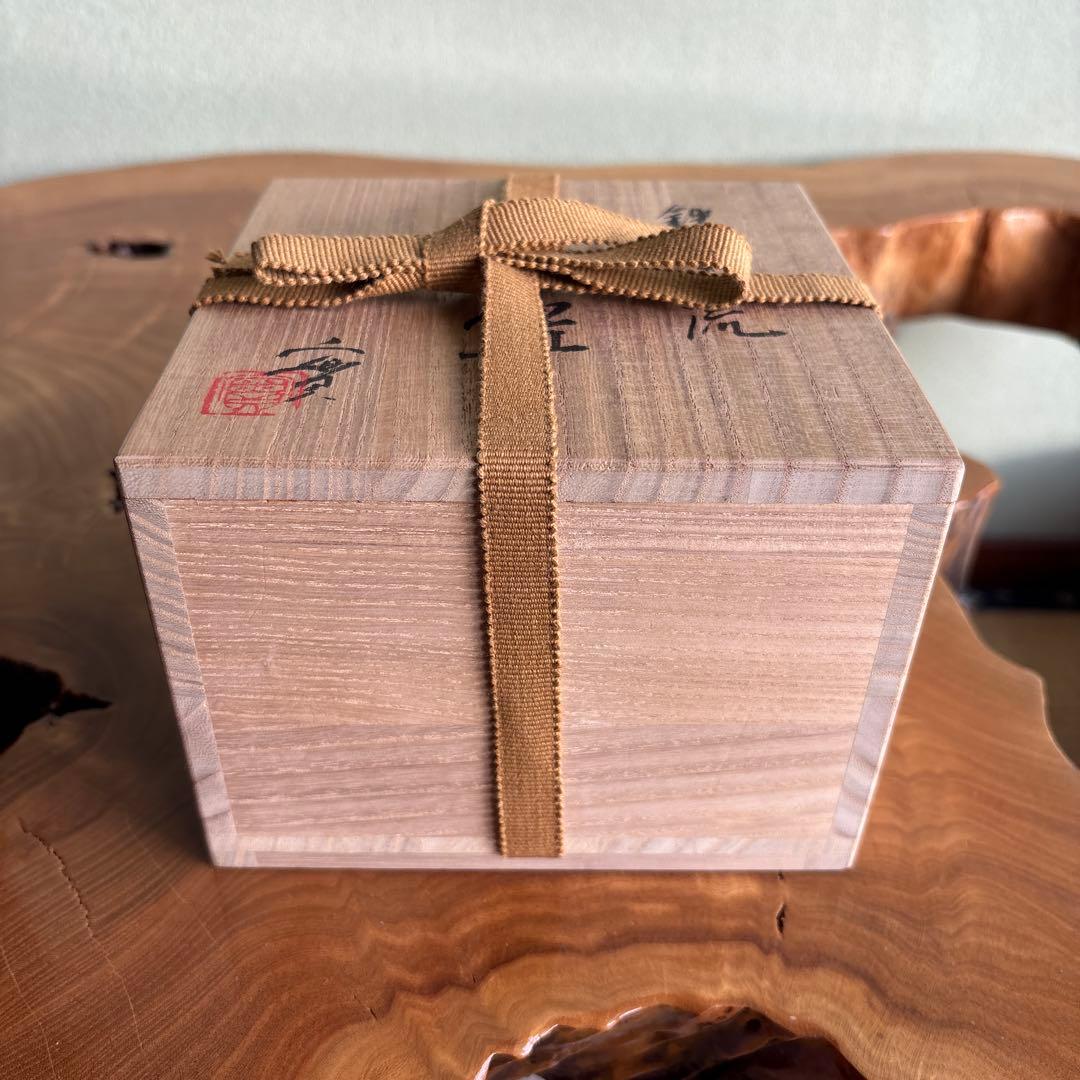
Included: tomobako (original wooden box) with brush inscription.
━━━━━━━━━━━━━━━━━━━━━━━━
[ BASIC DETAILS ]
• Type: Chawan (matcha tea bowl)
• Dimensions: Approx. D 11 cm × H 7 cm
• Technique: Tetsu-yuu (iron glaze) with black overglaze pour
• Condition: Good vintage condition; no chips or cracks
• Provenance: Tomobako with brush inscription
━━━━━━━━━━━━━━━━━━━━━━━━
Tetsu-yuu — iron glaze — is one of the foundational materials of Japanese ceramic art. At high kiln temperatures, iron oxide transforms: what enters as rust-red exits as deep amber, chocolate, or near-black depending on atmosphere and thickness. Nishikawa Minoru's command of this transformation is visible in the surface of this bowl, where the two glazes interpenetrate rather than simply overlap.
The tsutsu-gata (cylindrical) chawan keeps warmth in the bowl longer than a wide, open form — a functional decision made centuries ago that now reads as aesthetic gravity. This bowl belongs in a tea room where the point of matcha is not the performance but the moment of contact between hands and fired clay.
━━━━━━━━━━━━━━━━━━━━━━━━
【日本語説明】
西川実(實)作、鉄釉茶碗。赤褐色の鉄釉に黒釉を流し掛けした力強い筒形の茶碗。口縁の微妙な歪みと釉薬の表情に作者の手仕事の痕跡が見て取れる。共箱付。状態良好。
━━━━━━━━━━━━━━━━━━━━━━━━
🔹 [ SHIPPING & PACKAGING ]
• Dispatch: Within 1-6 business days
• Carrier: Japan Post EMS / UPS (with tracking)
• Packaging: Carefully wrapped with protective materials
The hand of the maker is present in the slight asymmetry of the rim, in the unevenness of the glaze edges, in the way the foot ring was cut — each a decision that distinguishes a thrown bowl from a manufactured vessel. The interior holds the accumulated warmth of iron fired at high temperature: dark, dense, alive.
Included: tomobako (original wooden box) with brush inscription.
━━━━━━━━━━━━━━━━━━━━━━━━
[ BASIC DETAILS ]
• Type: Chawan (matcha tea bowl)
• Dimensions: Approx. D 11 cm × H 7 cm
• Technique: Tetsu-yuu (iron glaze) with black overglaze pour
• Condition: Good vintage condition; no chips or cracks
• Provenance: Tomobako with brush inscription
━━━━━━━━━━━━━━━━━━━━━━━━
Tetsu-yuu — iron glaze — is one of the foundational materials of Japanese ceramic art. At high kiln temperatures, iron oxide transforms: what enters as rust-red exits as deep amber, chocolate, or near-black depending on atmosphere and thickness. Nishikawa Minoru's command of this transformation is visible in the surface of this bowl, where the two glazes interpenetrate rather than simply overlap.
The tsutsu-gata (cylindrical) chawan keeps warmth in the bowl longer than a wide, open form — a functional decision made centuries ago that now reads as aesthetic gravity. This bowl belongs in a tea room where the point of matcha is not the performance but the moment of contact between hands and fired clay.
━━━━━━━━━━━━━━━━━━━━━━━━
【日本語説明】
西川実(實)作、鉄釉茶碗。赤褐色の鉄釉に黒釉を流し掛けした力強い筒形の茶碗。口縁の微妙な歪みと釉薬の表情に作者の手仕事の痕跡が見て取れる。共箱付。状態良好。
━━━━━━━━━━━━━━━━━━━━━━━━
🔹 [ SHIPPING & PACKAGING ]
• Dispatch: Within 1-6 business days
• Carrier: Japan Post EMS / UPS (with tracking)
• Packaging: Carefully wrapped with protective materials
Quantity
Couldn't load pickup availability
Low stock: 1 left
View full details