1
/
of
10
Ninsei-Style Standing Hina Dolls Chawan Tea Bowl by Tanaka Juho
Ninsei-Style Standing Hina Dolls Chawan Tea Bowl by Tanaka Juho
Regular price
Dhs. 820.00 AED
Regular price
Sale price
Dhs. 820.00 AED
Taxes included.
Shipping calculated at checkout.
A hina matsuri chawan depicting standing hina dolls in the ninsei style pottery tradition by Tanaka Juho artist. This Japanese tea bowl features gold enamel tea bowl technique with polychrome enamel on kyo-yaki ceramics — a seasonal ceramic art piece and girls day tea bowl for the matcha tea ceremony, presented in tomobako signed box.
🔹 [ Basic Details ]
• Artist: Tanaka Juho (田中寿宝)
• Technique: Ninsei-utsushi (仁清写) — Ninsei-style overglaze enamel with gold and polychrome painting
• Era: Contemporary (Heisei–Reiwa period)
• Origin: Kyoto, Japan
• Form: Chawan (茶碗) — tea bowl for matcha
• Dimensions: H approx. 7.8 cm × Dia approx. 13 cm
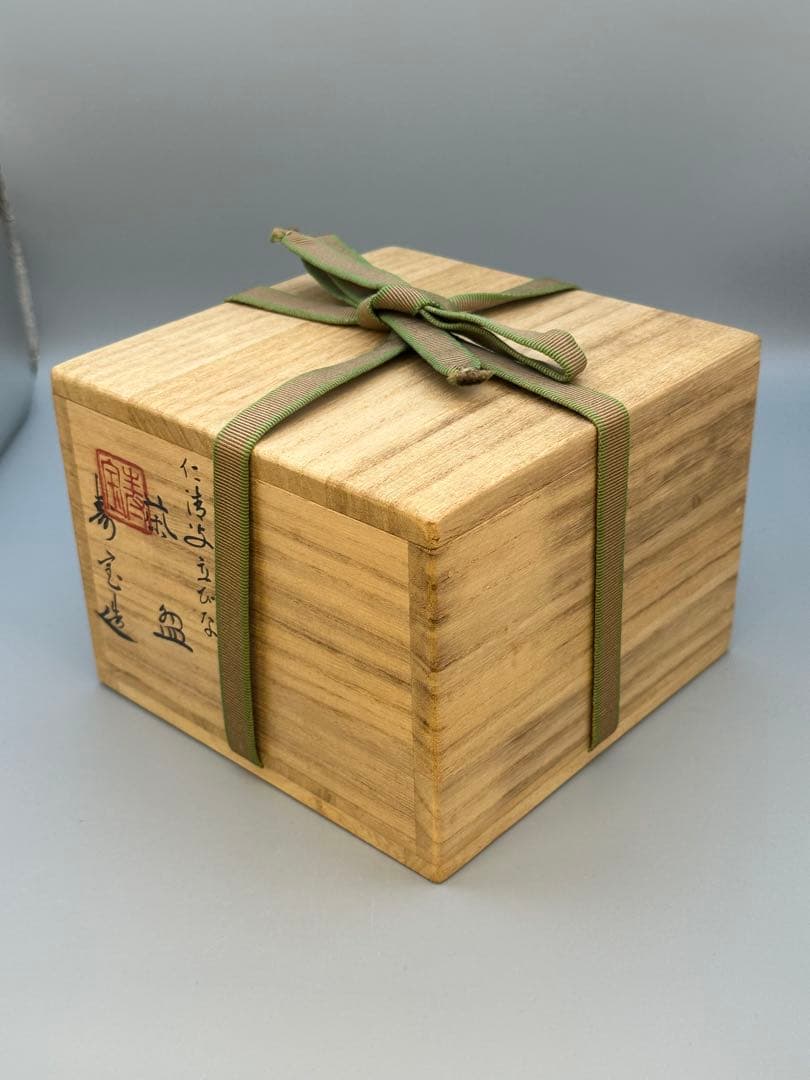
• Box: Tomobako (共箱) inscribed "仁清写 たちひな 茶碗" with "寿宝造" seal
• Condition: Good — clean, no notable damage or stains
🔹 [ Cultural & Artistic Insight ]
Every March 3rd, Japan celebrates Hina Matsuri (雛祠り) — the Doll Festival, also known as Girls' Day. Families display tiered platforms of ornamental dolls representing the imperial court, and the celebration carries wishes for the health and happiness of daughters. The standing hina (tachi-bina 立ち雛) represents the earliest, most essential form of these dolls — before the elaborate seated displays of later centuries, the figures stood: simple, dignified, upright.
Tanaka Juho has painted this ancient motif onto a tea bowl in the Ninsei tradition. The Emperor stands tall in gold-accented robes bearing asanoha (hemp leaf) patterns; the Empress beside him in layered ceremonial dress. Pine branches (matsu) surround the figures — evergreen symbols of constancy and longevity. The warm cream body of the Kyo-yaki clay provides a luminous ground for the intricate enamelwork, and gold dust scattered across the upper portion suggests festive atmosphere without excess.
This is a bowl with a specific season and a specific purpose: to mark the threshold of spring with an image of continuity across generations.
🔹 [ Deep-Dive Commentary ]
■ The Ninsei Legacy in Kyo-yaki
Nonomura Ninsei (野々村仁清, active mid-17th century) is considered the founder of Kyo-yaki — Kyoto-style ceramics. His innovation was the application of elegant overglaze enamel decoration to refined pottery forms, creating works that bridged the gap between folk craft and aristocratic art. Ninsei-utsushi (works in the style of Ninsei) continues this aesthetic: warm clay bodies, restrained forms, and painted surfaces that treat the bowl as a stage for narrative imagery. Tanaka Juho works within this lineage, maintaining the Ninsei emphasis on pictorial storytelling through ceramic surface.
■ Tachi-bina: The Standing Form
The standing hina doll predates the familiar tiered display by centuries. In its earliest form, hina were simple paper or clay figures used in purification rituals — stood upright, then floated down rivers to carry away impurity. The tachi-bina preserves this ancient verticality. On this bowl, the standing posture of both Emperor and Empress carries the dignity of ceremony without the stiffness of formality. They stand as witnesses to the season, not as decorative objects but as embodied wishes.
■ Seasonal Use in Tea Practice
In the tea ceremony calendar, Hina Matsuri bowls appear in late February through early March. The host's selection of a hina-themed bowl signals awareness of the approaching festival and, by extension, an attentiveness to family, tradition, and the passage from winter to spring. The standing hina motif carries particular resonance in the tea room, where standing — being upright, being present — is itself a form of practice.
■ Gold and Color: The Kyo-yaki Palette
The rich palette of this bowl — gold, red, green, and detailed patterning — reflects the decorative arts tradition of Kyoto. The asanoha (hemp leaf) pattern on the robes is one of Japan's most enduring geometric motifs, symbolizing healthy growth. Pine (matsu) signifies longevity and steadfastness. Together with gold, these elements create a composition that celebrates without ostentation — festive in spirit, disciplined in execution.
🔹 [ 日本語解説 ]
田中寿宝作 仁清写立ち雛茶碗。雛祠りの席にふさわしい、立ち雛を描いた京焼の茶碗です。
毎年3月3日の雛祠りは、娘の健やかな成長を願う行事です。立ち雛(たちびな)は雛人形の最も古い形態を伝えるもので、後世の豪華な段飾り以前、人形は立ったままの姿でした。紙や土で作られた形代(かたしろ)を川に流して穢れを祓う祭祀に由来します。
野々村仁清(17世紀中期活動)は京焼の祖とされ、洗練された器形に優雅な上絵付けを施す様式を確立しました。仁清写とは、この美意識を受け継ぐ作品群です。本作では、帝が金彩の麻の葉文様の装束に身を包み、后が十二単の衣裳をまとって立っています。松の枝が両者を囲み、常緑の永続性を象徴します。
茶の湯の暦において、雛の茶碗は2月末から3月初旬にかけて登場します。亭主が雛の意匠の茶碗を選ぶことは、近づく祭りへの覚醒と、家族・伝統・季節の移ろいへの細やかな注意を示すものです。
共箱には「仁清写 たちひな 茶碗」の箱書きと「寿宝造」の印があります。
寸法:高さ約7.8cm × 径約13cm
状態:良好。綺麗な状態です。
🔹 [ SHIPPING & PACKAGING ]
• Dispatch: Within 1-6 business days
• Carrier: Japan Post EMS / UPS (with tracking)
• Packaging: Carefully wrapped with protective materials
🔹 [ Basic Details ]
• Artist: Tanaka Juho (田中寿宝)
• Technique: Ninsei-utsushi (仁清写) — Ninsei-style overglaze enamel with gold and polychrome painting
• Era: Contemporary (Heisei–Reiwa period)
• Origin: Kyoto, Japan
• Form: Chawan (茶碗) — tea bowl for matcha
• Dimensions: H approx. 7.8 cm × Dia approx. 13 cm
• Box: Tomobako (共箱) inscribed "仁清写 たちひな 茶碗" with "寿宝造" seal
• Condition: Good — clean, no notable damage or stains
🔹 [ Cultural & Artistic Insight ]
Every March 3rd, Japan celebrates Hina Matsuri (雛祠り) — the Doll Festival, also known as Girls' Day. Families display tiered platforms of ornamental dolls representing the imperial court, and the celebration carries wishes for the health and happiness of daughters. The standing hina (tachi-bina 立ち雛) represents the earliest, most essential form of these dolls — before the elaborate seated displays of later centuries, the figures stood: simple, dignified, upright.
Tanaka Juho has painted this ancient motif onto a tea bowl in the Ninsei tradition. The Emperor stands tall in gold-accented robes bearing asanoha (hemp leaf) patterns; the Empress beside him in layered ceremonial dress. Pine branches (matsu) surround the figures — evergreen symbols of constancy and longevity. The warm cream body of the Kyo-yaki clay provides a luminous ground for the intricate enamelwork, and gold dust scattered across the upper portion suggests festive atmosphere without excess.
This is a bowl with a specific season and a specific purpose: to mark the threshold of spring with an image of continuity across generations.
🔹 [ Deep-Dive Commentary ]
■ The Ninsei Legacy in Kyo-yaki
Nonomura Ninsei (野々村仁清, active mid-17th century) is considered the founder of Kyo-yaki — Kyoto-style ceramics. His innovation was the application of elegant overglaze enamel decoration to refined pottery forms, creating works that bridged the gap between folk craft and aristocratic art. Ninsei-utsushi (works in the style of Ninsei) continues this aesthetic: warm clay bodies, restrained forms, and painted surfaces that treat the bowl as a stage for narrative imagery. Tanaka Juho works within this lineage, maintaining the Ninsei emphasis on pictorial storytelling through ceramic surface.
■ Tachi-bina: The Standing Form
The standing hina doll predates the familiar tiered display by centuries. In its earliest form, hina were simple paper or clay figures used in purification rituals — stood upright, then floated down rivers to carry away impurity. The tachi-bina preserves this ancient verticality. On this bowl, the standing posture of both Emperor and Empress carries the dignity of ceremony without the stiffness of formality. They stand as witnesses to the season, not as decorative objects but as embodied wishes.
■ Seasonal Use in Tea Practice
In the tea ceremony calendar, Hina Matsuri bowls appear in late February through early March. The host's selection of a hina-themed bowl signals awareness of the approaching festival and, by extension, an attentiveness to family, tradition, and the passage from winter to spring. The standing hina motif carries particular resonance in the tea room, where standing — being upright, being present — is itself a form of practice.
■ Gold and Color: The Kyo-yaki Palette
The rich palette of this bowl — gold, red, green, and detailed patterning — reflects the decorative arts tradition of Kyoto. The asanoha (hemp leaf) pattern on the robes is one of Japan's most enduring geometric motifs, symbolizing healthy growth. Pine (matsu) signifies longevity and steadfastness. Together with gold, these elements create a composition that celebrates without ostentation — festive in spirit, disciplined in execution.
🔹 [ 日本語解説 ]
田中寿宝作 仁清写立ち雛茶碗。雛祠りの席にふさわしい、立ち雛を描いた京焼の茶碗です。
毎年3月3日の雛祠りは、娘の健やかな成長を願う行事です。立ち雛(たちびな)は雛人形の最も古い形態を伝えるもので、後世の豪華な段飾り以前、人形は立ったままの姿でした。紙や土で作られた形代(かたしろ)を川に流して穢れを祓う祭祀に由来します。
野々村仁清(17世紀中期活動)は京焼の祖とされ、洗練された器形に優雅な上絵付けを施す様式を確立しました。仁清写とは、この美意識を受け継ぐ作品群です。本作では、帝が金彩の麻の葉文様の装束に身を包み、后が十二単の衣裳をまとって立っています。松の枝が両者を囲み、常緑の永続性を象徴します。
茶の湯の暦において、雛の茶碗は2月末から3月初旬にかけて登場します。亭主が雛の意匠の茶碗を選ぶことは、近づく祭りへの覚醒と、家族・伝統・季節の移ろいへの細やかな注意を示すものです。
共箱には「仁清写 たちひな 茶碗」の箱書きと「寿宝造」の印があります。
寸法:高さ約7.8cm × 径約13cm
状態:良好。綺麗な状態です。
🔹 [ SHIPPING & PACKAGING ]
• Dispatch: Within 1-6 business days
• Carrier: Japan Post EMS / UPS (with tracking)
• Packaging: Carefully wrapped with protective materials
Quantity
Couldn't load pickup availability
Out of stock
View full details