1
/
of
9
Ninsei-Style Silver Diamond Tsutsuchawan by Tezuka Toho, Kyoto
Ninsei-Style Silver Diamond Tsutsuchawan by Tezuka Toho, Kyoto
Regular price
Dhs. 1,306.00 AED
Regular price
Sale price
Dhs. 1,306.00 AED
Taxes included.
Shipping calculated at checkout.
Experience authentic Japanese tea culture with this Ninsei-Style Silver Diamond Tsutsuchawan by Tezuka Toho. This Kyo-yaki cylindrical winter tea bowl serves as a Ninsei-utsushi masterwork and decorative chawan, featuring geometric gold-silver diamond lattice and teal karakusa arabesques—a must-have for any collector seeking Kyoto ceramic artistry and ornamental tea culture.
━━━━━━━━━━━━━━━━━━━━
🔹 [ BASIC DETAILS ]
• Artist: Tezuka Toho (手塚桐鳳), Kyoto
• Technique: Ninsei-utsushi (仁清写) — overglaze enamel with gold and silver geometric patterning
• Era: Heisei period
• Origin: Kyoto, Japan (Kyo-yaki)
• Dimensions: 9.8 cm × 9.4 cm (approx. 3.9" × 3.7")
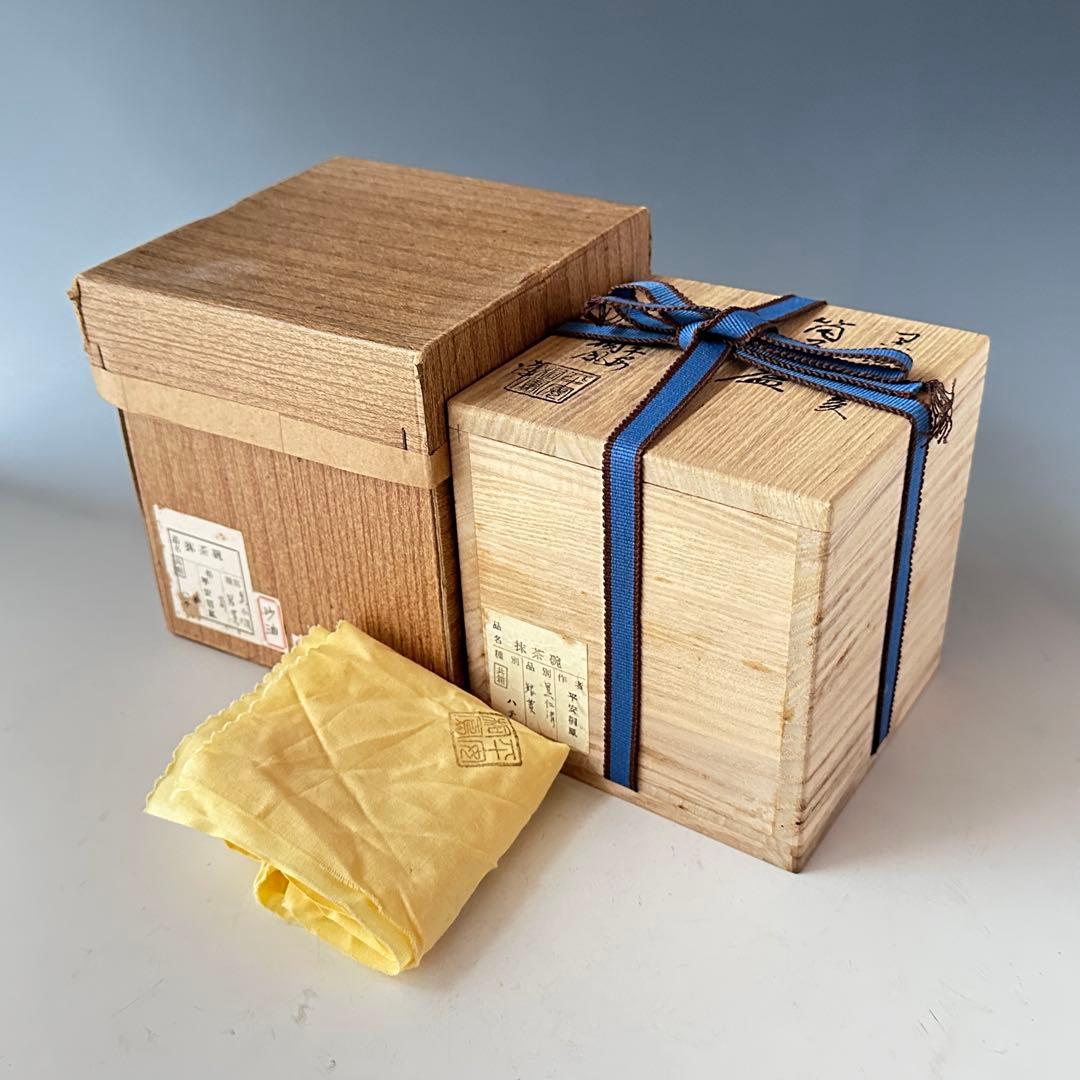
• Box: Signed wooden box (共箱) inscribed 平安 桐鳳 with artist seal
• Condition: Excellent — no chips, cracks, or repairs
━━━━━━━━━━━━━━━━━━━━
🔹 [ CULTURAL & ARTISTIC INSIGHT ]
Nonomura Ninsei (野々村仁清), active in 17th-century Kyoto, transformed Japanese ceramics by introducing lavish overglaze enamel decoration to tea ware. His polychrome surfaces — gold, silver, red, and green over refined clay bodies — broke decisively from the austere wabi aesthetic that dominated the tea world. The tradition of "Ninsei-utsushi" (仁清写, Ninsei-copy) that followed is not mere imitation; it is a disciplined act of lineage, in which later potters study and internalize Ninsei's methods to carry forward the decorative intelligence of Kyo-yaki.
Tezuka Toho works within this lineage with precision and confidence. The gin-bishi (銀菱) motif — a repeating geometric lattice of silver and gold diamonds outlined in red — is an unusual choice, departing from the floral and landscape subjects more commonly associated with Ninsei-school work. The result is architectonic rather than pastoral, lending the bowl a formal clarity that speaks to the mathematical dimension of Japanese decorative arts.
*"Where wabi finds beauty in absence, Ninsei found it in the courage of presence — color answering color, surface answering light."*
━━━━━━━━━━━━━━━━━━━━
🔹 [ DEEP-DIVE COMMENTARY ]
**The Tsutsuchawan Form and Winter Practice**: The cylindrical tsutsuchawan is purpose-built for the colder months of chanoyu. Its tall, narrow walls retain heat far longer than the wide, shallow natsu-chawan used in summer. Holding this bowl during a winter gathering, the warmth radiates through the palms — function and sensation unified.
**Gin-Bishi: The Geometry of Intent**: The silver diamond pattern (銀菱) draws from textile and lacquerware traditions rather than ceramic convention. Each diamond is precisely outlined in red overglaze, filled with alternating gold and silver, creating a lattice that catches light at shifting angles. This is decoration as architecture — every element placed with deliberate density of intention.
**The Two-World Composition**: The bowl divides into two contrasting registers. The upper half presents the gin-bishi lattice on a cream ground — luminous, formal, controlled. The lower half shifts to a black ground bearing teal and turquoise karakusa (唐草) cloud-scroll motifs accented with red and gold. The transition between these two zones is the compositional event of the piece, a dialogue between geometric order and organic movement.
**Kyo-yaki and the Decorative Tradition**: Kyoto ceramics (京焼) have always occupied the opposite pole from the rough, earth-toned wares of Bizen, Shigaraki, or Iga. Where those traditions seek the beauty of accident and restraint, Kyo-yaki celebrates the mastery of surface — the potter's ability to orchestrate color, pattern, and glaze across a form with total control. Tezuka Toho's work sits firmly in this tradition of ornamental conviction.
━━━━━━━━━━━━━━━━━━━━
🔹 [ 日本語解説 ]
【基本情報】
• 作家:手塚桐鳳(平安)
• 技法:仁清写・上絵付(金銀菱文様)
• 産地:京都(京焼)
• 寸法:径9.8cm × 高さ9.4cm
• 付属:共箱(署名・印あり)
• 状態:良好
【解説】
野々村仁清の装飾美学を継承する「仁清写」の筒茶碗です。上半分には銀と金の菱文様を白地に整然と配し、下半分には黒地に青緑の唐草文様を金彩・赤彩で展開しています。冬季の茶席に適した筒形は、点てた茶の温もりを長く保ちます。
京焼の本流である華やかな加飾の系譜に位置する作品であり、侘びの美学とは対極にある「装飾の覚悟」を示しています。幾何学的な菱文と有機的な唐草の対比が、一碗の中に二つの世界を構築しています。
━━━━━━━━━━━━━━━━━━━━
🔹 [ SHIPPING & PACKAGING ]
• Dispatch: Within 1-6 business days
• Carrier: Japan Post EMS / UPS (with tracking)
• Packaging: Carefully wrapped with protective materials
*A winter vessel carrying four centuries of decorative lineage — geometry, color, and the quiet weight of Kyoto tradition.*
━━━━━━━━━━━━━━━━━━━━
🔹 [ BASIC DETAILS ]
• Artist: Tezuka Toho (手塚桐鳳), Kyoto
• Technique: Ninsei-utsushi (仁清写) — overglaze enamel with gold and silver geometric patterning
• Era: Heisei period
• Origin: Kyoto, Japan (Kyo-yaki)
• Dimensions: 9.8 cm × 9.4 cm (approx. 3.9" × 3.7")
• Box: Signed wooden box (共箱) inscribed 平安 桐鳳 with artist seal
• Condition: Excellent — no chips, cracks, or repairs
━━━━━━━━━━━━━━━━━━━━
🔹 [ CULTURAL & ARTISTIC INSIGHT ]
Nonomura Ninsei (野々村仁清), active in 17th-century Kyoto, transformed Japanese ceramics by introducing lavish overglaze enamel decoration to tea ware. His polychrome surfaces — gold, silver, red, and green over refined clay bodies — broke decisively from the austere wabi aesthetic that dominated the tea world. The tradition of "Ninsei-utsushi" (仁清写, Ninsei-copy) that followed is not mere imitation; it is a disciplined act of lineage, in which later potters study and internalize Ninsei's methods to carry forward the decorative intelligence of Kyo-yaki.
Tezuka Toho works within this lineage with precision and confidence. The gin-bishi (銀菱) motif — a repeating geometric lattice of silver and gold diamonds outlined in red — is an unusual choice, departing from the floral and landscape subjects more commonly associated with Ninsei-school work. The result is architectonic rather than pastoral, lending the bowl a formal clarity that speaks to the mathematical dimension of Japanese decorative arts.
*"Where wabi finds beauty in absence, Ninsei found it in the courage of presence — color answering color, surface answering light."*
━━━━━━━━━━━━━━━━━━━━
🔹 [ DEEP-DIVE COMMENTARY ]
**The Tsutsuchawan Form and Winter Practice**: The cylindrical tsutsuchawan is purpose-built for the colder months of chanoyu. Its tall, narrow walls retain heat far longer than the wide, shallow natsu-chawan used in summer. Holding this bowl during a winter gathering, the warmth radiates through the palms — function and sensation unified.
**Gin-Bishi: The Geometry of Intent**: The silver diamond pattern (銀菱) draws from textile and lacquerware traditions rather than ceramic convention. Each diamond is precisely outlined in red overglaze, filled with alternating gold and silver, creating a lattice that catches light at shifting angles. This is decoration as architecture — every element placed with deliberate density of intention.
**The Two-World Composition**: The bowl divides into two contrasting registers. The upper half presents the gin-bishi lattice on a cream ground — luminous, formal, controlled. The lower half shifts to a black ground bearing teal and turquoise karakusa (唐草) cloud-scroll motifs accented with red and gold. The transition between these two zones is the compositional event of the piece, a dialogue between geometric order and organic movement.
**Kyo-yaki and the Decorative Tradition**: Kyoto ceramics (京焼) have always occupied the opposite pole from the rough, earth-toned wares of Bizen, Shigaraki, or Iga. Where those traditions seek the beauty of accident and restraint, Kyo-yaki celebrates the mastery of surface — the potter's ability to orchestrate color, pattern, and glaze across a form with total control. Tezuka Toho's work sits firmly in this tradition of ornamental conviction.
━━━━━━━━━━━━━━━━━━━━
🔹 [ 日本語解説 ]
【基本情報】
• 作家:手塚桐鳳(平安)
• 技法:仁清写・上絵付(金銀菱文様)
• 産地:京都(京焼)
• 寸法:径9.8cm × 高さ9.4cm
• 付属:共箱(署名・印あり)
• 状態:良好
【解説】
野々村仁清の装飾美学を継承する「仁清写」の筒茶碗です。上半分には銀と金の菱文様を白地に整然と配し、下半分には黒地に青緑の唐草文様を金彩・赤彩で展開しています。冬季の茶席に適した筒形は、点てた茶の温もりを長く保ちます。
京焼の本流である華やかな加飾の系譜に位置する作品であり、侘びの美学とは対極にある「装飾の覚悟」を示しています。幾何学的な菱文と有機的な唐草の対比が、一碗の中に二つの世界を構築しています。
━━━━━━━━━━━━━━━━━━━━
🔹 [ SHIPPING & PACKAGING ]
• Dispatch: Within 1-6 business days
• Carrier: Japan Post EMS / UPS (with tracking)
• Packaging: Carefully wrapped with protective materials
*A winter vessel carrying four centuries of decorative lineage — geometry, color, and the quiet weight of Kyoto tradition.*
Quantity
Couldn't load pickup availability
Low stock: 1 left
View full details