1
/
of
11
Ninsei-Style Ono no Komachi Tea Bowl — Heian Poetess Kyo-yaki Chawan
Ninsei-Style Ono no Komachi Tea Bowl — Heian Poetess Kyo-yaki Chawan
Regular price
Dhs. 696.00 AED
Regular price
Sale price
Dhs. 696.00 AED
Taxes included.
Shipping calculated at checkout.
A Kyo-yaki tea bowl in the Ninsei tradition depicting Ono no Komachi (小野小町), the legendary Heian-era poetess, rendered in flowing Junihitoe Court Robes with gold kirikane confetti and layered color across a fine Crackle Glaze ground. This Ninsei-Utsushi Chawan brings together Overglaze Enamel painting, Japanese Literary Heritage, and Tea Ceremony tradition — a vessel carrying the cultural weight of a thousand-year-old poetic lineage for collectors drawn to Kyo-yaki Artistry, Figurative Japanese Pottery, and Heian Court Culture.
━━━━━━━━━━━━━━━━━━━━
🔹 [ BASIC DETAILS ]
• Artist: Kyo-yaki potter (box bears artist seal)
• Technique: Ninsei-utsushi (仁清写) — overglaze polychrome enamel (色絵) with gold leaf and kirikane
• Era: 2010–2019
• Origin: Kyoto, Japan
• Dimensions: H 8 cm × D 12 cm (3.1" × 4.7")
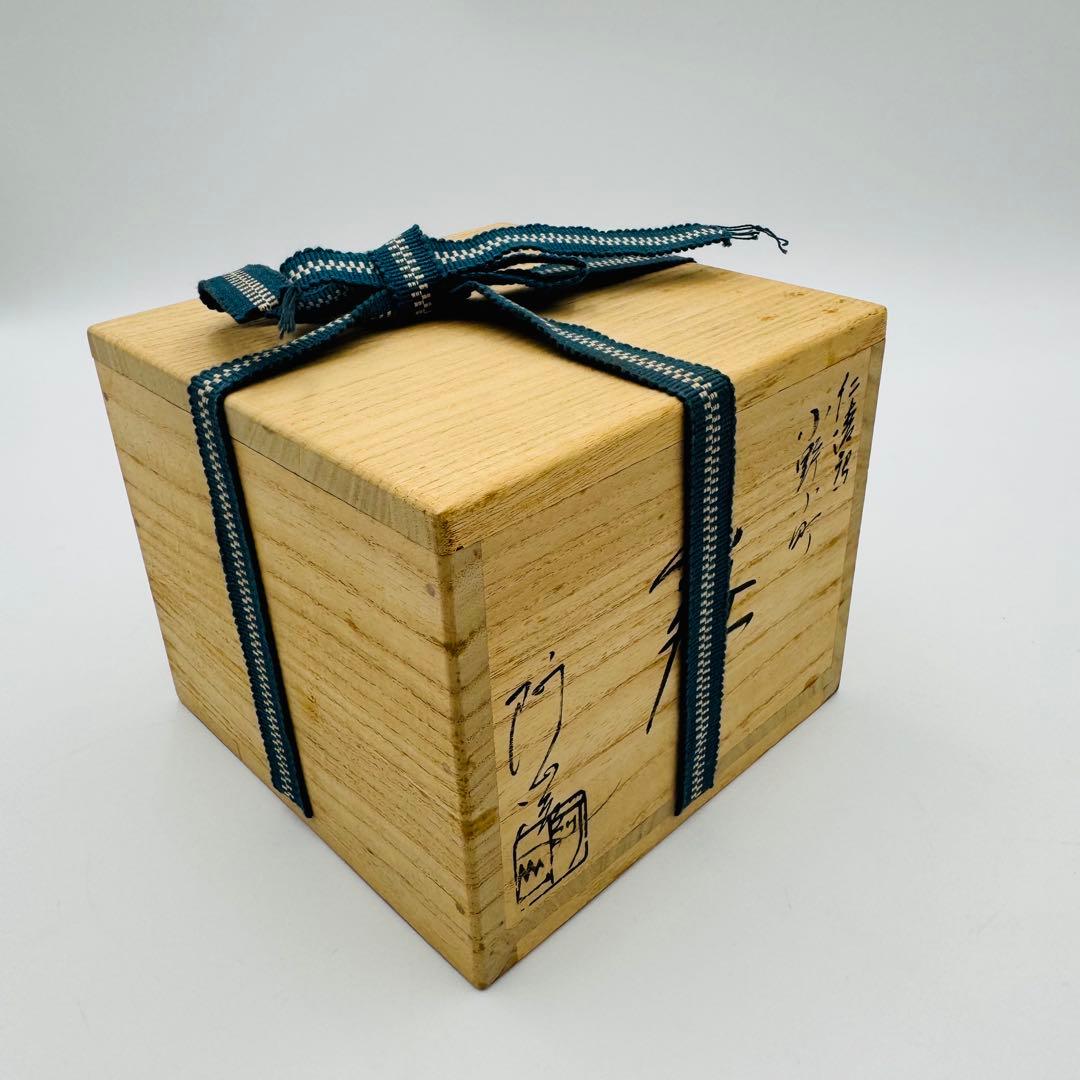
• Box: Signed wooden box (共箱) inscribed '仁清写 小野小町 茶碗' with artist seal
• Condition: Good — fine crackle (kannyu) across the cream ground, consistent with technique
━━━━━━━━━━━━━━━━━━━━
🔹 [ CULTURAL & ARTISTIC INSIGHT ]
Ono no Komachi does not need introduction. She requires only recognition. One of the Rokkasen — the Six Immortal Poets of the Heian court — she has moved through a thousand years of Japanese art not as a historical figure but as an embodiment: of beauty that time cannot diminish, of language that outlasts the speaker, of presence that remains after the body has gone.
On this bowl, she stands in full junihitoe — the twelve-layered court robe that was itself a form of poetry. Blue with gold cloud patterns over green and turquoise, dark red panels glimpsed beneath, each layer visible at the sleeve and hem where the garments cascade in orchestrated color. Her black hair flows unbound. Above her, scattered gold kirikane confetti falls like the last light of an autumn evening — decorative, yes, but also atmospheric. This is not illustration. It is evocation.
The reverse of the bowl offers a quieter register — a second figure in pale robes against mostly bare cream crackle ground, as though the full intensity of the front has been deliberately answered by restraint. This compositional asymmetry — dense presence on one face, quiet absence on the other — mirrors the structure of Komachi's own poetry: a single image, then the silence that follows it.
*"Her poems survive. Her face is forgotten. Only the weight of her words remains — and that weight has a color."*
━━━━━━━━━━━━━━━━━━━━
🔹 [ DEEP-DIVE COMMENTARY ]
**Ono no Komachi — The Poetess as Symbol**: Komachi's historical existence (circa 825–900 CE) matters less than what she became in Japanese cultural memory. Of the Rokkasen selected by Ki no Tsurayuki for the Kokin Wakashū preface, she alone achieved the status of archetype — the figure through whom Japanese art explores the relationship between beauty, impermanence, and the power of language. Her most famous poem — 'hana no iro wa / utsuri ni keri na / itazura ni' (The color of flowers / has faded in vain / as I spent my days in the world) — collapses the distinction between the poet and the blossom. To paint Komachi is to paint that collapse.
**Junihitoe (十二単) — Architecture in Cloth**: The twelve-layered court robe was not merely clothing but a chromatic composition. Each layer's color was visible at the cuff and hem, and the specific combination of colors — known as kasane no irome (重ねの色目) — communicated season, rank, and aesthetic sensibility. On this bowl, the artist renders the junihitoe as a cascade of blue, green, turquoise, red, and maroon — each layer distinct, each edge precise. The gold cloud patterns on the outermost blue robe are applied with the same attention to scale that a lacquer artist would bring to maki-e.
**Kirikane (切金) — Gold as Atmosphere**: The scattered gold confetti above Komachi's figure derives from kirikane, a technique originally used in Buddhist painting and sculpture to adorn sacred images with cut gold leaf. On this tea bowl, the gold fragments float above the figure like falling leaves or suspended light — not attached to any narrative element, existing purely as atmosphere. This borrowing from sacred art traditions elevates the figure beyond portraiture into something closer to devotional imagery.
**Kannyu (貫入) — The Crackle as Ground**: The fine crackle covering the cream body serves a compositional purpose beyond texture. It gives the unpainted areas of the bowl the quality of aged paper or parchment — an appropriate ground for a literary subject. Komachi's poetry was written on paper that has itself crackled and browned over a millennium. The kannyu unconsciously echoes that material history, placing the painted figure within a surface that already carries the suggestion of time passed.
━━━━━━━━━━━━━━━━━━━━
🔹 [ 日本語解説 ]
【基本情報】
• 作家:京焼作家(共箱に落款あり)
• 技法:仁清写・色絵金彩(上絵付)、切金風金箔散らし
• 意匠:小野小町図(十二単姿)
• 時代:2010年代
• 産地:京都
• 寸法:高さ 8cm × 口径 12cm
• 箱:共箱(「仁清写 小野小町 茶碗」箱書き、作家印)
• 状態:良好 — 全面に貫入あり(仁清写の意図的な景色)
【解説】
小野小町を描いた仁清写の茶碗です。小野小町は六歌仙の一人であり、日本文化における美と無常の象徴です。「花の色は移りにけりないたづらに」——この歌に凝縮された、美しさとその儚さへの眼差しが、一千年を超えて日本の芸術を貫いています。
正面には十二単(じゅうにひとえ)を纏った小町が描かれています。金雲文様の青い上衣、緑・翡翠色の中衣、暗赤・栗色の下衣——袖口と裾に重なりが見え、色目の組み合わせが宮廷装束の格式を伝えます。黒髪は長く流れ、頭上には切金風の金箔が散り、秋の夕光のような余韻を生んでいます。
裏面は淡い色調の衣の人物が一人、ほぼ無地の貫入地に静かに佇む構成で、表の華やかさと裏の静寂が対をなしています。小町の歌そのもののように——鮮やかなイメージの後に、沈黙が訪れる。クリーム色の貫入地が古い紙のように時を帯び、文学的主題にふさわしい舞台を整えています。共箱付き。
━━━━━━━━━━━━━━━━━━━━
🔹 [ SHIPPING & PACKAGING ]
• Dispatch: Within 1-6 business days
• Carrier: Japan Post EMS / UPS (with tracking)
• Packaging: Carefully wrapped with protective materials
*A thousand years since she wrote. The poem survives. The face is imagined. This bowl holds what remains — the color of intention, layered and still falling.*
━━━━━━━━━━━━━━━━━━━━
🔹 [ BASIC DETAILS ]
• Artist: Kyo-yaki potter (box bears artist seal)
• Technique: Ninsei-utsushi (仁清写) — overglaze polychrome enamel (色絵) with gold leaf and kirikane
• Era: 2010–2019
• Origin: Kyoto, Japan
• Dimensions: H 8 cm × D 12 cm (3.1" × 4.7")
• Box: Signed wooden box (共箱) inscribed '仁清写 小野小町 茶碗' with artist seal
• Condition: Good — fine crackle (kannyu) across the cream ground, consistent with technique
━━━━━━━━━━━━━━━━━━━━
🔹 [ CULTURAL & ARTISTIC INSIGHT ]
Ono no Komachi does not need introduction. She requires only recognition. One of the Rokkasen — the Six Immortal Poets of the Heian court — she has moved through a thousand years of Japanese art not as a historical figure but as an embodiment: of beauty that time cannot diminish, of language that outlasts the speaker, of presence that remains after the body has gone.
On this bowl, she stands in full junihitoe — the twelve-layered court robe that was itself a form of poetry. Blue with gold cloud patterns over green and turquoise, dark red panels glimpsed beneath, each layer visible at the sleeve and hem where the garments cascade in orchestrated color. Her black hair flows unbound. Above her, scattered gold kirikane confetti falls like the last light of an autumn evening — decorative, yes, but also atmospheric. This is not illustration. It is evocation.
The reverse of the bowl offers a quieter register — a second figure in pale robes against mostly bare cream crackle ground, as though the full intensity of the front has been deliberately answered by restraint. This compositional asymmetry — dense presence on one face, quiet absence on the other — mirrors the structure of Komachi's own poetry: a single image, then the silence that follows it.
*"Her poems survive. Her face is forgotten. Only the weight of her words remains — and that weight has a color."*
━━━━━━━━━━━━━━━━━━━━
🔹 [ DEEP-DIVE COMMENTARY ]
**Ono no Komachi — The Poetess as Symbol**: Komachi's historical existence (circa 825–900 CE) matters less than what she became in Japanese cultural memory. Of the Rokkasen selected by Ki no Tsurayuki for the Kokin Wakashū preface, she alone achieved the status of archetype — the figure through whom Japanese art explores the relationship between beauty, impermanence, and the power of language. Her most famous poem — 'hana no iro wa / utsuri ni keri na / itazura ni' (The color of flowers / has faded in vain / as I spent my days in the world) — collapses the distinction between the poet and the blossom. To paint Komachi is to paint that collapse.
**Junihitoe (十二単) — Architecture in Cloth**: The twelve-layered court robe was not merely clothing but a chromatic composition. Each layer's color was visible at the cuff and hem, and the specific combination of colors — known as kasane no irome (重ねの色目) — communicated season, rank, and aesthetic sensibility. On this bowl, the artist renders the junihitoe as a cascade of blue, green, turquoise, red, and maroon — each layer distinct, each edge precise. The gold cloud patterns on the outermost blue robe are applied with the same attention to scale that a lacquer artist would bring to maki-e.
**Kirikane (切金) — Gold as Atmosphere**: The scattered gold confetti above Komachi's figure derives from kirikane, a technique originally used in Buddhist painting and sculpture to adorn sacred images with cut gold leaf. On this tea bowl, the gold fragments float above the figure like falling leaves or suspended light — not attached to any narrative element, existing purely as atmosphere. This borrowing from sacred art traditions elevates the figure beyond portraiture into something closer to devotional imagery.
**Kannyu (貫入) — The Crackle as Ground**: The fine crackle covering the cream body serves a compositional purpose beyond texture. It gives the unpainted areas of the bowl the quality of aged paper or parchment — an appropriate ground for a literary subject. Komachi's poetry was written on paper that has itself crackled and browned over a millennium. The kannyu unconsciously echoes that material history, placing the painted figure within a surface that already carries the suggestion of time passed.
━━━━━━━━━━━━━━━━━━━━
🔹 [ 日本語解説 ]
【基本情報】
• 作家:京焼作家(共箱に落款あり)
• 技法:仁清写・色絵金彩(上絵付)、切金風金箔散らし
• 意匠:小野小町図(十二単姿)
• 時代:2010年代
• 産地:京都
• 寸法:高さ 8cm × 口径 12cm
• 箱:共箱(「仁清写 小野小町 茶碗」箱書き、作家印)
• 状態:良好 — 全面に貫入あり(仁清写の意図的な景色)
【解説】
小野小町を描いた仁清写の茶碗です。小野小町は六歌仙の一人であり、日本文化における美と無常の象徴です。「花の色は移りにけりないたづらに」——この歌に凝縮された、美しさとその儚さへの眼差しが、一千年を超えて日本の芸術を貫いています。
正面には十二単(じゅうにひとえ)を纏った小町が描かれています。金雲文様の青い上衣、緑・翡翠色の中衣、暗赤・栗色の下衣——袖口と裾に重なりが見え、色目の組み合わせが宮廷装束の格式を伝えます。黒髪は長く流れ、頭上には切金風の金箔が散り、秋の夕光のような余韻を生んでいます。
裏面は淡い色調の衣の人物が一人、ほぼ無地の貫入地に静かに佇む構成で、表の華やかさと裏の静寂が対をなしています。小町の歌そのもののように——鮮やかなイメージの後に、沈黙が訪れる。クリーム色の貫入地が古い紙のように時を帯び、文学的主題にふさわしい舞台を整えています。共箱付き。
━━━━━━━━━━━━━━━━━━━━
🔹 [ SHIPPING & PACKAGING ]
• Dispatch: Within 1-6 business days
• Carrier: Japan Post EMS / UPS (with tracking)
• Packaging: Carefully wrapped with protective materials
*A thousand years since she wrote. The poem survives. The face is imagined. This bowl holds what remains — the color of intention, layered and still falling.*
Quantity
Couldn't load pickup availability
Low stock: 1 left
View full details