1
/
of
10
Ninsei Style Momiji Tea Bowl by Kawazoe Juraku - Kyo-yaki Autumn Maple Chawan with Tomobako
Ninsei Style Momiji Tea Bowl by Kawazoe Juraku - Kyo-yaki Autumn Maple Chawan with Tomobako
Regular price
Dhs. 1,147.00 AED
Regular price
Sale price
Dhs. 1,147.00 AED
Taxes included.
Shipping calculated at checkout.
Experience authentic Japanese tea culture with this Ninsei Style Momiji Tea Bowl. This Kyo-yaki Chawan serves as a Kawazoe Juraku masterwork and Autumn Tea Bowl, featuring Momiji Maple Bowl artistry and Overglaze Enamel design—a must-have for any Art Collector seeking authentic Kyoto Pottery and Maple Leaf Chawan.
━━━━━━━━━━━━━━━━━━━━
🔹 [ BASIC DETAILS ]
• Artist: Kawazoe Juraku (川添寿楽)
• Technique: Ninsei-style (仁清写) overglaze enamel painting on Kyo-yaki body
• Era: Contemporary (Heisei–Reiwa period)
• Origin: Kyoto, Japan (Kyo-yaki / 京焼)
• Dimensions: Diameter approx. 12 cm × Height approx. 7.7 cm (4.7" × 3.0")
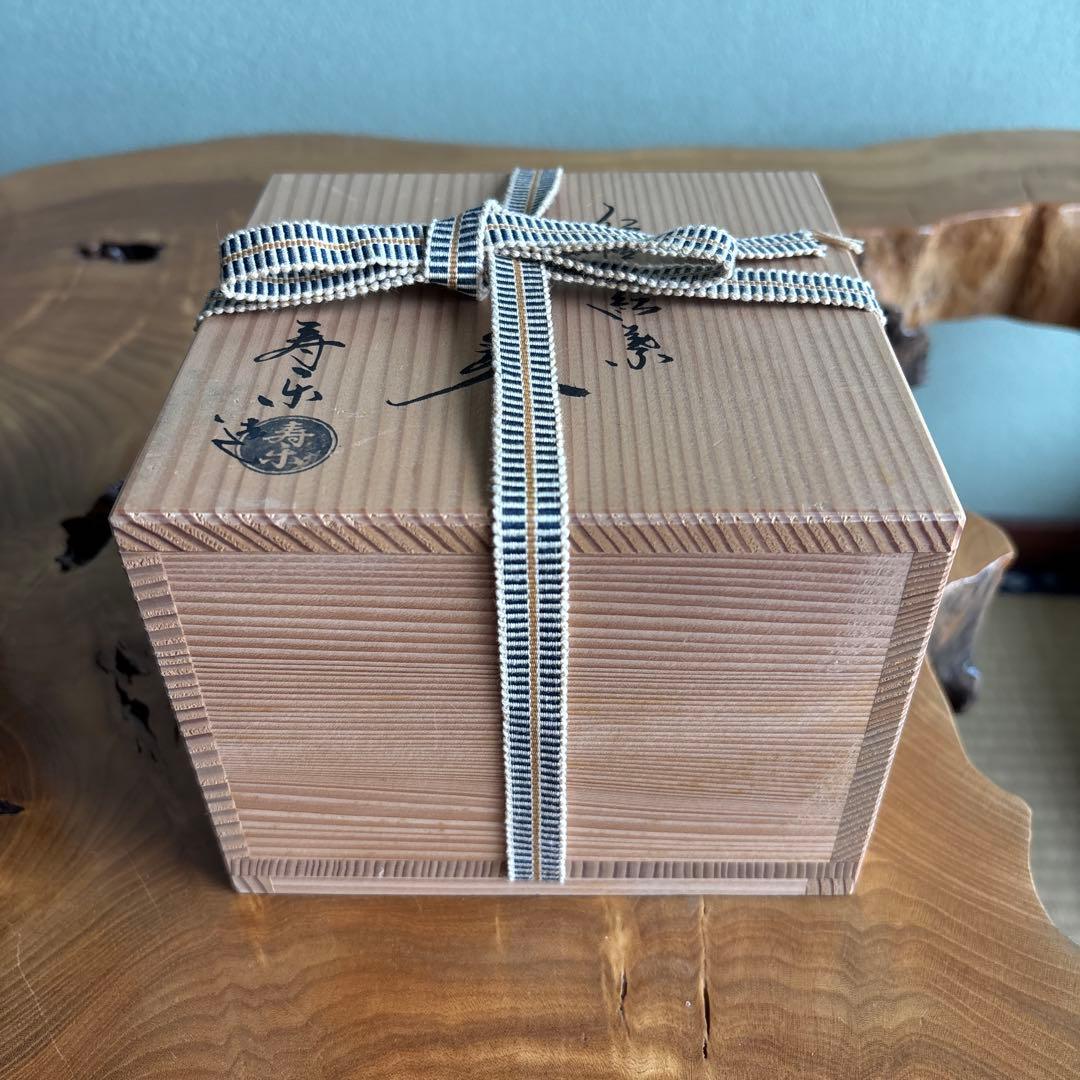
• Box: Tomobako (artist-signed wooden box) inscribed "仁清 紅葉 茶碗 寿楽造" with seal
• Condition: Excellent – no cracks, chips, or repairs
━━━━━━━━━━━━━━━━━━━━
🔹 [ CULTURAL & ARTISTIC INSIGHT ]
The Ninsei style (仁清写) references Nonomura Ninsei, the 17th-century Kyoto potter who elevated overglaze enamel painting on ceramics to an art form. His legacy defined the decorative vocabulary of Kyo-yaki — polychrome designs rendered with painterly confidence on refined clay bodies. Kawazoe Juraku works within this lineage, bringing the same mastery of color and composition to seasonal subjects.
The momiji (紅葉) — Japanese maple in autumn color — is among the most emotionally resonant motifs in Japanese art. In the tea ceremony calendar, maple leaves signal the transition months of October and November, when the landscape burns with impermanence. To hold this bowl during an autumn gathering is to hold the season itself — the red and gold of leaves that will not last, captured in a medium that endures.
The coral-speckled ground creates a warm atmospheric field against which the maple leaves appear to drift and scatter naturally. Red, orange, pink, and gold pigments layer with green branch accents, producing a composition that reads as movement — leaves caught mid-fall. A fine gold line traces the rim, framing the scene with quiet formality.
*"Autumn arrives not as ending, but as the season when color speaks most honestly."*
━━━━━━━━━━━━━━━━━━━━
🔹 [ DEEP-DIVE COMMENTARY ]
**The Ninsei Legacy**: Nonomura Ninsei (野々村仁清, active c. 1646–1694) established the foundation for decorated Kyo-yaki by combining refined ceramic forms with painterly overglaze enamel decoration. His influence is so pervasive that "Ninsei-style" (仁清写) remains a living category in Kyoto ceramics — not mere imitation, but a continuing dialogue with the master's aesthetic principles. Kawazoe Juraku's work demonstrates this dialogue, applying Ninsei's decorative confidence to a subject — momiji — that resonates across centuries of Japanese artistic tradition.
**Seasonal Significance**: In the Japanese tea ceremony, the choice of utensils reflects the season with precision. Momiji-decorated bowls are traditionally used during the months of October and November, coinciding with the autumn color season (koyo/紅葉) that draws millions to temple gardens across Japan. The use of this bowl signals the host's awareness of nature's cycle and creates a moment of shared contemplation on the beauty of impermanence — a core principle of tea philosophy.
**Painting Technique**: The overglaze enamel technique visible here requires multiple firings. The base form is first coated with a clear or tinted glaze and fired, then the maple leaf design is painted using mineral pigments — iron red, gold, and green — and fired again at a lower temperature to fuse the colors to the surface. The layered quality of the leaves, with some appearing in front of others, demonstrates the painter's command of spatial composition on a curved surface.
**Form and Aesthetic**: The elegant round form with a slight waist is characteristic of Kyo-yaki tea bowls — refined, balanced, and comfortable in the hands. Unlike the deliberate roughness of rustic wares, this bowl presents a polished aesthetic that complements its decorative program. The overall effect is celebratory and feminine — a bowl that announces the season with warmth rather than mere suggestion.
━━━━━━━━━━━━━━━━━━━━
🔹 [ 日本語解説 ]
【基本情報】
• 作家:川添寿楽
• 技法:仁清写(上絵付・京焼)
• 時代:現代(平成〜令和)
• 産地:京都(京焼)
• 寸法:直径約12cm × 高さ約7.7cm
• 付属:共箱(「仁清 紅葉 茶碗 寿楽造」箱書・落款あり)
• 状態:良好(ヒビ・カケなし)
【解説】
仁清写(にんせいうつし)は、17世紀の京焼の大成者・野々村仁清の作風を受け継ぐ様式です。仁清は陶器に上絵付けを施す技法を芸術の域にまで高め、京焼の装飾的伝統の礎を築きました。川添寿楽はその系譜に連なる京焼の作家で、四季の意匠を得意とします。
本作は紅葉(もみじ)を主題とした秋の茶碗です。珊瑚色に細かな斑点が入る地肌の上に、赤・橙・桃・金彩の紅葉が枝から舞い散るように描かれています。葉の重なりや色調の変化が奥行きを生み、碗を回すたびに異なる景色が楽しめます。口縁に引かれた金線が画面を引き締め、格調高い仕上がりです。
茶道では10月・11月の秋の茶席にふさわしい道具として、紅葉の意匠は特に好まれます。季節感を大切にする茶の湯の精神を体現した、華やかで品格のある一碗です。
━━━━━━━━━━━━━━━━━━━━
🔹 [ SHIPPING & PACKAGING ]
• Dispatch: Within 1-6 business days
• Carrier: Japan Post EMS / UPS (with tracking)
• Packaging: Carefully wrapped with protective materials
*Where the maple falls, the bowl remembers autumn — and autumn, for once, does not pass.*
━━━━━━━━━━━━━━━━━━━━
🔹 [ BASIC DETAILS ]
• Artist: Kawazoe Juraku (川添寿楽)
• Technique: Ninsei-style (仁清写) overglaze enamel painting on Kyo-yaki body
• Era: Contemporary (Heisei–Reiwa period)
• Origin: Kyoto, Japan (Kyo-yaki / 京焼)
• Dimensions: Diameter approx. 12 cm × Height approx. 7.7 cm (4.7" × 3.0")
• Box: Tomobako (artist-signed wooden box) inscribed "仁清 紅葉 茶碗 寿楽造" with seal
• Condition: Excellent – no cracks, chips, or repairs
━━━━━━━━━━━━━━━━━━━━
🔹 [ CULTURAL & ARTISTIC INSIGHT ]
The Ninsei style (仁清写) references Nonomura Ninsei, the 17th-century Kyoto potter who elevated overglaze enamel painting on ceramics to an art form. His legacy defined the decorative vocabulary of Kyo-yaki — polychrome designs rendered with painterly confidence on refined clay bodies. Kawazoe Juraku works within this lineage, bringing the same mastery of color and composition to seasonal subjects.
The momiji (紅葉) — Japanese maple in autumn color — is among the most emotionally resonant motifs in Japanese art. In the tea ceremony calendar, maple leaves signal the transition months of October and November, when the landscape burns with impermanence. To hold this bowl during an autumn gathering is to hold the season itself — the red and gold of leaves that will not last, captured in a medium that endures.
The coral-speckled ground creates a warm atmospheric field against which the maple leaves appear to drift and scatter naturally. Red, orange, pink, and gold pigments layer with green branch accents, producing a composition that reads as movement — leaves caught mid-fall. A fine gold line traces the rim, framing the scene with quiet formality.
*"Autumn arrives not as ending, but as the season when color speaks most honestly."*
━━━━━━━━━━━━━━━━━━━━
🔹 [ DEEP-DIVE COMMENTARY ]
**The Ninsei Legacy**: Nonomura Ninsei (野々村仁清, active c. 1646–1694) established the foundation for decorated Kyo-yaki by combining refined ceramic forms with painterly overglaze enamel decoration. His influence is so pervasive that "Ninsei-style" (仁清写) remains a living category in Kyoto ceramics — not mere imitation, but a continuing dialogue with the master's aesthetic principles. Kawazoe Juraku's work demonstrates this dialogue, applying Ninsei's decorative confidence to a subject — momiji — that resonates across centuries of Japanese artistic tradition.
**Seasonal Significance**: In the Japanese tea ceremony, the choice of utensils reflects the season with precision. Momiji-decorated bowls are traditionally used during the months of October and November, coinciding with the autumn color season (koyo/紅葉) that draws millions to temple gardens across Japan. The use of this bowl signals the host's awareness of nature's cycle and creates a moment of shared contemplation on the beauty of impermanence — a core principle of tea philosophy.
**Painting Technique**: The overglaze enamel technique visible here requires multiple firings. The base form is first coated with a clear or tinted glaze and fired, then the maple leaf design is painted using mineral pigments — iron red, gold, and green — and fired again at a lower temperature to fuse the colors to the surface. The layered quality of the leaves, with some appearing in front of others, demonstrates the painter's command of spatial composition on a curved surface.
**Form and Aesthetic**: The elegant round form with a slight waist is characteristic of Kyo-yaki tea bowls — refined, balanced, and comfortable in the hands. Unlike the deliberate roughness of rustic wares, this bowl presents a polished aesthetic that complements its decorative program. The overall effect is celebratory and feminine — a bowl that announces the season with warmth rather than mere suggestion.
━━━━━━━━━━━━━━━━━━━━
🔹 [ 日本語解説 ]
【基本情報】
• 作家:川添寿楽
• 技法:仁清写(上絵付・京焼)
• 時代:現代(平成〜令和)
• 産地:京都(京焼)
• 寸法:直径約12cm × 高さ約7.7cm
• 付属:共箱(「仁清 紅葉 茶碗 寿楽造」箱書・落款あり)
• 状態:良好(ヒビ・カケなし)
【解説】
仁清写(にんせいうつし)は、17世紀の京焼の大成者・野々村仁清の作風を受け継ぐ様式です。仁清は陶器に上絵付けを施す技法を芸術の域にまで高め、京焼の装飾的伝統の礎を築きました。川添寿楽はその系譜に連なる京焼の作家で、四季の意匠を得意とします。
本作は紅葉(もみじ)を主題とした秋の茶碗です。珊瑚色に細かな斑点が入る地肌の上に、赤・橙・桃・金彩の紅葉が枝から舞い散るように描かれています。葉の重なりや色調の変化が奥行きを生み、碗を回すたびに異なる景色が楽しめます。口縁に引かれた金線が画面を引き締め、格調高い仕上がりです。
茶道では10月・11月の秋の茶席にふさわしい道具として、紅葉の意匠は特に好まれます。季節感を大切にする茶の湯の精神を体現した、華やかで品格のある一碗です。
━━━━━━━━━━━━━━━━━━━━
🔹 [ SHIPPING & PACKAGING ]
• Dispatch: Within 1-6 business days
• Carrier: Japan Post EMS / UPS (with tracking)
• Packaging: Carefully wrapped with protective materials
*Where the maple falls, the bowl remembers autumn — and autumn, for once, does not pass.*
Quantity
Couldn't load pickup availability
Low stock: 1 left
View full details