1
/
of
11
Ninsei-Style Kabuto Helmet Tea Bowl by Heian Shodo - Kyo-Yaki Iro-e Chawan with Iris
Ninsei-Style Kabuto Helmet Tea Bowl by Heian Shodo - Kyo-Yaki Iro-e Chawan with Iris
Regular price
Dhs. 2,175.00 AED
Regular price
Sale price
Dhs. 2,175.00 AED
Taxes included.
Shipping calculated at checkout.
Experience Authentic Japanese Tea Culture with this Ninsei Style Tea Bowl. This Kyo Yaki Tea Bowl serves as a Samurai Helmet Chawan and Iro-e Overglaze Ceramic, featuring Gold Silver Decoration and Japanese Iris Motif—a must-have for any Art Collector seeking Boys Day Celebration art and Kyoto Pottery Art.
━━━━━━━━━━━━━━━━━━━━
🔹 [ BASIC DETAILS ]
• Artist: Heian Shodo (平安祥堂)
• Technique: Ninsei-style overglaze enamel (iro-e) with gold and silver
• Era: Contemporary (Heisei period)
• Origin: Kyoto, Japan
• Dimensions: Diameter approx. 12.5 cm (4.9 in), Height approx. 7.8 cm (3.1 in)
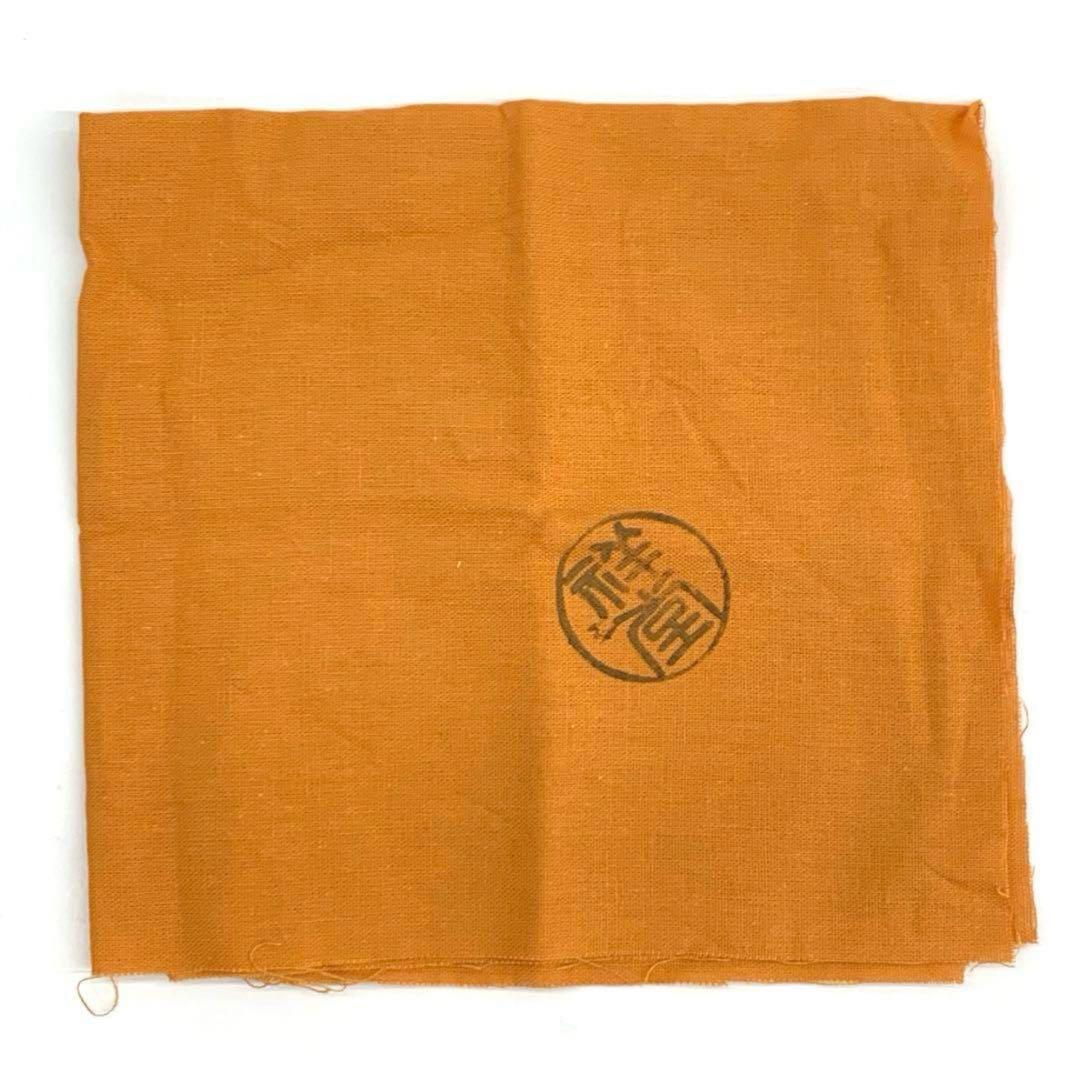
• Box: Signed tomobako with cloth wrapper (共箱・共布)
• Condition: New, unused — long-term storage item
━━━━━━━━━━━━━━━━━━━━
🔹 [ CULTURAL & ARTISTIC INSIGHT ]
This tea bowl belongs to the tradition of Ninsei-utsushi — works that honor the aesthetic vocabulary established by Nonomura Ninsei, the legendary 17th-century Kyoto potter who elevated overglaze enamel decoration to an art form. The kabuto (samurai helmet) paired with ayame (iris) is a seasonal pairing deeply embedded in Japanese culture, associated with Tango no Sekku — the May 5th Boys' Day festival that celebrates strength, courage, and vitality.
The silver cloud band encircling the upper body evokes the atmospheric quality of traditional Rinpa painting, while the detailed helmet rendered in gold, cobalt, and emerald enamel demonstrates mastery of the iro-e technique. Each color requires a separate firing at progressively lower temperatures, building the composition layer by layer.
*"Iris and armor share the same season — both stand straight, both carry the memory of rain."*
━━━━━━━━━━━━━━━━━━━━
🔹 [ DEEP-DIVE COMMENTARY ]
**The Ninsei Legacy**: Nonomura Ninsei revolutionized Kyoto ceramics in the early Edo period by combining Chinese overglaze enamel techniques with Japanese aesthetic sensibilities. His approach — painting narrative scenes onto refined white clay bodies — established a template that Kyoto potters have followed for over three centuries. Heian Shodo continues this lineage with meticulous attention to the original vocabulary.
**Technical Achievement**: The iro-e technique seen here involves multiple firings. The base white glaze is fired first at high temperature. Gold, silver, cobalt blue, green, yellow, and red enamels are then applied in stages, each requiring a precise kiln temperature. The gold rim and silver cloud motifs add metallic luster that shifts with the light.
**Seasonal Significance**: In the tea ceremony calendar, kabuto-themed bowls appear exclusively in May, honoring the Tango no Sekku tradition. The iris alongside the helmet carries dual meaning — the sword-like leaves symbolize martial spirit, while the delicate blooms represent refinement within strength.
**Collector Significance**: Unused Ninsei-style bowls with original tomobako and cloth wrapper in this condition are increasingly difficult to source. The Heian Shodo workshop maintains traditional Kyoto firing standards, and this piece represents their seasonal production at its most elaborate.
━━━━━━━━━━━━━━━━━━━━
🔹 [ 日本語解説 ]
【基本情報】
• 作家:平安祥堂
• 技法:仁清写 色絵金銀彩
• 時代:現代(平成)
• 産地:京都
• 寸法:径約12.5cm、高さ約7.8cm
• 付属:共箱・共布
• 状態:新品未使用(長期保管品)
【解説】
本作は野々村仁清の美意識を継承した「仁清写」の茶碗であり、端午の節句に因む兜と菖蒲(あやめ)を色絵で華やかに描いている。銀彩の霞雲が胴を巡り、金彩の兜は細部まで精緻に表現されている。
色絵の技法は、まず高温で白釉を焼成した後、金・銀・呉須・緑青・黄・赤の上絵を段階的に施し、それぞれの温度帯で焼き付けるという複数回の窯入れを要する。京焼の伝統を守る平安祥堂の手になるこの茶碗は、五月の茶席にふさわしい格調と華やぎを備えている。
━━━━━━━━━━━━━━━━━━━━
🔹 [ SHIPPING & PACKAGING ]
• Dispatch: Within 1-6 business days
• Carrier: Japan Post EMS / UPS (with tracking)
• Packaging: Carefully wrapped with protective materials
*Iris and armor — two forms of presence, standing together in the fifth month's light.*
━━━━━━━━━━━━━━━━━━━━
🔹 [ BASIC DETAILS ]
• Artist: Heian Shodo (平安祥堂)
• Technique: Ninsei-style overglaze enamel (iro-e) with gold and silver
• Era: Contemporary (Heisei period)
• Origin: Kyoto, Japan
• Dimensions: Diameter approx. 12.5 cm (4.9 in), Height approx. 7.8 cm (3.1 in)
• Box: Signed tomobako with cloth wrapper (共箱・共布)
• Condition: New, unused — long-term storage item
━━━━━━━━━━━━━━━━━━━━
🔹 [ CULTURAL & ARTISTIC INSIGHT ]
This tea bowl belongs to the tradition of Ninsei-utsushi — works that honor the aesthetic vocabulary established by Nonomura Ninsei, the legendary 17th-century Kyoto potter who elevated overglaze enamel decoration to an art form. The kabuto (samurai helmet) paired with ayame (iris) is a seasonal pairing deeply embedded in Japanese culture, associated with Tango no Sekku — the May 5th Boys' Day festival that celebrates strength, courage, and vitality.
The silver cloud band encircling the upper body evokes the atmospheric quality of traditional Rinpa painting, while the detailed helmet rendered in gold, cobalt, and emerald enamel demonstrates mastery of the iro-e technique. Each color requires a separate firing at progressively lower temperatures, building the composition layer by layer.
*"Iris and armor share the same season — both stand straight, both carry the memory of rain."*
━━━━━━━━━━━━━━━━━━━━
🔹 [ DEEP-DIVE COMMENTARY ]
**The Ninsei Legacy**: Nonomura Ninsei revolutionized Kyoto ceramics in the early Edo period by combining Chinese overglaze enamel techniques with Japanese aesthetic sensibilities. His approach — painting narrative scenes onto refined white clay bodies — established a template that Kyoto potters have followed for over three centuries. Heian Shodo continues this lineage with meticulous attention to the original vocabulary.
**Technical Achievement**: The iro-e technique seen here involves multiple firings. The base white glaze is fired first at high temperature. Gold, silver, cobalt blue, green, yellow, and red enamels are then applied in stages, each requiring a precise kiln temperature. The gold rim and silver cloud motifs add metallic luster that shifts with the light.
**Seasonal Significance**: In the tea ceremony calendar, kabuto-themed bowls appear exclusively in May, honoring the Tango no Sekku tradition. The iris alongside the helmet carries dual meaning — the sword-like leaves symbolize martial spirit, while the delicate blooms represent refinement within strength.
**Collector Significance**: Unused Ninsei-style bowls with original tomobako and cloth wrapper in this condition are increasingly difficult to source. The Heian Shodo workshop maintains traditional Kyoto firing standards, and this piece represents their seasonal production at its most elaborate.
━━━━━━━━━━━━━━━━━━━━
🔹 [ 日本語解説 ]
【基本情報】
• 作家:平安祥堂
• 技法:仁清写 色絵金銀彩
• 時代:現代(平成)
• 産地:京都
• 寸法:径約12.5cm、高さ約7.8cm
• 付属:共箱・共布
• 状態:新品未使用(長期保管品)
【解説】
本作は野々村仁清の美意識を継承した「仁清写」の茶碗であり、端午の節句に因む兜と菖蒲(あやめ)を色絵で華やかに描いている。銀彩の霞雲が胴を巡り、金彩の兜は細部まで精緻に表現されている。
色絵の技法は、まず高温で白釉を焼成した後、金・銀・呉須・緑青・黄・赤の上絵を段階的に施し、それぞれの温度帯で焼き付けるという複数回の窯入れを要する。京焼の伝統を守る平安祥堂の手になるこの茶碗は、五月の茶席にふさわしい格調と華やぎを備えている。
━━━━━━━━━━━━━━━━━━━━
🔹 [ SHIPPING & PACKAGING ]
• Dispatch: Within 1-6 business days
• Carrier: Japan Post EMS / UPS (with tracking)
• Packaging: Carefully wrapped with protective materials
*Iris and armor — two forms of presence, standing together in the fifth month's light.*
Quantity
Couldn't load pickup availability
Low stock: 1 left
View full details