1
/
of
9
Ninsei Fan Kogo Incense Box by Hashimoto Jogaku - Pine Bamboo Plum Enamel
Ninsei Fan Kogo Incense Box by Hashimoto Jogaku - Pine Bamboo Plum Enamel
Regular price
Dhs. 883.00 AED
Regular price
Sale price
Dhs. 883.00 AED
Taxes included.
Shipping calculated at checkout.
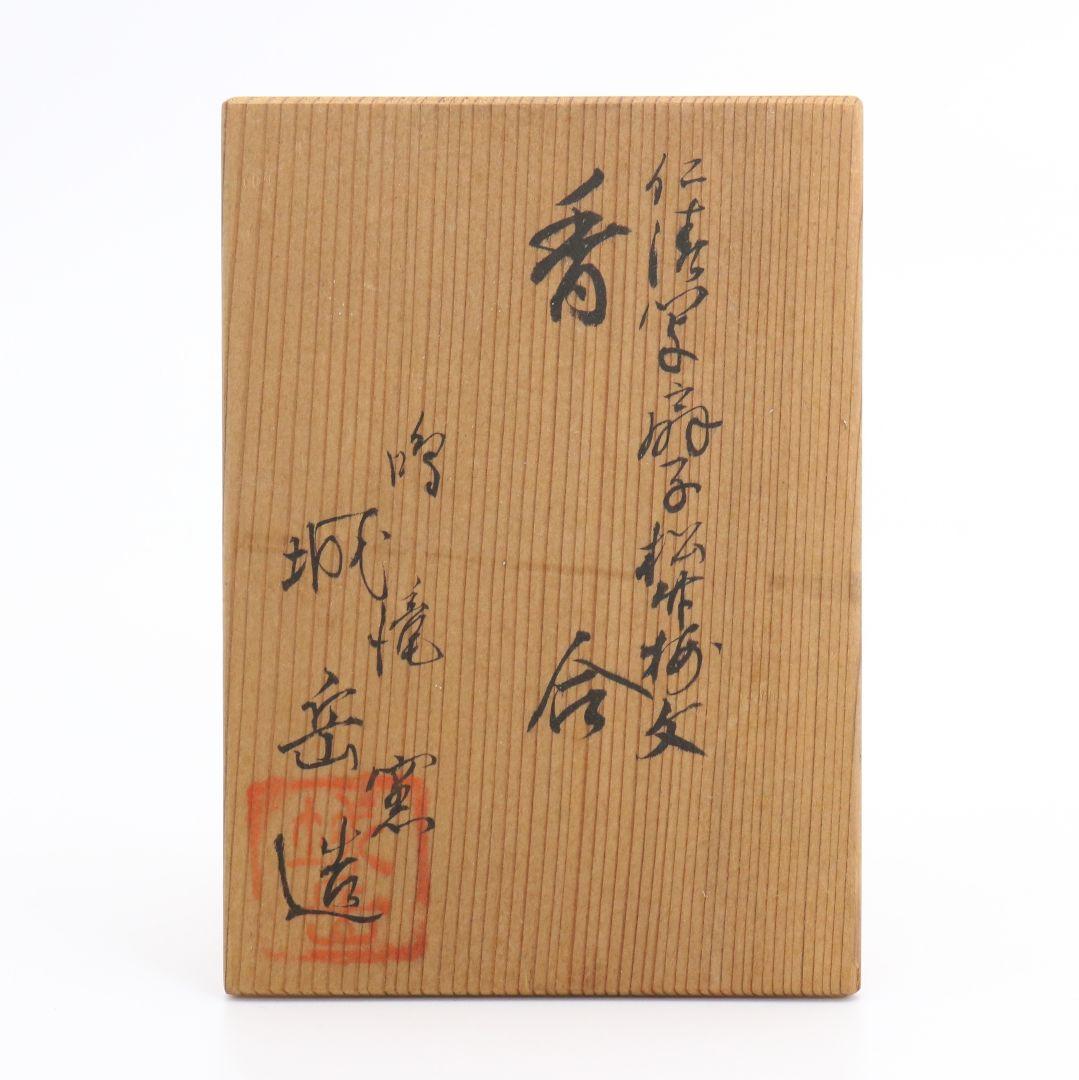
Experience authentic Japanese ceramic art with this Ninsei Fan Kogo. This Polychrome Enamel Box serves as a distinguished Pine Bamboo Plum piece and Kyoto Ceramic Kogo, featuring Overglaze Enamel Art and Fan Shaped Incense design—a must-have for any collector seeking a Signed Artist Box masterwork of Japanese Incense Art from the Narutaki Kiln tradition, embodying Ceremonial Tea Ceramic excellence.
━━━━━━━━━━━━━━━━━━━━
🔹 [ BASIC DETAILS ]
• Artist: Hashimoto Jogaku (橋本城岳), Narutaki Kiln (鳴滝窯)
• Technique: Ninsei-style overglaze enamels (iro-e) with gold and silver
• Era: Late 20th century (Heisei period)
• Origin: Kyoto, Japan
• Dimensions: Height approx. 2.6 cm × Width approx. 10.7 cm (1.0" × 4.2")
• Box: Tomobako signed by the artist
• Condition: Excellent – vivid colors, no chips or cracks
━━━━━━━━━━━━━━━━━━━━
🔹 [ CULTURAL & ARTISTIC INSIGHT ]
The kogo incense container occupies a place of quiet importance in the tea ceremony. Before guests enter the tearoom, the host burns a small cone of incense whose fragrance welcomes them. The kogo holds these precious fragments—its beauty must justify this responsibility.
This piece takes the ogi (folding fan) shape, a form associated with new beginnings and expanding fortune. The shochikubai (pine, bamboo, plum) motif amplifies this auspicious meaning: pine for longevity, bamboo for resilience, plum for renewal. Together, they form one of Japan's most enduring visual prayers for good fortune.
Hashimoto Jogaku works in the Ninsei tradition—named for Nonomura Ninsei, the 17th-century Kyoto potter who elevated overglaze enamel decoration to an art form. The geometric pattern along the fan's lower edge—alternating diamonds and chevrons in black, gold, and silver—provides visual weight that grounds the organic naturalism above. Cobalt blue fan ribs add structural clarity.
*"Three plants that endure winter's silence, painted on the shape of opening."*
━━━━━━━━━━━━━━━━━━━━
🔹 [ DEEP-DIVE COMMENTARY ]
**Ninsei-Style Ceramics**: Nonomura Ninsei (active 1640s–1660s) transformed Japanese ceramics by proving that decoration could carry equal weight to form. His signature style—cream base with vivid overglaze enamels in red, green, gold, and blue—became synonymous with Kyoto pottery. Jogaku's interpretation maintains this palette while adding metallic accents that catch light during ceremony.
**The Fan Form in Tea Culture**: In tea ceremony, fans mark social boundaries and express respect. As an incense container, the shape suggests fragrance spreading outward like the fan's opening arc. Jogaku exploits this by placing the three plants across the fan's breadth, as if they too are unfolding toward the viewer.
**Shochikubai Symbolism**: The Three Friends of Winter—pine, bamboo, and plum—thrive despite cold and adversity. In tea gatherings, they signal celebration and auspicious beginnings. This motif appears most often at New Year and celebratory occasions, making this kogo versatile across the tea calendar.
━━━━━━━━━━━━━━━━━━━━
🔹 [ 日本語解説 ]
【基本情報】
• 作家:橋本城岳(鳴滝窯)
• 技法:仁清写、色絵上絵付け、金銀彩
• 時代:平成
• 産地:京都
• 寸法:高さ約2.6cm、横幅約10.7cm
• 箱:作家署名入り共箱
• 状態:優良(発色良好、欠け割れなし)
【解説】
鳴滝窯の橋本城岳による仁清写の扇形香合です。茶席において香合は香を納める重要な役割を担い、その意匠は季節や趣向に応じて選ばれます。本作は松竹梅の吉祥文様を色鮮やかな上絵付けで表現。緑の松、紅白の梅、灰色の竹が、クリーム色の地に映えます。扇の骨組みは呉須で描き、下部には菱形と山形を組み合わせた幾何学文様を黒・金・銀で配しています。扇形は「末広がり」として縁起が良く、松竹梅と相まって新年や祝事にふさわしい意匠です。
━━━━━━━━━━━━━━━━━━━━
🔹 [ SHIPPING & PACKAGING ]
• Dispatch: Within 1-6 business days
• Carrier: Japan Post EMS / UPS (with tracking)
• Packaging: Carefully wrapped with protective materials
*The fan opens; the three plants greet each season without speaking.*
━━━━━━━━━━━━━━━━━━━━
🔹 [ BASIC DETAILS ]
• Artist: Hashimoto Jogaku (橋本城岳), Narutaki Kiln (鳴滝窯)
• Technique: Ninsei-style overglaze enamels (iro-e) with gold and silver
• Era: Late 20th century (Heisei period)
• Origin: Kyoto, Japan
• Dimensions: Height approx. 2.6 cm × Width approx. 10.7 cm (1.0" × 4.2")
• Box: Tomobako signed by the artist
• Condition: Excellent – vivid colors, no chips or cracks
━━━━━━━━━━━━━━━━━━━━
🔹 [ CULTURAL & ARTISTIC INSIGHT ]
The kogo incense container occupies a place of quiet importance in the tea ceremony. Before guests enter the tearoom, the host burns a small cone of incense whose fragrance welcomes them. The kogo holds these precious fragments—its beauty must justify this responsibility.
This piece takes the ogi (folding fan) shape, a form associated with new beginnings and expanding fortune. The shochikubai (pine, bamboo, plum) motif amplifies this auspicious meaning: pine for longevity, bamboo for resilience, plum for renewal. Together, they form one of Japan's most enduring visual prayers for good fortune.
Hashimoto Jogaku works in the Ninsei tradition—named for Nonomura Ninsei, the 17th-century Kyoto potter who elevated overglaze enamel decoration to an art form. The geometric pattern along the fan's lower edge—alternating diamonds and chevrons in black, gold, and silver—provides visual weight that grounds the organic naturalism above. Cobalt blue fan ribs add structural clarity.
*"Three plants that endure winter's silence, painted on the shape of opening."*
━━━━━━━━━━━━━━━━━━━━
🔹 [ DEEP-DIVE COMMENTARY ]
**Ninsei-Style Ceramics**: Nonomura Ninsei (active 1640s–1660s) transformed Japanese ceramics by proving that decoration could carry equal weight to form. His signature style—cream base with vivid overglaze enamels in red, green, gold, and blue—became synonymous with Kyoto pottery. Jogaku's interpretation maintains this palette while adding metallic accents that catch light during ceremony.
**The Fan Form in Tea Culture**: In tea ceremony, fans mark social boundaries and express respect. As an incense container, the shape suggests fragrance spreading outward like the fan's opening arc. Jogaku exploits this by placing the three plants across the fan's breadth, as if they too are unfolding toward the viewer.
**Shochikubai Symbolism**: The Three Friends of Winter—pine, bamboo, and plum—thrive despite cold and adversity. In tea gatherings, they signal celebration and auspicious beginnings. This motif appears most often at New Year and celebratory occasions, making this kogo versatile across the tea calendar.
━━━━━━━━━━━━━━━━━━━━
🔹 [ 日本語解説 ]
【基本情報】
• 作家:橋本城岳(鳴滝窯)
• 技法:仁清写、色絵上絵付け、金銀彩
• 時代:平成
• 産地:京都
• 寸法:高さ約2.6cm、横幅約10.7cm
• 箱:作家署名入り共箱
• 状態:優良(発色良好、欠け割れなし)
【解説】
鳴滝窯の橋本城岳による仁清写の扇形香合です。茶席において香合は香を納める重要な役割を担い、その意匠は季節や趣向に応じて選ばれます。本作は松竹梅の吉祥文様を色鮮やかな上絵付けで表現。緑の松、紅白の梅、灰色の竹が、クリーム色の地に映えます。扇の骨組みは呉須で描き、下部には菱形と山形を組み合わせた幾何学文様を黒・金・銀で配しています。扇形は「末広がり」として縁起が良く、松竹梅と相まって新年や祝事にふさわしい意匠です。
━━━━━━━━━━━━━━━━━━━━
🔹 [ SHIPPING & PACKAGING ]
• Dispatch: Within 1-6 business days
• Carrier: Japan Post EMS / UPS (with tracking)
• Packaging: Carefully wrapped with protective materials
*The fan opens; the three plants greet each season without speaking.*
Quantity
Couldn't load pickup availability
Out of stock
View full details