1
/
of
19
Nezumi Shino Tea Bowl by Hayashi Eiji — Momoyama Kiln Grey Shino Chawan with Iron Speckle Glaze
Nezumi Shino Tea Bowl by Hayashi Eiji — Momoyama Kiln Grey Shino Chawan with Iron Speckle Glaze
Regular price
Dhs. 993.00 AED
Regular price
Sale price
Dhs. 993.00 AED
Taxes included.
Shipping calculated at checkout.
Experience authentic Japanese ceramics with this Nezumi Shino Tea Bowl by Hayashi Eiji. This Momoyama Kiln Grey Shino Chawan serves as a Mino Ware Matcha Bowl and Wabi Sabi Ceramic Art, featuring Iron Speckle Glaze Surface and Traditional Grey Shino — a must-have for any Japanese Art Collector seeking Zen Tea Ceremony Bowl and Handmade Tea Accessories.
━━━━━━━━━━━━━━━━━━━━
🔹 [ BASIC DETAILS ]
• Artist: Hayashi Eiji (林英二)
• Kiln: Momoyama Kiln (桃山窯)
• Technique: Nezumi Shino (鼡志野) — grey Shino ware with iron-bearing slip under feldspathic glaze
• Era: Contemporary (Heisei period)
• Origin: Mino region, Gifu Prefecture, Japan
• Dimensions: Approx. 11.5 cm diameter × 7.0 cm height (4.5" × 2.8")
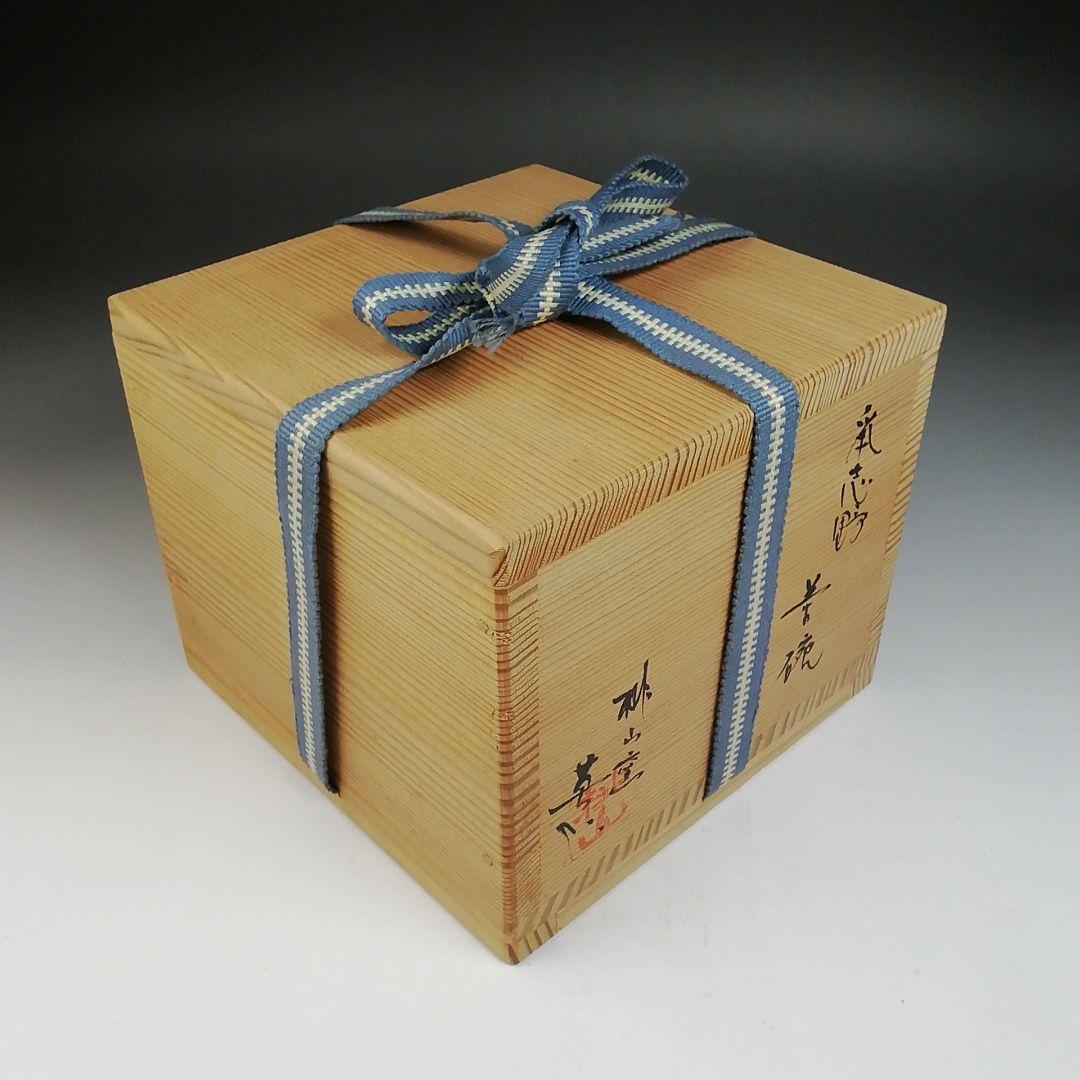
• Box: Tomobako (artist-signed wooden box) with red seal
• Condition: Excellent — no chips, cracks, or repairs
━━━━━━━━━━━━━━━━━━━━
🔹 [ CULTURAL & ARTISTIC INSIGHT ]
Nezumi Shino — "mouse Shino" — takes its name from the grey that iron slip produces under a thick feldspathic glaze. Where standard Shino ware presents white, nezumi Shino presents a landscape of grey-blue punctuated by iron speckles that emerge through the glaze like stars through winter cloud.
Hayashi Eiji's bowl from the Momoyama Kiln carries this aesthetic with quiet authority. The grey surface is not uniform — it shifts between blue-grey and warmer tones, with concentrations of iron pinholes creating constellations of dark points. Where the glaze thins at the rim, warm orange hi-iro (fire color) emerges — the clay's raw voice speaking through the glaze's restraint.
The form is deliberately imperfect. Slightly irregular walls, a gently wavy rim, a subtle lean that makes each viewing angle different from the last. This is the wabi-sabi aesthetic made tactile: beauty in asymmetry, presence in imperfection.
*"Grey is not the absence of color — it is every color resting, waiting to be noticed."*
━━━━━━━━━━━━━━━━━━━━
🔹 [ DEEP-DIVE COMMENTARY ]
**The Nezumi Shino Technique**: Nezumi Shino differs from standard Shino in one critical step: before the thick feldspathic glaze is applied, the clay body is coated with an iron-bearing slip. This slip creates the characteristic grey ground while allowing the potter to carve through it (creating white-line decoration) or leave it to produce the dark, speckled surface seen here. The interaction between iron slip, feldspathic glaze, and high-temperature firing creates unpredictable surface variations that no two bowls share.
**Momoyama Kiln and the Mino Tradition**: The kiln name "Momoyama" deliberately references the Momoyama period (1573–1615), when Shino ware was first produced in the Mino region. This naming signals the kiln's commitment to historical techniques — wood-firing or gas-firing that replicates the atmospheric effects of the original Momoyama kilns. Hayashi Eiji works within this lineage, honoring the original aesthetic while bringing contemporary sensitivity to form and surface.
**Hi-iro as Landscape Element**: The orange patches (hi-iro, 緋色) that appear where the glaze thins are among the most prized features in Shino ware. These "fire colors" result from direct flame contact during firing, revealing the iron-rich clay beneath. Tea practitioners read these patches as part of the bowl's "scenery" (景色, keshiki) — a landscape in miniature that makes each bowl a unique geological event.
**Shino in Tea Practice**: Shino ware occupies a special position in Japanese tea culture. Its thick, warm glaze is pleasant to hold, its irregular form invites exploration, and its surfaces develop deeper character with use as tea stains settle into pinholes and crevices. A Shino bowl is not a finished object — it is a beginning, an invitation to decades of shared experience between vessel and practitioner.
━━━━━━━━━━━━━━━━━━━━
🔹 [ 日本語解説 ]
【基本情報】
• 作家:林英二
• 窯元:桃山窯
• 技法:鼠志野(鉄化粧土+長石釉)
• 時代:現代(平成)
• 産地:岐阜県(美濃)
• 寸法:口径約11.5cm × 高さ約7.0cm
• 付属:共箱(署名・印あり)
• 状態:良好(割れ・欠けなし)
【解説】
鼠志野——鉄化粧の上に厚い長石釉をかけて焼成することで生まれる灰色の景色。林英二の桃山窯による本作は、灰青色の地肌に鉄分のピンホールが星空のように散り、口縁部には釉薬が薄くなったところから温かなオレンジの緋色が覗きます。
やや歪んだ口縁、微かに傾いだ造形——意図された不完全さが、手に取る者に「景色を読む」楽しみを与えます。美濃の志野は使い込むほどに変化する茶碗。ピンホールに茶渋が入り、年月とともに深まる色合いは、持ち主との対話そのものです。
━━━━━━━━━━━━━━━━━━━━
🔹 [ SHIPPING & PACKAGING ]
• Dispatch: Within 1-6 business days
• Carrier: Japan Post EMS / UPS (with tracking)
• Packaging: Carefully wrapped with protective materials
*Iron speaks through feldspar, fire speaks through clay — the grey bowl holds every temperature it has ever known.*
━━━━━━━━━━━━━━━━━━━━
🔹 [ BASIC DETAILS ]
• Artist: Hayashi Eiji (林英二)
• Kiln: Momoyama Kiln (桃山窯)
• Technique: Nezumi Shino (鼡志野) — grey Shino ware with iron-bearing slip under feldspathic glaze
• Era: Contemporary (Heisei period)
• Origin: Mino region, Gifu Prefecture, Japan
• Dimensions: Approx. 11.5 cm diameter × 7.0 cm height (4.5" × 2.8")
• Box: Tomobako (artist-signed wooden box) with red seal
• Condition: Excellent — no chips, cracks, or repairs
━━━━━━━━━━━━━━━━━━━━
🔹 [ CULTURAL & ARTISTIC INSIGHT ]
Nezumi Shino — "mouse Shino" — takes its name from the grey that iron slip produces under a thick feldspathic glaze. Where standard Shino ware presents white, nezumi Shino presents a landscape of grey-blue punctuated by iron speckles that emerge through the glaze like stars through winter cloud.
Hayashi Eiji's bowl from the Momoyama Kiln carries this aesthetic with quiet authority. The grey surface is not uniform — it shifts between blue-grey and warmer tones, with concentrations of iron pinholes creating constellations of dark points. Where the glaze thins at the rim, warm orange hi-iro (fire color) emerges — the clay's raw voice speaking through the glaze's restraint.
The form is deliberately imperfect. Slightly irregular walls, a gently wavy rim, a subtle lean that makes each viewing angle different from the last. This is the wabi-sabi aesthetic made tactile: beauty in asymmetry, presence in imperfection.
*"Grey is not the absence of color — it is every color resting, waiting to be noticed."*
━━━━━━━━━━━━━━━━━━━━
🔹 [ DEEP-DIVE COMMENTARY ]
**The Nezumi Shino Technique**: Nezumi Shino differs from standard Shino in one critical step: before the thick feldspathic glaze is applied, the clay body is coated with an iron-bearing slip. This slip creates the characteristic grey ground while allowing the potter to carve through it (creating white-line decoration) or leave it to produce the dark, speckled surface seen here. The interaction between iron slip, feldspathic glaze, and high-temperature firing creates unpredictable surface variations that no two bowls share.
**Momoyama Kiln and the Mino Tradition**: The kiln name "Momoyama" deliberately references the Momoyama period (1573–1615), when Shino ware was first produced in the Mino region. This naming signals the kiln's commitment to historical techniques — wood-firing or gas-firing that replicates the atmospheric effects of the original Momoyama kilns. Hayashi Eiji works within this lineage, honoring the original aesthetic while bringing contemporary sensitivity to form and surface.
**Hi-iro as Landscape Element**: The orange patches (hi-iro, 緋色) that appear where the glaze thins are among the most prized features in Shino ware. These "fire colors" result from direct flame contact during firing, revealing the iron-rich clay beneath. Tea practitioners read these patches as part of the bowl's "scenery" (景色, keshiki) — a landscape in miniature that makes each bowl a unique geological event.
**Shino in Tea Practice**: Shino ware occupies a special position in Japanese tea culture. Its thick, warm glaze is pleasant to hold, its irregular form invites exploration, and its surfaces develop deeper character with use as tea stains settle into pinholes and crevices. A Shino bowl is not a finished object — it is a beginning, an invitation to decades of shared experience between vessel and practitioner.
━━━━━━━━━━━━━━━━━━━━
🔹 [ 日本語解説 ]
【基本情報】
• 作家:林英二
• 窯元:桃山窯
• 技法:鼠志野(鉄化粧土+長石釉)
• 時代:現代(平成)
• 産地:岐阜県(美濃)
• 寸法:口径約11.5cm × 高さ約7.0cm
• 付属:共箱(署名・印あり)
• 状態:良好(割れ・欠けなし)
【解説】
鼠志野——鉄化粧の上に厚い長石釉をかけて焼成することで生まれる灰色の景色。林英二の桃山窯による本作は、灰青色の地肌に鉄分のピンホールが星空のように散り、口縁部には釉薬が薄くなったところから温かなオレンジの緋色が覗きます。
やや歪んだ口縁、微かに傾いだ造形——意図された不完全さが、手に取る者に「景色を読む」楽しみを与えます。美濃の志野は使い込むほどに変化する茶碗。ピンホールに茶渋が入り、年月とともに深まる色合いは、持ち主との対話そのものです。
━━━━━━━━━━━━━━━━━━━━
🔹 [ SHIPPING & PACKAGING ]
• Dispatch: Within 1-6 business days
• Carrier: Japan Post EMS / UPS (with tracking)
• Packaging: Carefully wrapped with protective materials
*Iron speaks through feldspar, fire speaks through clay — the grey bowl holds every temperature it has ever known.*
Quantity
Couldn't load pickup availability
Low stock: 1 left
View full details