1
/
of
18
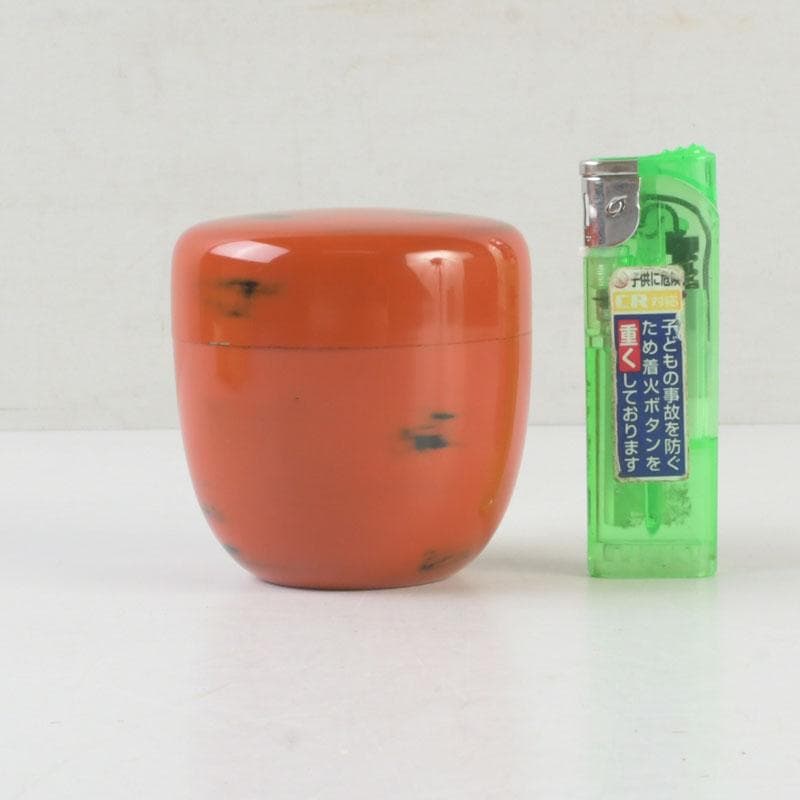
Negoro-nuri Lacquer Natsume Tea Caddy by Shoun — Chunatsume with Original Signed Box
Negoro-nuri Lacquer Natsume Tea Caddy by Shoun — Chunatsume with Original Signed Box
Regular price
Dhs. 1,005.00 AED
Regular price
Sale price
Dhs. 1,005.00 AED
Taxes included.
Shipping calculated at checkout.
Experience Authentic Japan Art with this Negoro Nuri Lacquer Tea Caddy. This Japanese Tea Ceremony Caddy serves as a Chado Tea Utensil and Collectible Lacquerware, featuring Shu Urushi Red Lacquer and Kuro Urushi Black Accent — a must-have for any Art Collector seeking Vintage Japanese Lacquer, Signed Artisan Box, and Matcha Tea Ceremony Ware.
🔹 [ BASIC DETAILS ]
• Artist: Shoun (松雲) — lacquer artist working in the negoro tradition; signed tomobako with red seal
• Technique: Negoro-nuri (根來塗) — layered shu-urushi (vermilion) over kuro-urushi (black), with intentional black spots revealing the underlayer
• Era: Post-1970s (estimated contemporary production by traditional craftsman)
• Origin: Japanese lacquerware tradition rooted in Negoro-dera, Wakayama Prefecture (Kishu region)
• Form: Chunatsume (中棗) — medium-sized natsume tea caddy for koicha or usucha ceremony use
• Dimensions: Height approx. 6.5 cm, Width approx. 6.7 cm, Weight approx. 49 g
• Box: Original tomobako (共箱) — lid inscribed 「根來 中棗」in brushwork, side signed 「松雲」with red inkan seal; tied with green grosgrain ribbon
• Condition: Excellent — high-gloss vermilion surface well-preserved; black spots are intentional design elements, not damage; lid fits cleanly with no looseness
🔹 [ CULTURAL & ARTISTIC INSIGHT ]
Negoro-nuri is one of the most quietly compelling lacquer traditions in Japan. Named for Negoro-dera, a great Shingon temple complex on Mount Negoro in Wakayama, this technique was developed by monks who required durable, functional lacquerware for daily use. The method is deceptively simple in concept yet profound in effect: a base layer of kuro-urushi (black lacquer) is covered with multiple coats of shu-urushi (vermilion red), then the surface is intentionally worn or — in the case of contemporary craft — skillfully distressed so that the black beneath reveals itself in organic patches. The result is a surface alive with what Japanese aesthetics call "keishiki no nai bi" — beauty without fixed form.
What distinguishes this natsume by Shoun is the particular quality of those black interruptions. They appear not as defects but as presences — scattered across the domed lid and rounded body like dark stones visible through still red water. The mirror-smooth lacquer ground catches and diffuses light, while each ebony island holds the eye. This interplay of vermilion warmth and black coolness is the defining "keshiki" (景色 — landscape) of negoro ware, and a skilled artist controls where that landscape forms.
The chunatsume form — compact, rounded, with a gently domed lid — has been used in Japanese tea ceremony for over four centuries. It holds the powdered matcha in proximity to the host's hands during the temae (点前), the choreographed sequence of preparation. The intimacy of this small object — its weight in the palm, the soft thud of its lid — is an integral part of the tea experience.
Poetic Line: "Where red lacquer yields to black, a landscape forms — the monk's patience and the mountain's silence, held in the curve of a lid."
🔹 [ DEEP-DIVE COMMENTARY ]
Negoro-nuri as a tradition dates to the Kamakura period (1185–1333), when the monks of Negoro-dera began producing wooden vessels finished in this characteristic two-tone technique. The original negoro pieces were utilitarian — trays, bowls, serving vessels — and their aged surfaces, worn by generations of use, became prized for a raw, uncontrived beauty that aligned with the wabi sensibility emerging in Japanese aesthetic culture.
The technical achievement of negoro-nuri lies in the adhesion chemistry between urushi layers and the deliberate management of wear. Traditional lacquer is derived from the sap of Toxicodendron vernicifluum (the urushi tree), a slow-polymerizing resin that — when properly processed and layered — creates one of the most durable surface coatings known before synthetic materials. Multiple coats of kuro-urushi form a dense foundation, and subsequent shu-urushi layers are polished between applications to ensure molecular adhesion. In contemporary negoro work like this natsume by Shoun, the black spots are achieved not through natural wear but through controlled application — areas where the black base is allowed to show, or where shu-urushi is removed after partial curing.
For collectors, negoro-nuri holds particular appeal because it represents a convergence of craft, philosophy, and history. The technique was nearly lost when Toyotomi Hideyoshi destroyed Negoro-dera in 1585, forcing surviving craftsmen to scatter and carry their knowledge to other lacquer centers across Japan — Wakayama, Kyoto, and Edo. Contemporary artists like Shoun work within a reconstructed tradition, training in the classical methods while adding personal interpretation in the placement and character of the black fenestrations.
The tomobako — the original wooden box signed by the artist — is not merely packaging. In Japanese connoisseurship, the box confirms authorship and is considered part of the work itself. Shoun's brushwork on this box is confident and balanced, with the red seal (inkan) adding the formal mark of artistic identity. Collectors and tea schools both value chomed tomobako as provenance documentation.
As a chunatsume, this piece occupies the practical center of the natsume family: larger than the small konatusme, smaller than the onatsume, the chunatsume is the most versatile for everyday temae. Its weight (49 g) and proportions indicate solid wood construction with substantial lacquer build — hallmarks of quality in tea utensil craftsmanship.
🔹 [ 日本語解説 ]
■ 基本仕様
• 作家:松雲 — 根來塗の伝統に立つ塗師。共箱蓋裏に「根來 中棗」の墨書、側面に「松雲」の署名と朱印あり。
• 技法:根來塗 — 木地に黒漆を下地として複数回塗り重ね、上から朱漆を施して仕上げる。表面に現れる黒い景色は、意匠として計算された下地の覗きであり、劣化ではない。
• 推定年代:昭和後期〜平成(現代作家による伝統技法の継承作)
• 産地・流派:紀州根來寺を起源とする根來塗系統
• 形状:中棗 — 茶道における最もオーソドックスな棗のサイズ。濃茶・薄茶双方に用いられる。
• 寸法:高さ約6.5cm、幅約6.7cm、重さ約49g
• 箱:共箱 — 蓋表に「根來 中棗」の墨書、側面に「松雲」の署名と朱色の落款印。緑色の組紐で結ばれ、保存状態良好。
• 状態:優良 — 朱漆面の光沢は保たれ、黒い景色は意匠の一部として完結している。蓋の合いは無理なく、ガタつきもない。
■ 文化的・美術的背景
根來塗の美は、単純な二色の対話に尽きない。朱と黒が作り出す「景色」は、見る角度と光によって表情を変える。この中棗で松雲が描き出したのは、朱漆の海に浮かぶ墨色の島々のような景色であり、蓋の天板から胴部にかけて有機的に散らばる黒点の配置は、自然の風景を思わせる。
根來塗の起源は鎌倉時代にさかのぼる。紀州(現在の和歌山県)の根來寺において、僧侶たちが日常使いの什器として制作した黒塗りの器が、長年の使用によって朱漆の地が露出したことに美を見出したのが始まりとされる。豊臣秀吉による根來寺焼討ち(1585年)で技法の担い手は各地に散ったが、その技術は継承され、現代に至る。
侘び茶の文脈において、棗は単なる薄茶入れではなく、亭主の手の内に生きる道具である。点前の中でその重さ、蓋の音、漆面の艶が場を構成する。松雲作のこの中棗は、その役割を静かに、確かに担う存在感を持っている。
詩的一文:「朱のなかで黒が息をする。それは傷ではなく、時間が漆に書いた文字だ。」
■ 深層解説
根來塗の技術的核心は、漆の積層と研磨にある。木地に生漆を吸わせる「木固め」から始まり、錆漆による下地形成、黒漆の中塗り・上塗り、そして朱漆の施工と研ぎ出しまで、工程は数十に及ぶ。朱漆の下に黒漆を置くのは、単なる装飾的対比ではなく、下地の強度と上塗りの発色を両立させる機能的判断でもある。
松雲のこの作品では、黒点の大きさと形が一つとして同じではない。小さな点、やや長い斑、丸みを帯びた島など、その変化が単調さを排し、見る者を釘付けにする。上塗りの艶は鏡面に近く、光の当たり方によって深みが変わる。これは手磨き(磨き漆)による仕上げであり、機械研磨では生まれない微妙な光の揺れがある。
共箱の価値は骨董の文脈において、作品そのものと不可分である。落款印の朱の鮮やかさは、保存状態の良さを示すとともに、松雲という作家の自意識を示している。茶道具においては、箱書きが作品の真贋と来歴を保証する「もう一つの作品」であると理解されている。
中棗という形式は茶道の実用の中心に位置する。大棗・中棗・小棗の三種の中で、中棗は最も汎用性が高く、表千家・裏千家・武者小路千家のいずれの流派においても基本の棗として位置づけられている。重さ49gという実測値は、木地の充実と漆層の厚みを示しており、長期使用に耐える工芸品としての品質を裏付けている。
🔹 [ SHIPPING & PACKAGING ]
• Dispatch: Within 1-6 business days
• Carrier: Japan Post EMS / UPS (with tracking)
• Packaging: Carefully wrapped with protective materials
🔹 [ BASIC DETAILS ]
• Artist: Shoun (松雲) — lacquer artist working in the negoro tradition; signed tomobako with red seal
• Technique: Negoro-nuri (根來塗) — layered shu-urushi (vermilion) over kuro-urushi (black), with intentional black spots revealing the underlayer
• Era: Post-1970s (estimated contemporary production by traditional craftsman)
• Origin: Japanese lacquerware tradition rooted in Negoro-dera, Wakayama Prefecture (Kishu region)
• Form: Chunatsume (中棗) — medium-sized natsume tea caddy for koicha or usucha ceremony use
• Dimensions: Height approx. 6.5 cm, Width approx. 6.7 cm, Weight approx. 49 g
• Box: Original tomobako (共箱) — lid inscribed 「根來 中棗」in brushwork, side signed 「松雲」with red inkan seal; tied with green grosgrain ribbon
• Condition: Excellent — high-gloss vermilion surface well-preserved; black spots are intentional design elements, not damage; lid fits cleanly with no looseness
🔹 [ CULTURAL & ARTISTIC INSIGHT ]
Negoro-nuri is one of the most quietly compelling lacquer traditions in Japan. Named for Negoro-dera, a great Shingon temple complex on Mount Negoro in Wakayama, this technique was developed by monks who required durable, functional lacquerware for daily use. The method is deceptively simple in concept yet profound in effect: a base layer of kuro-urushi (black lacquer) is covered with multiple coats of shu-urushi (vermilion red), then the surface is intentionally worn or — in the case of contemporary craft — skillfully distressed so that the black beneath reveals itself in organic patches. The result is a surface alive with what Japanese aesthetics call "keishiki no nai bi" — beauty without fixed form.
What distinguishes this natsume by Shoun is the particular quality of those black interruptions. They appear not as defects but as presences — scattered across the domed lid and rounded body like dark stones visible through still red water. The mirror-smooth lacquer ground catches and diffuses light, while each ebony island holds the eye. This interplay of vermilion warmth and black coolness is the defining "keshiki" (景色 — landscape) of negoro ware, and a skilled artist controls where that landscape forms.
The chunatsume form — compact, rounded, with a gently domed lid — has been used in Japanese tea ceremony for over four centuries. It holds the powdered matcha in proximity to the host's hands during the temae (点前), the choreographed sequence of preparation. The intimacy of this small object — its weight in the palm, the soft thud of its lid — is an integral part of the tea experience.
Poetic Line: "Where red lacquer yields to black, a landscape forms — the monk's patience and the mountain's silence, held in the curve of a lid."
🔹 [ DEEP-DIVE COMMENTARY ]
Negoro-nuri as a tradition dates to the Kamakura period (1185–1333), when the monks of Negoro-dera began producing wooden vessels finished in this characteristic two-tone technique. The original negoro pieces were utilitarian — trays, bowls, serving vessels — and their aged surfaces, worn by generations of use, became prized for a raw, uncontrived beauty that aligned with the wabi sensibility emerging in Japanese aesthetic culture.
The technical achievement of negoro-nuri lies in the adhesion chemistry between urushi layers and the deliberate management of wear. Traditional lacquer is derived from the sap of Toxicodendron vernicifluum (the urushi tree), a slow-polymerizing resin that — when properly processed and layered — creates one of the most durable surface coatings known before synthetic materials. Multiple coats of kuro-urushi form a dense foundation, and subsequent shu-urushi layers are polished between applications to ensure molecular adhesion. In contemporary negoro work like this natsume by Shoun, the black spots are achieved not through natural wear but through controlled application — areas where the black base is allowed to show, or where shu-urushi is removed after partial curing.
For collectors, negoro-nuri holds particular appeal because it represents a convergence of craft, philosophy, and history. The technique was nearly lost when Toyotomi Hideyoshi destroyed Negoro-dera in 1585, forcing surviving craftsmen to scatter and carry their knowledge to other lacquer centers across Japan — Wakayama, Kyoto, and Edo. Contemporary artists like Shoun work within a reconstructed tradition, training in the classical methods while adding personal interpretation in the placement and character of the black fenestrations.
The tomobako — the original wooden box signed by the artist — is not merely packaging. In Japanese connoisseurship, the box confirms authorship and is considered part of the work itself. Shoun's brushwork on this box is confident and balanced, with the red seal (inkan) adding the formal mark of artistic identity. Collectors and tea schools both value chomed tomobako as provenance documentation.
As a chunatsume, this piece occupies the practical center of the natsume family: larger than the small konatusme, smaller than the onatsume, the chunatsume is the most versatile for everyday temae. Its weight (49 g) and proportions indicate solid wood construction with substantial lacquer build — hallmarks of quality in tea utensil craftsmanship.
🔹 [ 日本語解説 ]
■ 基本仕様
• 作家:松雲 — 根來塗の伝統に立つ塗師。共箱蓋裏に「根來 中棗」の墨書、側面に「松雲」の署名と朱印あり。
• 技法:根來塗 — 木地に黒漆を下地として複数回塗り重ね、上から朱漆を施して仕上げる。表面に現れる黒い景色は、意匠として計算された下地の覗きであり、劣化ではない。
• 推定年代:昭和後期〜平成(現代作家による伝統技法の継承作)
• 産地・流派:紀州根來寺を起源とする根來塗系統
• 形状:中棗 — 茶道における最もオーソドックスな棗のサイズ。濃茶・薄茶双方に用いられる。
• 寸法:高さ約6.5cm、幅約6.7cm、重さ約49g
• 箱:共箱 — 蓋表に「根來 中棗」の墨書、側面に「松雲」の署名と朱色の落款印。緑色の組紐で結ばれ、保存状態良好。
• 状態:優良 — 朱漆面の光沢は保たれ、黒い景色は意匠の一部として完結している。蓋の合いは無理なく、ガタつきもない。
■ 文化的・美術的背景
根來塗の美は、単純な二色の対話に尽きない。朱と黒が作り出す「景色」は、見る角度と光によって表情を変える。この中棗で松雲が描き出したのは、朱漆の海に浮かぶ墨色の島々のような景色であり、蓋の天板から胴部にかけて有機的に散らばる黒点の配置は、自然の風景を思わせる。
根來塗の起源は鎌倉時代にさかのぼる。紀州(現在の和歌山県)の根來寺において、僧侶たちが日常使いの什器として制作した黒塗りの器が、長年の使用によって朱漆の地が露出したことに美を見出したのが始まりとされる。豊臣秀吉による根來寺焼討ち(1585年)で技法の担い手は各地に散ったが、その技術は継承され、現代に至る。
侘び茶の文脈において、棗は単なる薄茶入れではなく、亭主の手の内に生きる道具である。点前の中でその重さ、蓋の音、漆面の艶が場を構成する。松雲作のこの中棗は、その役割を静かに、確かに担う存在感を持っている。
詩的一文:「朱のなかで黒が息をする。それは傷ではなく、時間が漆に書いた文字だ。」
■ 深層解説
根來塗の技術的核心は、漆の積層と研磨にある。木地に生漆を吸わせる「木固め」から始まり、錆漆による下地形成、黒漆の中塗り・上塗り、そして朱漆の施工と研ぎ出しまで、工程は数十に及ぶ。朱漆の下に黒漆を置くのは、単なる装飾的対比ではなく、下地の強度と上塗りの発色を両立させる機能的判断でもある。
松雲のこの作品では、黒点の大きさと形が一つとして同じではない。小さな点、やや長い斑、丸みを帯びた島など、その変化が単調さを排し、見る者を釘付けにする。上塗りの艶は鏡面に近く、光の当たり方によって深みが変わる。これは手磨き(磨き漆)による仕上げであり、機械研磨では生まれない微妙な光の揺れがある。
共箱の価値は骨董の文脈において、作品そのものと不可分である。落款印の朱の鮮やかさは、保存状態の良さを示すとともに、松雲という作家の自意識を示している。茶道具においては、箱書きが作品の真贋と来歴を保証する「もう一つの作品」であると理解されている。
中棗という形式は茶道の実用の中心に位置する。大棗・中棗・小棗の三種の中で、中棗は最も汎用性が高く、表千家・裏千家・武者小路千家のいずれの流派においても基本の棗として位置づけられている。重さ49gという実測値は、木地の充実と漆層の厚みを示しており、長期使用に耐える工芸品としての品質を裏付けている。
🔹 [ SHIPPING & PACKAGING ]
• Dispatch: Within 1-6 business days
• Carrier: Japan Post EMS / UPS (with tracking)
• Packaging: Carefully wrapped with protective materials
Quantity
Couldn't load pickup availability
Low stock: 1 left
View full details