1
/
of
18
Negoro Lacquer Tea Caddy by Seishien - Shosoin Medicine Jar Form with Signed Box
Negoro Lacquer Tea Caddy by Seishien - Shosoin Medicine Jar Form with Signed Box
Regular price
Dhs. 1,618.00 AED
Regular price
Sale price
Dhs. 1,618.00 AED
Taxes included.
Shipping calculated at checkout.
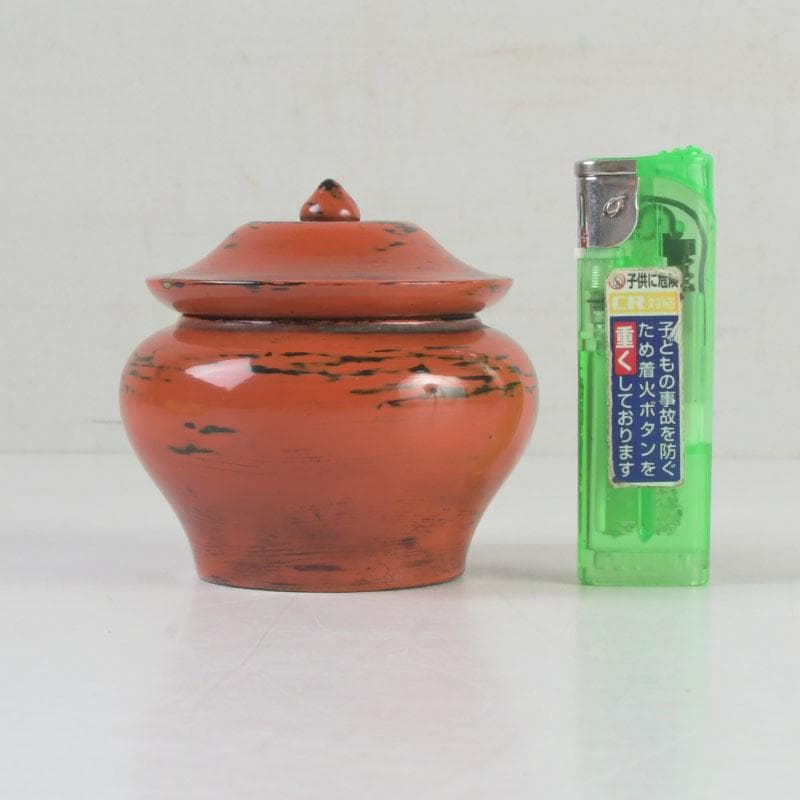
Experience authentic Japanese lacquerware with this Negoro Nuri Lacquer Tea Caddy. This Japanese Tea Caddy serves as a Shosoin Treasure Form and Tea Ceremony Caddy, featuring Red Black Lacquer artistry and Handmade Urushi Art—a must-have for any Art Collector seeking Zen Tea Accessories and Traditional Lacquer.
━━━━━━━━━━━━━━━━━━━━
🔹 [ BASIC DETAILS ]
• Artist: Seishien (青紫園)
• Technique: Negoro-nuri (根来塗) — red urushi layered over black base
• Era: Contemporary (Heisei–Reiwa period)
• Origin: Japan
• Form: Yakutsubo-gata (薬壷形) — Shōsōin imperial medicine jar shape
• Box: Signed tomobako with yellow cloth wrapper (共箱・仕覆付)
• Condition: Excellent — characteristic Negoro wear reveals black undercoat naturally
━━━━━━━━━━━━━━━━━━━━
🔹 [ CULTURAL & ARTISTIC INSIGHT ]
Negoro-nuri takes its name from Negoroji Temple in Wakayama Prefecture, where monks lacquered everyday vessels in red over black. Over centuries of use, the red surface wore through to reveal the black beneath — an accident of time that became a deliberate aesthetic. What was once considered damage transformed into one of Japan's most revered lacquer traditions.
This chaire draws its form from the yakutsubo (medicine jars) preserved in the Shōsōin Repository at Tōdai-ji, Nara — a storehouse of imperial treasures sealed since 756 CE. The bulbous body, defined waist, and fitted lid with pointed finial directly reference these ancient vessels, bridging twelve centuries of Japanese material culture into the tea room.
*"Time does not diminish this surface — it completes it. Each brush of the hand reveals the conversation between red and black, presence and memory."*
━━━━━━━━━━━━━━━━━━━━
🔹 [ DEEP-DIVE COMMENTARY ]
**The Negoro Tradition**: Negoro-nuri originated in the medieval period at Negoroji, a vast Shingon Buddhist temple complex. Monks applied red lacquer (shu-urushi) over black lacquer (kuro-urushi) on utilitarian objects. Natural wear from daily use created an unpredictable interplay between the two layers — red and black emerging in patterns no brush could replicate. Today, artisans deliberately recreate this aged beauty through controlled layering and strategic polishing.
**The Shōsōin Connection**: The Shōsōin Repository preserves over 9,000 objects from the Nara period. Medicine jars among these treasures inspired generations of craftsmen. By adopting this form for a chaire, the maker connects the practice of chanoyu to Japan's deepest cultural memory — the point where sacred objects and daily practice become inseparable.
**Technical Achievement**: The controlled wear visible on this piece is achieved by applying multiple coats of black urushi, followed by layers of vermillion shu-urushi. Strategic polishing at edges and high points reveals the dark foundation beneath. The mastery lies in knowing precisely where to thin the red to suggest centuries of contemplative handling.
**The Chaire in Tea Practice**: Unlike natsume used for thin tea (usucha), chaire hold koicha — thick tea reserved for the most formal, meditative preparation in chanoyu. The chaire's presence in a tea gathering signals the ceremony's highest expression. This Negoro example brings both warmth and historical gravitas to the tokonoma or temae.
━━━━━━━━━━━━━━━━━━━━
🔹 [ 日本語解説 ]
【基本情報】
• 作家:青紫園
• 技法:根来塗(朱漆・黒漆重層仕上げ)
• 時代:現代(平成〜令和)
• 産地:日本
• 形状:正倉院御物薬壷形
• 付属:共箱・仕覆(黄布)
• 状態:良好(根来特有の経年変化による朱黒のコントラストが見事)
【解説】
根来塗は和歌山県根来寺に端を発する漆芸技法です。黒漆の上に朱漆を塗り重ね、使い込むうちに朱が摩耗して下地の黒が透けて現れる——この時間がもたらす偶然の美を、意図的に再現する技法として確立されました。
本作は正倉院宝物の薬壷を写した茶入です。正倉院は756年の封蔵以来、奈良時代の宝物を伝える世界最古級の宝物殿であり、その器形を茶道具に取り入れることで、日本文化の最も深い記憶と茶の湯の実践を結びつけています。ふくよかな胴、くびれた腰、先端の尖った蓋のつまみが、古代の薬壷の風格をそのまま茶席に運びます。
━━━━━━━━━━━━━━━━━━━━
🔹 [ SHIPPING & PACKAGING ]
• Dispatch: Within 1-6 business days
• Carrier: Japan Post EMS / UPS (with tracking)
• Packaging: Carefully wrapped with protective materials
*Time wears the surface. What remains is not less — it is more.*
━━━━━━━━━━━━━━━━━━━━
🔹 [ BASIC DETAILS ]
• Artist: Seishien (青紫園)
• Technique: Negoro-nuri (根来塗) — red urushi layered over black base
• Era: Contemporary (Heisei–Reiwa period)
• Origin: Japan
• Form: Yakutsubo-gata (薬壷形) — Shōsōin imperial medicine jar shape
• Box: Signed tomobako with yellow cloth wrapper (共箱・仕覆付)
• Condition: Excellent — characteristic Negoro wear reveals black undercoat naturally
━━━━━━━━━━━━━━━━━━━━
🔹 [ CULTURAL & ARTISTIC INSIGHT ]
Negoro-nuri takes its name from Negoroji Temple in Wakayama Prefecture, where monks lacquered everyday vessels in red over black. Over centuries of use, the red surface wore through to reveal the black beneath — an accident of time that became a deliberate aesthetic. What was once considered damage transformed into one of Japan's most revered lacquer traditions.
This chaire draws its form from the yakutsubo (medicine jars) preserved in the Shōsōin Repository at Tōdai-ji, Nara — a storehouse of imperial treasures sealed since 756 CE. The bulbous body, defined waist, and fitted lid with pointed finial directly reference these ancient vessels, bridging twelve centuries of Japanese material culture into the tea room.
*"Time does not diminish this surface — it completes it. Each brush of the hand reveals the conversation between red and black, presence and memory."*
━━━━━━━━━━━━━━━━━━━━
🔹 [ DEEP-DIVE COMMENTARY ]
**The Negoro Tradition**: Negoro-nuri originated in the medieval period at Negoroji, a vast Shingon Buddhist temple complex. Monks applied red lacquer (shu-urushi) over black lacquer (kuro-urushi) on utilitarian objects. Natural wear from daily use created an unpredictable interplay between the two layers — red and black emerging in patterns no brush could replicate. Today, artisans deliberately recreate this aged beauty through controlled layering and strategic polishing.
**The Shōsōin Connection**: The Shōsōin Repository preserves over 9,000 objects from the Nara period. Medicine jars among these treasures inspired generations of craftsmen. By adopting this form for a chaire, the maker connects the practice of chanoyu to Japan's deepest cultural memory — the point where sacred objects and daily practice become inseparable.
**Technical Achievement**: The controlled wear visible on this piece is achieved by applying multiple coats of black urushi, followed by layers of vermillion shu-urushi. Strategic polishing at edges and high points reveals the dark foundation beneath. The mastery lies in knowing precisely where to thin the red to suggest centuries of contemplative handling.
**The Chaire in Tea Practice**: Unlike natsume used for thin tea (usucha), chaire hold koicha — thick tea reserved for the most formal, meditative preparation in chanoyu. The chaire's presence in a tea gathering signals the ceremony's highest expression. This Negoro example brings both warmth and historical gravitas to the tokonoma or temae.
━━━━━━━━━━━━━━━━━━━━
🔹 [ 日本語解説 ]
【基本情報】
• 作家:青紫園
• 技法:根来塗(朱漆・黒漆重層仕上げ)
• 時代:現代(平成〜令和)
• 産地:日本
• 形状:正倉院御物薬壷形
• 付属:共箱・仕覆(黄布)
• 状態:良好(根来特有の経年変化による朱黒のコントラストが見事)
【解説】
根来塗は和歌山県根来寺に端を発する漆芸技法です。黒漆の上に朱漆を塗り重ね、使い込むうちに朱が摩耗して下地の黒が透けて現れる——この時間がもたらす偶然の美を、意図的に再現する技法として確立されました。
本作は正倉院宝物の薬壷を写した茶入です。正倉院は756年の封蔵以来、奈良時代の宝物を伝える世界最古級の宝物殿であり、その器形を茶道具に取り入れることで、日本文化の最も深い記憶と茶の湯の実践を結びつけています。ふくよかな胴、くびれた腰、先端の尖った蓋のつまみが、古代の薬壷の風格をそのまま茶席に運びます。
━━━━━━━━━━━━━━━━━━━━
🔹 [ SHIPPING & PACKAGING ]
• Dispatch: Within 1-6 business days
• Carrier: Japan Post EMS / UPS (with tracking)
• Packaging: Carefully wrapped with protective materials
*Time wears the surface. What remains is not less — it is more.*
Quantity
Couldn't load pickup availability
Low stock: 1 left
View full details