1
/
of
12
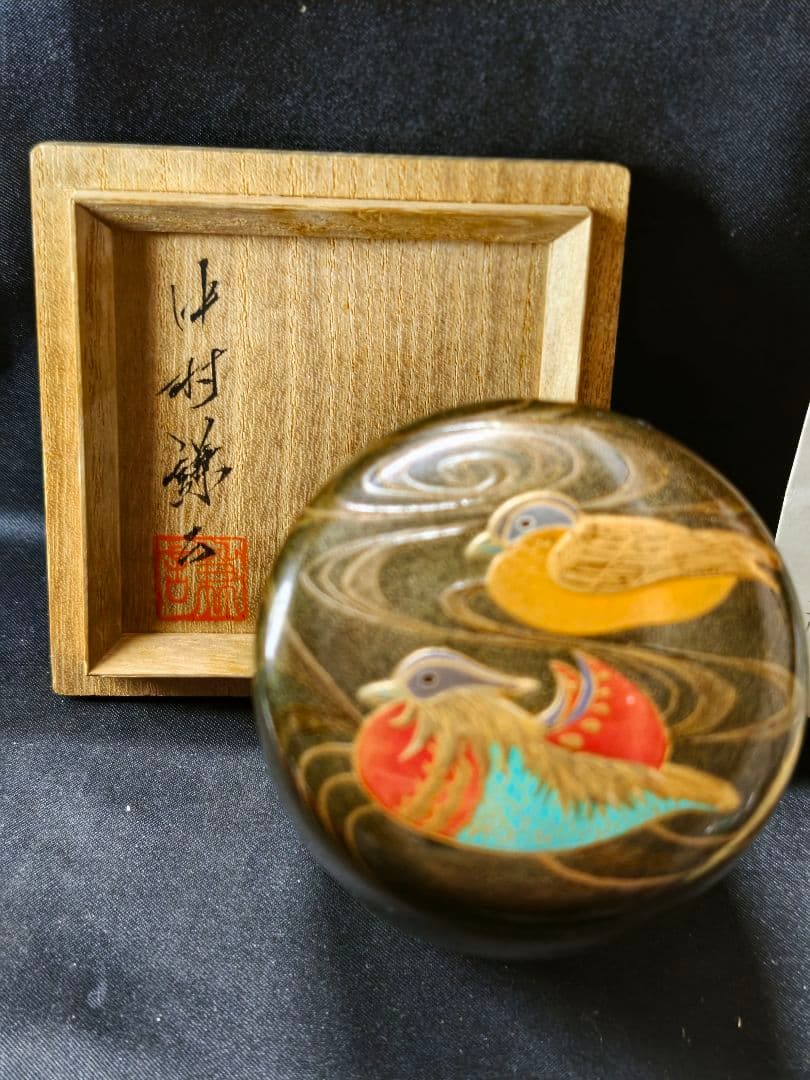
Nashiji Maki-e Mandarin Duck Natsume Tea Caddy by Nakamura Kenji — Japan Contemporary Craft Exhibition Award
Nashiji Maki-e Mandarin Duck Natsume Tea Caddy by Nakamura Kenji — Japan Contemporary Craft Exhibition Award
Regular price
Dhs. 2,503.00 AED
Regular price
Sale price
Dhs. 2,503.00 AED
Taxes included.
Shipping calculated at checkout.
Experience Authentic Japan Art with this Japanese Lacquer Tea Caddy. This Nashiji Maki-e Natsume serves as a Lacquer Tea Ceremony Box and Japanese Craft Award Piece, featuring Mandarin Duck Motif and Colored Maki-e Lacquer—a must-have for any Art Collector seeking Contemporary Japanese Lacquerware or a Kenji Nakamura Work with Original Signed Box.
🔹 [ BASIC DETAILS ]
• Artist: Nakamura Kenji (中村謙二) — Selected artist, Japan Contemporary Craft Exhibition (日本現代工芸展)
• Technique: Nashiji maki-e (pear-skin gold ground) with iro-urushi (colored lacquer) and taka-maki-e (raised maki-e); chinkin signature on base
• Era: 2010 – 2019 (modern, post-exhibition career)
• Origin: Japan (contemporary lacquer craft)
• Dimensions: Diameter approx. 7.3 cm, Height approx. 7.3 cm
• Box: Tomobako (original signed wooden box) and accompanying tomono (original cloth wrapping) included; full sakureki (provenance record) present
• Condition: Unused, mint (未使用美品) — no wear, no chips, no cloudiness in lacquer surface
🔹 [ CULTURAL & ARTISTIC INSIGHT ]
The natsume is among the most intimate objects in the Japanese tea ceremony (chado). Small enough to rest in one palm, it holds the powdered matcha that will become the tea — a substance of transformation, stillness, and attention. Its rounded silhouette echoes the plum fruit for which it is named, and its lacquered surface carries the entire visual program of the tea gathering into the hands of the host.
Nakamura Kenji chose the oshidori — the mandarin duck — as his central motif, and the choice carries centuries of meaning. In classical Japanese and Chinese poetic tradition, oshidori swim always in pairs; they are the symbol of conjugal fidelity, warmth, and the quiet constancy of love. Here, the male's breast blazes in vermilion and teal against the deep kuro-urushi ground, while the female rests close beside him, their forms anchored by the flowing gold ryusui-mon (water current pattern) that sweeps across every surface in undulating waves. The current does not rush. It moves as breath moves — rhythmically, inevitably, without urgency.
The nashiji ground — named for the skin of a pear — is achieved by suspending flakes of gold and silver in layers of transparent urushi lacquer, building a luminous field that shifts from warm amber to deep bronze depending on the angle of light. Against this field, the oshidori seem not painted but present, as if the stream has always carried them and always will.
A single chinkin character — 謙二 (Kenji) — is pressed into the base in sunken gold inlay, a mark of authorship as quiet and certain as the piece itself.
POETIC LINE: "Two ducks on a golden current — neither leading, neither following. This is what faithfulness looks like when it has nothing to prove."
🔹 [ DEEP-DIVE COMMENTARY ]
Nashiji is one of the most demanding ground techniques in the Japanese lacquer tradition. The word translates literally as "pear skin," a reference to the fine-grained, luminous surface created by scattering metal flakes — typically gold, silver, or alloys — across a wet urushi layer before sealing with additional transparent coats. The depth of the effect depends entirely on the layering sequence: flakes that sit at different depths within the lacquer strata catch and reflect light at different angles, producing a ground that appears almost three-dimensional, almost liquid. On this natsume, the nashiji field extends across the full body, interrupted only by the gold stream patterns and the oshidori motif — a compositional decision that requires exceptional planning, as the gold ground must be laid before the figural work begins.
Taka-maki-e, the raised maki-e technique used for the birds and water currents, involves building up relief forms in successive applications of lacquer mixed with powders such as charcoal or tonoko (polishing powder), then dusting metal powders and burnishing to achieve the final surface. The result is a figure that stands above the ground plane, casting subtle shadows that shift with light and movement. On the oshidori's breast and wing, the transition from vermilion through teal to the dark body feathers demonstrates a mastery of iro-urushi (colored lacquer) layering that is rarely attempted at this scale — each color is a separate lacquer compound, applied wet, dried in controlled humidity, and refined across multiple sessions.
Chinkin — the sunken gold inlay technique used for the artist's signature — is a distinct tradition from maki-e, associated primarily with the Wajima lacquer school but practiced by accomplished artists across Japan. The lacquer surface is incised with a sharp tool, then gold leaf or powder is pressed into the lines and secured with fresh urushi. On this base, the two characters of Nakamura Kenji's given name sit in the center of the foot in balanced, confident strokes — not a stamp, but a statement.
The Japan Contemporary Craft Exhibition (日本現代工芸展) is one of the premier juried craft exhibitions in Japan, organized under the auspices of the Japan Arts and Crafts Association. Selection requires peer review by established masters; inclusion in the exhibition record (sakureki) is a form of institutional authentication that substantially distinguishes an artist's work from unsigned or undocumented production. The tomobako — the original wooden box inscribed by the artist — and the full provenance document enclosed with this natsume constitute an unusually complete archival record for a contemporary lacquer work at this scale.
For the collector, this natsume represents the intersection of technical mastery and poetic intelligence: a work that rewards slow looking, that changes with the light of the room, and that carries within its paired birds a subject worthy of contemplation at every stage of the tea.
[ JAPANESE DESCRIPTION / 日本語解説 ]
🔹 【作品詳細】
• 作家:中村謙二(日本現代工芸展入選)
• 技法:梨地蒔絵(黒漆地に梨地金蒔絵)、色漆高蒔絵による鴛鴦図、底に「謙二」沈金銘
• 年代:2010〜2019年代(現代漆芸)
• 産地:日本
• 寸法:径約7.3cm、高さ約7.3cm
• 付属:共箱・共布・作歴完備
• 状態:未使用美品(漆面に曇り・傷なし)
🔹 【文化と美の解説】
棗は茶道において最も親密な道具のひとつです。片手にすっぽり収まる小さな器に抹茶を納め、点前の中心に据えられる。その丸みある姿は梅の実に似て、漆の黒は茶の間の沈黙を映します。
中村謙二が選んだのは、鴛鴦(おしどり)という主題でした。古来より詩の中で「つがいの象徴」として詠まれてきた鴛鴦は、寄り添う愛の静かな形です。雄の朱赤と鮮やかな青緑の羽毛が黒漆地に映え、雌は穏やかにその傍らに寄り添う。ふたつの姿を包むのは、金の流水文——うねりながら全体を流れる流れは、急かず、止まらず、ただ在り続けます。
梨地は、洋梨の肌のような細やかな輝きから名付けられた技法です。透漆の層に金銀の粉を散らし、複数回の塗り重ねと研ぎ出しによって生まれる地は、光の角度によって琥珀から深い金色に変化します。その上に描かれた鴛鴦は、描かれたというよりも、もとからそこに在ったかのような存在感を持ちます。
底面に沈金で刻まれた「謙二」の銘は、誇示でなく確信の印。静かであるほど、重い。
「金の流れに二羽の鴨——どちらが先でもなく、どちらが後でもなく。これが、証明する必要のない誠実さの姿です。」
🔹 【ディープダイブ解説】
梨地は日本漆芸における最も難度の高い地蒔き技法のひとつです。金銀の粉を湿った漆の上に散布し、透漆で封じながら層を重ねていく工程は、複数の乾燥工程と研ぎ出しを要します。各層の金粉が異なる深さに位置することで、光を受けた際に立体的な輝きが生まれます。この棗では、梨地地が全体を覆い、流水文と鴛鴦の図様のみがその輝きを引き立てています。
高蒔絵技法では、木炭粉や刻苧(こくそ)を混ぜた漆で盛り上げた上に金属粉を蒔き、研き出して立体的な図様を表現します。鴛鴦の羽毛の赤・緑・金のグラデーションは、それぞれ異なる色漆(iro-urushi)を独立した工程で塗り重ねた成果であり、この寸法の作品において達成するには卓越した技術的制御が求められます。
沈金は輪島塗との関連で知られる技法ですが、熟達した漆芸家が広く実践する技でもあります。漆面を鋭利な刀で彫り込み、そこに金箔・金粉を押し込んで固定する工程により、底面の「謙二」二文字が生まれました。刻みは深く、線は迷いがありません。
日本現代工芸展は日本工芸会の主催による権威ある公募展です。入選作品は同展の記録に残り、作家の実力と評価を示す客観的な指標となります。本作に付属する作歴はこの入選記録を含み、共箱への自筆書き付けとともに、現代漆芸作品としては稀に見る完全な来歴を構成しています。
コレクターにとって、この棗は技術と詩心が交差する地点にある作品です。光とともに変化し、鴛鴦の主題とともに静かに語りかける——茶の間に置かれるにふさわしい、深さのある一器です。
🔹 [ SHIPPING & PACKAGING ]
• Dispatch: Within 1-6 business days
• Carrier: Japan Post EMS / UPS (with tracking)
• Packaging: Carefully wrapped with protective materials
🔹 [ BASIC DETAILS ]
• Artist: Nakamura Kenji (中村謙二) — Selected artist, Japan Contemporary Craft Exhibition (日本現代工芸展)
• Technique: Nashiji maki-e (pear-skin gold ground) with iro-urushi (colored lacquer) and taka-maki-e (raised maki-e); chinkin signature on base
• Era: 2010 – 2019 (modern, post-exhibition career)
• Origin: Japan (contemporary lacquer craft)
• Dimensions: Diameter approx. 7.3 cm, Height approx. 7.3 cm
• Box: Tomobako (original signed wooden box) and accompanying tomono (original cloth wrapping) included; full sakureki (provenance record) present
• Condition: Unused, mint (未使用美品) — no wear, no chips, no cloudiness in lacquer surface
🔹 [ CULTURAL & ARTISTIC INSIGHT ]
The natsume is among the most intimate objects in the Japanese tea ceremony (chado). Small enough to rest in one palm, it holds the powdered matcha that will become the tea — a substance of transformation, stillness, and attention. Its rounded silhouette echoes the plum fruit for which it is named, and its lacquered surface carries the entire visual program of the tea gathering into the hands of the host.
Nakamura Kenji chose the oshidori — the mandarin duck — as his central motif, and the choice carries centuries of meaning. In classical Japanese and Chinese poetic tradition, oshidori swim always in pairs; they are the symbol of conjugal fidelity, warmth, and the quiet constancy of love. Here, the male's breast blazes in vermilion and teal against the deep kuro-urushi ground, while the female rests close beside him, their forms anchored by the flowing gold ryusui-mon (water current pattern) that sweeps across every surface in undulating waves. The current does not rush. It moves as breath moves — rhythmically, inevitably, without urgency.
The nashiji ground — named for the skin of a pear — is achieved by suspending flakes of gold and silver in layers of transparent urushi lacquer, building a luminous field that shifts from warm amber to deep bronze depending on the angle of light. Against this field, the oshidori seem not painted but present, as if the stream has always carried them and always will.
A single chinkin character — 謙二 (Kenji) — is pressed into the base in sunken gold inlay, a mark of authorship as quiet and certain as the piece itself.
POETIC LINE: "Two ducks on a golden current — neither leading, neither following. This is what faithfulness looks like when it has nothing to prove."
🔹 [ DEEP-DIVE COMMENTARY ]
Nashiji is one of the most demanding ground techniques in the Japanese lacquer tradition. The word translates literally as "pear skin," a reference to the fine-grained, luminous surface created by scattering metal flakes — typically gold, silver, or alloys — across a wet urushi layer before sealing with additional transparent coats. The depth of the effect depends entirely on the layering sequence: flakes that sit at different depths within the lacquer strata catch and reflect light at different angles, producing a ground that appears almost three-dimensional, almost liquid. On this natsume, the nashiji field extends across the full body, interrupted only by the gold stream patterns and the oshidori motif — a compositional decision that requires exceptional planning, as the gold ground must be laid before the figural work begins.
Taka-maki-e, the raised maki-e technique used for the birds and water currents, involves building up relief forms in successive applications of lacquer mixed with powders such as charcoal or tonoko (polishing powder), then dusting metal powders and burnishing to achieve the final surface. The result is a figure that stands above the ground plane, casting subtle shadows that shift with light and movement. On the oshidori's breast and wing, the transition from vermilion through teal to the dark body feathers demonstrates a mastery of iro-urushi (colored lacquer) layering that is rarely attempted at this scale — each color is a separate lacquer compound, applied wet, dried in controlled humidity, and refined across multiple sessions.
Chinkin — the sunken gold inlay technique used for the artist's signature — is a distinct tradition from maki-e, associated primarily with the Wajima lacquer school but practiced by accomplished artists across Japan. The lacquer surface is incised with a sharp tool, then gold leaf or powder is pressed into the lines and secured with fresh urushi. On this base, the two characters of Nakamura Kenji's given name sit in the center of the foot in balanced, confident strokes — not a stamp, but a statement.
The Japan Contemporary Craft Exhibition (日本現代工芸展) is one of the premier juried craft exhibitions in Japan, organized under the auspices of the Japan Arts and Crafts Association. Selection requires peer review by established masters; inclusion in the exhibition record (sakureki) is a form of institutional authentication that substantially distinguishes an artist's work from unsigned or undocumented production. The tomobako — the original wooden box inscribed by the artist — and the full provenance document enclosed with this natsume constitute an unusually complete archival record for a contemporary lacquer work at this scale.
For the collector, this natsume represents the intersection of technical mastery and poetic intelligence: a work that rewards slow looking, that changes with the light of the room, and that carries within its paired birds a subject worthy of contemplation at every stage of the tea.
[ JAPANESE DESCRIPTION / 日本語解説 ]
🔹 【作品詳細】
• 作家:中村謙二(日本現代工芸展入選)
• 技法:梨地蒔絵(黒漆地に梨地金蒔絵)、色漆高蒔絵による鴛鴦図、底に「謙二」沈金銘
• 年代:2010〜2019年代(現代漆芸)
• 産地:日本
• 寸法:径約7.3cm、高さ約7.3cm
• 付属:共箱・共布・作歴完備
• 状態:未使用美品(漆面に曇り・傷なし)
🔹 【文化と美の解説】
棗は茶道において最も親密な道具のひとつです。片手にすっぽり収まる小さな器に抹茶を納め、点前の中心に据えられる。その丸みある姿は梅の実に似て、漆の黒は茶の間の沈黙を映します。
中村謙二が選んだのは、鴛鴦(おしどり)という主題でした。古来より詩の中で「つがいの象徴」として詠まれてきた鴛鴦は、寄り添う愛の静かな形です。雄の朱赤と鮮やかな青緑の羽毛が黒漆地に映え、雌は穏やかにその傍らに寄り添う。ふたつの姿を包むのは、金の流水文——うねりながら全体を流れる流れは、急かず、止まらず、ただ在り続けます。
梨地は、洋梨の肌のような細やかな輝きから名付けられた技法です。透漆の層に金銀の粉を散らし、複数回の塗り重ねと研ぎ出しによって生まれる地は、光の角度によって琥珀から深い金色に変化します。その上に描かれた鴛鴦は、描かれたというよりも、もとからそこに在ったかのような存在感を持ちます。
底面に沈金で刻まれた「謙二」の銘は、誇示でなく確信の印。静かであるほど、重い。
「金の流れに二羽の鴨——どちらが先でもなく、どちらが後でもなく。これが、証明する必要のない誠実さの姿です。」
🔹 【ディープダイブ解説】
梨地は日本漆芸における最も難度の高い地蒔き技法のひとつです。金銀の粉を湿った漆の上に散布し、透漆で封じながら層を重ねていく工程は、複数の乾燥工程と研ぎ出しを要します。各層の金粉が異なる深さに位置することで、光を受けた際に立体的な輝きが生まれます。この棗では、梨地地が全体を覆い、流水文と鴛鴦の図様のみがその輝きを引き立てています。
高蒔絵技法では、木炭粉や刻苧(こくそ)を混ぜた漆で盛り上げた上に金属粉を蒔き、研き出して立体的な図様を表現します。鴛鴦の羽毛の赤・緑・金のグラデーションは、それぞれ異なる色漆(iro-urushi)を独立した工程で塗り重ねた成果であり、この寸法の作品において達成するには卓越した技術的制御が求められます。
沈金は輪島塗との関連で知られる技法ですが、熟達した漆芸家が広く実践する技でもあります。漆面を鋭利な刀で彫り込み、そこに金箔・金粉を押し込んで固定する工程により、底面の「謙二」二文字が生まれました。刻みは深く、線は迷いがありません。
日本現代工芸展は日本工芸会の主催による権威ある公募展です。入選作品は同展の記録に残り、作家の実力と評価を示す客観的な指標となります。本作に付属する作歴はこの入選記録を含み、共箱への自筆書き付けとともに、現代漆芸作品としては稀に見る完全な来歴を構成しています。
コレクターにとって、この棗は技術と詩心が交差する地点にある作品です。光とともに変化し、鴛鴦の主題とともに静かに語りかける——茶の間に置かれるにふさわしい、深さのある一器です。
🔹 [ SHIPPING & PACKAGING ]
• Dispatch: Within 1-6 business days
• Carrier: Japan Post EMS / UPS (with tracking)
• Packaging: Carefully wrapped with protective materials
Quantity
Couldn't load pickup availability
Low stock: 1 left
View full details