1
/
of
9
Narumi Oribe Incense Container by Motomura Sachi — Gesshin Kiln Kogo
Narumi Oribe Incense Container by Motomura Sachi — Gesshin Kiln Kogo
Regular price
Dhs. 1,545.00 AED
Regular price
Sale price
Dhs. 1,545.00 AED
Taxes included.
Shipping calculated at checkout.
Experience authentic Japanese tea ceremony art with this Narumi Oribe incense container by Motomura Sachi of Gesshin kiln. This Mino-ware kogo serves as a ceremonial incense vessel and sculptural art object, featuring copper-green glaze and bold iron-painted decoration—a must-have for any tea practitioner seeking Oribe ceramic tradition and asymmetric beauty.
━━━━━━━━━━━━━━━━━━━━
🔹 [ BASIC DETAILS ]
• Artist: Motomura Sachi (本村幸) — Gesshin Kiln (月心窯)
• Technique: Narumi Oribe — copper-green glaze with iron-painted decoration
• Era: Contemporary (Heisei–Reiwa period)
• Origin: Mino, Gifu Prefecture, Japan
• Dimensions: 4.5 cm height × 5.6 cm width (1.8" × 2.2")
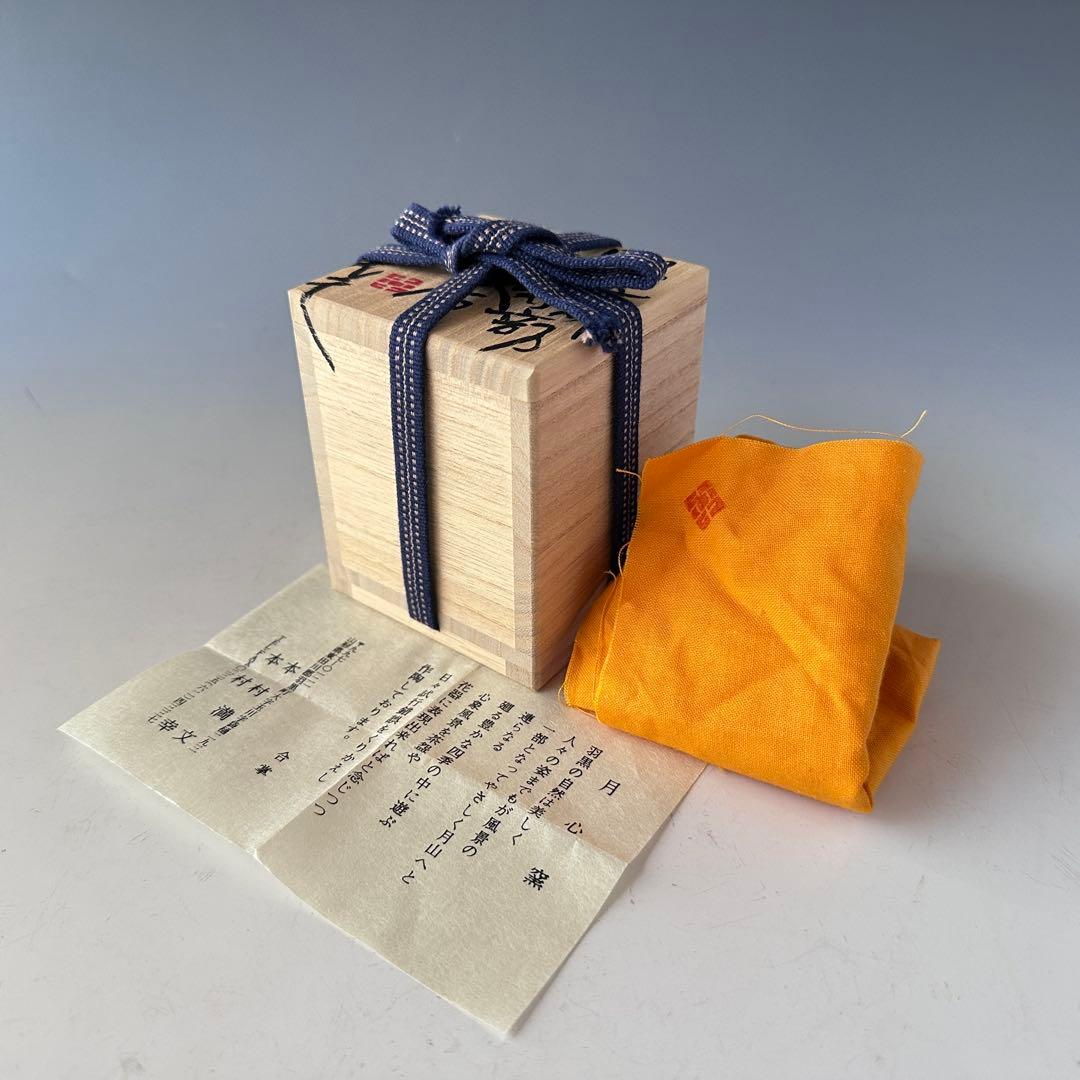
• Box: Tomobako (signed wooden storage box)
• Condition: Excellent
━━━━━━━━━━━━━━━━━━━━
🔹 [ CULTURAL & ARTISTIC INSIGHT ]
Furuta Oribe (1544–1615) upended the tea world's reverence for quiet restraint. Where his predecessors sought stillness, Oribe demanded boldness — asymmetry over balance, vivid green over muted earth, the unexpected over the expected. Narumi Oribe, a sub-style bearing this philosophy, combines sections of brilliant copper-green glaze with iron-painted geometric patterns on bare clay, creating a dialogue between color and austerity on a single vessel.
Motomura Sachi's kogo embodies this tension with striking clarity. The angular rectangular form refuses symmetry, while the sculptural lid — a flowing, ribbon-like element glazed in vivid copper green — rises from the box like a gesture frozen mid-motion. The back face carries iron-brushed abstract patterning on exposed clay, completing the Narumi Oribe dialogue between the glazed and the unglazed, the controlled and the free.
As a kogo, this piece occupies a specific place in the tea ceremony: the vessel that holds incense, presented and admired before the charcoal is laid. Its small scale demands that every surface decision carry cultural weight. Motomura answers that demand with a piece that is simultaneously container and sculpture — function and presence inseparable.
*"The incense container asks for nothing but attention. In that asking, the entire tea room shifts."*
━━━━━━━━━━━━━━━━━━━━
🔹 [ DEEP-DIVE COMMENTARY ]
**Narumi Oribe Classification**: Among the sub-styles of Oribe ware, Narumi Oribe is distinguished by its division of glazed and unglazed territories. The copper-green glaze occupies one zone while iron-oxide painting decorates the bare clay of another. This duality is not merely decorative — it embodies the Oribe aesthetic's fundamental embrace of contrast, where opposing elements generate presence through their coexistence rather than their resolution.
**Sculptural Lid as Statement**: The flowing green form atop the lid transforms a functional closure into a sculptural event. This three-dimensional element is characteristic of Oribe's rejection of the merely practical. The lid does not simply close the box; it announces the object's authorship and artistic ambition. The vivid copper-oxide green, achieved through oxidation firing, carries the unmistakable Oribe signature.
**Kogo in Tea Practice**: The incense container holds a ceremonial role that belies its modest size. Presented during charcoal-laying (sumidemae), the kogo is passed among guests for close inspection — making surface quality, form, and detail subject to intimate scrutiny. A kogo must reward that closeness. Motomura's piece, with its sculptural complexity and glaze depth, offers layers of discovery at hand-held distance.
**Gesshin Kiln Lineage**: The Gesshin kiln (月心窯, literally "Moon Heart Kiln") operates within the Mino ceramic heartland of Gifu Prefecture, the historical home of Oribe ware. Motomura Sachi works within this geographic and artistic lineage, producing pieces that honor the 400-year Oribe tradition while carrying a contemporary maker's individual conviction. The tomobako inscription confirms the full attribution: artist, kiln, style, and form.
━━━━━━━━━━━━━━━━━━━━
🔹 [ 日本語解説 ]
【基本情報】
• 作家:本村幸(月心窯)
• 技法:鳴海織部(銅緑釉+鉄絵)
• 時代:現代(平成〜令和)
• 産地:美濃(岐阜県)
• 寸法:高さ4.5cm × 幅5.6cm
• 付属:共箱
• 状態:良好
【解説】
月心窯・本村幸による鳴海織部香合。角形の箱型に、鮮やかな銅緑釉の流れるような造形が蓋上に立ち上がり、背面には素地に鉄絵による幾何学文が描かれています。釉のかかる部分とかからない部分の対比は鳴海織部の本質であり、古田織部が提唱した大胆で非対称な茶の美意識を小さな香合の中に凝縮しています。
茶席の炭手前で披露される香合は、客の手元で鑑賞される特別な道具。その親密な距離に応える造形と釉調の深みを備えた一品です。
━━━━━━━━━━━━━━━━━━━━
🔹 [ SHIPPING & PACKAGING ]
• Dispatch: Within 1-6 business days
• Carrier: Japan Post EMS / UPS (with tracking)
• Packaging: Carefully wrapped with protective materials
*A gesture in green, holding silence and smoke.*
━━━━━━━━━━━━━━━━━━━━
🔹 [ BASIC DETAILS ]
• Artist: Motomura Sachi (本村幸) — Gesshin Kiln (月心窯)
• Technique: Narumi Oribe — copper-green glaze with iron-painted decoration
• Era: Contemporary (Heisei–Reiwa period)
• Origin: Mino, Gifu Prefecture, Japan
• Dimensions: 4.5 cm height × 5.6 cm width (1.8" × 2.2")
• Box: Tomobako (signed wooden storage box)
• Condition: Excellent
━━━━━━━━━━━━━━━━━━━━
🔹 [ CULTURAL & ARTISTIC INSIGHT ]
Furuta Oribe (1544–1615) upended the tea world's reverence for quiet restraint. Where his predecessors sought stillness, Oribe demanded boldness — asymmetry over balance, vivid green over muted earth, the unexpected over the expected. Narumi Oribe, a sub-style bearing this philosophy, combines sections of brilliant copper-green glaze with iron-painted geometric patterns on bare clay, creating a dialogue between color and austerity on a single vessel.
Motomura Sachi's kogo embodies this tension with striking clarity. The angular rectangular form refuses symmetry, while the sculptural lid — a flowing, ribbon-like element glazed in vivid copper green — rises from the box like a gesture frozen mid-motion. The back face carries iron-brushed abstract patterning on exposed clay, completing the Narumi Oribe dialogue between the glazed and the unglazed, the controlled and the free.
As a kogo, this piece occupies a specific place in the tea ceremony: the vessel that holds incense, presented and admired before the charcoal is laid. Its small scale demands that every surface decision carry cultural weight. Motomura answers that demand with a piece that is simultaneously container and sculpture — function and presence inseparable.
*"The incense container asks for nothing but attention. In that asking, the entire tea room shifts."*
━━━━━━━━━━━━━━━━━━━━
🔹 [ DEEP-DIVE COMMENTARY ]
**Narumi Oribe Classification**: Among the sub-styles of Oribe ware, Narumi Oribe is distinguished by its division of glazed and unglazed territories. The copper-green glaze occupies one zone while iron-oxide painting decorates the bare clay of another. This duality is not merely decorative — it embodies the Oribe aesthetic's fundamental embrace of contrast, where opposing elements generate presence through their coexistence rather than their resolution.
**Sculptural Lid as Statement**: The flowing green form atop the lid transforms a functional closure into a sculptural event. This three-dimensional element is characteristic of Oribe's rejection of the merely practical. The lid does not simply close the box; it announces the object's authorship and artistic ambition. The vivid copper-oxide green, achieved through oxidation firing, carries the unmistakable Oribe signature.
**Kogo in Tea Practice**: The incense container holds a ceremonial role that belies its modest size. Presented during charcoal-laying (sumidemae), the kogo is passed among guests for close inspection — making surface quality, form, and detail subject to intimate scrutiny. A kogo must reward that closeness. Motomura's piece, with its sculptural complexity and glaze depth, offers layers of discovery at hand-held distance.
**Gesshin Kiln Lineage**: The Gesshin kiln (月心窯, literally "Moon Heart Kiln") operates within the Mino ceramic heartland of Gifu Prefecture, the historical home of Oribe ware. Motomura Sachi works within this geographic and artistic lineage, producing pieces that honor the 400-year Oribe tradition while carrying a contemporary maker's individual conviction. The tomobako inscription confirms the full attribution: artist, kiln, style, and form.
━━━━━━━━━━━━━━━━━━━━
🔹 [ 日本語解説 ]
【基本情報】
• 作家:本村幸(月心窯)
• 技法:鳴海織部(銅緑釉+鉄絵)
• 時代:現代(平成〜令和)
• 産地:美濃(岐阜県)
• 寸法:高さ4.5cm × 幅5.6cm
• 付属:共箱
• 状態:良好
【解説】
月心窯・本村幸による鳴海織部香合。角形の箱型に、鮮やかな銅緑釉の流れるような造形が蓋上に立ち上がり、背面には素地に鉄絵による幾何学文が描かれています。釉のかかる部分とかからない部分の対比は鳴海織部の本質であり、古田織部が提唱した大胆で非対称な茶の美意識を小さな香合の中に凝縮しています。
茶席の炭手前で披露される香合は、客の手元で鑑賞される特別な道具。その親密な距離に応える造形と釉調の深みを備えた一品です。
━━━━━━━━━━━━━━━━━━━━
🔹 [ SHIPPING & PACKAGING ]
• Dispatch: Within 1-6 business days
• Carrier: Japan Post EMS / UPS (with tracking)
• Packaging: Carefully wrapped with protective materials
*A gesture in green, holding silence and smoke.*
Quantity
Couldn't load pickup availability
Out of stock
View full details