1
/
of
18
Narcissus Suisen Maki-e O-Natsume Tea Caddy by Sakashita Yuho Yamanaka-nuri
Narcissus Suisen Maki-e O-Natsume Tea Caddy by Sakashita Yuho Yamanaka-nuri
Regular price
Dhs. 1,080.00 AED
Regular price
Sale price
Dhs. 1,080.00 AED
Taxes included.
Shipping calculated at checkout.
Experience authentic Japanese tea ceremony lacquerware with this Narcissus Maki-e O-Natsume. This Japanese Tea Caddy serves as a Sakashita Yuho masterwork and Yamanaka-nuri Craft collectible, featuring Gold Lacquer Natsume artistry and Vermillion Lacquer ground—a must-have for any Art Collector seeking Urushi Lacquerware and Winter Tea Utensil.
━━━━━━━━━━━━━━━━━━━━
🔹 [ BASIC DETAILS ]
• Artist: Sakashita Yuho (坂下雄峰)
• Technique: Gold maki-e with aogai (blue shell) accents on vermillion urushi
• Origin: Yamanaka Onsen, Ishikawa Prefecture, Japan (山中塗)
• Era: 2010s
• Dimensions: Height approx. 7.5 cm, Diameter approx. 7.5 cm (3.0" × 3.0")
• Weight: Approx. 70 g
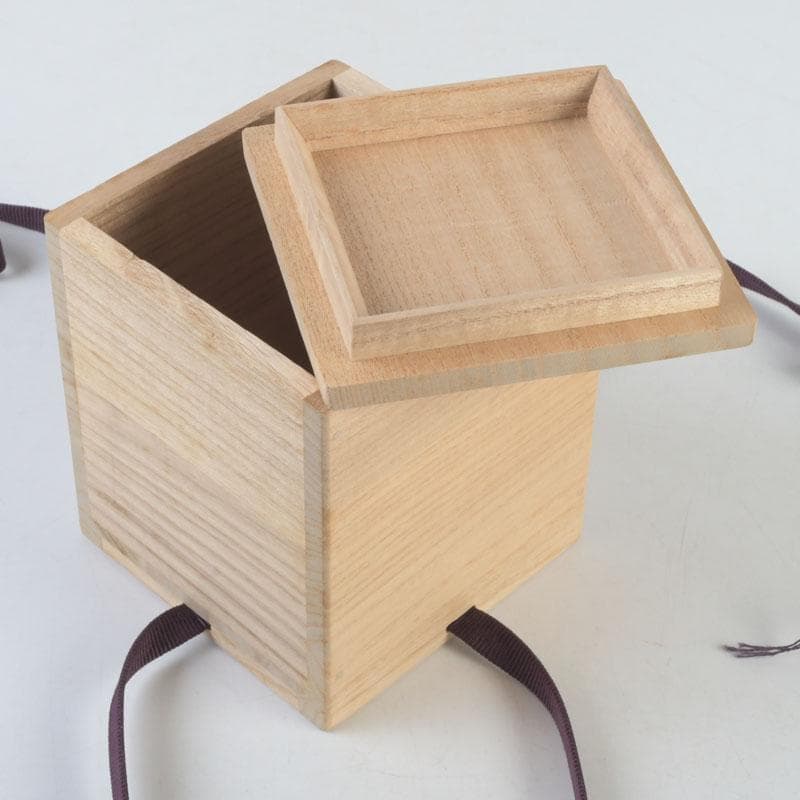
• Box: Tomobako with calligraphy '水仙蒔絵 大棗 / 雄峰' and red seal
• Includes: Tomobako, tomonuno (共布, teal cloth wrapper), purple silk ribbon
• Condition: Excellent — vermillion lacquer surface pristine, maki-e fully intact
━━━━━━━━━━━━━━━━━━━━
🔹 [ CULTURAL & ARTISTIC INSIGHT ]
The narcissus — suisen (水仙) in Japanese, literally "water immortal" — blooms when little else dares. It appears in the cold months, pushing through frozen soil with a quiet insistence that has nothing to do with courage and everything to do with nature following its own internal clock. In chanoyu, a suisen-motif natsume belongs to late winter gatherings, where the host acknowledges the season's severity by placing a flower that has already overcome it.
Sakashita Yuho renders the narcissus against vermillion lacquer — a deliberate inversion of the more common black ground. Vermillion (shu-nuri) carries associations with celebration, vitality, and the sacred. Against this warm field, the gold leaves arc with a calligrapher's assurance, their length and curvature capturing the narcissus's characteristic posture: upright, unhurried, entirely self-possessed. Blue-violet accents — likely aogai shell inlay or colored urushi — appear in the flower details, adding a note of coolness that prevents the composition from collapsing into warmth alone.
*"The narcissus does not announce spring. It simply arrives before anything else has the nerve to begin."*
━━━━━━━━━━━━━━━━━━━━
🔹 [ DEEP-DIVE COMMENTARY ]
**Suisen — The Water Immortal**: The Japanese name for narcissus translates as "water immortal" or "water sage," borrowed from the Chinese shuixian. The plant was introduced to Japan centuries ago and naturalized along coastal areas, particularly the Japan Sea side. In haiku, suisen is a kigo (seasonal word) for early winter. Its association with purity and renewal made it a favored subject for tea utensil decoration during the ro season.
**Vermillion Ground**: While black lacquer is the standard ground for maki-e natsume, vermillion represents a deliberate aesthetic statement. Shu-nuri requires multiple coats of cinnabar-pigmented urushi, each layer polished before the next is applied. The resulting surface carries both warmth and depth — not a flat red but a luminous field that seems to glow from within.
**Aogai and Colored Accents**: The blue-violet details visible in the flower petals suggest either aogai (blue shell) inlay or iro-urushi (colored lacquer). Aogai involves embedding thin slices of abalone or turban shell into the lacquer surface, where they refract light with an iridescent quality impossible to achieve with pigment alone.
**Yamanaka-nuri Tradition**: Yamanaka-nuri, from the hot spring town of Yamanaka in Ishikawa Prefecture, is celebrated among Japan's three great lacquer traditions for its mastery of wood-turning (rokuro) and its affinity for organic, naturalistic forms. Yuho's work sits firmly within this lineage.
━━━━━━━━━━━━━━━━━━━━
🔹 [ 日本語解説 ]
【基本情報】
• 作家:坂下雄峰
• 技法:金蒔絵・青貝(または色漆)、朱塗地
• 産地:山中塗(石川県加賀市山中温泉)
• 時代:2010年代
• 寸法:高さ約7.5cm × 径約7.5cm、重量約70g
• 付属:共箱(「水仙蒔絵 大棗 雄峰」箱書き・朱印)、共布(青緑色)、紫帯紐
• 状態:優良
【解説】
水仙(すいせん)は「水の仙人」の意を持ち、厳冬に凛と咲くその姿から、茶道では冬の取り合わせに好まれる意匠です。坂下雄峰は朱塗地という華やかな地色を選び、その上に金蒔絵で水仙の長い葉と花を描いています。花弁には青紫の色彩——青貝もしくは色漆——が加えられ、金と朱の暖色の中に一筋の涼やかさを差し込んでいます。山中塗は石川県の三大漆器産地のひとつで、特に木地挽き技術に定評があります。共箱・共布付き。
━━━━━━━━━━━━━━━━━━━━
🔹 [ SHIPPING & PACKAGING ]
• Dispatch: Within 1-6 business days
• Carrier: Japan Post EMS / UPS (with tracking)
• Packaging: Carefully wrapped with protective materials
*A water immortal rendered in gold — blooming on vermillion, it carries winter's silence into the tearoom.*
━━━━━━━━━━━━━━━━━━━━
🔹 [ BASIC DETAILS ]
• Artist: Sakashita Yuho (坂下雄峰)
• Technique: Gold maki-e with aogai (blue shell) accents on vermillion urushi
• Origin: Yamanaka Onsen, Ishikawa Prefecture, Japan (山中塗)
• Era: 2010s
• Dimensions: Height approx. 7.5 cm, Diameter approx. 7.5 cm (3.0" × 3.0")
• Weight: Approx. 70 g
• Box: Tomobako with calligraphy '水仙蒔絵 大棗 / 雄峰' and red seal
• Includes: Tomobako, tomonuno (共布, teal cloth wrapper), purple silk ribbon
• Condition: Excellent — vermillion lacquer surface pristine, maki-e fully intact
━━━━━━━━━━━━━━━━━━━━
🔹 [ CULTURAL & ARTISTIC INSIGHT ]
The narcissus — suisen (水仙) in Japanese, literally "water immortal" — blooms when little else dares. It appears in the cold months, pushing through frozen soil with a quiet insistence that has nothing to do with courage and everything to do with nature following its own internal clock. In chanoyu, a suisen-motif natsume belongs to late winter gatherings, where the host acknowledges the season's severity by placing a flower that has already overcome it.
Sakashita Yuho renders the narcissus against vermillion lacquer — a deliberate inversion of the more common black ground. Vermillion (shu-nuri) carries associations with celebration, vitality, and the sacred. Against this warm field, the gold leaves arc with a calligrapher's assurance, their length and curvature capturing the narcissus's characteristic posture: upright, unhurried, entirely self-possessed. Blue-violet accents — likely aogai shell inlay or colored urushi — appear in the flower details, adding a note of coolness that prevents the composition from collapsing into warmth alone.
*"The narcissus does not announce spring. It simply arrives before anything else has the nerve to begin."*
━━━━━━━━━━━━━━━━━━━━
🔹 [ DEEP-DIVE COMMENTARY ]
**Suisen — The Water Immortal**: The Japanese name for narcissus translates as "water immortal" or "water sage," borrowed from the Chinese shuixian. The plant was introduced to Japan centuries ago and naturalized along coastal areas, particularly the Japan Sea side. In haiku, suisen is a kigo (seasonal word) for early winter. Its association with purity and renewal made it a favored subject for tea utensil decoration during the ro season.
**Vermillion Ground**: While black lacquer is the standard ground for maki-e natsume, vermillion represents a deliberate aesthetic statement. Shu-nuri requires multiple coats of cinnabar-pigmented urushi, each layer polished before the next is applied. The resulting surface carries both warmth and depth — not a flat red but a luminous field that seems to glow from within.
**Aogai and Colored Accents**: The blue-violet details visible in the flower petals suggest either aogai (blue shell) inlay or iro-urushi (colored lacquer). Aogai involves embedding thin slices of abalone or turban shell into the lacquer surface, where they refract light with an iridescent quality impossible to achieve with pigment alone.
**Yamanaka-nuri Tradition**: Yamanaka-nuri, from the hot spring town of Yamanaka in Ishikawa Prefecture, is celebrated among Japan's three great lacquer traditions for its mastery of wood-turning (rokuro) and its affinity for organic, naturalistic forms. Yuho's work sits firmly within this lineage.
━━━━━━━━━━━━━━━━━━━━
🔹 [ 日本語解説 ]
【基本情報】
• 作家:坂下雄峰
• 技法:金蒔絵・青貝(または色漆)、朱塗地
• 産地:山中塗(石川県加賀市山中温泉)
• 時代:2010年代
• 寸法:高さ約7.5cm × 径約7.5cm、重量約70g
• 付属:共箱(「水仙蒔絵 大棗 雄峰」箱書き・朱印)、共布(青緑色)、紫帯紐
• 状態:優良
【解説】
水仙(すいせん)は「水の仙人」の意を持ち、厳冬に凛と咲くその姿から、茶道では冬の取り合わせに好まれる意匠です。坂下雄峰は朱塗地という華やかな地色を選び、その上に金蒔絵で水仙の長い葉と花を描いています。花弁には青紫の色彩——青貝もしくは色漆——が加えられ、金と朱の暖色の中に一筋の涼やかさを差し込んでいます。山中塗は石川県の三大漆器産地のひとつで、特に木地挽き技術に定評があります。共箱・共布付き。
━━━━━━━━━━━━━━━━━━━━
🔹 [ SHIPPING & PACKAGING ]
• Dispatch: Within 1-6 business days
• Carrier: Japan Post EMS / UPS (with tracking)
• Packaging: Carefully wrapped with protective materials
*A water immortal rendered in gold — blooming on vermillion, it carries winter's silence into the tearoom.*
Quantity
Couldn't load pickup availability
Out of stock
View full details