1
/
of
10
Nanban Chawan by Isaku — Unglazed Yakishime Matcha Bowl, Kagoshima Izaku Kiln, Tomobako
Nanban Chawan by Isaku — Unglazed Yakishime Matcha Bowl, Kagoshima Izaku Kiln, Tomobako
Regular price
Dhs. 597.00 AED
Regular price
Sale price
Dhs. 597.00 AED
Taxes included.
Shipping calculated at checkout.
Experience Authentic Japan Art with this Nanban Chawan Yakishime Matcha Bowl. This Japanese Tea Ceremony Bowl serves as a Wabi Tea Bowl and Izaku Kiln Pottery, featuring Unglazed Stoneware Pottery and Momoyama Style Ceramics—a must-have for any Art Collector seeking Kagoshima Satsuma Pottery and Rustic Zen Tea Bowl aesthetics perfect for Antique Japanese Ceramics collections.
🔹 [ BASIC DETAILS ]
• Artist: Isaku (伊作) — Izaku kiln, Kagoshima (Satsuma region), Kyushu
• Technique: Nanban-style yakishime (南蛮焼締) — high-fire unglazed stoneware with natural ash and fire-shadow coloring
• Era: Post-2007 (contemporary, Momoyama wabi-cha revival)
• Origin: Izaku kiln, Kagoshima Prefecture, Japan (Satsuma tradition)
• Dimensions: Diameter approx. 12 cm, Height approx. 7 cm
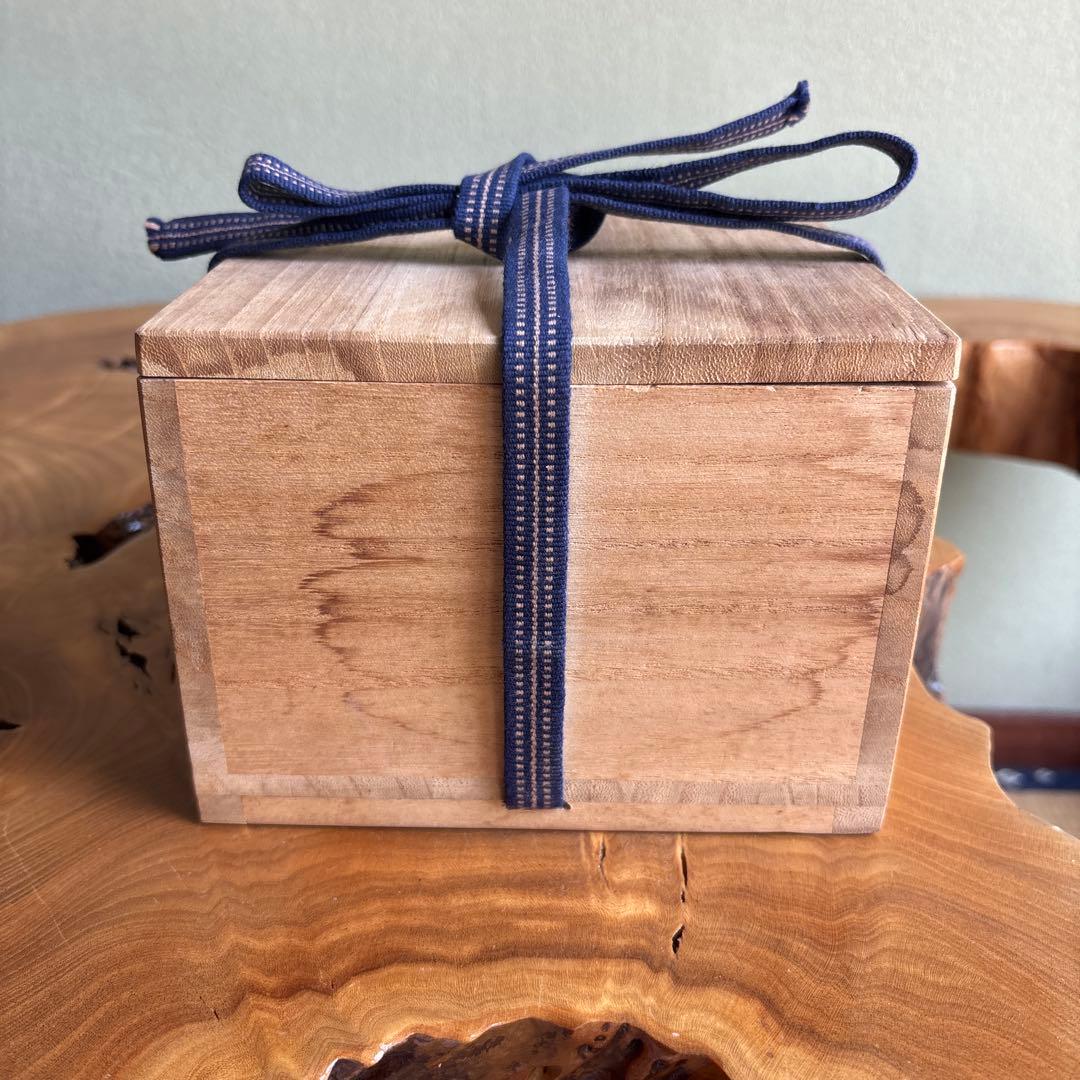
• Box: Tomobako (共箱) — original signed wooden box inscribed 「南蛮 茶盌 伊作造」with red artist seal. Box lid shows minor age staining.
• Condition: No cracks, no chips. Box lid has light staining. Overall excellent condition for a fired stoneware piece.
🔹 [ CULTURAL & ARTISTIC INSIGHT ]
The term "Nanban" — literally "Southern Barbarian" — entered the Japanese ceramic vocabulary through the Momoyama period (late 16th century), when tea masters such as Sen no Rikyu and his disciples began to prize rough, unglazed foreign and provincial wares for their honest directness. Unlike the refined glazed ceramics of Kyoto or Seto, Nanban pieces spoke a simpler language: the language of clay, fire, and time.
The Izaku tradition of Kagoshima carries this sensibility forward. Working in the volcanic soils of southern Kyushu — the same island that gave Japan Satsuma ware and a centuries-long ceramic heritage — Isaku fires his bowls at high temperature without glaze, allowing the kiln atmosphere itself to paint the surface. The warm terracotta interior blooms toward a deep fire-shadow charcoal band around the exterior belly, where reduction and flame contact created a natural gradation that no brush could replicate.
The body is visibly sandy and iron-flecked, with scattered pinholes and surface texture that invites touch. In the hand, this bowl has the particular gravity of honest earth — substantial without heaviness, rough without aggression. The foot ring is low and cleanly cut, the rim slightly irregular in the best hand-thrown tradition.
Poetic line: "The color of embers after the festival — not extinguished, only still."
🔹 [ DEEP-DIVE COMMENTARY ]
Nanban yakishime (南蛮焼締) is defined by what it refuses. No glaze, no surface decoration, no cosmetic correction. The clay body — typically coarse, iron-rich stoneware — is thrown or hand-built, dried, and fired to cone 9–11 temperatures (approximately 1260–1300°C) in a reduction or neutral kiln atmosphere. What emerges is determined entirely by the clay's own mineral content and its conversation with flame.
The characteristic two-tone graduation visible on this bowl — warm brick-red in the lighter zones, deep charcoal-brown where reduction was strongest — is called "hi-iro" (火色, fire color) or "koge" (焦げ, scorching). These gradations are not controlled effects but natural consequences of the piece's position in the kiln, the proximity of other works, and the behavior of the flame on that particular firing day. Every Nanban bowl is therefore unique; no two pieces from the same artist's kiln will match exactly.
The Izaku kiln in Kagoshima operates within the broader Satsuma ceramic tradition, which stretches back to Korean potters brought to Kyushu following Toyotomi Hideyoshi's invasions of the Korean peninsula (1592–1598). While Satsuma is most internationally recognized for its ornate polychrome export ware, the indigenous wabi tendency — coarse, unglazed, functional — has always run alongside it. Isaku's work belongs to this quieter lineage.
For tea ceremony practitioners, a Nanban bowl carries specific philosophical weight. Its roughness encourages a different quality of attention — less admiration of surface beauty, more direct encounter with material reality. Sen no Rikyu famously valued Korean rice bowls precisely because their makers had no aesthetic intention; Nanban ware channels this same spirit of unself-conscious making. The bowl does not perform. It simply is.
Contemporary collectors prize Nanban chawan for several reasons: the tactile quality unmatched by glazed ceramics, the authentic regional kiln tradition that continues despite market pressures toward refined export aesthetics, and the alignment with wabi-cha philosophy that informs the most serious Japanese tea practice. This example — compact, well-fired, with a compelling fire-shadow pattern and the artist's original signed box — represents solid value in this tradition.
🔹 [ 日本語解説 ]
■ 基本情報
・作家:伊作(伊作窯 / 鹿児島県)
・技法:南蛮焼締 — 釉薬を一切かけず、高火度(1260〜1300°C程度)の窯で焼成。炎と还元雰囲気が素地に直接「火色」と「焦げ」を生む。
・時代:現代(桃山侘び茶復興の文脈にある近作)
・産地:鹿児島県 伊作窯(薩摩陶芸の系譜)
・寸法:直径 約12cm、高さ 約7cm
・付属:共箱。蓋表に「南蛮 茶盌 伊作造」と墨書、朱印あり。蓋にシミあり。
・状態:本体ヒビ・カケなし。箱蓋に経年シミ。
■ 文化・美術的考察
「南蛮」という言葉が茶陶の語彙に入ったのは桃山時代のことです。千利休をはじめとする茶人たちが、朝鮮や東南アジアの素朴な無釉陶器に侘び茶の精神を見出したことに端を発します。華やかな京焼や瀬戸焼とは対極にある、土と火だけが語る直接性——それが南蛮の魅力です。
伊作窯は九州南端、鹿児島の大地に根ざしています。薩摩藩御用窯の歴史を持つ土地で、陶工・伊作は釉薬を拒むことで、窯の炎そのものを表現手段とします。温かな煉瓦色の内側から、胴部にかけて深いチャコールグレーへと移行する「火色」のグラデーションは、ブラシでは描けない自然の絵筆によるものです。
手のひらに収めると、砂質で鉄分を含む素地の重みが伝わります。ごつごつしているようで、どこか温かく、攻撃的ではない。茶碗が自己主張するのではなく、ただそこにある——この「ただあること」こそ、南蛮焼締が侘び茶と相性が良い理由です。
詩的一行:「祭りのあとの炭の色——消えたのではなく、ただ静かになっただけ。」
■ 深層解説
南蛮焼締とは、意図的に何もしないことで生まれる美の様式です。釉薬なし、絵付けなし、修正なし。粗めの鉄分豊富な陶土を成形し、コーン9〜11(約1260〜1300°C)の高温で焼成すると、土の鉱物成分と炎の挙動だけが表面を決定します。
本作に見られる二色のグラデーション——明るい部分の煉瓦赤と、還元が強く当たった腹部の深い焦げ茶——は「火色」と呼ばれ、窯内でのその日の炎の動きによって生じる一点ものです。同じ作家の作でも、全く同じ景色は二度と生まれません。
伊作窯の属する薩摩陶芸の系譜は、豊臣秀吉の朝鮮出兵(1592〜98年)に伴い連れ帰られた朝鮮陶工の技術に淵源します。薩摩焼は輸出用の豪華絵付けで世界的に知られますが、その傍らで無釉・素朴・機能的な「侘び系」の流れも脈々と続いてきました。伊作の仕事はこの静かな系譜の継承です。
茶道の実践者にとって、南蛮茶碗は哲学的な重みを持ちます。表面の美を愛でるのではなく、素材の現実と直接向き合う——千利休が朝鮮の飯碗に美を見た眼差しと同じものが、ここに息づいています。現代のコレクターがこの種の茶碗を求めるのは、釉薬器では得られない触感、真正の地方窯の伝統、そして本格的な侘び茶哲学との一致があるからです。
🔹 [ SHIPPING & PACKAGING ]
• Dispatch: Within 1-6 business days
• Carrier: Japan Post EMS / UPS (with tracking)
• Packaging: Carefully wrapped with protective materials
🔹 [ BASIC DETAILS ]
• Artist: Isaku (伊作) — Izaku kiln, Kagoshima (Satsuma region), Kyushu
• Technique: Nanban-style yakishime (南蛮焼締) — high-fire unglazed stoneware with natural ash and fire-shadow coloring
• Era: Post-2007 (contemporary, Momoyama wabi-cha revival)
• Origin: Izaku kiln, Kagoshima Prefecture, Japan (Satsuma tradition)
• Dimensions: Diameter approx. 12 cm, Height approx. 7 cm
• Box: Tomobako (共箱) — original signed wooden box inscribed 「南蛮 茶盌 伊作造」with red artist seal. Box lid shows minor age staining.
• Condition: No cracks, no chips. Box lid has light staining. Overall excellent condition for a fired stoneware piece.
🔹 [ CULTURAL & ARTISTIC INSIGHT ]
The term "Nanban" — literally "Southern Barbarian" — entered the Japanese ceramic vocabulary through the Momoyama period (late 16th century), when tea masters such as Sen no Rikyu and his disciples began to prize rough, unglazed foreign and provincial wares for their honest directness. Unlike the refined glazed ceramics of Kyoto or Seto, Nanban pieces spoke a simpler language: the language of clay, fire, and time.
The Izaku tradition of Kagoshima carries this sensibility forward. Working in the volcanic soils of southern Kyushu — the same island that gave Japan Satsuma ware and a centuries-long ceramic heritage — Isaku fires his bowls at high temperature without glaze, allowing the kiln atmosphere itself to paint the surface. The warm terracotta interior blooms toward a deep fire-shadow charcoal band around the exterior belly, where reduction and flame contact created a natural gradation that no brush could replicate.
The body is visibly sandy and iron-flecked, with scattered pinholes and surface texture that invites touch. In the hand, this bowl has the particular gravity of honest earth — substantial without heaviness, rough without aggression. The foot ring is low and cleanly cut, the rim slightly irregular in the best hand-thrown tradition.
Poetic line: "The color of embers after the festival — not extinguished, only still."
🔹 [ DEEP-DIVE COMMENTARY ]
Nanban yakishime (南蛮焼締) is defined by what it refuses. No glaze, no surface decoration, no cosmetic correction. The clay body — typically coarse, iron-rich stoneware — is thrown or hand-built, dried, and fired to cone 9–11 temperatures (approximately 1260–1300°C) in a reduction or neutral kiln atmosphere. What emerges is determined entirely by the clay's own mineral content and its conversation with flame.
The characteristic two-tone graduation visible on this bowl — warm brick-red in the lighter zones, deep charcoal-brown where reduction was strongest — is called "hi-iro" (火色, fire color) or "koge" (焦げ, scorching). These gradations are not controlled effects but natural consequences of the piece's position in the kiln, the proximity of other works, and the behavior of the flame on that particular firing day. Every Nanban bowl is therefore unique; no two pieces from the same artist's kiln will match exactly.
The Izaku kiln in Kagoshima operates within the broader Satsuma ceramic tradition, which stretches back to Korean potters brought to Kyushu following Toyotomi Hideyoshi's invasions of the Korean peninsula (1592–1598). While Satsuma is most internationally recognized for its ornate polychrome export ware, the indigenous wabi tendency — coarse, unglazed, functional — has always run alongside it. Isaku's work belongs to this quieter lineage.
For tea ceremony practitioners, a Nanban bowl carries specific philosophical weight. Its roughness encourages a different quality of attention — less admiration of surface beauty, more direct encounter with material reality. Sen no Rikyu famously valued Korean rice bowls precisely because their makers had no aesthetic intention; Nanban ware channels this same spirit of unself-conscious making. The bowl does not perform. It simply is.
Contemporary collectors prize Nanban chawan for several reasons: the tactile quality unmatched by glazed ceramics, the authentic regional kiln tradition that continues despite market pressures toward refined export aesthetics, and the alignment with wabi-cha philosophy that informs the most serious Japanese tea practice. This example — compact, well-fired, with a compelling fire-shadow pattern and the artist's original signed box — represents solid value in this tradition.
🔹 [ 日本語解説 ]
■ 基本情報
・作家:伊作(伊作窯 / 鹿児島県)
・技法:南蛮焼締 — 釉薬を一切かけず、高火度(1260〜1300°C程度)の窯で焼成。炎と还元雰囲気が素地に直接「火色」と「焦げ」を生む。
・時代:現代(桃山侘び茶復興の文脈にある近作)
・産地:鹿児島県 伊作窯(薩摩陶芸の系譜)
・寸法:直径 約12cm、高さ 約7cm
・付属:共箱。蓋表に「南蛮 茶盌 伊作造」と墨書、朱印あり。蓋にシミあり。
・状態:本体ヒビ・カケなし。箱蓋に経年シミ。
■ 文化・美術的考察
「南蛮」という言葉が茶陶の語彙に入ったのは桃山時代のことです。千利休をはじめとする茶人たちが、朝鮮や東南アジアの素朴な無釉陶器に侘び茶の精神を見出したことに端を発します。華やかな京焼や瀬戸焼とは対極にある、土と火だけが語る直接性——それが南蛮の魅力です。
伊作窯は九州南端、鹿児島の大地に根ざしています。薩摩藩御用窯の歴史を持つ土地で、陶工・伊作は釉薬を拒むことで、窯の炎そのものを表現手段とします。温かな煉瓦色の内側から、胴部にかけて深いチャコールグレーへと移行する「火色」のグラデーションは、ブラシでは描けない自然の絵筆によるものです。
手のひらに収めると、砂質で鉄分を含む素地の重みが伝わります。ごつごつしているようで、どこか温かく、攻撃的ではない。茶碗が自己主張するのではなく、ただそこにある——この「ただあること」こそ、南蛮焼締が侘び茶と相性が良い理由です。
詩的一行:「祭りのあとの炭の色——消えたのではなく、ただ静かになっただけ。」
■ 深層解説
南蛮焼締とは、意図的に何もしないことで生まれる美の様式です。釉薬なし、絵付けなし、修正なし。粗めの鉄分豊富な陶土を成形し、コーン9〜11(約1260〜1300°C)の高温で焼成すると、土の鉱物成分と炎の挙動だけが表面を決定します。
本作に見られる二色のグラデーション——明るい部分の煉瓦赤と、還元が強く当たった腹部の深い焦げ茶——は「火色」と呼ばれ、窯内でのその日の炎の動きによって生じる一点ものです。同じ作家の作でも、全く同じ景色は二度と生まれません。
伊作窯の属する薩摩陶芸の系譜は、豊臣秀吉の朝鮮出兵(1592〜98年)に伴い連れ帰られた朝鮮陶工の技術に淵源します。薩摩焼は輸出用の豪華絵付けで世界的に知られますが、その傍らで無釉・素朴・機能的な「侘び系」の流れも脈々と続いてきました。伊作の仕事はこの静かな系譜の継承です。
茶道の実践者にとって、南蛮茶碗は哲学的な重みを持ちます。表面の美を愛でるのではなく、素材の現実と直接向き合う——千利休が朝鮮の飯碗に美を見た眼差しと同じものが、ここに息づいています。現代のコレクターがこの種の茶碗を求めるのは、釉薬器では得られない触感、真正の地方窯の伝統、そして本格的な侘び茶哲学との一致があるからです。
🔹 [ SHIPPING & PACKAGING ]
• Dispatch: Within 1-6 business days
• Carrier: Japan Post EMS / UPS (with tracking)
• Packaging: Carefully wrapped with protective materials
Quantity
Couldn't load pickup availability
Out of stock
View full details