1
/
of
10
Nami-nuri Wave Chidori Chu-natsume Tea Caddy by Tsukuki Ryosai
Nami-nuri Wave Chidori Chu-natsume Tea Caddy by Tsukuki Ryosai
Regular price
Dhs. 1,577.00 AED
Regular price
Sale price
Dhs. 1,577.00 AED
Taxes included.
Shipping calculated at checkout.
Experience authentic Japanese tea ceremony lacquerware with this Nami-nuri Wave Chidori Chu-natsume. This Tea Caddy serves as a Tsukuki Ryosai Maki-e Masterwork and Wave Pattern Lacquer Natsume, featuring Gold Chidori Plovers and Carved Wave Technique—a must-have for any Art Collector seeking Japanese Urushi Lacquerware and Traditional Tea Ceremony Utensils.
━━━━━━━━━━━━━━━━━━━━
🔹 [ BASIC DETAILS ]
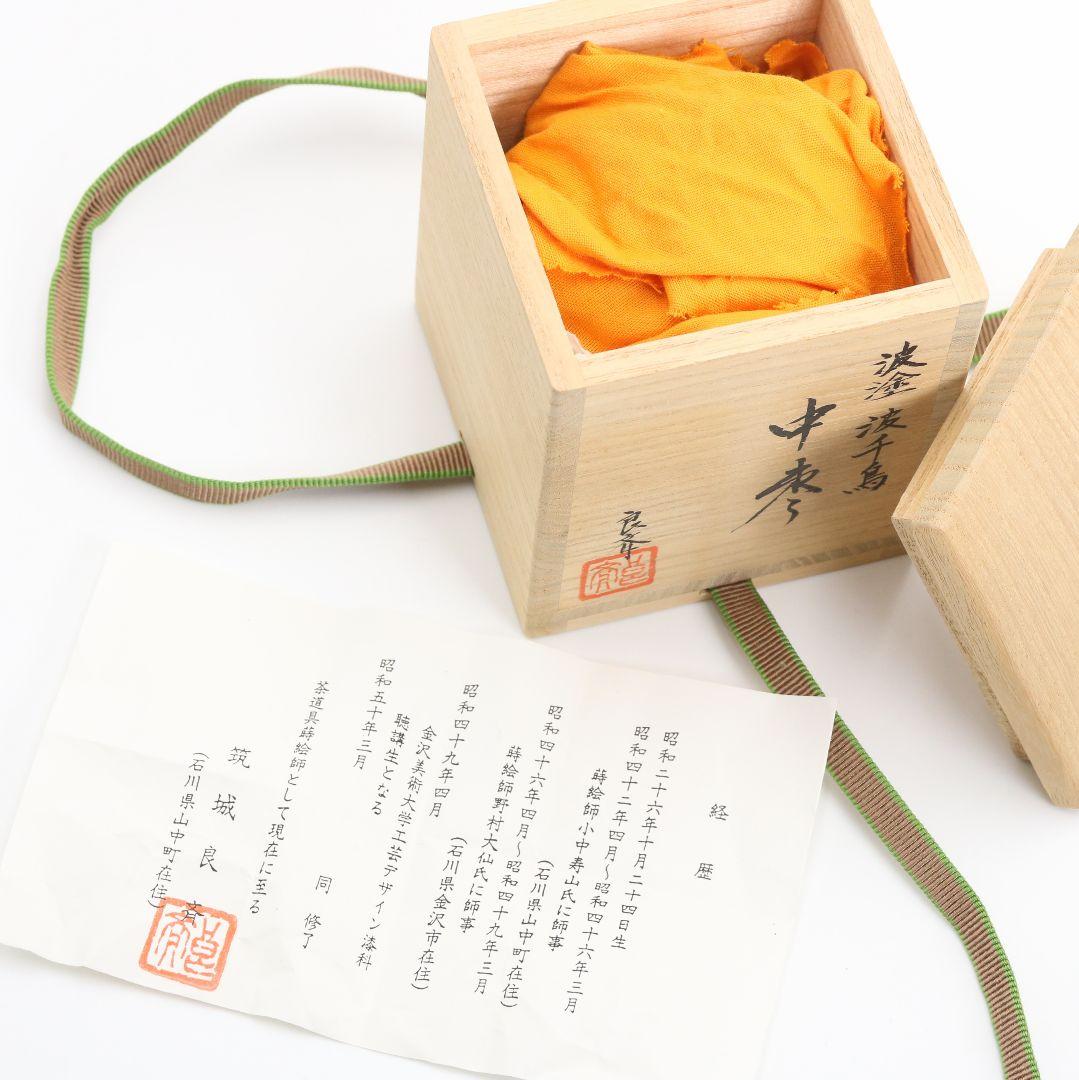
• Artist: Tsukuki Ryosai (筑城良斉)
• Technique: Nami-nuri (wave lacquer) with gold maki-e
• Era: 2010s
• Origin: Japan
• Dimensions: 6.9 cm H × 6.6 cm dia. (2.7" × 2.6")
• Box: Signed tomobako with artist seal
• Condition: Excellent — no chips, cracks, or wear to lacquer surface
━━━━━━━━━━━━━━━━━━━━
🔹 [ CULTURAL & ARTISTIC INSIGHT ]
Nami-nuri is a lacquer technique that transforms a surface into the memory of water. Horizontal striations are carved into partially cured urushi, each line a deliberate gesture that captures the rhythm of the sea. The result is not decoration applied to an object — it is the object becoming a wave.
Against this textured field, two or three chidori — tiny gold plovers — are scattered in maki-e. They do not dominate. They navigate. In Japanese poetic tradition, the pairing of waves and plovers (nami-chidori, 波千鳥) speaks to the act of pressing forward through difficulty. The birds do not avoid the storm. They exist within it.
Tsukuki Ryosai understands restraint as a form of generosity. The nami-nuri surface carries the entire composition; the plovers simply confirm what the texture already implies — that stillness and motion can occupy the same breath.
*"The wave does not end at the shore. It continues as texture, as memory, as the weight of what the sea has witnessed."*
━━━━━━━━━━━━━━━━━━━━
🔹 [ DEEP-DIVE COMMENTARY ]
**Nami-nuri Technique**: Unlike painted wave motifs, nami-nuri is a subtractive process. Layers of urushi are built up, then horizontal lines are incised while the lacquer remains soft. Each line catches light differently, creating an optical texture that shifts as the viewer moves — a three-dimensional surface born from two-dimensional gestures.
**Chidori Symbolism**: The plover (千鳥) has inhabited Japanese art since the Heian period. These small shorebirds, depicted mid-flight over turbulent seas, became a symbol of perseverance and safe passage. In tea ceremony, their presence on a natsume signals a host's quiet wish for the gathering to transcend ordinary difficulty.
**Nami-Chidori as Paired Motif**: Waves and plovers together (波千鳥) represent one of the most enduring design pairings in Japanese art. The combination appears in textiles, ceramics, metalwork, and lacquer — always carrying the same essential meaning: that which is small can navigate that which is vast.
**Chu-natsume Form**: The chu-natsume (中棗) is the mid-sized tea caddy, occupying the space between the compact ko-natsume and the full-sized o-natsume. Its proportions suit both koicha and usucha preparations, making it one of the most versatile forms in the temae sequence.
━━━━━━━━━━━━━━━━━━━━
🔹 [ 日本語解説 ]
【基本情報】
• 作家:筑城良斉
• 技法:波塗・金蒔絵
• 時代:2010年代
• 産地:日本
• 寸法:高さ6.9cm × 径6.6cm
• 付属:共箱(印あり)
• 状態:優良 — 漆面に傷・欠けなし
【解説】
波塗(なみぬり)は、半乾きの漆に水平の条線を刻むことで、海面のうねりを表面に宿す技法です。塗り重ねと削りの反復によって生まれる波紋は、光の角度によって表情を変え、静止した器に動きの記憶を留めます。
波千鳥(なみちどり)は日本の意匠における最も愛される組み合わせのひとつです。千鳥は荒波を越えて飛ぶ小さな鳥。困難を乗り越える意志の象徴として、平安の時代から茶道具や染織に描かれてきました。筑城良斉の手による金蒔絵の千鳥は、波塗の表面にわずか数羽。その控えめさにこそ、作家の確かな美意識が宿っています。
━━━━━━━━━━━━━━━━━━━━
🔹 [ SHIPPING & PACKAGING ]
• Dispatch: Within 1-6 business days
• Carrier: Japan Post EMS / UPS (with tracking)
• Packaging: Carefully wrapped with protective materials
*A wave remembered in lacquer — carrying plovers that have never stopped flying.*
━━━━━━━━━━━━━━━━━━━━
🔹 [ BASIC DETAILS ]
• Artist: Tsukuki Ryosai (筑城良斉)
• Technique: Nami-nuri (wave lacquer) with gold maki-e
• Era: 2010s
• Origin: Japan
• Dimensions: 6.9 cm H × 6.6 cm dia. (2.7" × 2.6")
• Box: Signed tomobako with artist seal
• Condition: Excellent — no chips, cracks, or wear to lacquer surface
━━━━━━━━━━━━━━━━━━━━
🔹 [ CULTURAL & ARTISTIC INSIGHT ]
Nami-nuri is a lacquer technique that transforms a surface into the memory of water. Horizontal striations are carved into partially cured urushi, each line a deliberate gesture that captures the rhythm of the sea. The result is not decoration applied to an object — it is the object becoming a wave.
Against this textured field, two or three chidori — tiny gold plovers — are scattered in maki-e. They do not dominate. They navigate. In Japanese poetic tradition, the pairing of waves and plovers (nami-chidori, 波千鳥) speaks to the act of pressing forward through difficulty. The birds do not avoid the storm. They exist within it.
Tsukuki Ryosai understands restraint as a form of generosity. The nami-nuri surface carries the entire composition; the plovers simply confirm what the texture already implies — that stillness and motion can occupy the same breath.
*"The wave does not end at the shore. It continues as texture, as memory, as the weight of what the sea has witnessed."*
━━━━━━━━━━━━━━━━━━━━
🔹 [ DEEP-DIVE COMMENTARY ]
**Nami-nuri Technique**: Unlike painted wave motifs, nami-nuri is a subtractive process. Layers of urushi are built up, then horizontal lines are incised while the lacquer remains soft. Each line catches light differently, creating an optical texture that shifts as the viewer moves — a three-dimensional surface born from two-dimensional gestures.
**Chidori Symbolism**: The plover (千鳥) has inhabited Japanese art since the Heian period. These small shorebirds, depicted mid-flight over turbulent seas, became a symbol of perseverance and safe passage. In tea ceremony, their presence on a natsume signals a host's quiet wish for the gathering to transcend ordinary difficulty.
**Nami-Chidori as Paired Motif**: Waves and plovers together (波千鳥) represent one of the most enduring design pairings in Japanese art. The combination appears in textiles, ceramics, metalwork, and lacquer — always carrying the same essential meaning: that which is small can navigate that which is vast.
**Chu-natsume Form**: The chu-natsume (中棗) is the mid-sized tea caddy, occupying the space between the compact ko-natsume and the full-sized o-natsume. Its proportions suit both koicha and usucha preparations, making it one of the most versatile forms in the temae sequence.
━━━━━━━━━━━━━━━━━━━━
🔹 [ 日本語解説 ]
【基本情報】
• 作家:筑城良斉
• 技法:波塗・金蒔絵
• 時代:2010年代
• 産地:日本
• 寸法:高さ6.9cm × 径6.6cm
• 付属:共箱(印あり)
• 状態:優良 — 漆面に傷・欠けなし
【解説】
波塗(なみぬり)は、半乾きの漆に水平の条線を刻むことで、海面のうねりを表面に宿す技法です。塗り重ねと削りの反復によって生まれる波紋は、光の角度によって表情を変え、静止した器に動きの記憶を留めます。
波千鳥(なみちどり)は日本の意匠における最も愛される組み合わせのひとつです。千鳥は荒波を越えて飛ぶ小さな鳥。困難を乗り越える意志の象徴として、平安の時代から茶道具や染織に描かれてきました。筑城良斉の手による金蒔絵の千鳥は、波塗の表面にわずか数羽。その控えめさにこそ、作家の確かな美意識が宿っています。
━━━━━━━━━━━━━━━━━━━━
🔹 [ SHIPPING & PACKAGING ]
• Dispatch: Within 1-6 business days
• Carrier: Japan Post EMS / UPS (with tracking)
• Packaging: Carefully wrapped with protective materials
*A wave remembered in lacquer — carrying plovers that have never stopped flying.*
Quantity
Couldn't load pickup availability
Low stock: 1 left
View full details