1
/
of
17
Nakazato Takashi Karatsu Nanban Bajōhai - Stemmed Sake Cup with Signed Box
Nakazato Takashi Karatsu Nanban Bajōhai - Stemmed Sake Cup with Signed Box
Regular price
Dhs. 984.00 AED
Regular price
Sale price
Dhs. 984.00 AED
Taxes included.
Shipping calculated at checkout.
Experience authentic Japanese sake culture with this Nakazato Takashi Karatsu Nanban Bajōhai. This Stemmed Sake Cup serves as a Karatsu Ware Masterwork and Yakishime Stoneware Art, featuring Natural Ash Glaze and Nanban Style—a must-have for any Art Collector seeking Saga Prefecture Pottery and Goblet Form Sake Cup.
━━━━━━━━━━━━━━━━━━━━
🔹 [ BASIC DETAILS ]
• Artist: Nakazato Takashi (中里隆)
• Type: Bajōhai (馬上盃) — stemmed/goblet-form sake cup
• Technique: Karatsu Nanban — unglazed yakishime stoneware
• Era: Contemporary
• Origin: Karatsu, Saga Prefecture
• Dimensions: Dia approx. 8.2 cm, Foot dia approx. 5.5 cm, H approx. 8.0 cm
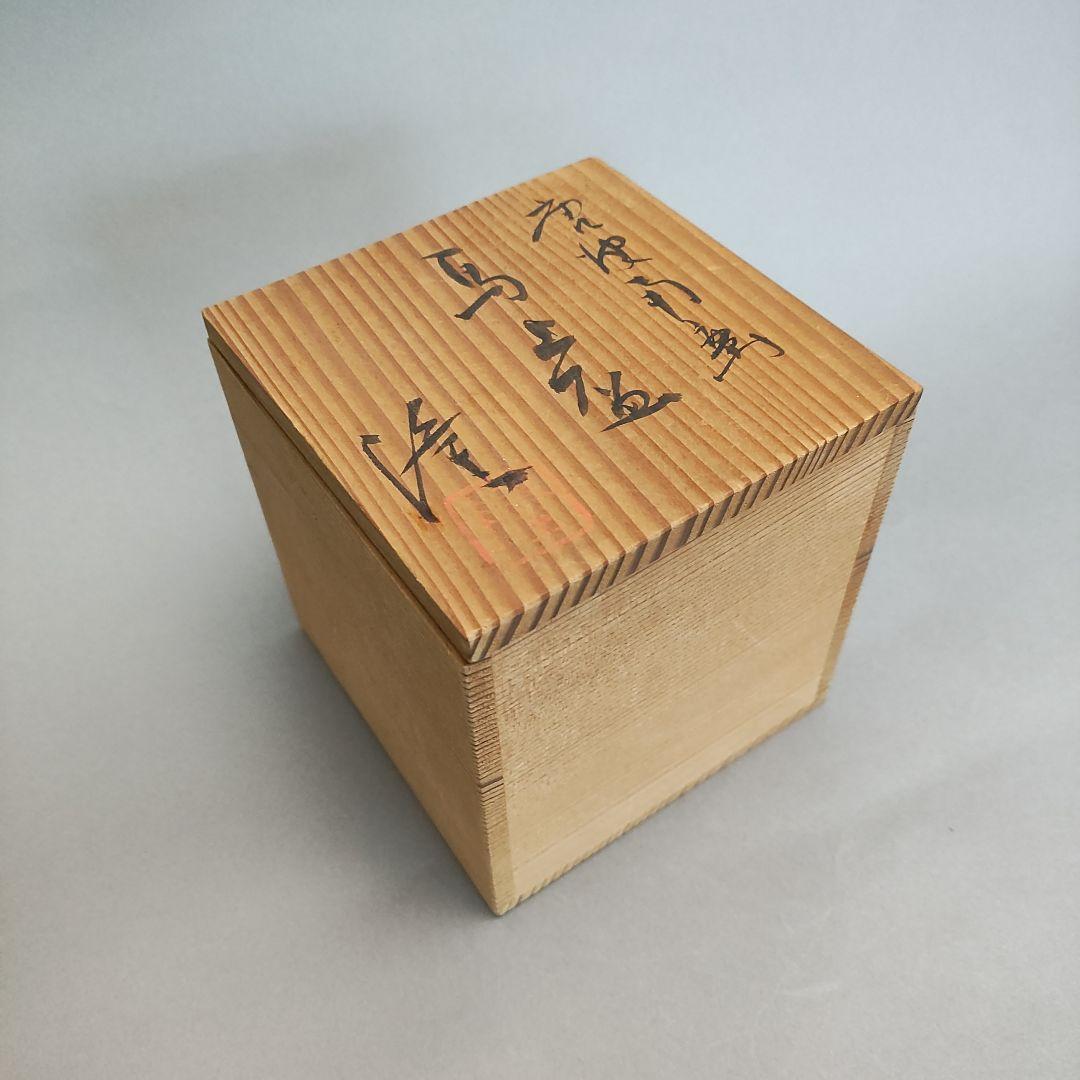
• Box: Tomobako (signed with "隆" calligraphy)
• Condition: Excellent
━━━━━━━━━━━━━━━━━━━━
🔹 [ CULTURAL & ARTISTIC INSIGHT ]
The bajōhai — literally "horse-riding cup" — is among the most distinctive forms in Japanese sake ware. Its tall pedestal stem was originally designed so mounted warriors could drink without dismounting, and the form has endured for centuries as a vessel of ceremony and quiet authority. In Nakazato Takashi's hands, the bajōhai becomes a study in controlled restraint: the flared bowl sits atop a cylindrical stem, the proportions balanced with the kind of precision that only comes from deep familiarity with clay.
Karatsu Nanban is a style rooted in the cultural exchange between Japan and Southeast Asia during the Momoyama period. The unglazed yakishime surface — fired at high temperature until the clay vitrifies — allows the kiln's atmosphere to speak directly. Grey-blue ash deposits settle naturally across the warm brown body, each mark a record of placement, flame path, and duration. No two firings produce the same result.
The Nakazato family represents one of the central pillars of Karatsu ceramic history. Takashi, working alongside and eventually beyond the shadow of his father (the twelfth Tarōemon), developed his own voice — one that honors tradition while remaining unmistakably individual.
*"The kiln decides what the potter proposes. What remains is the conversation between intent and fire."*
━━━━━━━━━━━━━━━━━━━━
🔹 [ DEEP-DIVE COMMENTARY ]
**Bajōhai Form**: The goblet silhouette distinguishes this piece from standard guinomi or ochoko. The elevated bowl changes the drinking experience — the hand grips the stem, and sake meets the lip at a different angle. It is as much sculptural object as functional vessel.
**Karatsu Nanban Technique**: Nanban ("southern barbarian") references the Southeast Asian ceramic traditions that deeply influenced Karatsu potters. The absence of glaze is the point — the raw clay surface, marked by ash and fire, carries a directness that glazed surfaces cannot replicate.
**Surface Character**: The grey-blue natural ash deposits against the sandy brown clay body create a landscape in miniature. Fine sand particles embedded in the surface give tactile depth. These are not decorations applied by the potter but gifts from the kiln.
**Lineage & Authorship**: The Nakazato name carries weight in Japanese ceramics that few families can match. The tomobako bearing Takashi's calligraphy — a single character, "隆" — is both signature and seal of authenticity from a potter whose work sits in collections worldwide.
━━━━━━━━━━━━━━━━━━━━
🔹 [ 日本語解説 ]
【基本情報】
• 作家:中里隆
• 技法:唐津南蛮(無釉焼締)
• 時代:現代
• 産地:佐賀県唐津
• 寸法:口径 約8.2cm、高台径 約5.5cm、高さ 約8.0cm
• 付属:共箱(「隆」署名入り)
• 状態:良好
【解説】
中里隆は、人間国宝・十二代中里太郎右衛門の息子として唐津焼の伝統を受け継ぎながらも、独自の作陶世界を切り拓いた陶芸家です。本作は唐津南蛮の馬上盃——高い高台を持つ杯形で、元来は馬上で酒を飲むために生まれた形です。
無釉の焼締陶は、窯の炎と灰が直接土肌に作用し、灰青色の自然釉が茶褐色の素地に静かに降り積もっています。砂目の残る荒々しい肌合いは、唐津南蛮の真骨頂であり、東南アジアとの交易文化を今に伝える器です。
中里家は唐津焼における最も重要な陶家の一つであり、共箱に記された「隆」の一字が、この作品の出自と品格を静かに物語っています。
━━━━━━━━━━━━━━━━━━━━
🔹 [ SHIPPING & PACKAGING ]
• Dispatch: Within 1-6 business days
• Carrier: Japan Post EMS / UPS (with tracking)
• Packaging: Carefully wrapped with protective materials
*A vessel shaped by fire and lineage — carried forward from Karatsu to your table.*
━━━━━━━━━━━━━━━━━━━━
🔹 [ BASIC DETAILS ]
• Artist: Nakazato Takashi (中里隆)
• Type: Bajōhai (馬上盃) — stemmed/goblet-form sake cup
• Technique: Karatsu Nanban — unglazed yakishime stoneware
• Era: Contemporary
• Origin: Karatsu, Saga Prefecture
• Dimensions: Dia approx. 8.2 cm, Foot dia approx. 5.5 cm, H approx. 8.0 cm
• Box: Tomobako (signed with "隆" calligraphy)
• Condition: Excellent
━━━━━━━━━━━━━━━━━━━━
🔹 [ CULTURAL & ARTISTIC INSIGHT ]
The bajōhai — literally "horse-riding cup" — is among the most distinctive forms in Japanese sake ware. Its tall pedestal stem was originally designed so mounted warriors could drink without dismounting, and the form has endured for centuries as a vessel of ceremony and quiet authority. In Nakazato Takashi's hands, the bajōhai becomes a study in controlled restraint: the flared bowl sits atop a cylindrical stem, the proportions balanced with the kind of precision that only comes from deep familiarity with clay.
Karatsu Nanban is a style rooted in the cultural exchange between Japan and Southeast Asia during the Momoyama period. The unglazed yakishime surface — fired at high temperature until the clay vitrifies — allows the kiln's atmosphere to speak directly. Grey-blue ash deposits settle naturally across the warm brown body, each mark a record of placement, flame path, and duration. No two firings produce the same result.
The Nakazato family represents one of the central pillars of Karatsu ceramic history. Takashi, working alongside and eventually beyond the shadow of his father (the twelfth Tarōemon), developed his own voice — one that honors tradition while remaining unmistakably individual.
*"The kiln decides what the potter proposes. What remains is the conversation between intent and fire."*
━━━━━━━━━━━━━━━━━━━━
🔹 [ DEEP-DIVE COMMENTARY ]
**Bajōhai Form**: The goblet silhouette distinguishes this piece from standard guinomi or ochoko. The elevated bowl changes the drinking experience — the hand grips the stem, and sake meets the lip at a different angle. It is as much sculptural object as functional vessel.
**Karatsu Nanban Technique**: Nanban ("southern barbarian") references the Southeast Asian ceramic traditions that deeply influenced Karatsu potters. The absence of glaze is the point — the raw clay surface, marked by ash and fire, carries a directness that glazed surfaces cannot replicate.
**Surface Character**: The grey-blue natural ash deposits against the sandy brown clay body create a landscape in miniature. Fine sand particles embedded in the surface give tactile depth. These are not decorations applied by the potter but gifts from the kiln.
**Lineage & Authorship**: The Nakazato name carries weight in Japanese ceramics that few families can match. The tomobako bearing Takashi's calligraphy — a single character, "隆" — is both signature and seal of authenticity from a potter whose work sits in collections worldwide.
━━━━━━━━━━━━━━━━━━━━
🔹 [ 日本語解説 ]
【基本情報】
• 作家:中里隆
• 技法:唐津南蛮(無釉焼締)
• 時代:現代
• 産地:佐賀県唐津
• 寸法:口径 約8.2cm、高台径 約5.5cm、高さ 約8.0cm
• 付属:共箱(「隆」署名入り)
• 状態:良好
【解説】
中里隆は、人間国宝・十二代中里太郎右衛門の息子として唐津焼の伝統を受け継ぎながらも、独自の作陶世界を切り拓いた陶芸家です。本作は唐津南蛮の馬上盃——高い高台を持つ杯形で、元来は馬上で酒を飲むために生まれた形です。
無釉の焼締陶は、窯の炎と灰が直接土肌に作用し、灰青色の自然釉が茶褐色の素地に静かに降り積もっています。砂目の残る荒々しい肌合いは、唐津南蛮の真骨頂であり、東南アジアとの交易文化を今に伝える器です。
中里家は唐津焼における最も重要な陶家の一つであり、共箱に記された「隆」の一字が、この作品の出自と品格を静かに物語っています。
━━━━━━━━━━━━━━━━━━━━
🔹 [ SHIPPING & PACKAGING ]
• Dispatch: Within 1-6 business days
• Carrier: Japan Post EMS / UPS (with tracking)
• Packaging: Carefully wrapped with protective materials
*A vessel shaped by fire and lineage — carried forward from Karatsu to your table.*
Quantity
Couldn't load pickup availability
Out of stock
View full details