1
/
of
7
Nakatani Shusai Kiku Kiri Maki-e Yukifuki Natsume Tea Caddy Gold Lacquer
Nakatani Shusai Kiku Kiri Maki-e Yukifuki Natsume Tea Caddy Gold Lacquer
Regular price
Dhs. 1,656.00 AED
Regular price
Sale price
Dhs. 1,656.00 AED
Taxes included.
Shipping calculated at checkout.
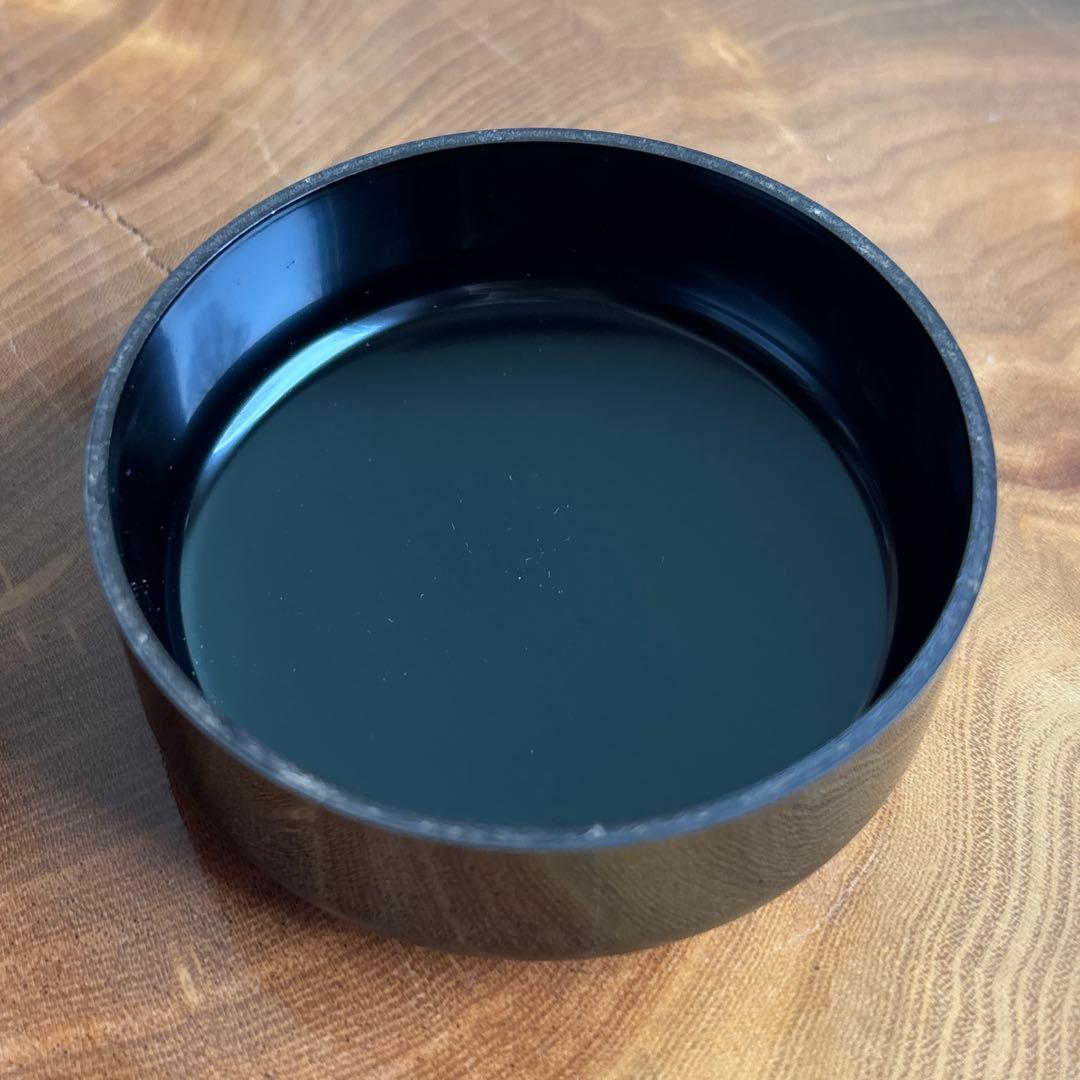
A yukifuki natsume by Nakatani Shusai, finished in deep black urushi lacquer with gold maki-e chrysanthemum and paulownia crests adorning the lid. The tall cylindrical form — named for its resemblance to snow-covered bamboo — rises with quiet composure, its black surface carrying the kind of depth that only layered lacquer achieves. Imperial heraldry rendered in gold dust, settled into lacquer, sealed by time.
━━━━━━━━━━━━━━━━━━━━
🔹 [ BASIC DETAILS ]
• Artist: Nakatani Shusai (中谷秀斉)
• Technique: Maki-e (蒔絵) — gold lacquer on black urushi
• Form: Yukifuki (雪吹) — tall cylindrical natsume
• Era: Heisei period
• Origin: Japan
• Dimensions: 6.5 cm dia × 8.5 cm h (2.6" × 3.3")
• Box: Tomobako (inscribed "菊桐蒔絵 雪吹 秀斉")
• Condition: Excellent — no cracks, chips, or repairs; lacquer surface intact
━━━━━━━━━━━━━━━━━━━━
🔹 [ CULTURAL & ARTISTIC INSIGHT ]
The natsume — tea caddy for thin tea — is one of the most intimate objects in chanoyu. It passes directly between host and guest, its surface held and turned, its lid lifted and replaced with deliberate care. The lacquer finish must therefore satisfy both eye and hand: visually composed at a distance, tactilely rewarding in the fingers.
Nakatani Shusai's yukifuki achieves this on every count. The black urushi is applied in multiple coats, each sanded and reapplied until the surface develops a depth that seems to extend beneath itself — not a coating but a material presence. Against this ground, the gold maki-e kiku (chrysanthemum) and kiri (paulownia) crests float with the understated authority of motifs that have carried meaning in Japan for a thousand years.
The kiku-kiri combination is one of the most culturally resonant pairings in Japanese heraldic design. The sixteen-petal chrysanthemum is the symbol of the Imperial House. The paulownia, with its distinctive three-lobed leaf clusters and flower spikes, has been associated with the highest ranks of governance since the Kamakura period. Together on a tea utensil, they invoke not personal status but cultural continuity — the unbroken thread connecting this vessel to centuries of ceremonial life.
The yukifuki form itself is distinguished from the standard natsume by its taller, more cylindrical profile. The name — literally "snow-blow" — evokes the image of wind-driven snow collecting on the rim of a bamboo node. It is a winter form, suited to the furo season's later months and to gatherings where verticality in the utensil selection creates visual counterpoint to low, broad vessels elsewhere in the arrangement.
*"Black lacquer holds light the way earth holds rain — absorbing everything, reflecting only what it chooses."*
━━━━━━━━━━━━━━━━━━━━
🔹 [ DEEP-DIVE COMMENTARY ]
**Maki-e Technique**: The term maki-e — "sprinkled picture" — describes a process where gold or silver powder is scattered onto wet lacquer, then sealed beneath additional transparent coats. The result is an image that exists within the lacquer rather than upon it, giving maki-e decoration a luminous, submerged quality distinct from surface gilding. Shusai's chrysanthemum petals demonstrate this quality: the gold appears to glow from within the black ground, as though the motif were always present and the lacquer merely revealed it.
**Kiku-Kiri Heraldry**: The chrysanthemum-paulownia pairing (kiku-kiri mon) carries specific historical weight. The chrysanthemum became the imperial seal during the Kamakura period under Emperor Go-Toba. The paulownia was granted by emperors to trusted retainers and later adopted by Toyotomi Hideyoshi as his personal crest. On tea utensils, these crests signify not ownership but lineage — a declaration that the object participates in the same cultural continuum as the institutions these symbols represent.
**Yukifuki Form**: The yukifuki natsume belongs to a family of named natsume shapes, each carrying seasonal and poetic associations. Where the standard natsume has a gently rounded profile, the yukifuki is taller and more vertical, with a flat lid that creates a crisp horizontal line at the top. This geometry references the node of a bamboo culm — specifically, one where snow has gathered in a horizontal cap. The association with winter and stillness makes the yukifuki a considered choice for tea gatherings held during the colder months.
**Urushi as Material**: Japanese lacquer is not merely a finish but a living material. Harvested from the urushi tree (Toxicodendron vernicifluum), raw lacquer cures through polymerization in humid conditions — the opposite of most coatings, which dry by evaporation. This biochemical process produces a surface of extraordinary hardness, chemical resistance, and depth. A well-made urushi vessel continues to develop its character over decades of use, its surface gaining warmth and presence with each handling.
**The Red Rim Detail**: The thin line of red lacquer visible at the rim edge is a hallmark of accomplished lacquerwork. Called kuchi-beni (lip rouge), this accent serves both structural and aesthetic purposes — it protects the most vulnerable edge of the vessel while introducing a moment of warmth against the black expanse. It is a detail that reveals itself only upon close examination, rewarding the attentive eye.
━━━━━━━━━━━━━━━━━━━━
🔹 [ 日本語解説 ]
【基本情報】
• 作家:中谷秀斉
• 技法:蒔絵(金蒔絵・黒漆)
• 形状:雪吹棗
• 時代:平成期
• 産地:日本
• 寸法:径約6.5cm × 高さ約8.5cm
• 付属:共箱(「菊桐蒔絵 雪吹 秀斉」銘)
• 状態:良好 — ヒビ・欠け・直しなし、漆面完好
【解説】
中谷秀斉による菊桐蒔絵雪吹棗。深い漆黒の地に菊花と桐の紋が金蒔絵で描かれた、背の高い円筒形の棗である。菊は天皇家の御紋、桐は豊臣秀吉以来の最高位の家紋として知られ、この組み合わせは日本の文化的連続性の象徴である。
雪吹は、竹の節に雪が積もった姿に見立てた形状で、冬の茶事にふさわしい。縦のラインが道具組の中で視覚的なアクセントとなる。口縁に見える紅漆の細線(口紅)は、熟練した漆芸家の仕事を示す細部である。
漆は生きた素材である。何層にも塗り重ねられ、そのたびに研ぎ出されて生まれる漆黒の深みは、単なる塗料では決して得られない。その深淵の中に金粉が沈められ、透明な漆で封じ込められることで、菊と桐は表面からではなく漆の内側から光っているように見える。手に取れば、その重みと滑らかさが、漆芸の文化的重みを静かに伝えてくる。
━━━━━━━━━━━━━━━━━━━━
🔹 [ SHIPPING & PACKAGING ]
• Dispatch: Within 1-6 business days
• Carrier: Japan Post EMS / UPS (with tracking)
• Packaging: Carefully wrapped with protective materials
*Gold chrysanthemums do not bloom. They wait — sealed beneath lacquer, glowing from within the silence of centuries.*
━━━━━━━━━━━━━━━━━━━━
🔹 [ BASIC DETAILS ]
• Artist: Nakatani Shusai (中谷秀斉)
• Technique: Maki-e (蒔絵) — gold lacquer on black urushi
• Form: Yukifuki (雪吹) — tall cylindrical natsume
• Era: Heisei period
• Origin: Japan
• Dimensions: 6.5 cm dia × 8.5 cm h (2.6" × 3.3")
• Box: Tomobako (inscribed "菊桐蒔絵 雪吹 秀斉")
• Condition: Excellent — no cracks, chips, or repairs; lacquer surface intact
━━━━━━━━━━━━━━━━━━━━
🔹 [ CULTURAL & ARTISTIC INSIGHT ]
The natsume — tea caddy for thin tea — is one of the most intimate objects in chanoyu. It passes directly between host and guest, its surface held and turned, its lid lifted and replaced with deliberate care. The lacquer finish must therefore satisfy both eye and hand: visually composed at a distance, tactilely rewarding in the fingers.
Nakatani Shusai's yukifuki achieves this on every count. The black urushi is applied in multiple coats, each sanded and reapplied until the surface develops a depth that seems to extend beneath itself — not a coating but a material presence. Against this ground, the gold maki-e kiku (chrysanthemum) and kiri (paulownia) crests float with the understated authority of motifs that have carried meaning in Japan for a thousand years.
The kiku-kiri combination is one of the most culturally resonant pairings in Japanese heraldic design. The sixteen-petal chrysanthemum is the symbol of the Imperial House. The paulownia, with its distinctive three-lobed leaf clusters and flower spikes, has been associated with the highest ranks of governance since the Kamakura period. Together on a tea utensil, they invoke not personal status but cultural continuity — the unbroken thread connecting this vessel to centuries of ceremonial life.
The yukifuki form itself is distinguished from the standard natsume by its taller, more cylindrical profile. The name — literally "snow-blow" — evokes the image of wind-driven snow collecting on the rim of a bamboo node. It is a winter form, suited to the furo season's later months and to gatherings where verticality in the utensil selection creates visual counterpoint to low, broad vessels elsewhere in the arrangement.
*"Black lacquer holds light the way earth holds rain — absorbing everything, reflecting only what it chooses."*
━━━━━━━━━━━━━━━━━━━━
🔹 [ DEEP-DIVE COMMENTARY ]
**Maki-e Technique**: The term maki-e — "sprinkled picture" — describes a process where gold or silver powder is scattered onto wet lacquer, then sealed beneath additional transparent coats. The result is an image that exists within the lacquer rather than upon it, giving maki-e decoration a luminous, submerged quality distinct from surface gilding. Shusai's chrysanthemum petals demonstrate this quality: the gold appears to glow from within the black ground, as though the motif were always present and the lacquer merely revealed it.
**Kiku-Kiri Heraldry**: The chrysanthemum-paulownia pairing (kiku-kiri mon) carries specific historical weight. The chrysanthemum became the imperial seal during the Kamakura period under Emperor Go-Toba. The paulownia was granted by emperors to trusted retainers and later adopted by Toyotomi Hideyoshi as his personal crest. On tea utensils, these crests signify not ownership but lineage — a declaration that the object participates in the same cultural continuum as the institutions these symbols represent.
**Yukifuki Form**: The yukifuki natsume belongs to a family of named natsume shapes, each carrying seasonal and poetic associations. Where the standard natsume has a gently rounded profile, the yukifuki is taller and more vertical, with a flat lid that creates a crisp horizontal line at the top. This geometry references the node of a bamboo culm — specifically, one where snow has gathered in a horizontal cap. The association with winter and stillness makes the yukifuki a considered choice for tea gatherings held during the colder months.
**Urushi as Material**: Japanese lacquer is not merely a finish but a living material. Harvested from the urushi tree (Toxicodendron vernicifluum), raw lacquer cures through polymerization in humid conditions — the opposite of most coatings, which dry by evaporation. This biochemical process produces a surface of extraordinary hardness, chemical resistance, and depth. A well-made urushi vessel continues to develop its character over decades of use, its surface gaining warmth and presence with each handling.
**The Red Rim Detail**: The thin line of red lacquer visible at the rim edge is a hallmark of accomplished lacquerwork. Called kuchi-beni (lip rouge), this accent serves both structural and aesthetic purposes — it protects the most vulnerable edge of the vessel while introducing a moment of warmth against the black expanse. It is a detail that reveals itself only upon close examination, rewarding the attentive eye.
━━━━━━━━━━━━━━━━━━━━
🔹 [ 日本語解説 ]
【基本情報】
• 作家:中谷秀斉
• 技法:蒔絵(金蒔絵・黒漆)
• 形状:雪吹棗
• 時代:平成期
• 産地:日本
• 寸法:径約6.5cm × 高さ約8.5cm
• 付属:共箱(「菊桐蒔絵 雪吹 秀斉」銘)
• 状態:良好 — ヒビ・欠け・直しなし、漆面完好
【解説】
中谷秀斉による菊桐蒔絵雪吹棗。深い漆黒の地に菊花と桐の紋が金蒔絵で描かれた、背の高い円筒形の棗である。菊は天皇家の御紋、桐は豊臣秀吉以来の最高位の家紋として知られ、この組み合わせは日本の文化的連続性の象徴である。
雪吹は、竹の節に雪が積もった姿に見立てた形状で、冬の茶事にふさわしい。縦のラインが道具組の中で視覚的なアクセントとなる。口縁に見える紅漆の細線(口紅)は、熟練した漆芸家の仕事を示す細部である。
漆は生きた素材である。何層にも塗り重ねられ、そのたびに研ぎ出されて生まれる漆黒の深みは、単なる塗料では決して得られない。その深淵の中に金粉が沈められ、透明な漆で封じ込められることで、菊と桐は表面からではなく漆の内側から光っているように見える。手に取れば、その重みと滑らかさが、漆芸の文化的重みを静かに伝えてくる。
━━━━━━━━━━━━━━━━━━━━
🔹 [ SHIPPING & PACKAGING ]
• Dispatch: Within 1-6 business days
• Carrier: Japan Post EMS / UPS (with tracking)
• Packaging: Carefully wrapped with protective materials
*Gold chrysanthemums do not bloom. They wait — sealed beneath lacquer, glowing from within the silence of centuries.*
Quantity
Couldn't load pickup availability
Low stock: 1 left
View full details