1
/
of
13
Nakamura Donen 1st Gen Black Raku Tea Bowl Rustic Sand Texture Chawan
Nakamura Donen 1st Gen Black Raku Tea Bowl Rustic Sand Texture Chawan
Regular price
Dhs. 1,757.00 AED
Regular price
Sale price
Dhs. 1,757.00 AED
Taxes included.
Shipping calculated at checkout.
A Black Raku Tea Bowl by Nakamura Donen — this Kuro-Raku Chawan embodies Rustic Raku Ware through its Sand Texture Raku surface and Matte Texture Chawan character. A Hand Built Tea Bowl in the Kyoto Raku Pottery tradition, shaped through the Tezukune Technique. Japanese Tea Bowl of quiet gravity, a Tea Ceremony Bowl of Wabi Sabi Ceramic presence with Tomobako Signed Box.
_"Not every darkness is polished. Some holds the memory of sand, of earth pressed slow into form."_
━━━━━━━━━━━━━━━━━━━━
🔹 [ BASIC DETAILS ]
• Artist: 1st Generation Nakamura Donen (初代 中村道年)
• Technique: Kuro-raku (black Raku) — hand-built
• Era: Showa period
• Origin: Kyoto, Japan
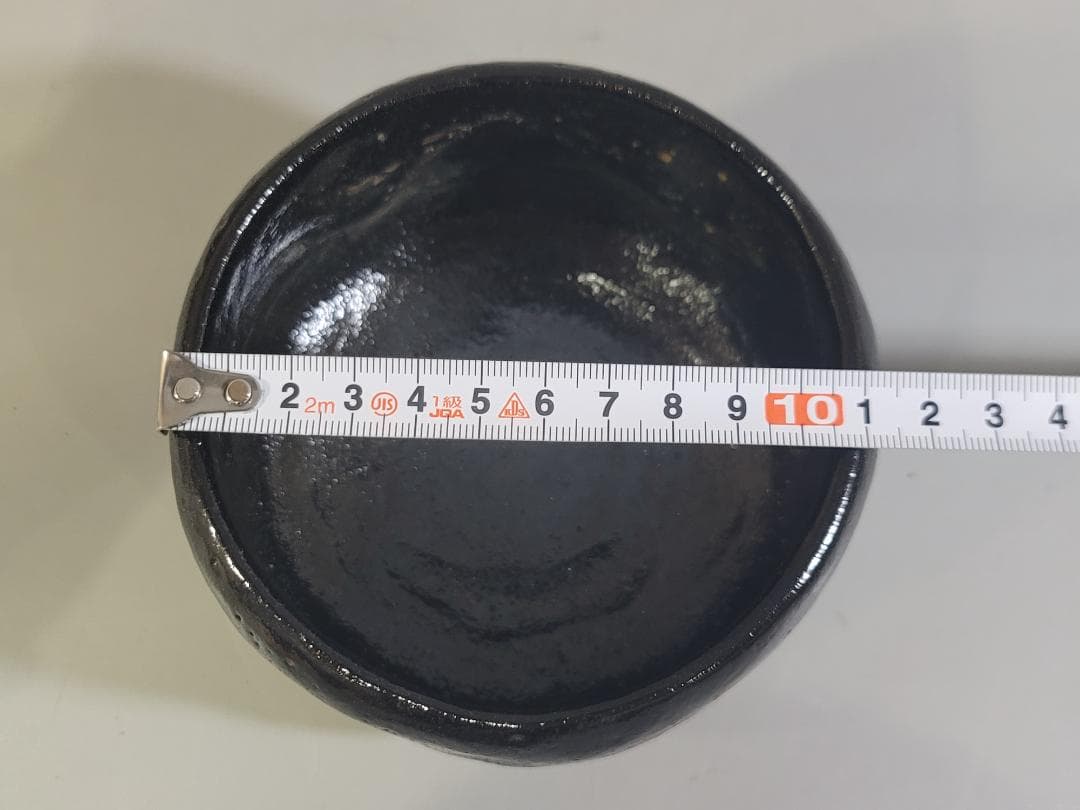
• Dimensions: W 11 cm × H 7.7 cm (4.3" dia × 3.0" h)
• Box: Tomobako with "黒楽茶碗 道年" inscription and kao (cipher)
• Condition: Good — minor surface scuffs consistent with character of the piece; no structural damage
━━━━━━━━━━━━━━━━━━━━
🔹 [ CULTURAL & ARTISTIC INSIGHT ]
Nakamura Donen occupies a distinctive position in Kyoto's Raku ceramic landscape. Where the mainline Raku family often pursues refinement within established parameters, Donen's work gravitates toward the raw — toward surfaces that remember the hand more than the glaze. This bowl is a declaration of that sensibility.
The surface texture is the defining characteristic. Rather than the uniform gloss associated with classical kuro-raku, this bowl presents a matte, sand-textured terrain. The clay body asserts itself through the glaze, creating a grainy, tactile surface that shifts between dark grey and deep black as light moves across it. A glossy band near the rim transitions into the matte, sandy body below — this tonal contrast is not applied decoration but a natural consequence of how the glaze interacts with the clay at different thicknesses and temperatures.
Finger impressions and surface undulations are not imperfections but signatures. Each indentation records the pressure and direction of Donen's hands as he shaped the vessel from a single mass of clay — the hand-building technique (tezukune) that distinguishes Raku from wheel-thrown ceramics. The irregular mouth refuses symmetry, asserting the bowl's identity as a formed object rather than a manufactured one.
The overall impression is one of weight and groundedness. This is a bowl that belongs to the earth from which it came, carrying the density of material rather than transcending it.
━━━━━━━━━━━━━━━━━━━━
🔹 [ DEEP-DIVE COMMENTARY ]
**Donen's Aesthetic Position**: The 1st Generation Nakamura Donen (active Showa period) developed a Raku vocabulary that emphasized material truth over surface polish. His bowls tend toward robust forms with heavy walls, assertive finger marks, and glazes that reveal rather than conceal the clay beneath. This places him in a lineage of thought that connects to the earliest Raku bowls of Chojiro — vessels that were valued precisely for their refusal of decorative ambition.
**Sand Texture and Matte Surface**: The grainy, matte quality of this bowl's surface results from a deliberate interaction between clay composition and firing approach. The Raku clay body, rich in grog and mineral inclusions, pushes through the glaze layer during firing, creating a surface that is simultaneously glazed and unglazed. This quality gives the bowl its distinctive tactile character — rough enough to engage the fingertips, smooth enough to carry tea without interference.
**Differentiating This Bowl**: Within Donen's body of work, this piece (DT704) stands apart for its emphasis on earth tones and surface roughness. Where other Donen bowls may exhibit more speckled or glossy characteristics, this vessel leans fully into the matte, sandy register. The grey-to-black tonal range speaks of a firing where the reduction atmosphere was modulated to produce depth without high gloss — a more subdued, contemplative expression.
**The Hand-Built Imperative**: Raku tea bowls are among the few ceramic forms still universally created by hand rather than wheel. The tezukune method — pinching and shaping from a solid lump of clay — produces walls of uneven thickness, asymmetric profiles, and organic curves that mechanical reproduction cannot replicate. In this bowl, the evidence of hand-building is particularly pronounced, giving the vessel an almost geological quality.
━━━━━━━━━━━━━━━━━━━━
🔹 [ 日本語解説 ]
【基本情報】
• 作家:初代 中村道年
• 技法:黒楽(手捏ね)
• 時代:昭和期
• 産地:京都
• 寸法:口径約11cm × 高さ約7.7cm
• 付属:共箱(「黒楽茶碗 道年」箱書・花押あり)
• 状態:良好 — 使用に伴う軽微な擦れあり、構造的ダメージなし
【解説】
初代中村道年による黒楽茶碗。道年は京都楽焼の作家の中でも、土味を前面に押し出す独自の作風で知られる。本作は光沢を抑えたマットで砂質感のある表面が特徴的で、暗灰色から漆黒へのグラデーションが器面を覆う。
口縁近くの艶のある帯から、胴部の砂肌へと移行する質感の対比が見どころである。指の跡や表面の起伏が生々しく残り、手捏ねの痕跡が造形そのものとなっている。不整形の口縁は対称を拒み、土から生まれた器としての存在感を主張する。
重厚な手取りと地に根ざしたような佇まいは、道年の美意識——華やかさよりも素材の真実を尊ぶ姿勢——を端的に表している。共箱の「黒楽茶碗 道年」の箱書と花押が作品の来歴を裏付ける。
━━━━━━━━━━━━━━━━━━━━
🔹 [ SHIPPING & PACKAGING ]
• Dispatch: Within 1-6 business days
• Carrier: Japan Post EMS / UPS (with tracking)
• Packaging: Carefully wrapped with protective materials
_"Not every darkness is polished. Some holds the memory of sand, of earth pressed slow into form."_
━━━━━━━━━━━━━━━━━━━━
🔹 [ BASIC DETAILS ]
• Artist: 1st Generation Nakamura Donen (初代 中村道年)
• Technique: Kuro-raku (black Raku) — hand-built
• Era: Showa period
• Origin: Kyoto, Japan
• Dimensions: W 11 cm × H 7.7 cm (4.3" dia × 3.0" h)
• Box: Tomobako with "黒楽茶碗 道年" inscription and kao (cipher)
• Condition: Good — minor surface scuffs consistent with character of the piece; no structural damage
━━━━━━━━━━━━━━━━━━━━
🔹 [ CULTURAL & ARTISTIC INSIGHT ]
Nakamura Donen occupies a distinctive position in Kyoto's Raku ceramic landscape. Where the mainline Raku family often pursues refinement within established parameters, Donen's work gravitates toward the raw — toward surfaces that remember the hand more than the glaze. This bowl is a declaration of that sensibility.
The surface texture is the defining characteristic. Rather than the uniform gloss associated with classical kuro-raku, this bowl presents a matte, sand-textured terrain. The clay body asserts itself through the glaze, creating a grainy, tactile surface that shifts between dark grey and deep black as light moves across it. A glossy band near the rim transitions into the matte, sandy body below — this tonal contrast is not applied decoration but a natural consequence of how the glaze interacts with the clay at different thicknesses and temperatures.
Finger impressions and surface undulations are not imperfections but signatures. Each indentation records the pressure and direction of Donen's hands as he shaped the vessel from a single mass of clay — the hand-building technique (tezukune) that distinguishes Raku from wheel-thrown ceramics. The irregular mouth refuses symmetry, asserting the bowl's identity as a formed object rather than a manufactured one.
The overall impression is one of weight and groundedness. This is a bowl that belongs to the earth from which it came, carrying the density of material rather than transcending it.
━━━━━━━━━━━━━━━━━━━━
🔹 [ DEEP-DIVE COMMENTARY ]
**Donen's Aesthetic Position**: The 1st Generation Nakamura Donen (active Showa period) developed a Raku vocabulary that emphasized material truth over surface polish. His bowls tend toward robust forms with heavy walls, assertive finger marks, and glazes that reveal rather than conceal the clay beneath. This places him in a lineage of thought that connects to the earliest Raku bowls of Chojiro — vessels that were valued precisely for their refusal of decorative ambition.
**Sand Texture and Matte Surface**: The grainy, matte quality of this bowl's surface results from a deliberate interaction between clay composition and firing approach. The Raku clay body, rich in grog and mineral inclusions, pushes through the glaze layer during firing, creating a surface that is simultaneously glazed and unglazed. This quality gives the bowl its distinctive tactile character — rough enough to engage the fingertips, smooth enough to carry tea without interference.
**Differentiating This Bowl**: Within Donen's body of work, this piece (DT704) stands apart for its emphasis on earth tones and surface roughness. Where other Donen bowls may exhibit more speckled or glossy characteristics, this vessel leans fully into the matte, sandy register. The grey-to-black tonal range speaks of a firing where the reduction atmosphere was modulated to produce depth without high gloss — a more subdued, contemplative expression.
**The Hand-Built Imperative**: Raku tea bowls are among the few ceramic forms still universally created by hand rather than wheel. The tezukune method — pinching and shaping from a solid lump of clay — produces walls of uneven thickness, asymmetric profiles, and organic curves that mechanical reproduction cannot replicate. In this bowl, the evidence of hand-building is particularly pronounced, giving the vessel an almost geological quality.
━━━━━━━━━━━━━━━━━━━━
🔹 [ 日本語解説 ]
【基本情報】
• 作家:初代 中村道年
• 技法:黒楽(手捏ね)
• 時代:昭和期
• 産地:京都
• 寸法:口径約11cm × 高さ約7.7cm
• 付属:共箱(「黒楽茶碗 道年」箱書・花押あり)
• 状態:良好 — 使用に伴う軽微な擦れあり、構造的ダメージなし
【解説】
初代中村道年による黒楽茶碗。道年は京都楽焼の作家の中でも、土味を前面に押し出す独自の作風で知られる。本作は光沢を抑えたマットで砂質感のある表面が特徴的で、暗灰色から漆黒へのグラデーションが器面を覆う。
口縁近くの艶のある帯から、胴部の砂肌へと移行する質感の対比が見どころである。指の跡や表面の起伏が生々しく残り、手捏ねの痕跡が造形そのものとなっている。不整形の口縁は対称を拒み、土から生まれた器としての存在感を主張する。
重厚な手取りと地に根ざしたような佇まいは、道年の美意識——華やかさよりも素材の真実を尊ぶ姿勢——を端的に表している。共箱の「黒楽茶碗 道年」の箱書と花押が作品の来歴を裏付ける。
━━━━━━━━━━━━━━━━━━━━
🔹 [ SHIPPING & PACKAGING ]
• Dispatch: Within 1-6 business days
• Carrier: Japan Post EMS / UPS (with tracking)
• Packaging: Carefully wrapped with protective materials
Quantity
Couldn't load pickup availability
Out of stock
View full details