1
/
of
13
Nabetani Fusagai Black Lacquer Chu-Natsume — Obana Pampas Grass Gold Maki-e Tea Caddy
Nabetani Fusagai Black Lacquer Chu-Natsume — Obana Pampas Grass Gold Maki-e Tea Caddy
Regular price
Dhs. 859.00 AED
Regular price
Sale price
Dhs. 859.00 AED
Taxes included.
Shipping calculated at checkout.
Experience authentic Japanese tea ceremony lacquerware with this Obana Pampas Grass Maki-e Chu-Natsume. This Japanese Tea Caddy serves as a Nabetani Fusagai Maki-e Masterwork and Gold Lacquer Natsume, featuring Susuki Grass Autumn Motif and Black Urushi Lacquer—a must-have for any Art Collector seeking Autumn Tea Ceremony Art and Japanese Urushi Lacquerware.
━━━━━━━━━━━━━━━━━━━━
🔹 [ BASIC DETAILS ]
• Artist: Nabetani Fusagai (鍋谷房外)
• Technique: Gold maki-e on black urushi lacquer
• Era: 2010s
• Origin: Japan
• Dimensions: Approx. 6.5 cm H × 6.5 cm dia. (2.6" × 2.6")
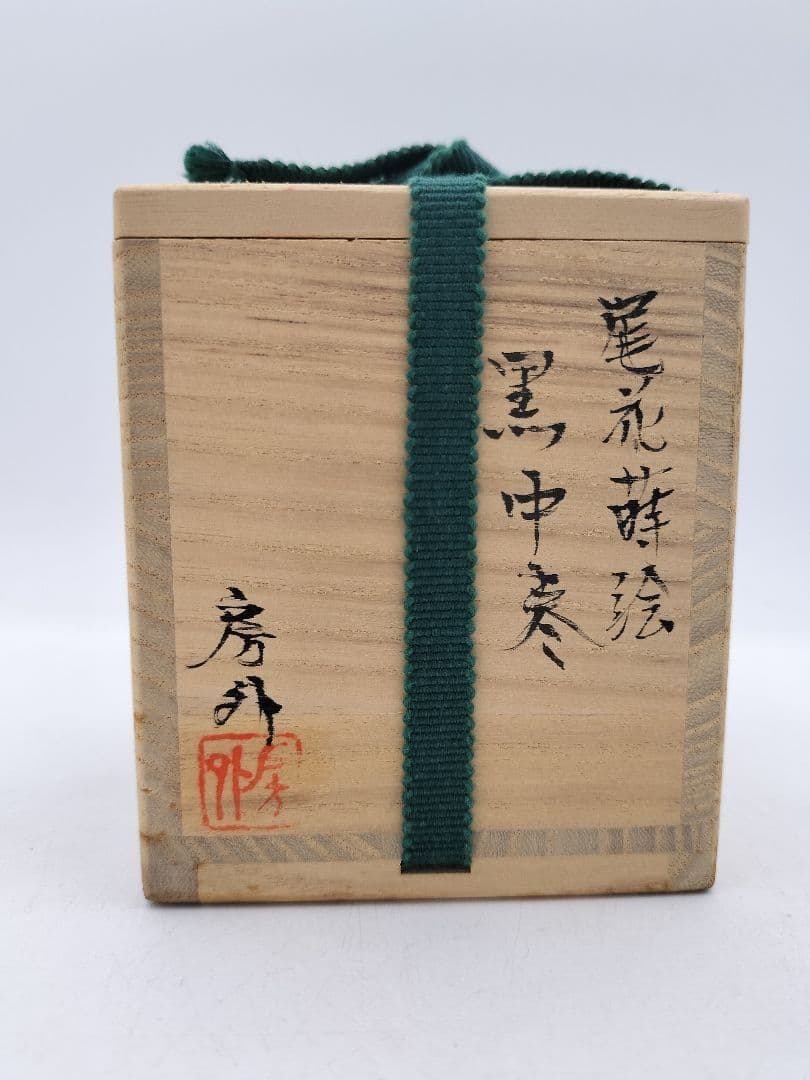
• Box: Signed tomobako with artist seal
• Condition: Excellent — no chips, scratches, or wear on lacquer surface
━━━━━━━━━━━━━━━━━━━━
🔹 [ CULTURAL & ARTISTIC INSIGHT ]
Autumn distilled into lacquer. Nabetani Fusagai renders obana — pampas grass, one of the Seven Grasses of Autumn — in fine gold maki-e across the face of this black chu-natsume. The arching stems carry their seed heads with the quiet weight of a season turning. The back remains unadorned black urushi, allowing the composition to breathe against stillness.
In Japanese poetic tradition, obana (尾花) — also known as susuki — is the plant most closely associated with autumn's emotional register. It appears in the Man'yoshu, in Basho's haiku, in the formal arrangements of the moon-viewing ceremony. Its presence on a tea caddy signals a host who recognizes that autumn is not an ending but a deepening — a season that gains density as it moves toward silence.
The gold line work is confident and unhurried. Each stem is placed with the assurance of a seasoned maki-e hand — visible in the way the seed heads fan outward at precisely the angle where gravity and growth negotiate.
*"The pampas grass does not bend toward autumn. It has been autumn all along — waiting for the season to arrive."*
━━━━━━━━━━━━━━━━━━━━
🔹 [ DEEP-DIVE COMMENTARY ]
**Obana and the Seven Grasses of Autumn**: Obana (susuki, Miscanthus sinensis) is one of the Aki no Nanakusa (秋の七草), the seven grasses celebrated in a poem by Yamanoue no Okura in the Man'yoshu. Unlike the spring seven herbs which are eaten, the autumn seven grasses are purely aesthetic — they exist to be witnessed. Among them, obana occupies a special place: its silver seed heads catch the light of the harvest moon, becoming the visual anchor of tsukimi (moon-viewing) arrangements.
**Maki-e Rendering of Grass**: Rendering susuki in maki-e presents a specific technical challenge. The plant's character lies in its linear quality — long, arching stems and fine seed plumes. Gold maki-e lines must be drawn with a brush thin enough to preserve the grass's delicacy while bold enough to register against black lacquer. Nabetani Fusagai achieves this balance by varying line weight: thicker at the base where stems emerge, thinning toward the tips where seed heads disperse.
**The Asymmetric Composition**: The maki-e is concentrated on one face of the natsume, leaving the reverse in unbroken black. This compositional choice follows a principle common to Japanese decorative arts: ma (間), the active use of empty space. The black expanse is not absence — it is the field against which the grass becomes visible.
**Chu-Natsume as Versatile Form**: The chu-natsume (中棗) occupies the middle ground between the compact ko-natsume and the expansive o-natsume. Its proportions accommodate both koicha and usucha preparations, making it one of the most frequently used tea caddies in practice. An autumn-themed chu-natsume like this one serves from September through November in the traditional tea calendar.
━━━━━━━━━━━━━━━━━━━━
🔹 [ 日本語解説 ]
【基本情報】
• 作家:鍋谷房外
• 技法:黒漆地 金蒔絵
• 時代:2010年代
• 産地:日本
• 寸法:高さ約6.5cm × 径約6.5cm
• 付属:共箱(署名・落款あり)
• 状態:優良 — 漆面に傷・欠けなし
【解説】
尾花(おばな)は薄(ススキ)の別名であり、秋の七草のひとつとして万葉の時代から日本人に愛されてきた植物です。月見の主役であり、秋の深まりを視覚的に伝える存在として、茶道具の意匠にも繰り返し登場します。
鍋谷房外はこの尾花を、黒漆地に金蒔絵で描いています。弓なりに伸びる茎と穂先の繊細な筆致が、蒔絵師としての確かな力量を示しています。裏面は無地の黒漆——描かれた面と描かれない面の対比が、余白(間)の美を体現しています。秋の茶席の取り合わせに最適な中棗です。
━━━━━━━━━━━━━━━━━━━━
🔹 [ SHIPPING & PACKAGING ]
• Dispatch: Within 1-6 business days
• Carrier: Japan Post EMS / UPS (with tracking)
• Packaging: Carefully wrapped with protective materials
*Silver-headed grass rendered in gold — autumn's memory held in lacquer, waiting for the moon.*
━━━━━━━━━━━━━━━━━━━━
🔹 [ BASIC DETAILS ]
• Artist: Nabetani Fusagai (鍋谷房外)
• Technique: Gold maki-e on black urushi lacquer
• Era: 2010s
• Origin: Japan
• Dimensions: Approx. 6.5 cm H × 6.5 cm dia. (2.6" × 2.6")
• Box: Signed tomobako with artist seal
• Condition: Excellent — no chips, scratches, or wear on lacquer surface
━━━━━━━━━━━━━━━━━━━━
🔹 [ CULTURAL & ARTISTIC INSIGHT ]
Autumn distilled into lacquer. Nabetani Fusagai renders obana — pampas grass, one of the Seven Grasses of Autumn — in fine gold maki-e across the face of this black chu-natsume. The arching stems carry their seed heads with the quiet weight of a season turning. The back remains unadorned black urushi, allowing the composition to breathe against stillness.
In Japanese poetic tradition, obana (尾花) — also known as susuki — is the plant most closely associated with autumn's emotional register. It appears in the Man'yoshu, in Basho's haiku, in the formal arrangements of the moon-viewing ceremony. Its presence on a tea caddy signals a host who recognizes that autumn is not an ending but a deepening — a season that gains density as it moves toward silence.
The gold line work is confident and unhurried. Each stem is placed with the assurance of a seasoned maki-e hand — visible in the way the seed heads fan outward at precisely the angle where gravity and growth negotiate.
*"The pampas grass does not bend toward autumn. It has been autumn all along — waiting for the season to arrive."*
━━━━━━━━━━━━━━━━━━━━
🔹 [ DEEP-DIVE COMMENTARY ]
**Obana and the Seven Grasses of Autumn**: Obana (susuki, Miscanthus sinensis) is one of the Aki no Nanakusa (秋の七草), the seven grasses celebrated in a poem by Yamanoue no Okura in the Man'yoshu. Unlike the spring seven herbs which are eaten, the autumn seven grasses are purely aesthetic — they exist to be witnessed. Among them, obana occupies a special place: its silver seed heads catch the light of the harvest moon, becoming the visual anchor of tsukimi (moon-viewing) arrangements.
**Maki-e Rendering of Grass**: Rendering susuki in maki-e presents a specific technical challenge. The plant's character lies in its linear quality — long, arching stems and fine seed plumes. Gold maki-e lines must be drawn with a brush thin enough to preserve the grass's delicacy while bold enough to register against black lacquer. Nabetani Fusagai achieves this balance by varying line weight: thicker at the base where stems emerge, thinning toward the tips where seed heads disperse.
**The Asymmetric Composition**: The maki-e is concentrated on one face of the natsume, leaving the reverse in unbroken black. This compositional choice follows a principle common to Japanese decorative arts: ma (間), the active use of empty space. The black expanse is not absence — it is the field against which the grass becomes visible.
**Chu-Natsume as Versatile Form**: The chu-natsume (中棗) occupies the middle ground between the compact ko-natsume and the expansive o-natsume. Its proportions accommodate both koicha and usucha preparations, making it one of the most frequently used tea caddies in practice. An autumn-themed chu-natsume like this one serves from September through November in the traditional tea calendar.
━━━━━━━━━━━━━━━━━━━━
🔹 [ 日本語解説 ]
【基本情報】
• 作家:鍋谷房外
• 技法:黒漆地 金蒔絵
• 時代:2010年代
• 産地:日本
• 寸法:高さ約6.5cm × 径約6.5cm
• 付属:共箱(署名・落款あり)
• 状態:優良 — 漆面に傷・欠けなし
【解説】
尾花(おばな)は薄(ススキ)の別名であり、秋の七草のひとつとして万葉の時代から日本人に愛されてきた植物です。月見の主役であり、秋の深まりを視覚的に伝える存在として、茶道具の意匠にも繰り返し登場します。
鍋谷房外はこの尾花を、黒漆地に金蒔絵で描いています。弓なりに伸びる茎と穂先の繊細な筆致が、蒔絵師としての確かな力量を示しています。裏面は無地の黒漆——描かれた面と描かれない面の対比が、余白(間)の美を体現しています。秋の茶席の取り合わせに最適な中棗です。
━━━━━━━━━━━━━━━━━━━━
🔹 [ SHIPPING & PACKAGING ]
• Dispatch: Within 1-6 business days
• Carrier: Japan Post EMS / UPS (with tracking)
• Packaging: Carefully wrapped with protective materials
*Silver-headed grass rendered in gold — autumn's memory held in lacquer, waiting for the moon.*
Quantity
Couldn't load pickup availability
Low stock: 1 left
View full details