1
/
of
10
Nabeshima Celadon Ice Crack Tea Bowl Kawasoe Hideki Kosen Kiln Chawan
Nabeshima Celadon Ice Crack Tea Bowl Kawasoe Hideki Kosen Kiln Chawan
Regular price
Dhs. 667.00 AED
Regular price
Sale price
Dhs. 667.00 AED
Taxes included.
Shipping calculated at checkout.
A Nabeshima celadon tea bowl by Kawasoe Hideki of Kosen kiln, where fractured-ice crackle glaze maps its own geography across a steel-blue surface. The hyoretsu technique — Nabeshima's defining ice-crack celadon — transforms controlled fracture into quiet spectacle. Each fissure line a record of cooling, each shard of glaze a frozen moment. This is Arita porcelain shaped by the weight of domain-kiln tradition and the presence of a living hand.
━━━━━━━━━━━━━━━━━━━━
🔹 [ BASIC DETAILS ]
• Artist: Kawasoe Hideki (川副秀樹)
• Kiln: Kosen-gama (虎仙窯), Okawachiyama, Imari
• Technique: Nabeshima ice-crack celadon (鍋島氷裂青磁)
• Era: Heisei period
• Origin: Imari / Arita, Saga Prefecture, Japan
• Dimensions: 12.5 cm × 8.0 cm (4.9" dia × 3.1" h)
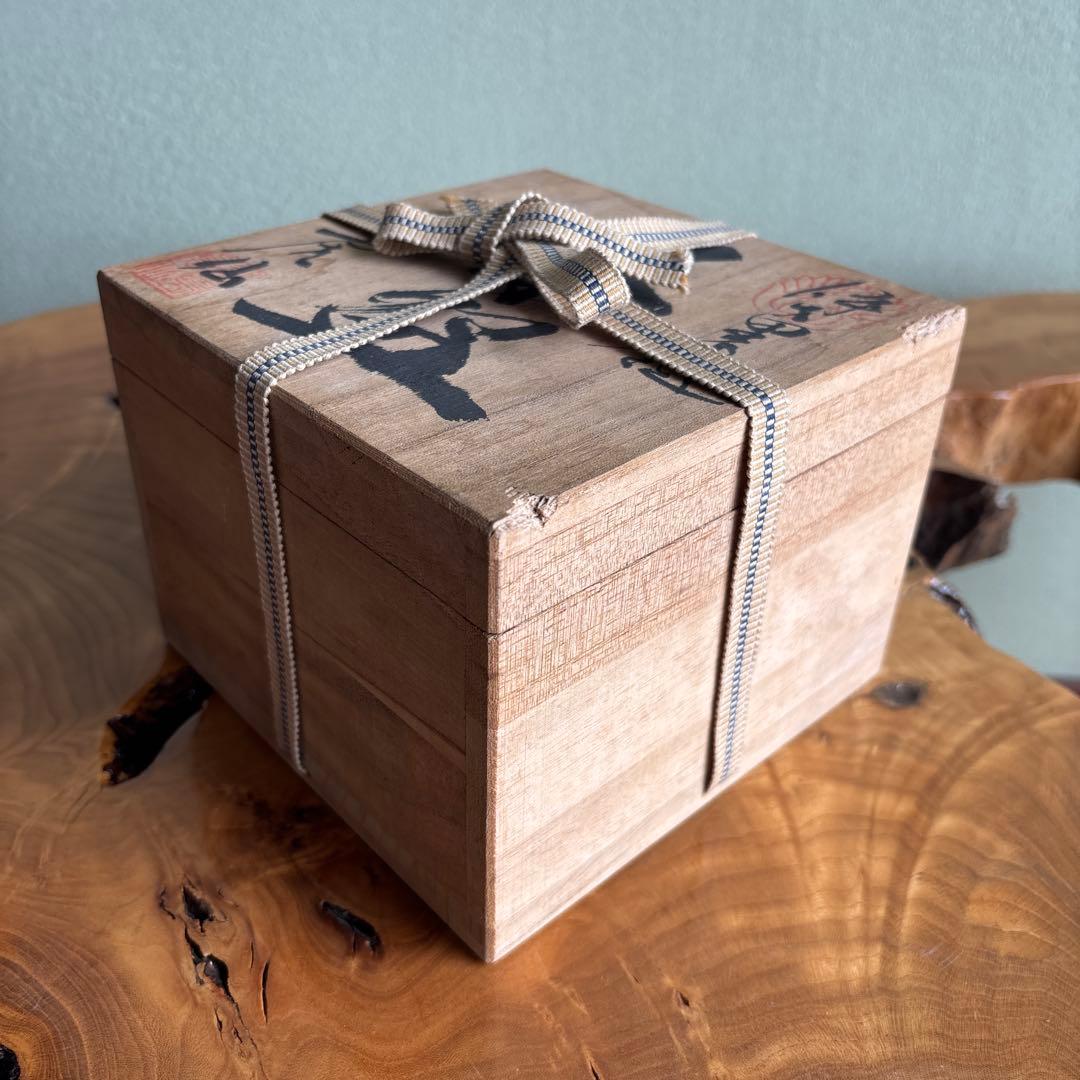
• Box: Tomobako (signed wooden box with red seal)
• Condition: Excellent — no chips, cracks, or repairs; glaze fully intact
━━━━━━━━━━━━━━━━━━━━
🔹 [ CULTURAL & ARTISTIC INSIGHT ]
Nabeshima ware occupies a singular position in the hierarchy of Japanese ceramics. Produced at Okawachiyama under the direct authority of the Nabeshima feudal domain, these kilns operated not for commerce but for tribute — ceramics made to be presented upward, never sold. That lineage of intention persists in the work of contemporary Nabeshima potters, and Kawasoe Hideki's Kosen kiln carries it forward with undiluted focus.
The hyoretsu — ice-crack — technique is Nabeshima celadon's defining expression. Unlike ordinary crackle glazes where crazing occurs incidentally, Nabeshima hyoretsu is engineered: the potter controls the thickness and composition of the celadon glaze so that upon cooling, it fractures into bold, deliberate shards that catch and redirect light like frozen water. The effect is not decorative accident but calculated geology.
This bowl presents a steel-blue celadon tone — cooler and more muted than the jade-green celadon of Chinese Longquan or Korean Goryeo traditions. The color speaks to Nabeshima's independent ceramic identity: a celadon vocabulary that belongs to neither continent nor peninsula but to Saga alone. The upper body carries a subtle matte bloom where the glaze thins toward the rim, transitioning to deeper gloss below where thickness concentrates. This gradient is not applied — it is a consequence of gravity and firing, recorded permanently in the surface.
The tall, conical form narrows to a compact foot ring, its proportions calibrated for the weight and warmth of matcha in the hands. The reddish-brown exposed clay at the foot provides the only interruption of celadon — an earthen anchor beneath the glacial surface.
*"The glaze did not crack. It decided where to become itself."*
━━━━━━━━━━━━━━━━━━━━
🔹 [ DEEP-DIVE COMMENTARY ]
**Okawachiyama Legacy**: The kilns of Okawachiyama were deliberately isolated in a mountain valley, their techniques guarded as domain secrets. Potters were forbidden from leaving the village. This enforced concentration produced ceramics of extraordinary refinement — pieces intended for daimyo tables and shogunal gifts. Kawasoe's Kosen kiln operates in this same geographic and spiritual territory, drawing on generations of accumulated glaze knowledge that cannot be replicated elsewhere.
**Ice-Crack Mechanics**: The hyoretsu effect depends on a precise mismatch between the thermal expansion coefficients of glaze and clay body. As the kiln cools, the celadon glaze contracts at a different rate than the porcelain beneath, generating stress patterns that resolve into bold fracture lines. The scale of the crackle — whether fine web or large shard — is governed by glaze thickness, cooling rate, and clay composition. This bowl achieves large, dramatic shards that give the surface a tectonic quality, as though the glaze were a frozen lake viewed from above.
**Steel-Blue Palette**: The cooler blue-grey tone of this celadon derives from iron oxide reduction in the kiln atmosphere, combined with specific mineral compositions in Arita-region feldspathic glazes. Where Chinese celadon tends toward warm jade and Korean celadon toward grey-green, Nabeshima celadon often occupies a cooler register — a color temperature that evokes winter light rather than spring water. This is not a limitation but a statement of regional identity.
**Matte-to-Gloss Gradient**: The transition from a slightly matte, almost powdery surface near the rim to a deep, liquid gloss toward the lower body is a hallmark of thick celadon application on vertical forms. Where the glaze is thinnest at the rim, light scatters; where it pools and thickens toward the base, it becomes mirror-like. This natural gradient gives the bowl a sense of atmospheric depth that shifts as one turns it in the hands.
**Cobalt Seal at Foot**: The blue stamp within the foot ring — rendered beneath the celadon glaze — marks the piece as Kosen kiln production. This underglaze seal survives the same firing that creates the ice-crack surface, linking maker's identity to the material process itself.
━━━━━━━━━━━━━━━━━━━━
🔹 [ 日本語解説 ]
【基本情報】
• 作家:川副秀樹
• 窯元:虎仙窯(佐賀県伊万里市大川内山)
• 技法:鍋島氷裂青磁
• 時代:平成
• 産地:伊万里・有田(佐賀県)
• 寸法:口径約12.5cm × 高さ約8.0cm
• 付属:共箱(箱書「青磁茶盌」・朱印)
• 状態:良好 — 傷、ヒビ、直しなし
【解説】
鍋島藩窯の伝統を受け継ぐ虎仙窯・川副秀樹による氷裂青磁茶碗。鉄灰がかった青磁の肌に大胆な氷裂貫入が走り、凍てついた水面のような景色を見せる。
大川内山の鍋島窯は、藩の御用窯として門外不出の技術を守り続けた歴史を持つ。氷裂青磁はその代表的技法であり、釉薬と素地の収縮率の差を精密に制御することで、冷却時に大胆な貫入を意図的に生じさせる。偶然の産物ではなく、計算された地質学のような美である。
本作の青磁は、中国龍泉窯の翡翠色とも高麗青磁の灰緑色とも異なる、鍋島独自の鉄灰青を呈している。口縁部のやや粉引的なマット質感から、胴下部の深い光沢へと移行するグラデーションは、釉の流れと重力が記録した自然の表情である。小ぶりな高台の露胎部に見える赤褐色の土味が、青磁の冷涼さに温かみの対位を添えている。
━━━━━━━━━━━━━━━━━━━━
🔹 [ SHIPPING & PACKAGING ]
• Dispatch: Within 1-6 business days
• Carrier: Japan Post EMS / UPS (with tracking)
• Packaging: Carefully wrapped with protective materials
*Where the glaze fractures, the kiln's breath is preserved — each line a boundary between stillness and stillness.*
━━━━━━━━━━━━━━━━━━━━
🔹 [ BASIC DETAILS ]
• Artist: Kawasoe Hideki (川副秀樹)
• Kiln: Kosen-gama (虎仙窯), Okawachiyama, Imari
• Technique: Nabeshima ice-crack celadon (鍋島氷裂青磁)
• Era: Heisei period
• Origin: Imari / Arita, Saga Prefecture, Japan
• Dimensions: 12.5 cm × 8.0 cm (4.9" dia × 3.1" h)
• Box: Tomobako (signed wooden box with red seal)
• Condition: Excellent — no chips, cracks, or repairs; glaze fully intact
━━━━━━━━━━━━━━━━━━━━
🔹 [ CULTURAL & ARTISTIC INSIGHT ]
Nabeshima ware occupies a singular position in the hierarchy of Japanese ceramics. Produced at Okawachiyama under the direct authority of the Nabeshima feudal domain, these kilns operated not for commerce but for tribute — ceramics made to be presented upward, never sold. That lineage of intention persists in the work of contemporary Nabeshima potters, and Kawasoe Hideki's Kosen kiln carries it forward with undiluted focus.
The hyoretsu — ice-crack — technique is Nabeshima celadon's defining expression. Unlike ordinary crackle glazes where crazing occurs incidentally, Nabeshima hyoretsu is engineered: the potter controls the thickness and composition of the celadon glaze so that upon cooling, it fractures into bold, deliberate shards that catch and redirect light like frozen water. The effect is not decorative accident but calculated geology.
This bowl presents a steel-blue celadon tone — cooler and more muted than the jade-green celadon of Chinese Longquan or Korean Goryeo traditions. The color speaks to Nabeshima's independent ceramic identity: a celadon vocabulary that belongs to neither continent nor peninsula but to Saga alone. The upper body carries a subtle matte bloom where the glaze thins toward the rim, transitioning to deeper gloss below where thickness concentrates. This gradient is not applied — it is a consequence of gravity and firing, recorded permanently in the surface.
The tall, conical form narrows to a compact foot ring, its proportions calibrated for the weight and warmth of matcha in the hands. The reddish-brown exposed clay at the foot provides the only interruption of celadon — an earthen anchor beneath the glacial surface.
*"The glaze did not crack. It decided where to become itself."*
━━━━━━━━━━━━━━━━━━━━
🔹 [ DEEP-DIVE COMMENTARY ]
**Okawachiyama Legacy**: The kilns of Okawachiyama were deliberately isolated in a mountain valley, their techniques guarded as domain secrets. Potters were forbidden from leaving the village. This enforced concentration produced ceramics of extraordinary refinement — pieces intended for daimyo tables and shogunal gifts. Kawasoe's Kosen kiln operates in this same geographic and spiritual territory, drawing on generations of accumulated glaze knowledge that cannot be replicated elsewhere.
**Ice-Crack Mechanics**: The hyoretsu effect depends on a precise mismatch between the thermal expansion coefficients of glaze and clay body. As the kiln cools, the celadon glaze contracts at a different rate than the porcelain beneath, generating stress patterns that resolve into bold fracture lines. The scale of the crackle — whether fine web or large shard — is governed by glaze thickness, cooling rate, and clay composition. This bowl achieves large, dramatic shards that give the surface a tectonic quality, as though the glaze were a frozen lake viewed from above.
**Steel-Blue Palette**: The cooler blue-grey tone of this celadon derives from iron oxide reduction in the kiln atmosphere, combined with specific mineral compositions in Arita-region feldspathic glazes. Where Chinese celadon tends toward warm jade and Korean celadon toward grey-green, Nabeshima celadon often occupies a cooler register — a color temperature that evokes winter light rather than spring water. This is not a limitation but a statement of regional identity.
**Matte-to-Gloss Gradient**: The transition from a slightly matte, almost powdery surface near the rim to a deep, liquid gloss toward the lower body is a hallmark of thick celadon application on vertical forms. Where the glaze is thinnest at the rim, light scatters; where it pools and thickens toward the base, it becomes mirror-like. This natural gradient gives the bowl a sense of atmospheric depth that shifts as one turns it in the hands.
**Cobalt Seal at Foot**: The blue stamp within the foot ring — rendered beneath the celadon glaze — marks the piece as Kosen kiln production. This underglaze seal survives the same firing that creates the ice-crack surface, linking maker's identity to the material process itself.
━━━━━━━━━━━━━━━━━━━━
🔹 [ 日本語解説 ]
【基本情報】
• 作家:川副秀樹
• 窯元:虎仙窯(佐賀県伊万里市大川内山)
• 技法:鍋島氷裂青磁
• 時代:平成
• 産地:伊万里・有田(佐賀県)
• 寸法:口径約12.5cm × 高さ約8.0cm
• 付属:共箱(箱書「青磁茶盌」・朱印)
• 状態:良好 — 傷、ヒビ、直しなし
【解説】
鍋島藩窯の伝統を受け継ぐ虎仙窯・川副秀樹による氷裂青磁茶碗。鉄灰がかった青磁の肌に大胆な氷裂貫入が走り、凍てついた水面のような景色を見せる。
大川内山の鍋島窯は、藩の御用窯として門外不出の技術を守り続けた歴史を持つ。氷裂青磁はその代表的技法であり、釉薬と素地の収縮率の差を精密に制御することで、冷却時に大胆な貫入を意図的に生じさせる。偶然の産物ではなく、計算された地質学のような美である。
本作の青磁は、中国龍泉窯の翡翠色とも高麗青磁の灰緑色とも異なる、鍋島独自の鉄灰青を呈している。口縁部のやや粉引的なマット質感から、胴下部の深い光沢へと移行するグラデーションは、釉の流れと重力が記録した自然の表情である。小ぶりな高台の露胎部に見える赤褐色の土味が、青磁の冷涼さに温かみの対位を添えている。
━━━━━━━━━━━━━━━━━━━━
🔹 [ SHIPPING & PACKAGING ]
• Dispatch: Within 1-6 business days
• Carrier: Japan Post EMS / UPS (with tracking)
• Packaging: Carefully wrapped with protective materials
*Where the glaze fractures, the kiln's breath is preserved — each line a boundary between stillness and stillness.*
Quantity
Couldn't load pickup availability
Low stock: 1 left
View full details