1
/
of
17
Mushiake Ware Willow Design Tea Bowl by Irie Hakushu - E-Karatsu Style Chawan with Box
Regular price
Dhs. 690.00 AED
Regular price
Sale price
Dhs. 690.00 AED
Taxes included.
Shipping calculated at checkout.
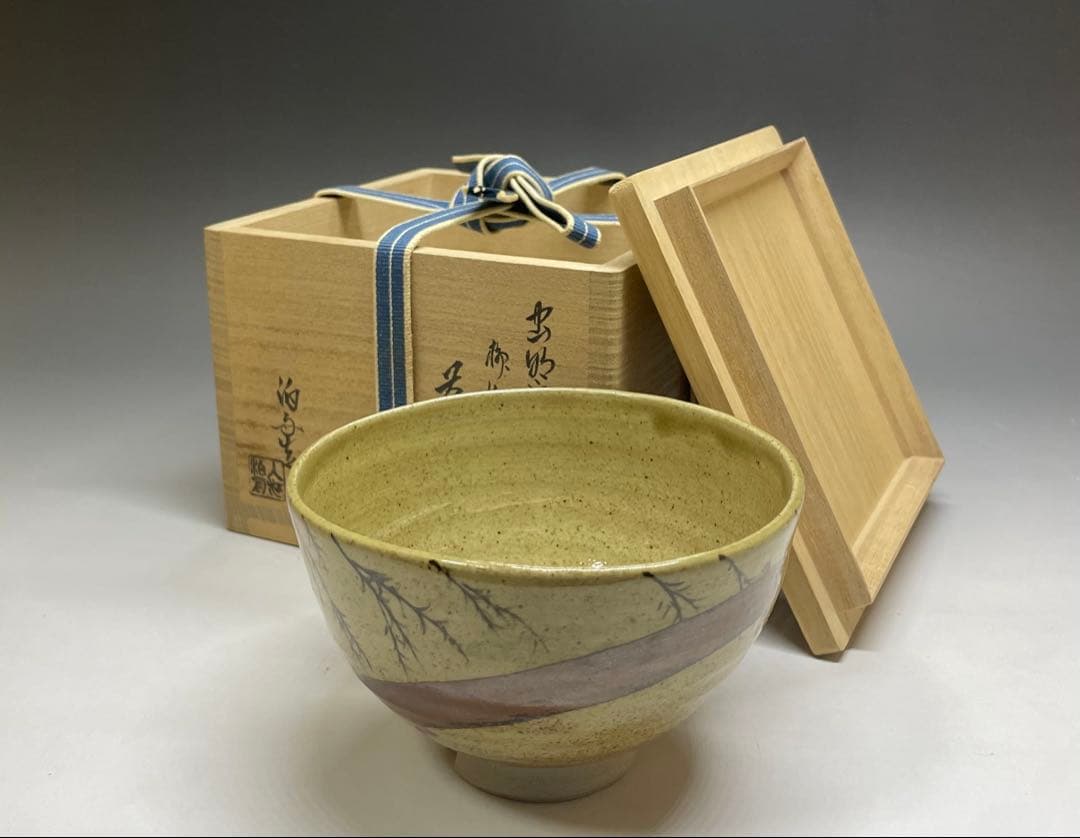
Experience Authentic Japan Art with this Mushiake Ware Tea Bowl. This Japanese Matcha Chawan serves as an Irie Hakushu Pottery and Willow Branch Design, featuring E-Karatsu Style painting and Cream White Glaze—a must-have for any Art Collector seeking Bizen Tradition Ceramic and Zen Tea Ceremony Art.
━━━━━━━━━━━━━━━━━━━━
🔹 [ BASIC DETAILS ]
• Artist: Irie Hakushu (入江伯舟)
• Technique: Iron-painted willow design (yanagi-e) with red clay band
• Era: Contemporary (Heisei–Reiwa period)
• Origin: Mushiake, Okayama Prefecture, Japan
• Dimensions: Height approx. 7.6 cm, Diameter approx. 11.5 cm, Foot approx. 4.8 cm
• Box: Tomobako with four-rail lid (四方桟盛蓋)
• Condition: Excellent
━━━━━━━━━━━━━━━━━━━━
🔹 [ CULTURAL & ARTISTIC INSIGHT ]
Mushiake ware (虫明焼) from Okayama Prefecture represents one of Japan's distinguished regional ceramic traditions, known for refined forms and pictorial decoration that echoes the elegance of Korean and early Karatsu aesthetics. The yanagi (willow) motif carries deep poetic resonance—weeping willows symbolize grace, flexibility, and the gentle melancholy of passing seasons.
Irie Hakushu's composition places delicate iron-painted willow branches cascading from the rim, while a band of warm red clay creates a landscape element suggesting earth or perhaps a distant sunset. This integration of painting and clay work demonstrates the sophisticated E-Karatsu (painted Karatsu) influence on Mushiake tradition.
*"Willow branches bend but never break—teaching tea drinkers the strength found in yielding."*
━━━━━━━━━━━━━━━━━━━━
🔹 [ DEEP-DIVE COMMENTARY ]
**The Mushiake Tradition**: Mushiake ware originated in the Edo period under the patronage of the Ikeda clan of Okayama domain. The kiln developed a distinctive style combining Korean ceramic influences with Japanese pictorial traditions, creating wares prized by tea practitioners for their lyrical beauty.
**Technical Achievement**: The yanagi-e (willow painting) technique requires confident brushwork—each branch rendered in swift, flowing strokes of iron oxide that fire to rich brown against the cream-white body. The red clay band (known as hi-iro or "fire color") adds dimensional interest.
**Collector Significance**: The four-rail lid (yoho-sanbuta) on the tomobako indicates this is a presentation-grade piece. This style of box construction, more elaborate than standard lids, signals the potter's assessment of the work's quality.
**Seasonal Appreciation**: Willow motifs traditionally evoke spring and summer, when these graceful trees are at their most beautiful. This bowl would be particularly appropriate for tea gatherings in late spring or early summer.
━━━━━━━━━━━━━━━━━━━━
🔹 [ 日本語解説 ]
【基本情報】
• 作家:入江伯舟
• 技法:鉄絵柳文・赤土帯
• 時代:現代(平成〜令和)
• 産地:岡山県虫明
• 寸法:高さ約7.6cm、口径約11.5cm、高台約4.8cm
• 付属:共箱(四方桟盛蓋)
• 状態:良好
【解説】
虫明焼は岡山県の優れた地方窯で、朝鮮陶磁や絵唐津の影響を受けた繊細な絵付けで知られています。柳文様は優雅さと柔軟性、そして移ろいゆく季節への情趣を象徴します。
入江伯舟の本作は、口縁から垂れ下がる鉄絵の柳枝と、赤土による帯が風景を構成しています。絵付けと土味を融合させた技法は、絵唐津の伝統が虫明焼に昇華されたことを示しています。
━━━━━━━━━━━━━━━━━━━━
🔹 [ SHIPPING & PACKAGING ]
• Dispatch: Within 1-6 business days
• Carrier: Japan Post EMS / UPS (with tracking)
• Packaging: Carefully wrapped with protective materials
*The willow paints itself upon the bowl—each drooping branch a lesson in beautiful surrender.*
━━━━━━━━━━━━━━━━━━━━
🔹 [ BASIC DETAILS ]
• Artist: Irie Hakushu (入江伯舟)
• Technique: Iron-painted willow design (yanagi-e) with red clay band
• Era: Contemporary (Heisei–Reiwa period)
• Origin: Mushiake, Okayama Prefecture, Japan
• Dimensions: Height approx. 7.6 cm, Diameter approx. 11.5 cm, Foot approx. 4.8 cm
• Box: Tomobako with four-rail lid (四方桟盛蓋)
• Condition: Excellent
━━━━━━━━━━━━━━━━━━━━
🔹 [ CULTURAL & ARTISTIC INSIGHT ]
Mushiake ware (虫明焼) from Okayama Prefecture represents one of Japan's distinguished regional ceramic traditions, known for refined forms and pictorial decoration that echoes the elegance of Korean and early Karatsu aesthetics. The yanagi (willow) motif carries deep poetic resonance—weeping willows symbolize grace, flexibility, and the gentle melancholy of passing seasons.
Irie Hakushu's composition places delicate iron-painted willow branches cascading from the rim, while a band of warm red clay creates a landscape element suggesting earth or perhaps a distant sunset. This integration of painting and clay work demonstrates the sophisticated E-Karatsu (painted Karatsu) influence on Mushiake tradition.
*"Willow branches bend but never break—teaching tea drinkers the strength found in yielding."*
━━━━━━━━━━━━━━━━━━━━
🔹 [ DEEP-DIVE COMMENTARY ]
**The Mushiake Tradition**: Mushiake ware originated in the Edo period under the patronage of the Ikeda clan of Okayama domain. The kiln developed a distinctive style combining Korean ceramic influences with Japanese pictorial traditions, creating wares prized by tea practitioners for their lyrical beauty.
**Technical Achievement**: The yanagi-e (willow painting) technique requires confident brushwork—each branch rendered in swift, flowing strokes of iron oxide that fire to rich brown against the cream-white body. The red clay band (known as hi-iro or "fire color") adds dimensional interest.
**Collector Significance**: The four-rail lid (yoho-sanbuta) on the tomobako indicates this is a presentation-grade piece. This style of box construction, more elaborate than standard lids, signals the potter's assessment of the work's quality.
**Seasonal Appreciation**: Willow motifs traditionally evoke spring and summer, when these graceful trees are at their most beautiful. This bowl would be particularly appropriate for tea gatherings in late spring or early summer.
━━━━━━━━━━━━━━━━━━━━
🔹 [ 日本語解説 ]
【基本情報】
• 作家:入江伯舟
• 技法:鉄絵柳文・赤土帯
• 時代:現代(平成〜令和)
• 産地:岡山県虫明
• 寸法:高さ約7.6cm、口径約11.5cm、高台約4.8cm
• 付属:共箱(四方桟盛蓋)
• 状態:良好
【解説】
虫明焼は岡山県の優れた地方窯で、朝鮮陶磁や絵唐津の影響を受けた繊細な絵付けで知られています。柳文様は優雅さと柔軟性、そして移ろいゆく季節への情趣を象徴します。
入江伯舟の本作は、口縁から垂れ下がる鉄絵の柳枝と、赤土による帯が風景を構成しています。絵付けと土味を融合させた技法は、絵唐津の伝統が虫明焼に昇華されたことを示しています。
━━━━━━━━━━━━━━━━━━━━
🔹 [ SHIPPING & PACKAGING ]
• Dispatch: Within 1-6 business days
• Carrier: Japan Post EMS / UPS (with tracking)
• Packaging: Carefully wrapped with protective materials
*The willow paints itself upon the bowl—each drooping branch a lesson in beautiful surrender.*
Quantity
Couldn't load pickup availability
Out of stock
View full details