1
/
of
10
Musashino Maki-e Lacquer Tea Caddy by Tanaka Soryo — Natsume
Musashino Maki-e Lacquer Tea Caddy by Tanaka Soryo — Natsume
Regular price
Dhs. 1,495.00 AED
Regular price
Sale price
Dhs. 1,495.00 AED
Taxes included.
Shipping calculated at checkout.
Experience authentic musashino makie art in this gold makie natsume. This lacquer tea caddy features pampas grass makie and moon grass landscape on black urushi lacquer—a signed tomobako art piece from the japan tea ceremony tradition, an enduring tea caddy collector treasure.
🔹 [ Basic Details ]
• Artist: Tanaka Sōryō (田中宗凌)
• Technique: Gold maki-e (蒔絵) with scattered gold dust (fun-maki) on black urushi lacquer
• Era: Contemporary (Heisei–Reiwa period)
• Origin: Japan
• Dimensions: Height approx. 6.9 cm, Diameter approx. 6.6 cm
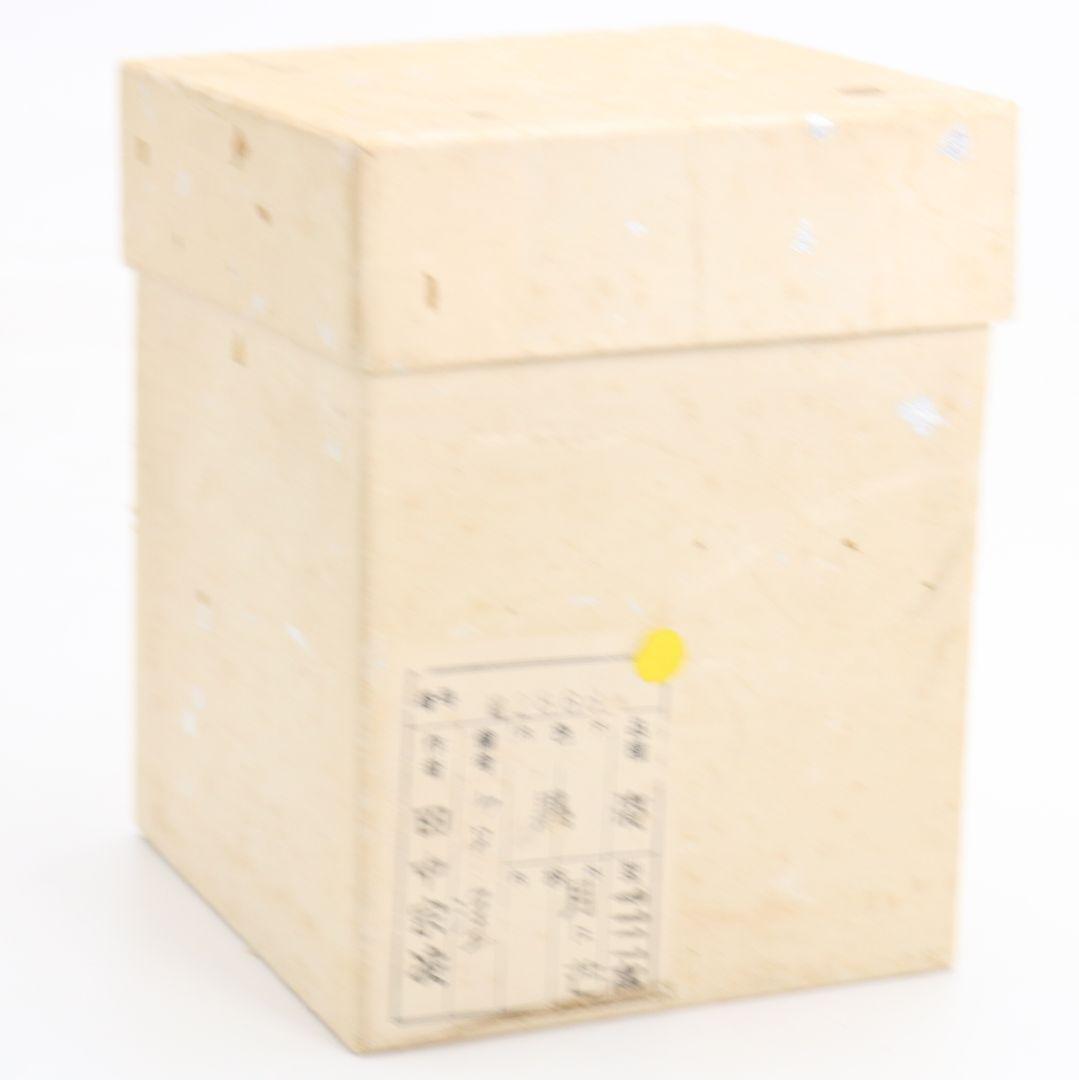
• Box: Signed tomobako (共箱) inscribed "月に芒 中棗" (Tsuki ni Susuki Chu-natsume — Moon and Pampas Grass), signed 宗凌 with red seal
• Condition: Excellent — no notable scratches, chips, or repairs. Clean condition throughout.
🔹 [ Cultural & Artistic Insight ]
Musashino (武蔵野) — the vast plain that once stretched west of old Edo — is one of Japanese art's most evocative landscape subjects. The composition "moon and pampas grass" (月に芒, tsuki ni susuki) distills this landscape to its essence: endless fields of silver-tipped grass bending under an autumn moon.
Tanaka Sōryō renders this scene with atmospheric restraint. Pampas grass plumes rise from the base of the vessel in graceful arcs, their gold lines thinning as they reach toward the lid. Fine scattered gold dust (fun-maki) fills the background like stars or moonlit mist, creating a sense of infinite depth within the small vessel's surface.
The composition moves upward — grass from earth, dust toward sky — creating a vertical energy that the rounded natsume form contains and concentrates. The moon is implied rather than depicted, present in the luminous gold atmosphere that surrounds the grass.
"The grass bends toward something it cannot name. The moon answers without speaking."
🔹 [ Deep-Dive Commentary ]
The Musashino motif (武蔵野蒔絵) belongs to the classical meisho-e (名所絵, famous place painting) tradition adapted into lacquer art. The vast Musashino plain, celebrated in waka poetry since the Heian period, became a subject of profound autumnal melancholy — a landscape where sky and earth merge in an ocean of swaying grass.
The "moon and pampas grass" (月に芒) variation focuses the Musashino theme into its most concentrated form. In tea ceremony contexts, this motif signals autumn — traditionally the season of deepest aesthetic appreciation. A host selecting this natsume for an autumn gathering invites guests into a shared landscape of contemplation.
The scattered gold dust technique (粉蒔き, fun-maki) is critical to the composition's atmospheric quality. Rather than defining objects with line alone, the artist allows particles of gold to suggest light, air, and distance — techniques that parallel the dissolution of form in ink painting.
The chu-natsume (中棗, medium natsume) form is the standard size for everyday thin tea preparation, making this vessel both a display piece and a working utensil for regular practice.
【日本語解説】
🔹 [ 基本情報 ]
・作家:田中宗凌
・技法:金蒔絵、粉蒔き、黒漆塗
・時代:現代(平成・令和期)
・産地:日本
・寸法:高さ約6.9cm、径約6.6cm
・箱:共箱(「月に芒 中棗」と墨書、宗凌落款・朱印)
・状態:良好 — 目立つ傷や汚れなし。
🔹 [ 文化的・美術的解説 ]
武蔵野は日本美術において最も喚起力のある風景題材の一つである。「月に芒」はこの風景を本質に蒸留する——秋の月の下で靡く銀穂の無限の野原。
田中宗凌は大気的な抑制でこの景を描く。芒の穂が胴の裾から優美な弧を描いて立ち上がり、背景の金粉散らしが星か月明かりの霞のような無限の奥行きを生む。構図は上方へ動き——草は地から、塵は空へ——棗の丸みがこの垂直の力を内に収め凝縮する。
🔹 [ 深掘り解説 ]
武蔵野蒔絵は名所絵の伝統を漆芸に移した古典題材であり、平安和歌以来の秋の哀愁を宿す。「月に芒」は武蔵野を最も凝縮した形に焦点し、茶の湯では秋——最も深い美的鑑賞の季節——を示す。
粉蒔き技法は線のみで対象を定義せず、金の粒子に光・空気・距離を暗示させ、水墨画における形の溶解と通底する。中棗は薄茶の日常点前の標準寸法であり、鑑賞品と実用道具の両面を兼ねる。
🔹 [ SHIPPING & PACKAGING ]
• Dispatch: Within 1-6 business days
• Carrier: Japan Post EMS / UPS (with tracking)
• Packaging: Carefully wrapped with protective materials
🔹 [ Basic Details ]
• Artist: Tanaka Sōryō (田中宗凌)
• Technique: Gold maki-e (蒔絵) with scattered gold dust (fun-maki) on black urushi lacquer
• Era: Contemporary (Heisei–Reiwa period)
• Origin: Japan
• Dimensions: Height approx. 6.9 cm, Diameter approx. 6.6 cm
• Box: Signed tomobako (共箱) inscribed "月に芒 中棗" (Tsuki ni Susuki Chu-natsume — Moon and Pampas Grass), signed 宗凌 with red seal
• Condition: Excellent — no notable scratches, chips, or repairs. Clean condition throughout.
🔹 [ Cultural & Artistic Insight ]
Musashino (武蔵野) — the vast plain that once stretched west of old Edo — is one of Japanese art's most evocative landscape subjects. The composition "moon and pampas grass" (月に芒, tsuki ni susuki) distills this landscape to its essence: endless fields of silver-tipped grass bending under an autumn moon.
Tanaka Sōryō renders this scene with atmospheric restraint. Pampas grass plumes rise from the base of the vessel in graceful arcs, their gold lines thinning as they reach toward the lid. Fine scattered gold dust (fun-maki) fills the background like stars or moonlit mist, creating a sense of infinite depth within the small vessel's surface.
The composition moves upward — grass from earth, dust toward sky — creating a vertical energy that the rounded natsume form contains and concentrates. The moon is implied rather than depicted, present in the luminous gold atmosphere that surrounds the grass.
"The grass bends toward something it cannot name. The moon answers without speaking."
🔹 [ Deep-Dive Commentary ]
The Musashino motif (武蔵野蒔絵) belongs to the classical meisho-e (名所絵, famous place painting) tradition adapted into lacquer art. The vast Musashino plain, celebrated in waka poetry since the Heian period, became a subject of profound autumnal melancholy — a landscape where sky and earth merge in an ocean of swaying grass.
The "moon and pampas grass" (月に芒) variation focuses the Musashino theme into its most concentrated form. In tea ceremony contexts, this motif signals autumn — traditionally the season of deepest aesthetic appreciation. A host selecting this natsume for an autumn gathering invites guests into a shared landscape of contemplation.
The scattered gold dust technique (粉蒔き, fun-maki) is critical to the composition's atmospheric quality. Rather than defining objects with line alone, the artist allows particles of gold to suggest light, air, and distance — techniques that parallel the dissolution of form in ink painting.
The chu-natsume (中棗, medium natsume) form is the standard size for everyday thin tea preparation, making this vessel both a display piece and a working utensil for regular practice.
【日本語解説】
🔹 [ 基本情報 ]
・作家:田中宗凌
・技法:金蒔絵、粉蒔き、黒漆塗
・時代:現代(平成・令和期)
・産地:日本
・寸法:高さ約6.9cm、径約6.6cm
・箱:共箱(「月に芒 中棗」と墨書、宗凌落款・朱印)
・状態:良好 — 目立つ傷や汚れなし。
🔹 [ 文化的・美術的解説 ]
武蔵野は日本美術において最も喚起力のある風景題材の一つである。「月に芒」はこの風景を本質に蒸留する——秋の月の下で靡く銀穂の無限の野原。
田中宗凌は大気的な抑制でこの景を描く。芒の穂が胴の裾から優美な弧を描いて立ち上がり、背景の金粉散らしが星か月明かりの霞のような無限の奥行きを生む。構図は上方へ動き——草は地から、塵は空へ——棗の丸みがこの垂直の力を内に収め凝縮する。
🔹 [ 深掘り解説 ]
武蔵野蒔絵は名所絵の伝統を漆芸に移した古典題材であり、平安和歌以来の秋の哀愁を宿す。「月に芒」は武蔵野を最も凝縮した形に焦点し、茶の湯では秋——最も深い美的鑑賞の季節——を示す。
粉蒔き技法は線のみで対象を定義せず、金の粒子に光・空気・距離を暗示させ、水墨画における形の溶解と通底する。中棗は薄茶の日常点前の標準寸法であり、鑑賞品と実用道具の両面を兼ねる。
🔹 [ SHIPPING & PACKAGING ]
• Dispatch: Within 1-6 business days
• Carrier: Japan Post EMS / UPS (with tracking)
• Packaging: Carefully wrapped with protective materials
Quantity
Couldn't load pickup availability
Low stock: 1 left
View full details