1
/
of
12
Murase Jihei II Negoro Tea Caddy - Urasenke Hounsai Kao with Signed Box
Murase Jihei II Negoro Tea Caddy - Urasenke Hounsai Kao with Signed Box
Regular price
Dhs. 6,118.00 AED
Regular price
Sale price
Dhs. 6,118.00 AED
Taxes included.
Shipping calculated at checkout.
Discover this exceptional Negoro Lacquer Tea Caddy by master craftsman Murase Jihei II. This Red Lacquer Natsume is a Japanese Tea Container bearing the prestigious kao of Hounsai, 15th Grand Master of Urasenke—a rare Japanese Art Collectible and Authentic Japan Art treasure for the discerning Art Collector.
━━━━━━━━━━━━━━━━━━━━
🔹 [ PRODUCT DETAILS ]
• Artist: Murase Jihei II (二代 村瀬治兵衛)
• Authentication: Kao (花押) of Hounsai, 15th Urasenke Iemoto
• Origin: Kyoto tradition
• Type: Chaki (茶器) - Tea Container, Mukashi-gata form
• Technique: Negoro-nuri (根来塗) with kiji-me finish
• Dimensions: Diameter approx. 6.8 cm × Height approx. 6.8 cm (2.7" × 2.7")
• Materials: Wood core, red and black urushi lacquer
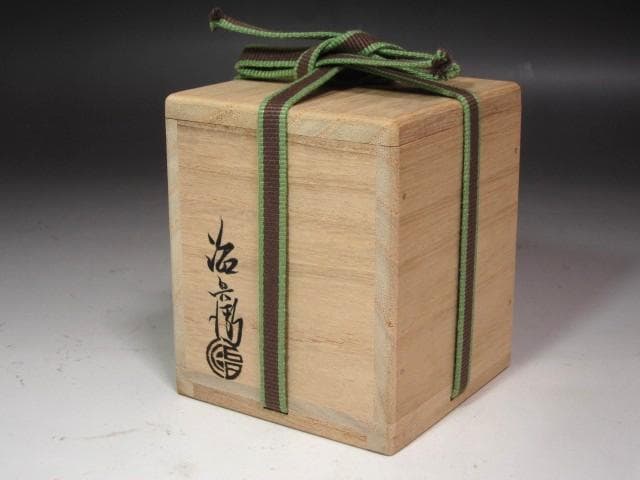
• Packaging: Tomobako with Hounsai's inscription
• Condition: Excellent - photographed as found
• Style: Classic Urasenke / Wabi-sabi aesthetic
━━━━━━━━━━━━━━━━━━━━
🔹 [ ABOUT THIS PIECE ]
This chaki represents the elegant convergence of two revered Japanese traditions: the ancient Negoro lacquer technique and the refined aesthetic of Urasenke tea ceremony. The deep vermillion surface displays the characteristic fine horizontal lines (kiji-me) that define the mukashi-gata (old form) style, evoking centuries of tea culture.
The piece bears the rare distinction of carrying Hounsai's personal kao—the calligraphic seal of the 15th generation Urasenke Grand Master (1923-2024), one of the most influential figures in modern tea ceremony history. This authentication elevates the work from fine craft to documented tea history.
🔹 [ WHY CHOOSE THIS CHAKI? ]
Murase Jihei II continues a distinguished lineage of lacquer artisans serving the tea world. The Negoro technique, originating from Negoro-ji temple in Wakayama during the Kamakura period, creates surfaces where subtle wear reveals black lacquer beneath the red—embodying the Buddhist concept of impermanence.
🔹 [ CULTURAL SIGNIFICANCE ]
In Urasenke tradition, the selection of tea utensils reflects seasons, occasions, and the host's spiritual intention. A chaki bearing an iemoto's kao represents the highest level of endorsement, confirming the piece meets the exacting standards of Japan's largest tea school. Such pieces are treasured across generations.
*"Vermillion deepens with each gathering—a vessel remembering ten thousand bowls of tea."*
🔹 [ DEEP-DIVE COMMENTARY ]
Negoro-nuri takes its name from Negoro-ji, a Shingon Buddhist temple where monk-craftsmen developed the technique in the 12th century. The original temple lacquerware was purely functional, but its natural aging—where use gradually revealed the black undercoat through the red surface—became prized as embodying wabi-sabi aesthetics.
Modern Negoro lacquerware honors this tradition while creating new pieces with the characteristic layered structure. The kiji-me (wood-grain mark) texture visible on this piece comes from the turning process, left intentionally as a mark of handcraft authenticity.
Hounsai (Genshitsu Sen XV) guided Urasenke through the postwar era, spreading tea ceremony globally while maintaining classical standards. His kao on a tea utensil signifies personal inspection and approval—a practice reserved for exceptional works.
🔹 [ FREQUENTLY ASKED QUESTIONS ]
Q: What does the kao authentication mean?
A: The kao is the Grand Master's personal cipher, applied only to utensils meeting Urasenke standards. It documents provenance and artistic approval.
Q: Can this be used for actual tea service?
A: Yes, this is a functional chaki for usucha (thin tea). Wipe with a soft dry cloth after use.
Q: Will the red lacquer wear to show black?
A: Traditional Negoro pieces do develop this patina over decades of use, considered a beautiful sign of the vessel's life in tea.
🔹 [ SUGGESTED USES ]
Ideal for practitioners of Urasenke tea ceremony, collectors of iemoto-authenticated utensils, or a prestigious gift for tea masters. Perfect for retirement gifts honoring a lifetime of cultural dedication.
━━━━━━━━━━━━━━━━━━━━
🔹 [ SHIPPING & PACKAGING ]
• Dispatch: Within 1-6 business days
• Carrier: Japan Post EMS / UPS (with tracking)
• Packaging: Carefully wrapped with protective materials
🔹 [ EXPLORE MORE ]
Discover our collection of authenticated tea ceremony utensils from Japan's great tea schools.
→ Visit our shop for more treasures from Japan.
━━━━━━━━━━━━━━━━━━━━
【日本語解説】
🔹 [ 作品詳細 ]
• 作家:二代 村瀬治兵衛
• 鑑定:裏千家十五代鵬雲斎 花押
• 品目:茶器(根来昔形)
• 技法:根来塗、木地目仕上げ
• 寸法:直径約6.8cm、高さ約6.8cm
• 素材:木地、朱漆・黒漆
• 付属品:共箱(鵬雲斎箱書)
• 状態:良好
🔹 [ 作品解説 ]
二代村瀬治兵衛による根来塗の茶器です。昔形と呼ばれる古典的な形状に、木地目を活かした端正な朱塗が施されています。
本作の最大の特徴は、裏千家十五代家元・鵬雲斎(千玄室)の花押が添えられている点です。家元の花押は、その道具が裏千家の茶道に相応しい品格を備えていることを証明するものであり、茶道具として最高の格を示します。
🔹 [ 文化的背景 ]
根来塗は、和歌山県の根来寺で鎌倉時代に僧侶たちが始めた漆芸技法です。朱漆の下に黒漆を塗り重ねることで、長年の使用により朱が擦れて黒が現れる「根来肌」が生まれます。この経年変化は、仏教の無常観と茶道の侘び寂びの美意識に通じるものとして珍重されてきました。
━━━━━━━━━━━━━━━━━━━━
🔹 [ PRODUCT DETAILS ]
• Artist: Murase Jihei II (二代 村瀬治兵衛)
• Authentication: Kao (花押) of Hounsai, 15th Urasenke Iemoto
• Origin: Kyoto tradition
• Type: Chaki (茶器) - Tea Container, Mukashi-gata form
• Technique: Negoro-nuri (根来塗) with kiji-me finish
• Dimensions: Diameter approx. 6.8 cm × Height approx. 6.8 cm (2.7" × 2.7")
• Materials: Wood core, red and black urushi lacquer
• Packaging: Tomobako with Hounsai's inscription
• Condition: Excellent - photographed as found
• Style: Classic Urasenke / Wabi-sabi aesthetic
━━━━━━━━━━━━━━━━━━━━
🔹 [ ABOUT THIS PIECE ]
This chaki represents the elegant convergence of two revered Japanese traditions: the ancient Negoro lacquer technique and the refined aesthetic of Urasenke tea ceremony. The deep vermillion surface displays the characteristic fine horizontal lines (kiji-me) that define the mukashi-gata (old form) style, evoking centuries of tea culture.
The piece bears the rare distinction of carrying Hounsai's personal kao—the calligraphic seal of the 15th generation Urasenke Grand Master (1923-2024), one of the most influential figures in modern tea ceremony history. This authentication elevates the work from fine craft to documented tea history.
🔹 [ WHY CHOOSE THIS CHAKI? ]
Murase Jihei II continues a distinguished lineage of lacquer artisans serving the tea world. The Negoro technique, originating from Negoro-ji temple in Wakayama during the Kamakura period, creates surfaces where subtle wear reveals black lacquer beneath the red—embodying the Buddhist concept of impermanence.
🔹 [ CULTURAL SIGNIFICANCE ]
In Urasenke tradition, the selection of tea utensils reflects seasons, occasions, and the host's spiritual intention. A chaki bearing an iemoto's kao represents the highest level of endorsement, confirming the piece meets the exacting standards of Japan's largest tea school. Such pieces are treasured across generations.
*"Vermillion deepens with each gathering—a vessel remembering ten thousand bowls of tea."*
🔹 [ DEEP-DIVE COMMENTARY ]
Negoro-nuri takes its name from Negoro-ji, a Shingon Buddhist temple where monk-craftsmen developed the technique in the 12th century. The original temple lacquerware was purely functional, but its natural aging—where use gradually revealed the black undercoat through the red surface—became prized as embodying wabi-sabi aesthetics.
Modern Negoro lacquerware honors this tradition while creating new pieces with the characteristic layered structure. The kiji-me (wood-grain mark) texture visible on this piece comes from the turning process, left intentionally as a mark of handcraft authenticity.
Hounsai (Genshitsu Sen XV) guided Urasenke through the postwar era, spreading tea ceremony globally while maintaining classical standards. His kao on a tea utensil signifies personal inspection and approval—a practice reserved for exceptional works.
🔹 [ FREQUENTLY ASKED QUESTIONS ]
Q: What does the kao authentication mean?
A: The kao is the Grand Master's personal cipher, applied only to utensils meeting Urasenke standards. It documents provenance and artistic approval.
Q: Can this be used for actual tea service?
A: Yes, this is a functional chaki for usucha (thin tea). Wipe with a soft dry cloth after use.
Q: Will the red lacquer wear to show black?
A: Traditional Negoro pieces do develop this patina over decades of use, considered a beautiful sign of the vessel's life in tea.
🔹 [ SUGGESTED USES ]
Ideal for practitioners of Urasenke tea ceremony, collectors of iemoto-authenticated utensils, or a prestigious gift for tea masters. Perfect for retirement gifts honoring a lifetime of cultural dedication.
━━━━━━━━━━━━━━━━━━━━
🔹 [ SHIPPING & PACKAGING ]
• Dispatch: Within 1-6 business days
• Carrier: Japan Post EMS / UPS (with tracking)
• Packaging: Carefully wrapped with protective materials
🔹 [ EXPLORE MORE ]
Discover our collection of authenticated tea ceremony utensils from Japan's great tea schools.
→ Visit our shop for more treasures from Japan.
━━━━━━━━━━━━━━━━━━━━
【日本語解説】
🔹 [ 作品詳細 ]
• 作家:二代 村瀬治兵衛
• 鑑定:裏千家十五代鵬雲斎 花押
• 品目:茶器(根来昔形)
• 技法:根来塗、木地目仕上げ
• 寸法:直径約6.8cm、高さ約6.8cm
• 素材:木地、朱漆・黒漆
• 付属品:共箱(鵬雲斎箱書)
• 状態:良好
🔹 [ 作品解説 ]
二代村瀬治兵衛による根来塗の茶器です。昔形と呼ばれる古典的な形状に、木地目を活かした端正な朱塗が施されています。
本作の最大の特徴は、裏千家十五代家元・鵬雲斎(千玄室)の花押が添えられている点です。家元の花押は、その道具が裏千家の茶道に相応しい品格を備えていることを証明するものであり、茶道具として最高の格を示します。
🔹 [ 文化的背景 ]
根来塗は、和歌山県の根来寺で鎌倉時代に僧侶たちが始めた漆芸技法です。朱漆の下に黒漆を塗り重ねることで、長年の使用により朱が擦れて黒が現れる「根来肌」が生まれます。この経年変化は、仏教の無常観と茶道の侘び寂びの美意識に通じるものとして珍重されてきました。
Quantity
Couldn't load pickup availability
Low stock: 1 left
View full details