1
/
of
10
Mumyoi-yaki Red Clay Tea Bowl by Gyokudo Kiln - Sado Island Chawan with Signed Box
Mumyoi-yaki Red Clay Tea Bowl by Gyokudo Kiln - Sado Island Chawan with Signed Box
Regular price
Dhs. 781.00 AED
Regular price
Sale price
Dhs. 781.00 AED
Taxes included.
Shipping calculated at checkout.
A Mumyoi-yaki matcha tea bowl by Gyokudo-gama of Sado Island, shaped from the iron-rich red earth once buried beneath gold mines. This Japanese Tea Bowl carries layered amber and olive glazes over its terracotta body — a Sado Island Pottery tradition where earth and fire negotiate in visible strata. A Handmade Ceramic Chawan of quiet geological authority, rooted in Niigata Ceramics heritage and Wabi Sabi Tea Bowl form.
━━━━━━━━━━━━━━━━━━━━
🔹 [ BASIC DETAILS ]
• Kiln: Gyokudo-gama (玉堂窯), Sado Island, Niigata Prefecture
• Type: Matcha tea bowl (抹茶碗)
• Technique: Mumyoi-yaki (無名異焼) — iron-rich red earth clay with layered glazes
• Dimensions: Diameter approx. 12.3 cm (4.8 in) × Height approx. 7 cm (2.8 in)
• Era: Contemporary (2010–2019)
• Condition: No cracks or chips
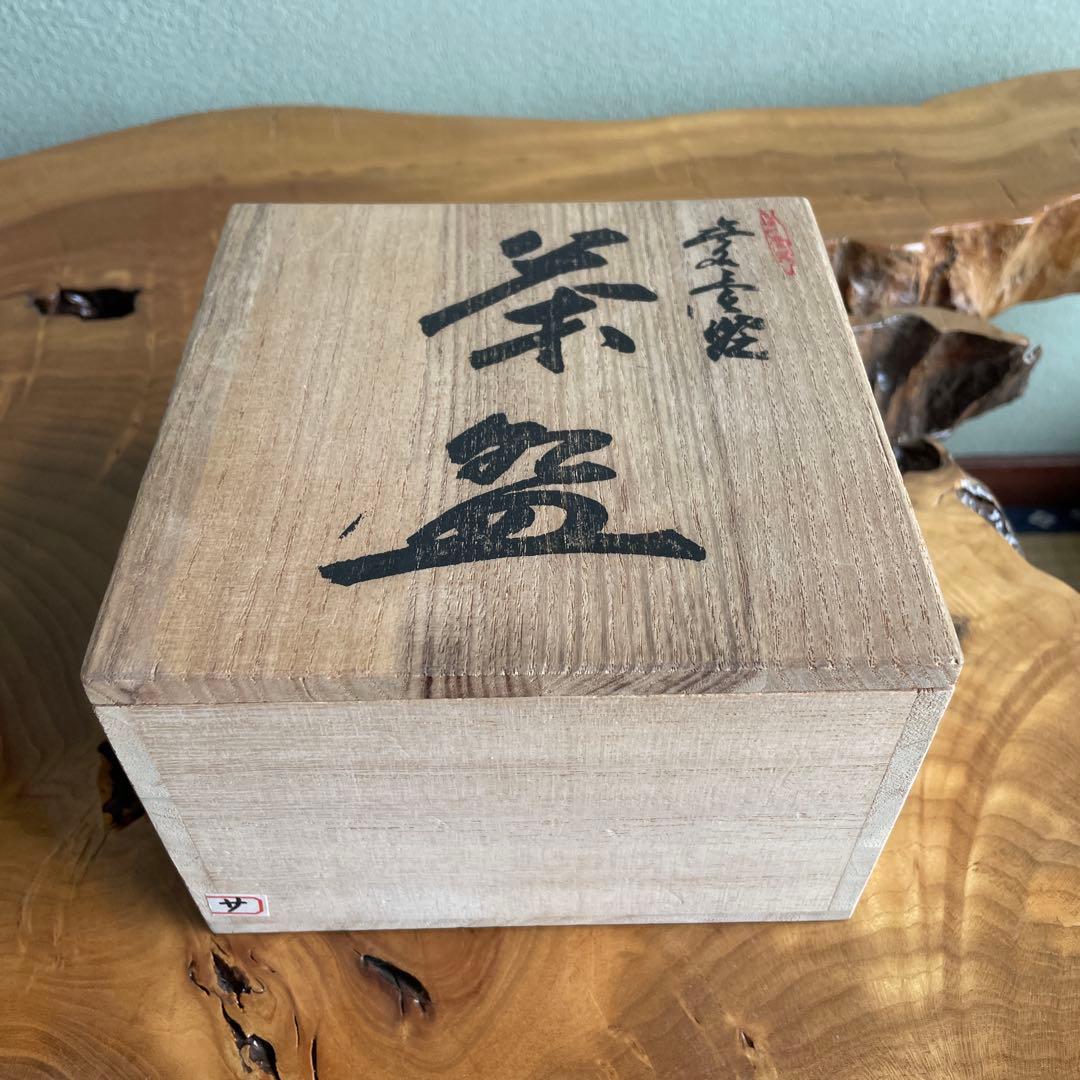
• Includes: Tomobako (signed wooden storage box)
━━━━━━━━━━━━━━━━━━━━
🔹 [ CULTURAL & ARTISTIC INSIGHT ]
Mumyoi-yaki is among the most geologically specific ceramic traditions in Japan. The clay — mumyoi, or "nameless unusual earth" — is an iron oxide-rich red soil excavated from the abandoned gold and silver mines of Sado Island. For centuries, this earth was used medicinally before potters recognized its extraordinary density and resonance when fired. The resulting ware is harder than most stoneware, with a metallic ring when struck.
Gyokudo-gama continues this tradition with disciplined restraint. This bowl presents dramatic horizontal banding — terracotta red, amber, olive-green, and golden tones layered across the exterior like exposed geological strata. The interior reveals a complex interplay of red and amber glazes pooling along the spiral throwing lines. The unglazed foot exposes the raw mumyoi clay in its deep iron-red state, anchored by the kiln's impressed seal.
The effect is not decorative but documentary — each band a record of temperature, atmosphere, and the mineral memory of the earth itself.
*"The island gave its gold to history. What remained — the red earth, the silence — it gave to the potter."*
━━━━━━━━━━━━━━━━━━━━
🔹 [ DEEP-DIVE COMMENTARY ]
**Mumyoi Clay Origin**: The red earth is sourced from Sado Island's Aikawa gold mine region, active since the Edo period. The iron oxide content exceeds 80% in raw form, producing an exceptionally dense and resonant fired body. This geological specificity cannot be replicated elsewhere.
**Layered Glaze Architecture**: The banded exterior is achieved through multiple glaze applications of differing iron concentrations, each responding differently to the kiln atmosphere. The amber, olive, and golden tones emerge from the same base mineral under varying reduction conditions — a conversation between material and fire.
**Functional Resonance**: Mumyoi-yaki's density gives it superior heat retention, making it particularly suited to matcha preparation. The bowl warms evenly and sustains temperature through the duration of tea service — function embedded in geology.
**Wabi-Sabi Presence**: The striations and color variations are not applied patterns but emergent phenomena. Each firing produces unrepeatable results, placing every Mumyoi bowl in dialogue with the specific conditions of its birth. This is ceramics as witness to process.
━━━━━━━━━━━━━━━━━━━━
🔹 [ 日本語解説 ]
【基本情報】
• 窯元:玉堂窯(佐渡島、新潟県)
• 種類:抹茶碗
• 技法:無名異焼 — 鉄分豊富な赤土に多層施釉
• 寸法:口径 約12.3cm × 高さ 約7cm
• 時代:現代(2010年代)
• 状態:傷・欠けなし
• 付属:共箱
【解説】
無名異焼は佐渡島の金銀山から産出される酸化鉄を豊富に含む赤土「無名異」を用いた焼物です。江戸時代には薬用として珍重されたこの土は、焼成すると他に類を見ない硬度と金属的な響きを持つ陶器となります。
本作は玉堂窯による抹茶碗で、外側にはテラコッタレッド、琥珀、オリーブグリーン、黄金色の帯が層をなし、まるで地層の断面を見るような景色を呈しています。内側では赤と琥珀の釉薬が複雑に溶け合い、轆轤目に沿って流動しています。高台は無釉で、無名異土本来の深い鉄赤色がそのまま現れ、窯の印が明瞭に捺されています。
佐渡の大地の記憶を宿した一碗です。
━━━━━━━━━━━━━━━━━━━━
🔹 [ SHIPPING & PACKAGING ]
• Dispatch: Within 1-6 business days
• Carrier: Japan Post EMS / UPS (with tracking)
• Packaging: Carefully wrapped with protective materials
*From the earth of gold mines, across the sea — a bowl carries its island forward.*
━━━━━━━━━━━━━━━━━━━━
🔹 [ BASIC DETAILS ]
• Kiln: Gyokudo-gama (玉堂窯), Sado Island, Niigata Prefecture
• Type: Matcha tea bowl (抹茶碗)
• Technique: Mumyoi-yaki (無名異焼) — iron-rich red earth clay with layered glazes
• Dimensions: Diameter approx. 12.3 cm (4.8 in) × Height approx. 7 cm (2.8 in)
• Era: Contemporary (2010–2019)
• Condition: No cracks or chips
• Includes: Tomobako (signed wooden storage box)
━━━━━━━━━━━━━━━━━━━━
🔹 [ CULTURAL & ARTISTIC INSIGHT ]
Mumyoi-yaki is among the most geologically specific ceramic traditions in Japan. The clay — mumyoi, or "nameless unusual earth" — is an iron oxide-rich red soil excavated from the abandoned gold and silver mines of Sado Island. For centuries, this earth was used medicinally before potters recognized its extraordinary density and resonance when fired. The resulting ware is harder than most stoneware, with a metallic ring when struck.
Gyokudo-gama continues this tradition with disciplined restraint. This bowl presents dramatic horizontal banding — terracotta red, amber, olive-green, and golden tones layered across the exterior like exposed geological strata. The interior reveals a complex interplay of red and amber glazes pooling along the spiral throwing lines. The unglazed foot exposes the raw mumyoi clay in its deep iron-red state, anchored by the kiln's impressed seal.
The effect is not decorative but documentary — each band a record of temperature, atmosphere, and the mineral memory of the earth itself.
*"The island gave its gold to history. What remained — the red earth, the silence — it gave to the potter."*
━━━━━━━━━━━━━━━━━━━━
🔹 [ DEEP-DIVE COMMENTARY ]
**Mumyoi Clay Origin**: The red earth is sourced from Sado Island's Aikawa gold mine region, active since the Edo period. The iron oxide content exceeds 80% in raw form, producing an exceptionally dense and resonant fired body. This geological specificity cannot be replicated elsewhere.
**Layered Glaze Architecture**: The banded exterior is achieved through multiple glaze applications of differing iron concentrations, each responding differently to the kiln atmosphere. The amber, olive, and golden tones emerge from the same base mineral under varying reduction conditions — a conversation between material and fire.
**Functional Resonance**: Mumyoi-yaki's density gives it superior heat retention, making it particularly suited to matcha preparation. The bowl warms evenly and sustains temperature through the duration of tea service — function embedded in geology.
**Wabi-Sabi Presence**: The striations and color variations are not applied patterns but emergent phenomena. Each firing produces unrepeatable results, placing every Mumyoi bowl in dialogue with the specific conditions of its birth. This is ceramics as witness to process.
━━━━━━━━━━━━━━━━━━━━
🔹 [ 日本語解説 ]
【基本情報】
• 窯元:玉堂窯(佐渡島、新潟県)
• 種類:抹茶碗
• 技法:無名異焼 — 鉄分豊富な赤土に多層施釉
• 寸法:口径 約12.3cm × 高さ 約7cm
• 時代:現代(2010年代)
• 状態:傷・欠けなし
• 付属:共箱
【解説】
無名異焼は佐渡島の金銀山から産出される酸化鉄を豊富に含む赤土「無名異」を用いた焼物です。江戸時代には薬用として珍重されたこの土は、焼成すると他に類を見ない硬度と金属的な響きを持つ陶器となります。
本作は玉堂窯による抹茶碗で、外側にはテラコッタレッド、琥珀、オリーブグリーン、黄金色の帯が層をなし、まるで地層の断面を見るような景色を呈しています。内側では赤と琥珀の釉薬が複雑に溶け合い、轆轤目に沿って流動しています。高台は無釉で、無名異土本来の深い鉄赤色がそのまま現れ、窯の印が明瞭に捺されています。
佐渡の大地の記憶を宿した一碗です。
━━━━━━━━━━━━━━━━━━━━
🔹 [ SHIPPING & PACKAGING ]
• Dispatch: Within 1-6 business days
• Carrier: Japan Post EMS / UPS (with tracking)
• Packaging: Carefully wrapped with protective materials
*From the earth of gold mines, across the sea — a bowl carries its island forward.*
Quantity
Couldn't load pickup availability
Out of stock
View full details