1
/
of
14
Morimoto Katsura Bizen Tea Bowl Wood Fired Chawan Hi-iro Goma Ash Glaze
Morimoto Katsura Bizen Tea Bowl Wood Fired Chawan Hi-iro Goma Ash Glaze
Regular price
Dhs. 641.00 AED
Regular price
Sale price
Dhs. 641.00 AED
Taxes included.
Shipping calculated at checkout.
A Bizen-yaki tea bowl by Morimoto Katsura (森本桂), fired to a deep warm hi-iro (fire color) surface that carries the entire thermal memory of a wood-fired kiln. Natural goma ash deposits gleam along the rim — sesame-seed speckling where falling ash fused with clay at temperature. This Japanese Stoneware Chawan embodies the Wood Fired Pottery tradition of Bizen — Unglazed Ceramic Art with Kiln Effect Surface, Anagama Fired Bowl from one of Japan's Six Ancient Kilns. Unused storage item (未使用保管品) with tomobako.
━━━━━━━━━━━━━━━━━━━━
🔹 [ BASIC DETAILS ]
• Artist: Morimoto Katsura (森本桂) — Bizen potter
• Technique: Bizen-yaki — unglazed wood-fired stoneware
• Firing Effects: Hi-iro (火色, fire color), Goma (胡麻, sesame ash)
• Era: Heisei–Reiwa period
• Origin: Bizen, Okayama Prefecture, Japan
• Dimensions: H 7.2 cm × D 12 cm (2.8" h × 4.7" dia), Weight 330 g
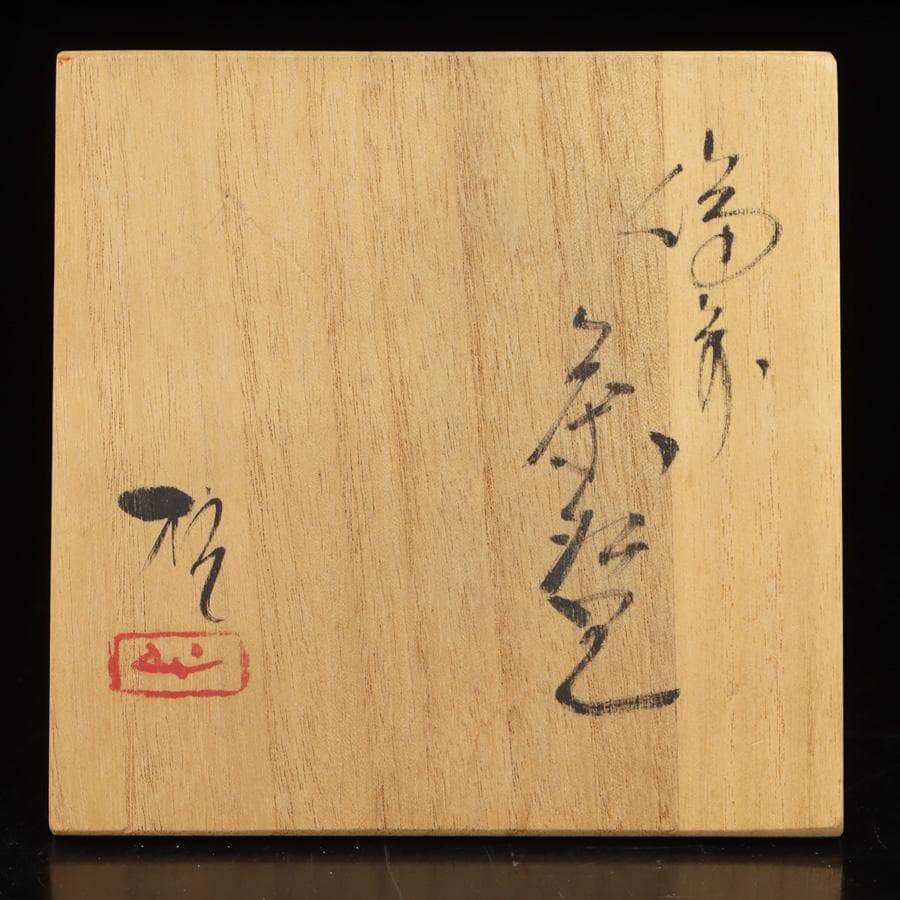
• Box: Tomobako inscribed "備前 茶碗" with "桂" signature and red seal
• Condition: Unused (未使用保管品) — mint condition, no chips, cracks, or repairs
━━━━━━━━━━━━━━━━━━━━
🔹 [ CULTURAL & ARTISTIC INSIGHT ]
Bizen does not decorate. It endures. Where Kyo-yaki commands the brush, Bizen commands the fire — surrendering the surface to the kiln and accepting whatever the flame decides to write. There is no glaze, no pigment, no enamel. There is only clay, fire, ash, and time. What emerges after ten to fourteen days in a wood-burning kiln is not a color applied but a color earned.
Morimoto Katsura's bowl speaks this language with quiet conviction. The hi-iro — fire color — flows from deep reddish-brown at the base through warm terra-cotta to lighter tawny tones near the rim, mapping the bowl's position in the kiln and its relationship to the ember bed. Where the fire reached directly, the clay darkened. Where it was shielded, the surface retained a brighter warmth. This gradient is unrepeatable. No two bowls fired in the same kiln will carry the same thermal autobiography.
The goma along the rim is the kiln's signature. During the long firing, wood ash falls from above and lands on the vessel. At temperature, this ash melts into a natural glaze — golden-green droplets and a subtle metallic sheen that appears only where chance placed it. In Bizen aesthetics, goma is not decoration. It is evidence — proof that the bowl was present when the kiln did its work.
The form itself carries pleasant asymmetry. The rim undulates gently, the walls show a slight waist, and the throwing marks inside spiral outward like the memory of the wheel's rotation. In the hand, 330 grams of Bizen clay feels grounded — neither heavy nor light, but present.
*"No glaze was applied. The kiln wrote everything — in ash, in heat, in time."*
━━━━━━━━━━━━━━━━━━━━
🔹 [ DEEP-DIVE COMMENTARY ]
**Bizen — One of the Six Ancient Kilns**: Bizen ware has been produced continuously for over 800 years in present-day Okayama Prefecture. Among Japan's Six Ancient Kilns (rokkoyo), Bizen is the most austere — the only major tradition that has never adopted glaze as a primary decorative technique. This is not limitation but philosophy: the Bizen potter's art lies in clay preparation, form, kiln loading position, and the mastery of a firing that extends over one to two weeks without pause. The kiln becomes the collaborator, the fire becomes the brush.
**Hi-iro (火色) — Fire Color**: Hi-iro is the most fundamental of Bizen's firing effects. It occurs when rice straw or other organic material placed in contact with the vessel during firing burns away, leaving a red-orange pattern on the clay surface. The deep, warm red-brown tones on Morimoto's bowl indicate proximity to the fire source — an area of intense heat where iron-rich Bizen clay oxidizes to its most expressive range. The gradation from dark to light across the body records the kiln's thermal geography with documentary precision.
**Goma (胡麻) — Sesame Ash**: During wood firing, ash particles from the fuel travel through the kiln on convection currents and settle on the vessels. At the extreme temperatures of a Bizen firing (approximately 1200–1250°C), this ash melts and fuses with the clay surface, forming a natural ash glaze. The golden-green metallic sheen visible along the rim of this bowl is classic goma — prized precisely because it cannot be controlled, only invited. Potters influence goma through kiln loading position, but the final pattern belongs to the fire.
**Form and Tactility**: Bizen tea bowls are designed to be held. Without glaze, the unglazed surface has a warmth and graininess that changes with use — absorbing tea oils over time, developing a patina that deepens the colors and softens the texture. This bowl, described as unused storage stock (未使用保管品), presents the Bizen surface in its original fired state — a starting point from which use and time will only add. The spiral throwing marks inside the bowl are left visible as evidence of the maker's hand, their concentric rhythm grounding the gaze when matcha pools in the well.
**Morimoto Katsura's Practice**: Working within the Bizen tradition, Morimoto Katsura demonstrates the discipline of restraint. The bowl's form is not dramatic — it does not call attention through distortion or exaggeration. Instead, it offers a shape calibrated for the hand, a surface calibrated for the eye, and a weight calibrated for the gesture of tea. This is the Bizen proposition: that a vessel with nothing added can hold everything that matters.
━━━━━━━━━━━━━━━━━━━━
🔹 [ 日本語解説 ]
【基本情報】
• 作家:森本桂
• 技法:備前焼(無釉・薪窯焼成)
• 景色:緋色(火色)・胡麻
• 時代:平成〜令和
• 産地:備前(岡山県)
• 寸法:口径12cm × 高さ7.2cm、重量330g
• 付属:共箱(「備前 茶碗」銘・「桂」署名・朱印)
• 状態:未使用保管品 — 傷、ヒビ、直しなし
【解説】
森本桂作、備前焼茶碗。深みのある緋色(火色)が器全体を包み、口縁には胡麻(ゴマ灰)の金緑色の自然釉が散っています。未使用保管品として、焼成時そのままの肌を保った状態での出品です。
備前焼は日本六古窯のひとつとして800年以上の歴史を持ち、釉薬を一切使わない焼き締めの伝統を今日まで守り続けています。一週間から二週間に及ぶ薪窯焼成の中で、窯内の位置・炎の流れ・灰の降り方によって一碗ごとに異なる景色が生まれます。
本作の緋色は、鉄分を含む備前土が高温で酸化焼成された証です。底部の濃い赤褐色から口縁に向かって明るいテラコッタ色へと変化するグラデーションは、窯内での熱の記憶そのものです。口縁に見える胡麻の金属光沢は、焼成中に降り積もった木灰が溶融して生まれた天然の釉——意図ではなく、窯の意志による景色です。
内側には轆轤目が同心円状に残り、茶溜まりの暗い色調が落ち着いた雰囲気を醸しています。手に取ると330gの重みが掌に確かな存在感を伝えます。使い込むほどに茶渋が入り、表情を深めていく——備前焼の醍醐味を堪能できる一碗です。
━━━━━━━━━━━━━━━━━━━━
🔹 [ SHIPPING & PACKAGING ]
• Dispatch: Within 1-6 business days
• Carrier: Japan Post EMS / UPS (with tracking)
• Packaging: Carefully wrapped with protective materials
*No glaze. No pigment. Only clay that remembers the kiln — and ash that chose where to fall.*
━━━━━━━━━━━━━━━━━━━━
🔹 [ BASIC DETAILS ]
• Artist: Morimoto Katsura (森本桂) — Bizen potter
• Technique: Bizen-yaki — unglazed wood-fired stoneware
• Firing Effects: Hi-iro (火色, fire color), Goma (胡麻, sesame ash)
• Era: Heisei–Reiwa period
• Origin: Bizen, Okayama Prefecture, Japan
• Dimensions: H 7.2 cm × D 12 cm (2.8" h × 4.7" dia), Weight 330 g
• Box: Tomobako inscribed "備前 茶碗" with "桂" signature and red seal
• Condition: Unused (未使用保管品) — mint condition, no chips, cracks, or repairs
━━━━━━━━━━━━━━━━━━━━
🔹 [ CULTURAL & ARTISTIC INSIGHT ]
Bizen does not decorate. It endures. Where Kyo-yaki commands the brush, Bizen commands the fire — surrendering the surface to the kiln and accepting whatever the flame decides to write. There is no glaze, no pigment, no enamel. There is only clay, fire, ash, and time. What emerges after ten to fourteen days in a wood-burning kiln is not a color applied but a color earned.
Morimoto Katsura's bowl speaks this language with quiet conviction. The hi-iro — fire color — flows from deep reddish-brown at the base through warm terra-cotta to lighter tawny tones near the rim, mapping the bowl's position in the kiln and its relationship to the ember bed. Where the fire reached directly, the clay darkened. Where it was shielded, the surface retained a brighter warmth. This gradient is unrepeatable. No two bowls fired in the same kiln will carry the same thermal autobiography.
The goma along the rim is the kiln's signature. During the long firing, wood ash falls from above and lands on the vessel. At temperature, this ash melts into a natural glaze — golden-green droplets and a subtle metallic sheen that appears only where chance placed it. In Bizen aesthetics, goma is not decoration. It is evidence — proof that the bowl was present when the kiln did its work.
The form itself carries pleasant asymmetry. The rim undulates gently, the walls show a slight waist, and the throwing marks inside spiral outward like the memory of the wheel's rotation. In the hand, 330 grams of Bizen clay feels grounded — neither heavy nor light, but present.
*"No glaze was applied. The kiln wrote everything — in ash, in heat, in time."*
━━━━━━━━━━━━━━━━━━━━
🔹 [ DEEP-DIVE COMMENTARY ]
**Bizen — One of the Six Ancient Kilns**: Bizen ware has been produced continuously for over 800 years in present-day Okayama Prefecture. Among Japan's Six Ancient Kilns (rokkoyo), Bizen is the most austere — the only major tradition that has never adopted glaze as a primary decorative technique. This is not limitation but philosophy: the Bizen potter's art lies in clay preparation, form, kiln loading position, and the mastery of a firing that extends over one to two weeks without pause. The kiln becomes the collaborator, the fire becomes the brush.
**Hi-iro (火色) — Fire Color**: Hi-iro is the most fundamental of Bizen's firing effects. It occurs when rice straw or other organic material placed in contact with the vessel during firing burns away, leaving a red-orange pattern on the clay surface. The deep, warm red-brown tones on Morimoto's bowl indicate proximity to the fire source — an area of intense heat where iron-rich Bizen clay oxidizes to its most expressive range. The gradation from dark to light across the body records the kiln's thermal geography with documentary precision.
**Goma (胡麻) — Sesame Ash**: During wood firing, ash particles from the fuel travel through the kiln on convection currents and settle on the vessels. At the extreme temperatures of a Bizen firing (approximately 1200–1250°C), this ash melts and fuses with the clay surface, forming a natural ash glaze. The golden-green metallic sheen visible along the rim of this bowl is classic goma — prized precisely because it cannot be controlled, only invited. Potters influence goma through kiln loading position, but the final pattern belongs to the fire.
**Form and Tactility**: Bizen tea bowls are designed to be held. Without glaze, the unglazed surface has a warmth and graininess that changes with use — absorbing tea oils over time, developing a patina that deepens the colors and softens the texture. This bowl, described as unused storage stock (未使用保管品), presents the Bizen surface in its original fired state — a starting point from which use and time will only add. The spiral throwing marks inside the bowl are left visible as evidence of the maker's hand, their concentric rhythm grounding the gaze when matcha pools in the well.
**Morimoto Katsura's Practice**: Working within the Bizen tradition, Morimoto Katsura demonstrates the discipline of restraint. The bowl's form is not dramatic — it does not call attention through distortion or exaggeration. Instead, it offers a shape calibrated for the hand, a surface calibrated for the eye, and a weight calibrated for the gesture of tea. This is the Bizen proposition: that a vessel with nothing added can hold everything that matters.
━━━━━━━━━━━━━━━━━━━━
🔹 [ 日本語解説 ]
【基本情報】
• 作家:森本桂
• 技法:備前焼(無釉・薪窯焼成)
• 景色:緋色(火色)・胡麻
• 時代:平成〜令和
• 産地:備前(岡山県)
• 寸法:口径12cm × 高さ7.2cm、重量330g
• 付属:共箱(「備前 茶碗」銘・「桂」署名・朱印)
• 状態:未使用保管品 — 傷、ヒビ、直しなし
【解説】
森本桂作、備前焼茶碗。深みのある緋色(火色)が器全体を包み、口縁には胡麻(ゴマ灰)の金緑色の自然釉が散っています。未使用保管品として、焼成時そのままの肌を保った状態での出品です。
備前焼は日本六古窯のひとつとして800年以上の歴史を持ち、釉薬を一切使わない焼き締めの伝統を今日まで守り続けています。一週間から二週間に及ぶ薪窯焼成の中で、窯内の位置・炎の流れ・灰の降り方によって一碗ごとに異なる景色が生まれます。
本作の緋色は、鉄分を含む備前土が高温で酸化焼成された証です。底部の濃い赤褐色から口縁に向かって明るいテラコッタ色へと変化するグラデーションは、窯内での熱の記憶そのものです。口縁に見える胡麻の金属光沢は、焼成中に降り積もった木灰が溶融して生まれた天然の釉——意図ではなく、窯の意志による景色です。
内側には轆轤目が同心円状に残り、茶溜まりの暗い色調が落ち着いた雰囲気を醸しています。手に取ると330gの重みが掌に確かな存在感を伝えます。使い込むほどに茶渋が入り、表情を深めていく——備前焼の醍醐味を堪能できる一碗です。
━━━━━━━━━━━━━━━━━━━━
🔹 [ SHIPPING & PACKAGING ]
• Dispatch: Within 1-6 business days
• Carrier: Japan Post EMS / UPS (with tracking)
• Packaging: Carefully wrapped with protective materials
*No glaze. No pigment. Only clay that remembers the kiln — and ash that chose where to fall.*
Quantity
Couldn't load pickup availability
Low stock: 1 left
View full details