1
/
of
20
Miyake Yoshun Kyo-ware Iro-e Bamboo & Sparrow Tea Bowl with Tomobako
Miyake Yoshun Kyo-ware Iro-e Bamboo & Sparrow Tea Bowl with Tomobako
Regular price
Dhs. 892.00 AED
Regular price
Sale price
Dhs. 892.00 AED
Taxes included.
Shipping calculated at checkout.
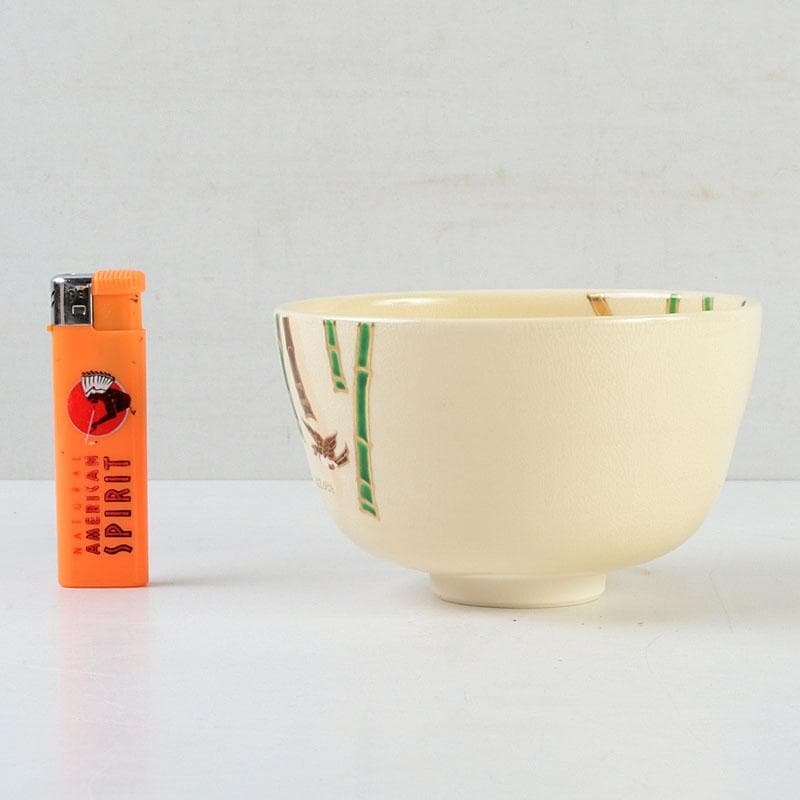
Experience authentic Japanese tea culture with this Miyake Yoshun Kyo-ware Iro-e Bamboo & Sparrow Tea Bowl. This Tea Ceremony Chawan serves as a Kyo-ware Tea Bowl and Iro-e Enamel Art, featuring Overglaze Ceramic artistry and Bamboo Sparrow Motif—a must-have for any collector seeking Kyoto Pottery and Seasonal Tea Ware.
━━━━━━━━━━━━━━━━━━━━
🔹 [ BASIC DETAILS ]
• Artist: Miyake Yoshun (三宅陽春)
• Type: Kyo-ware Tea Bowl (Chawan)
• Technique: Iro-e (Overglaze Polychrome Enamel)
• Design: Bamboo and Sparrow (Chiku-ni-Suzume / 竹に雀)
• Dimensions: Height approx. 7.4 cm, Diameter approx. 12 cm, Weight approx. 202 g
• Provenance: Tomobako (signed wooden box) and shifuku (protective cloth)
• Condition: Excellent
• Origin: Kyoto, Japan
━━━━━━━━━━━━━━━━━━━━
🔹 [ CULTURAL & ARTISTIC INSIGHT ]
Miyake Yoshun works within the lineage of Kyo-yaki (Kyoto ceramics), where iro-e—overglaze enamel painting—reaches its most refined expression. This chawan bears the classic motif of bamboo and sparrow (chiku-ni-suzume), a pairing rooted in Japanese visual poetry: bamboo symbolizes resilience and purity, while sparrows embody humility and seasonal vitality. The composition unfolds with green stalks accented in gold and brown, small sparrows animated mid-flight or perched among the leaves. The design extends subtly into the bowl's interior, creating continuity between outer world and inner stillness.
The tomobako authenticates the work through the artist's calligraphy and signature seal (陽), a gesture that transforms the object into testimony. Kyo-ware potters inherit centuries of technical mastery, balancing decorative elegance with functional integrity. This bowl's smooth glossy surface and balanced proportions reflect the marriage of aesthetic intention and everyday ritual—a vessel designed not for display alone, but for the embodied practice of tea.
*"Bamboo bends but does not break. The sparrow knows when to return."*
━━━━━━━━━━━━━━━━━━━━
🔹 [ DEEP-DIVE COMMENTARY ]
**Iro-e Technique in Kyo-ware Tradition**: Iro-e (色絵) refers to overglaze enamel painting applied after the initial firing, allowing for vibrant polychrome decoration. Kyoto potters refined this technique through contact with Chinese and Korean traditions, developing distinctly Japanese palettes and motifs. Miyake Yoshun's application demonstrates precise brushwork—each sparrow feather, each bamboo leaf, rendered with controlled intention. The green and gold accents suggest seasonal freshness, while the cream ground provides breathing space for the imagery to resonate.
**Bamboo and Sparrow Iconography**: The pairing of bamboo (竹) and sparrow (雀) appears frequently in Japanese painting and ceramics, drawn from Chinese literati aesthetics but naturalized into Japanese seasonal consciousness. Bamboo represents moral fortitude and endurance through winter; sparrows signify humble vitality and the return of spring. Together they compose a visual koan—strength and smallness, permanence and transience, holding each other in balance.
**Functional Form as Cultural Practice**: This chawan's dimensions (7.4 cm height, 12 cm diameter) place it within the standard proportions for usucha (thin tea) service. The smooth interior allows for proper whisking action; the slightly flared rim facilitates comfortable drinking. The bowl's weight (202 g) provides stability without heaviness, a quality prized in tea utensils. Form follows function, but function here includes ritual presence.
**Artist Provenance and Tomobako Authentication**: Miyake Yoshun's signature and calligraphy on the tomobako establish lineage and authorship, embedding the work within a traceable history. The box itself serves as material memory, preserving not only the object but its context of creation. The green silk cord and protective cloth complete the presentation, demonstrating the layered care that surrounds tea utensils in Japanese practice.
━━━━━━━━━━━━━━━━━━━━
🔹 [ 日本語解説 ]
【基本情報】
• 作家:三宅陽春
• 種類:京焼 茶碗
• 技法:色絵(上絵付け)
• 意匠:竹に雀図
• 寸法:高さ約7.4cm、直径約12cm、重さ約202g
• 付属品:共箱・共布
• 状態:良好
• 産地:京都
【解説】
三宅陽春は京焼の伝統を受け継ぎ、色絵技法による優美な作品を制作する陶芸家です。本作は「竹に雀図」という古典的な画題を茶碗に表現したもので、緑の竹と小さな雀が金彩・褐色のアクセントとともに描かれています。竹は節操と清廉を、雀は謙虚さと季節の生命力を象徴し、両者の組み合わせは日本美術における視覚的な詩として長く愛されてきました。
色絵は本焼成後に上絵具で彩色し、再度焼成する技法で、京焼の特徴的な表現手法です。三宅陽春の筆致は精緻でありながら温かみがあり、雀の羽毛一枚一枚、竹の葉の一枚一枚に作家の意図が宿っています。茶碗の内側にまで意匠が続き、外界と内なる静寂が連続する空間を生み出しています。共箱には作家自筆の銘と落款が記され、作品の真正性と系譜を証明します。
━━━━━━━━━━━━━━━━━━━━
🔹 [ SHIPPING & PACKAGING ]
• Dispatch: Within 1-6 business days
• Carrier: Japan Post EMS / UPS (with tracking)
• Packaging: Carefully wrapped with protective materials
*The sparrow returns to the bamboo grove. The bowl waits in stillness.*
━━━━━━━━━━━━━━━━━━━━
🔹 [ BASIC DETAILS ]
• Artist: Miyake Yoshun (三宅陽春)
• Type: Kyo-ware Tea Bowl (Chawan)
• Technique: Iro-e (Overglaze Polychrome Enamel)
• Design: Bamboo and Sparrow (Chiku-ni-Suzume / 竹に雀)
• Dimensions: Height approx. 7.4 cm, Diameter approx. 12 cm, Weight approx. 202 g
• Provenance: Tomobako (signed wooden box) and shifuku (protective cloth)
• Condition: Excellent
• Origin: Kyoto, Japan
━━━━━━━━━━━━━━━━━━━━
🔹 [ CULTURAL & ARTISTIC INSIGHT ]
Miyake Yoshun works within the lineage of Kyo-yaki (Kyoto ceramics), where iro-e—overglaze enamel painting—reaches its most refined expression. This chawan bears the classic motif of bamboo and sparrow (chiku-ni-suzume), a pairing rooted in Japanese visual poetry: bamboo symbolizes resilience and purity, while sparrows embody humility and seasonal vitality. The composition unfolds with green stalks accented in gold and brown, small sparrows animated mid-flight or perched among the leaves. The design extends subtly into the bowl's interior, creating continuity between outer world and inner stillness.
The tomobako authenticates the work through the artist's calligraphy and signature seal (陽), a gesture that transforms the object into testimony. Kyo-ware potters inherit centuries of technical mastery, balancing decorative elegance with functional integrity. This bowl's smooth glossy surface and balanced proportions reflect the marriage of aesthetic intention and everyday ritual—a vessel designed not for display alone, but for the embodied practice of tea.
*"Bamboo bends but does not break. The sparrow knows when to return."*
━━━━━━━━━━━━━━━━━━━━
🔹 [ DEEP-DIVE COMMENTARY ]
**Iro-e Technique in Kyo-ware Tradition**: Iro-e (色絵) refers to overglaze enamel painting applied after the initial firing, allowing for vibrant polychrome decoration. Kyoto potters refined this technique through contact with Chinese and Korean traditions, developing distinctly Japanese palettes and motifs. Miyake Yoshun's application demonstrates precise brushwork—each sparrow feather, each bamboo leaf, rendered with controlled intention. The green and gold accents suggest seasonal freshness, while the cream ground provides breathing space for the imagery to resonate.
**Bamboo and Sparrow Iconography**: The pairing of bamboo (竹) and sparrow (雀) appears frequently in Japanese painting and ceramics, drawn from Chinese literati aesthetics but naturalized into Japanese seasonal consciousness. Bamboo represents moral fortitude and endurance through winter; sparrows signify humble vitality and the return of spring. Together they compose a visual koan—strength and smallness, permanence and transience, holding each other in balance.
**Functional Form as Cultural Practice**: This chawan's dimensions (7.4 cm height, 12 cm diameter) place it within the standard proportions for usucha (thin tea) service. The smooth interior allows for proper whisking action; the slightly flared rim facilitates comfortable drinking. The bowl's weight (202 g) provides stability without heaviness, a quality prized in tea utensils. Form follows function, but function here includes ritual presence.
**Artist Provenance and Tomobako Authentication**: Miyake Yoshun's signature and calligraphy on the tomobako establish lineage and authorship, embedding the work within a traceable history. The box itself serves as material memory, preserving not only the object but its context of creation. The green silk cord and protective cloth complete the presentation, demonstrating the layered care that surrounds tea utensils in Japanese practice.
━━━━━━━━━━━━━━━━━━━━
🔹 [ 日本語解説 ]
【基本情報】
• 作家:三宅陽春
• 種類:京焼 茶碗
• 技法:色絵(上絵付け)
• 意匠:竹に雀図
• 寸法:高さ約7.4cm、直径約12cm、重さ約202g
• 付属品:共箱・共布
• 状態:良好
• 産地:京都
【解説】
三宅陽春は京焼の伝統を受け継ぎ、色絵技法による優美な作品を制作する陶芸家です。本作は「竹に雀図」という古典的な画題を茶碗に表現したもので、緑の竹と小さな雀が金彩・褐色のアクセントとともに描かれています。竹は節操と清廉を、雀は謙虚さと季節の生命力を象徴し、両者の組み合わせは日本美術における視覚的な詩として長く愛されてきました。
色絵は本焼成後に上絵具で彩色し、再度焼成する技法で、京焼の特徴的な表現手法です。三宅陽春の筆致は精緻でありながら温かみがあり、雀の羽毛一枚一枚、竹の葉の一枚一枚に作家の意図が宿っています。茶碗の内側にまで意匠が続き、外界と内なる静寂が連続する空間を生み出しています。共箱には作家自筆の銘と落款が記され、作品の真正性と系譜を証明します。
━━━━━━━━━━━━━━━━━━━━
🔹 [ SHIPPING & PACKAGING ]
• Dispatch: Within 1-6 business days
• Carrier: Japan Post EMS / UPS (with tracking)
• Packaging: Carefully wrapped with protective materials
*The sparrow returns to the bamboo grove. The bowl waits in stillness.*
Quantity
Couldn't load pickup availability
Low stock: 1 left
View full details