1
/
of
11
Miyake Yoshun Kakine-Kiku Iro-e Chawan — Fence and Chrysanthemum Polychrome Kyo-yaki Tea Bowl
Miyake Yoshun Kakine-Kiku Iro-e Chawan — Fence and Chrysanthemum Polychrome Kyo-yaki Tea Bowl
Regular price
Dhs. 908.00 AED
Regular price
Sale price
Dhs. 908.00 AED
Taxes included.
Shipping calculated at checkout.
Experience authentic Japanese tea ceramics with this Kakine-Kiku Iro-e Chawan by Miyake Yoshun. This Polychrome Kyo-yaki Tea Bowl serves as a Chrysanthemum Fence Chawan and Overglaze Enamel Masterwork, featuring Purple Kiku Gold Accent Design and Autumn Garden Composition—a must-have for any Art Collector seeking Kyoto Polychrome Ceramics and Seasonal Japanese Tea Art.
━━━━━━━━━━━━━━━━━━━━
🔹 [ BASIC DETAILS ]
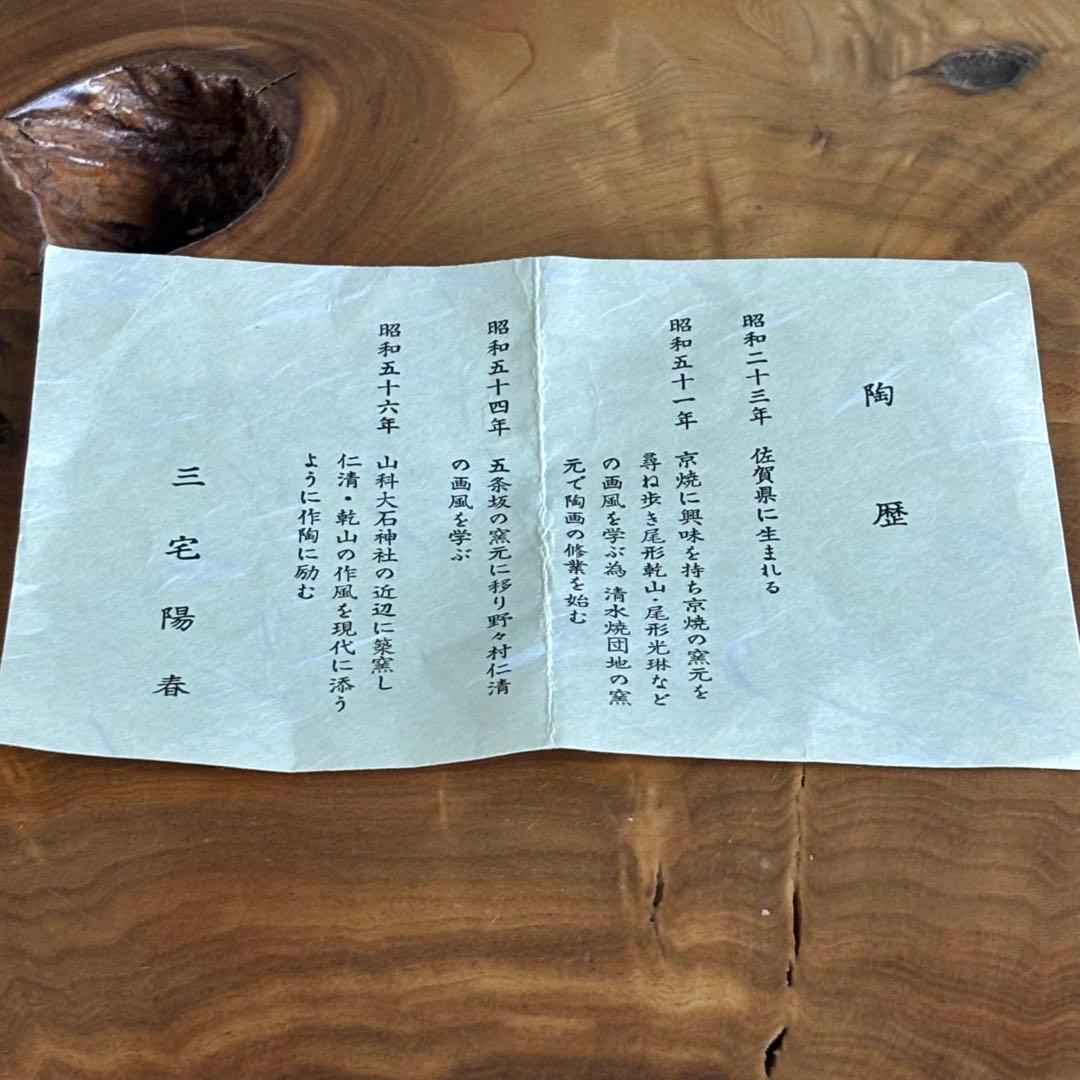
• Artist: Miyake Yoshun (三宅陽春)
• Technique: Iro-e (overglaze polychrome enamel) on Kyo-yaki body with kannyu crackle glaze
• Era: 2010s
• Origin: Kyoto, Japan
• Dimensions: Dia 12 cm × H 7 cm (4.7" × 2.8")
• Box: Signed tomobako with pottery seal
• Condition: Excellent — no cracks, no chips, enamel fully intact
━━━━━━━━━━━━━━━━━━━━
🔹 [ CULTURAL & ARTISTIC INSIGHT ]
Kakine-kiku — chrysanthemums at a bamboo fence. The motif does not depict a garden. It depicts the boundary where cultivation meets what cannot be contained. The fence is there. The flowers ignore it. They push through, lean over, bloom where the structure says they should not.
Miyake Yoshun paints this scene across the full circumference of a white Kyo-yaki body, the fine kannyu crackle providing a ground that breathes beneath the color. Purple and violet chrysanthemums cluster in dense, painterly masses — not stylized patterns but observed flowers, each head carrying a slightly different weight. Green leaves fill the spaces between, their variety of tone suggesting layers of foliage at different depths. Brown bamboo fence posts anchor the composition vertically while small yellow flowers punctuate the lower register like notes in a musical rest.
The density of the painting is deliberate. This is not a bowl with decoration on it. It is a bowl that has become a garden — wrapped entirely in botanical life, every surface given over to the act of blooming. The white rim and foot provide the only interruption, framing the abundance the way a garden wall frames what it cannot hold back.
In the tea calendar, chrysanthemums signal the ninth month — the Choyo no Sekku, the Ninth Day of the Ninth Month, when the flower's association with longevity and purity reaches its formal peak. A bowl this dense with chrysanthemums does not merely reference the season. It inhabits it.
*"The fence stands. The flowers do not notice. This is how autumn has always worked."*
━━━━━━━━━━━━━━━━━━━━
🔹 [ DEEP-DIVE COMMENTARY ]
**Kakine-Kiku — A Motif of Boundaries Overcome**: The kakine-kiku (垣根菊) motif has deep roots in Japanese decorative arts, appearing on Momoyama-era screens, Edo-period kosode textiles, and across the full range of tea utensils. The compositional tension is always the same: human structure versus natural growth. The bamboo fence — a symbol of order, boundary, seasonal garden management — is rendered secondary to the chrysanthemums that grow through and over it. In tea aesthetics, this tension carries philosophical weight: true vitality does not conform to imposed structure.
**Iro-e Chromatic Range**: Miyake Yoshun's palette on this bowl includes at least five distinct enamel tones — purple/violet for the chrysanthemum heads, two shades of green for foliage at different depths, brown for the bamboo fence structure, and yellow for accent blooms. Each color requires a separate firing pass, with the kiln temperature decreasing for each successive layer. The purple chrysanthemums — among the most difficult enamel colors to stabilize — maintain their depth without mudding, indicating precise temperature control.
**Kannyu as Living Surface**: The fine crackle glaze (貫入, kannyu) visible on this bowl's white ground is not a defect. It is the result of differential thermal contraction between glaze and clay body during cooling. Over time, tea stains will enter these cracks, creating a patina called cha-ire (tea-entry) that darkens and deepens the surface. A new bowl with clear kannyu is an invitation — it will change with use, recording the history of every tea session in its surface.
**Chrysanthemum and Choyo no Sekku**: The chrysanthemum's association with longevity originates in Chinese Daoist tradition, where chrysanthemum dew was believed to extend life. In Japan, this became the Choyo no Sekku (重陽の節句), celebrated on the ninth day of the ninth month. Chrysanthemum-themed tea utensils appear in tea practice from September through November, and a bowl of this intensity — fully wrapped in kiku — signals a host who commits fully to the season's meaning.
━━━━━━━━━━━━━━━━━━━━
🔹 [ 日本語解説 ]
【基本情報】
• 作家:三宅陽春
• 技法:色絵(上絵付)— 多色エナメル彩、京焼貫入白釉
• 時代:2010年代
• 産地:京都
• 寸法:径12cm × 高さ7cm
• 付属:共箱(陶印あり)
• 状態:美品 — 傷・欠けなし、色絵完全
【解説】
垣根菊(かきねぎく)——竹の垣根に沿って咲き乱れる菊を、器の全面に色絵で描いた京焼茶碗です。三宅陽春は京都を拠点に色絵の技法を専門とする陶芸家で、本作では紫・菫色の菊花を主役に、緑の葉群、茶色の竹垣、黄色の小花を配し、一碗を秋の庭園そのものに仕立てています。
白釉の貫入が柔らかな地模様を成し、その上に重ねられた色絵が鮮やかに映えます。菊は重陽の節句(九月九日)の花であり、長寿と清浄を象徴します。垣根を越えて咲く菊の姿は、秩序を超える自然の生命力を表しています。九月から十一月の秋の茶席に最適な一碗です。
━━━━━━━━━━━━━━━━━━━━
🔹 [ SHIPPING & PACKAGING ]
• Dispatch: Within 1-6 business days
• Carrier: Japan Post EMS / UPS (with tracking)
• Packaging: Carefully wrapped with protective materials
*Purple chrysanthemums climb the bamboo fence and keep going. The garden does not end where the structure says it should.*
━━━━━━━━━━━━━━━━━━━━
🔹 [ BASIC DETAILS ]
• Artist: Miyake Yoshun (三宅陽春)
• Technique: Iro-e (overglaze polychrome enamel) on Kyo-yaki body with kannyu crackle glaze
• Era: 2010s
• Origin: Kyoto, Japan
• Dimensions: Dia 12 cm × H 7 cm (4.7" × 2.8")
• Box: Signed tomobako with pottery seal
• Condition: Excellent — no cracks, no chips, enamel fully intact
━━━━━━━━━━━━━━━━━━━━
🔹 [ CULTURAL & ARTISTIC INSIGHT ]
Kakine-kiku — chrysanthemums at a bamboo fence. The motif does not depict a garden. It depicts the boundary where cultivation meets what cannot be contained. The fence is there. The flowers ignore it. They push through, lean over, bloom where the structure says they should not.
Miyake Yoshun paints this scene across the full circumference of a white Kyo-yaki body, the fine kannyu crackle providing a ground that breathes beneath the color. Purple and violet chrysanthemums cluster in dense, painterly masses — not stylized patterns but observed flowers, each head carrying a slightly different weight. Green leaves fill the spaces between, their variety of tone suggesting layers of foliage at different depths. Brown bamboo fence posts anchor the composition vertically while small yellow flowers punctuate the lower register like notes in a musical rest.
The density of the painting is deliberate. This is not a bowl with decoration on it. It is a bowl that has become a garden — wrapped entirely in botanical life, every surface given over to the act of blooming. The white rim and foot provide the only interruption, framing the abundance the way a garden wall frames what it cannot hold back.
In the tea calendar, chrysanthemums signal the ninth month — the Choyo no Sekku, the Ninth Day of the Ninth Month, when the flower's association with longevity and purity reaches its formal peak. A bowl this dense with chrysanthemums does not merely reference the season. It inhabits it.
*"The fence stands. The flowers do not notice. This is how autumn has always worked."*
━━━━━━━━━━━━━━━━━━━━
🔹 [ DEEP-DIVE COMMENTARY ]
**Kakine-Kiku — A Motif of Boundaries Overcome**: The kakine-kiku (垣根菊) motif has deep roots in Japanese decorative arts, appearing on Momoyama-era screens, Edo-period kosode textiles, and across the full range of tea utensils. The compositional tension is always the same: human structure versus natural growth. The bamboo fence — a symbol of order, boundary, seasonal garden management — is rendered secondary to the chrysanthemums that grow through and over it. In tea aesthetics, this tension carries philosophical weight: true vitality does not conform to imposed structure.
**Iro-e Chromatic Range**: Miyake Yoshun's palette on this bowl includes at least five distinct enamel tones — purple/violet for the chrysanthemum heads, two shades of green for foliage at different depths, brown for the bamboo fence structure, and yellow for accent blooms. Each color requires a separate firing pass, with the kiln temperature decreasing for each successive layer. The purple chrysanthemums — among the most difficult enamel colors to stabilize — maintain their depth without mudding, indicating precise temperature control.
**Kannyu as Living Surface**: The fine crackle glaze (貫入, kannyu) visible on this bowl's white ground is not a defect. It is the result of differential thermal contraction between glaze and clay body during cooling. Over time, tea stains will enter these cracks, creating a patina called cha-ire (tea-entry) that darkens and deepens the surface. A new bowl with clear kannyu is an invitation — it will change with use, recording the history of every tea session in its surface.
**Chrysanthemum and Choyo no Sekku**: The chrysanthemum's association with longevity originates in Chinese Daoist tradition, where chrysanthemum dew was believed to extend life. In Japan, this became the Choyo no Sekku (重陽の節句), celebrated on the ninth day of the ninth month. Chrysanthemum-themed tea utensils appear in tea practice from September through November, and a bowl of this intensity — fully wrapped in kiku — signals a host who commits fully to the season's meaning.
━━━━━━━━━━━━━━━━━━━━
🔹 [ 日本語解説 ]
【基本情報】
• 作家:三宅陽春
• 技法:色絵(上絵付)— 多色エナメル彩、京焼貫入白釉
• 時代:2010年代
• 産地:京都
• 寸法:径12cm × 高さ7cm
• 付属:共箱(陶印あり)
• 状態:美品 — 傷・欠けなし、色絵完全
【解説】
垣根菊(かきねぎく)——竹の垣根に沿って咲き乱れる菊を、器の全面に色絵で描いた京焼茶碗です。三宅陽春は京都を拠点に色絵の技法を専門とする陶芸家で、本作では紫・菫色の菊花を主役に、緑の葉群、茶色の竹垣、黄色の小花を配し、一碗を秋の庭園そのものに仕立てています。
白釉の貫入が柔らかな地模様を成し、その上に重ねられた色絵が鮮やかに映えます。菊は重陽の節句(九月九日)の花であり、長寿と清浄を象徴します。垣根を越えて咲く菊の姿は、秩序を超える自然の生命力を表しています。九月から十一月の秋の茶席に最適な一碗です。
━━━━━━━━━━━━━━━━━━━━
🔹 [ SHIPPING & PACKAGING ]
• Dispatch: Within 1-6 business days
• Carrier: Japan Post EMS / UPS (with tracking)
• Packaging: Carefully wrapped with protective materials
*Purple chrysanthemums climb the bamboo fence and keep going. The garden does not end where the structure says it should.*
Quantity
Couldn't load pickup availability
Low stock: 1 left
View full details