1
/
of
9
Miyajima Ware Toosai Chawan — Itsukushima Sacred Sand Matcha Bowl with Tomobako, Kawahara Genei-do
Miyajima Ware Toosai Chawan — Itsukushima Sacred Sand Matcha Bowl with Tomobako, Kawahara Genei-do
Regular price
Dhs. 676.00 AED
Regular price
Sale price
Dhs. 676.00 AED
Taxes included.
Shipping calculated at checkout.
Experience Authentic Japan Art with this Miyajima Ware Matcha Bowl by Toosai. This Japanese Pottery Chawan serves as a Tea Ceremony Bowl and Wabi Sabi Tea Bowl, featuring Sacred Sand Glaze and Hiroshima Kiln Heritage—a must-have for any Art Collector seeking Handmade Japanese Ceramics and Vintage Japanese Tea Bowl craftsmanship.
🔹 [ BASIC DETAILS ]
• Artist: Toosai (陶斎) — Kawahara Genei-do kiln, Miyajima (Hiroshima)
• Technique: Wheel-thrown, Miyajima-yaki (sacred sand mixed into clay body)
• Era: Late Showa period, circa 1970s–1990s
• Origin: Miyajima (Itsukushima), Hiroshima Prefecture, Japan
• Dimensions: Approx. 13.2 cm diameter × 7 cm height
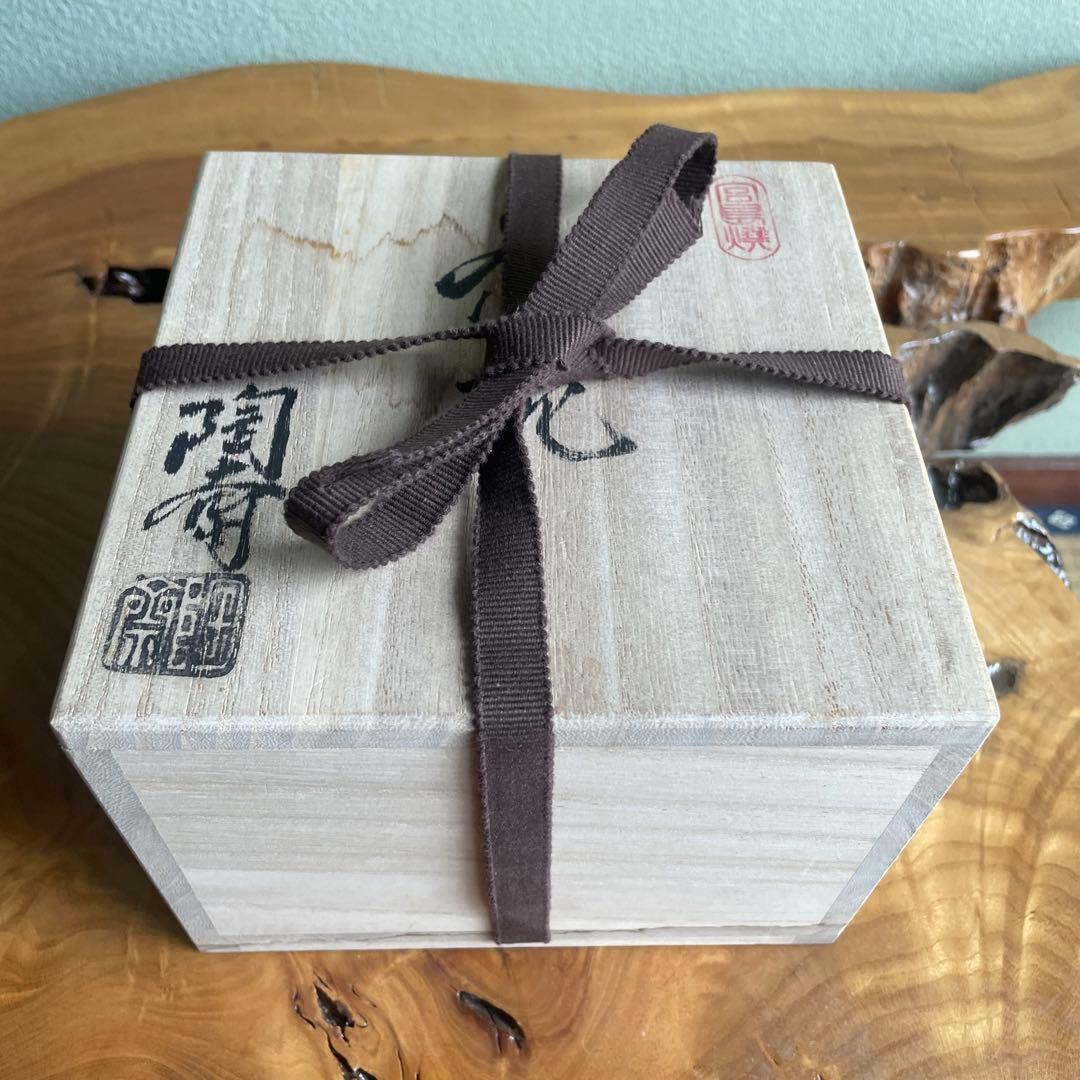
• Box: Tomobako (original wooden box) included — some staining to lid
• Condition: No cracks, no chips — excellent for age
🔹 [ Cultural & Artistic Insight ]
Historical Context — Miyajima-yaki is one of Japan's most spiritually charged ceramic traditions. The sand of Itsukushima Shrine—one of Japan's three celebrated scenic wonders—is mixed directly into the clay, making each vessel a literal vessel of sacred ground. The Kawahara Genei-do kiln has maintained this tradition for generations, producing wares for pilgrims and tea masters alike.
Technique & Aesthetic — The exterior presents warm ash-brown horizontal banding in a brushed-layer effect, as if the kiln's atmosphere painted the surface in broad strokes. The interior opens into a pale grey-white glaze field interrupted at the center by a pooled amber well—a natural gathering of glaze and mineral that tea practitioners call "景色" (keshiki, landscape). The rim is slightly irregular, softened by the hand.
Philosophical Reflection — In Japanese aesthetics, using sacred sand in ceramics is not mere craft novelty—it is a philosophical act. The drinker of tea from this bowl shares a moment of contact with the spiritual geography of Miyajima. Every bowl from Genei-do carries that invisible weight: a pilgrim's connection to island, shrine, and sea.
🔹 [ Deep-Dive Commentary ]
The Toosai signature (陶斎) appears on the box lid alongside the Kawahara Genei-do seal. Toosai is the studio name of the kiln's master, adopting the literary tradition of Japanese potters who take a working name distinct from their personal name—a practice rooted in Buddhist artisan culture.
Miyajima-yaki occupies a unique niche in Japanese ceramic history: it is simultaneously a pilgrimage souvenir tradition and a serious tea ware tradition. The sand content gives the clay body a distinctive granular texture that becomes visible at the foot ring and subtly affects glaze behavior, creating the warm blush and matte passages that define the style.
This chawan is a classic Hirashawan (flat bowl) form suited for summer temae, where a wider mouth cools the matcha more quickly. The generous diameter of 13.2 cm and the gentle foot ring allow confident handling during formal temae practice.
The tomobako carries some age-related staining to the lid exterior—entirely expected for a piece of this vintage and adds to the authentic provenance of a bowl that has lived through decades of use and storage. The box inscription confirms artist and ware type in brush calligraphy.
For collectors of regional Japanese ceramics, Miyajima-yaki remains underrepresented in Western collections despite its deep historical roots. This piece offers an accessible entry point into a tradition tied directly to one of Japan's most celebrated shrines.
━━━━━━━━━━━━━━━━━━━━━━━━━━━━━━━
[ JAPANESE DESCRIPTION / 日本語解説 ]
━━━━━━━━━━━━━━━━━━━━━━━━━━━━━━━
【基本情報】
• 作者:陶斎(川原厳栄堂) — 廣島・宮島
• 技法:轆轤成形、宮島焼(御砂入り)
• 時代:昭和後期(1970〜90年代頃)
• 産地:広島県廿日市市宮島
• サイズ:口径約13.2cm、高さ約7cm
• 付属:共箱(箱蓋にシミあり)
• 状態:ヒビ・カケなし、良好
【文化・芸術的背景】
宮島焼は、日本三景のひとつ・厳島神社の「御砂」を胎土に混ぜ込んで焼成するという、他に類を見ない霊性を帯びた陶芸の流れです。川原厳栄堂はその伝統を代々守り継ぐ宮島の窯元として、茶人・巡礼者双方に愛されてきました。
本茶碗の外側には、灰褐色の釉薬が横方向に刷毛で重ねたように流れ、温かみある表情を見せます。内側は白灰色の釉が広がり、中心に琥珀色の釉溜まりが生まれた「景色」が宿ります。やや不揃いの口縁は、手仕事ならではの柔らかさです。
この茶碗から抹茶を喫するとき、飲み手は厳島の聖なる大地と静かにつながります。御砂入りの器が持つ意味とは、技巧を超えた巡礼の記憶です。
【作家・窯について】
「陶斎」は川原厳栄堂の工房名・作家名であり、伝統的な日本の陶芸家が個人名とは別に持つ雅号の系譜に連なります。宮島焼は巡礼土産と茶道具という二つの顔を持ち、御砂の粒子が土肌に独特の質感と発色をもたらしています。
口径13.2cmの平茶碗形は夏の薄茶点前に理想的で、広い口が抹茶の熱を穏やかに逃します。共箱には作家印と「茶碗」の筆書きがあり、箱蓋のシミも年代の証として骨董らしい趣を添えています。
🔹 [ SHIPPING & PACKAGING ]
• Dispatch: Within 1-6 business days
• Carrier: Japan Post EMS / UPS (with tracking)
• Packaging: Carefully wrapped with protective materials
🔹 [ BASIC DETAILS ]
• Artist: Toosai (陶斎) — Kawahara Genei-do kiln, Miyajima (Hiroshima)
• Technique: Wheel-thrown, Miyajima-yaki (sacred sand mixed into clay body)
• Era: Late Showa period, circa 1970s–1990s
• Origin: Miyajima (Itsukushima), Hiroshima Prefecture, Japan
• Dimensions: Approx. 13.2 cm diameter × 7 cm height
• Box: Tomobako (original wooden box) included — some staining to lid
• Condition: No cracks, no chips — excellent for age
🔹 [ Cultural & Artistic Insight ]
Historical Context — Miyajima-yaki is one of Japan's most spiritually charged ceramic traditions. The sand of Itsukushima Shrine—one of Japan's three celebrated scenic wonders—is mixed directly into the clay, making each vessel a literal vessel of sacred ground. The Kawahara Genei-do kiln has maintained this tradition for generations, producing wares for pilgrims and tea masters alike.
Technique & Aesthetic — The exterior presents warm ash-brown horizontal banding in a brushed-layer effect, as if the kiln's atmosphere painted the surface in broad strokes. The interior opens into a pale grey-white glaze field interrupted at the center by a pooled amber well—a natural gathering of glaze and mineral that tea practitioners call "景色" (keshiki, landscape). The rim is slightly irregular, softened by the hand.
Philosophical Reflection — In Japanese aesthetics, using sacred sand in ceramics is not mere craft novelty—it is a philosophical act. The drinker of tea from this bowl shares a moment of contact with the spiritual geography of Miyajima. Every bowl from Genei-do carries that invisible weight: a pilgrim's connection to island, shrine, and sea.
🔹 [ Deep-Dive Commentary ]
The Toosai signature (陶斎) appears on the box lid alongside the Kawahara Genei-do seal. Toosai is the studio name of the kiln's master, adopting the literary tradition of Japanese potters who take a working name distinct from their personal name—a practice rooted in Buddhist artisan culture.
Miyajima-yaki occupies a unique niche in Japanese ceramic history: it is simultaneously a pilgrimage souvenir tradition and a serious tea ware tradition. The sand content gives the clay body a distinctive granular texture that becomes visible at the foot ring and subtly affects glaze behavior, creating the warm blush and matte passages that define the style.
This chawan is a classic Hirashawan (flat bowl) form suited for summer temae, where a wider mouth cools the matcha more quickly. The generous diameter of 13.2 cm and the gentle foot ring allow confident handling during formal temae practice.
The tomobako carries some age-related staining to the lid exterior—entirely expected for a piece of this vintage and adds to the authentic provenance of a bowl that has lived through decades of use and storage. The box inscription confirms artist and ware type in brush calligraphy.
For collectors of regional Japanese ceramics, Miyajima-yaki remains underrepresented in Western collections despite its deep historical roots. This piece offers an accessible entry point into a tradition tied directly to one of Japan's most celebrated shrines.
━━━━━━━━━━━━━━━━━━━━━━━━━━━━━━━
[ JAPANESE DESCRIPTION / 日本語解説 ]
━━━━━━━━━━━━━━━━━━━━━━━━━━━━━━━
【基本情報】
• 作者:陶斎(川原厳栄堂) — 廣島・宮島
• 技法:轆轤成形、宮島焼(御砂入り)
• 時代:昭和後期(1970〜90年代頃)
• 産地:広島県廿日市市宮島
• サイズ:口径約13.2cm、高さ約7cm
• 付属:共箱(箱蓋にシミあり)
• 状態:ヒビ・カケなし、良好
【文化・芸術的背景】
宮島焼は、日本三景のひとつ・厳島神社の「御砂」を胎土に混ぜ込んで焼成するという、他に類を見ない霊性を帯びた陶芸の流れです。川原厳栄堂はその伝統を代々守り継ぐ宮島の窯元として、茶人・巡礼者双方に愛されてきました。
本茶碗の外側には、灰褐色の釉薬が横方向に刷毛で重ねたように流れ、温かみある表情を見せます。内側は白灰色の釉が広がり、中心に琥珀色の釉溜まりが生まれた「景色」が宿ります。やや不揃いの口縁は、手仕事ならではの柔らかさです。
この茶碗から抹茶を喫するとき、飲み手は厳島の聖なる大地と静かにつながります。御砂入りの器が持つ意味とは、技巧を超えた巡礼の記憶です。
【作家・窯について】
「陶斎」は川原厳栄堂の工房名・作家名であり、伝統的な日本の陶芸家が個人名とは別に持つ雅号の系譜に連なります。宮島焼は巡礼土産と茶道具という二つの顔を持ち、御砂の粒子が土肌に独特の質感と発色をもたらしています。
口径13.2cmの平茶碗形は夏の薄茶点前に理想的で、広い口が抹茶の熱を穏やかに逃します。共箱には作家印と「茶碗」の筆書きがあり、箱蓋のシミも年代の証として骨董らしい趣を添えています。
🔹 [ SHIPPING & PACKAGING ]
• Dispatch: Within 1-6 business days
• Carrier: Japan Post EMS / UPS (with tracking)
• Packaging: Carefully wrapped with protective materials
Quantity
Couldn't load pickup availability
Low stock: 1 left
View full details