1
/
of
10
Miyagawa Koun Musubi-Ume Kyo-yaki Tea Bowl — Knotted Plum Chawan
Miyagawa Koun Musubi-Ume Kyo-yaki Tea Bowl — Knotted Plum Chawan
Regular price
Dhs. 1,077.00 AED
Regular price
Sale price
Dhs. 1,077.00 AED
Taxes included.
Shipping calculated at checkout.
A Kyo-yaki tea bowl (京焼茶碗) by Miyagawa Koun (宮川香雲), featuring a bold musubi-ume (結び梅 — knotted plum) design rendered in overglaze enamel with iron-red, cobalt blue, emerald green, and gold accents. This Kyoto Pottery Chawan carries the cultural weight of the Kyo-yaki Overglaze Enamel tradition — confident graphic brushwork on a warm cream body, wrapping the vessel in an auspicious pattern of knotted cords and plum blossoms. A Japanese Tea Ceremony piece with Decorative Cord Motif and Plum Blossom Design from the Kyoto ceramic lineage.
━━━━━━━━━━━━━━━━━━━━
🔹 [ BASIC DETAILS ]
• Artist: Miyagawa Koun (宮川香雲) — Kyoto-based potter
• Technique: Kyo-yaki — overglaze enamel painting (上絵付) with gold accents
• Era: 2010s
• Origin: Kyoto, Japan
• Dimensions: H 7.8 cm × D 12.4 cm (approx. 3.1" × 4.9")
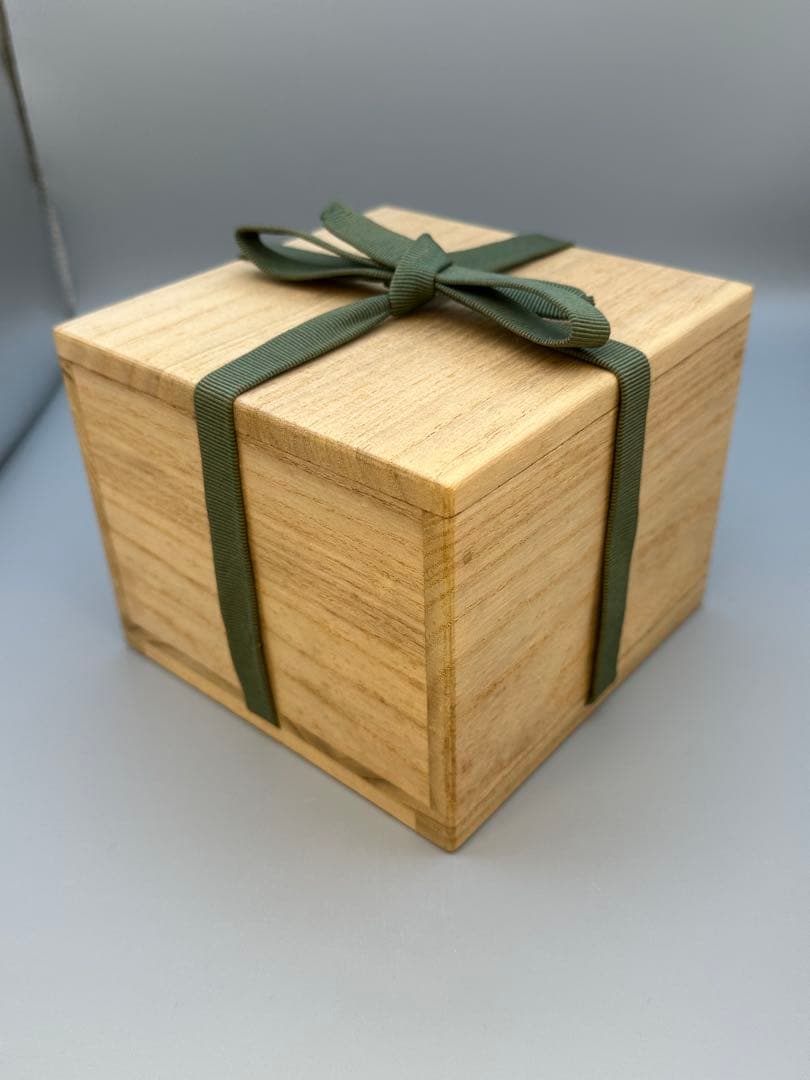
• Box: Signed wooden box — 香雲 (Koun)
• Condition: Good — no notable damage
━━━━━━━━━━━━━━━━━━━━
🔹 [ CULTURAL & ARTISTIC INSIGHT ]
Kyo-yaki does not whisper. It declares. Where Mino and Bizen potters pursue the quiet accident of the kiln, Kyoto potters have always chosen the deliberate gesture — color placed with intention, pattern resolved before the brush touches clay. Miyagawa Koun's musubi-ume bowl belongs to this tradition of confident authorship, where every stroke is a decision and every decision is visible.
The musubi-ume pattern combines two of Japan's most resonant visual vocabularies: the decorative cord-knot (musubi) and the plum blossom (ume). Musubi means both "knot" and "connection" — the binding together of fate, relationship, and continuity. Ume is the first flower of the year, blooming while snow still covers the ground — a declaration that endurance and beauty are the same thing. Together, they form a pattern that carries auspicious meaning without sentimentality: connection that persists, life that returns.
Koun's rendering is graphic and unhesitating. Iron-red cords wrap the bowl in sweeping curves, filled with gold-outlined herringbone patterning that catches light at every angle. Navy cobalt sections provide depth and contrast, while emerald green accents punctuate the composition with the precision of a woodblock print. The cream body beneath — warm, with a slight peach undertone — allows this chromatic architecture to breathe. Nothing is crowded. Every color has its territory.
*"The knot does not bind. It remembers — every cord that was tied before it."*
━━━━━━━━━━━━━━━━━━━━
🔹 [ DEEP-DIVE COMMENTARY ]
**Kyo-yaki (京焼) — The Kyoto Ceramic Tradition**: Kyo-yaki is not a single technique but an entire philosophy of ceramics shaped by Kyoto's position as Japan's cultural capital for over a millennium. From Ninsei's invention of overglaze enamel on tea wares in the 17th century to Kenzan's fusion of painting and pottery, Kyoto potters have consistently treated the vessel as a canvas — not for decoration's sake, but because Kyoto understood that beauty is a form of intelligence. Miyagawa Koun inherits this lineage, bringing a contemporary confidence to patterns rooted in centuries of visual culture.
**Musubi (結び) — The Knot as Symbol**: In Japanese culture, the knot carries meaning far beyond ornament. Musubi is etymologically linked to musubu (結ぶ — to connect, to create) and musubi (産霊 — the creative force of the universe in Shinto cosmology). The decorative cord-knots that appear on this bowl reference mizuhiki — the ceremonial cords used in gift-giving and ritual occasions. Each knot style communicates a different intention: celebration, condolence, permanence. On a tea bowl, the musubi pattern transforms the vessel into an object of connection — between host and guest, between this moment and all the moments it echoes.
**Ume (梅) — Plum as First Witness**: The plum blossom holds a singular position in Japanese and Chinese art. It blooms in late winter, often while snow still lies on the branch — the first witness to the turning of the year. Unlike cherry blossoms, which are celebrated for their brief and dramatic fall, plum blossoms are honored for their persistence. They open slowly, fragrance preceding sight, and endure. In tea culture, plum motifs signal the transition from winter to spring — a gathering where the season is about to change, and the bowl knows it before the guests do.
**Overglaze Enamel Technique (上絵付)**: The polychrome decoration on this bowl is achieved through multiple firings. The base form is first fired with a clear glaze over the cream clay body. Then enamel pigments — iron-red, cobalt blue, emerald green, and gold — are painted onto the glazed surface and fired again at lower temperature, fusing the colors to the glaze without allowing them to sink beneath it. This layered process gives each color a physical presence on the surface — they sit atop the bowl rather than dissolving into it, creating the graphic clarity that defines Kyo-yaki overglaze work.
━━━━━━━━━━━━━━━━━━━━
🔹 [ 日本語解説 ]
【基本情報】
• 作家:宮川香雲(京焼)
• 技法:京焼・上絵付(色絵金彩)
• 意匠:結び梅(むすびうめ)
• 時代:2010年代
• 産地:京都
• 寸法:高さ 7.8cm × 口径 12.4cm
• 箱:共箱(香雲)
• 状態:良好 — 目立った傷なし
【解説】
宮川香雲作、結び梅の茶碗です。京焼の伝統を受け継ぐ確かな筆致で、鉄赤の飾り紐・紺青・緑・金彩による結び梅文様が器全体を包んでいます。
結び梅は、吉祥の水引結びと梅花を組み合わせた伝統文様です。「結び」は人と人、時と時を繋ぐ意味を持ち、「梅」は雪の中で最初に咲く花として忍耐と再生を象徴します。茶席においては冬から春への移ろいを示す取り合わせにふさわしい意匠です。
温かみのあるクリーム色の素地の上に、大胆かつ緻密な上絵付が施されています。鉄赤の紐模様には金彩の杉綾(ヘリンボーン)が充填され、紺と緑のアクセントが全体を引き締めています。京焼ならではの「描く」意志が明確に表れた一碗であり、祝いの茶席や新春の席に格別の存在感を放ちます。共箱付き。
━━━━━━━━━━━━━━━━━━━━
🔹 [ SHIPPING & PACKAGING ]
• Dispatch: Within 1-6 business days
• Carrier: Japan Post EMS / UPS (with tracking)
• Packaging: Carefully wrapped with protective materials
*Red cords, gold geometry, plum that blooms before spring arrives — Kyoto declares what other kilns only suggest.*
━━━━━━━━━━━━━━━━━━━━
🔹 [ BASIC DETAILS ]
• Artist: Miyagawa Koun (宮川香雲) — Kyoto-based potter
• Technique: Kyo-yaki — overglaze enamel painting (上絵付) with gold accents
• Era: 2010s
• Origin: Kyoto, Japan
• Dimensions: H 7.8 cm × D 12.4 cm (approx. 3.1" × 4.9")
• Box: Signed wooden box — 香雲 (Koun)
• Condition: Good — no notable damage
━━━━━━━━━━━━━━━━━━━━
🔹 [ CULTURAL & ARTISTIC INSIGHT ]
Kyo-yaki does not whisper. It declares. Where Mino and Bizen potters pursue the quiet accident of the kiln, Kyoto potters have always chosen the deliberate gesture — color placed with intention, pattern resolved before the brush touches clay. Miyagawa Koun's musubi-ume bowl belongs to this tradition of confident authorship, where every stroke is a decision and every decision is visible.
The musubi-ume pattern combines two of Japan's most resonant visual vocabularies: the decorative cord-knot (musubi) and the plum blossom (ume). Musubi means both "knot" and "connection" — the binding together of fate, relationship, and continuity. Ume is the first flower of the year, blooming while snow still covers the ground — a declaration that endurance and beauty are the same thing. Together, they form a pattern that carries auspicious meaning without sentimentality: connection that persists, life that returns.
Koun's rendering is graphic and unhesitating. Iron-red cords wrap the bowl in sweeping curves, filled with gold-outlined herringbone patterning that catches light at every angle. Navy cobalt sections provide depth and contrast, while emerald green accents punctuate the composition with the precision of a woodblock print. The cream body beneath — warm, with a slight peach undertone — allows this chromatic architecture to breathe. Nothing is crowded. Every color has its territory.
*"The knot does not bind. It remembers — every cord that was tied before it."*
━━━━━━━━━━━━━━━━━━━━
🔹 [ DEEP-DIVE COMMENTARY ]
**Kyo-yaki (京焼) — The Kyoto Ceramic Tradition**: Kyo-yaki is not a single technique but an entire philosophy of ceramics shaped by Kyoto's position as Japan's cultural capital for over a millennium. From Ninsei's invention of overglaze enamel on tea wares in the 17th century to Kenzan's fusion of painting and pottery, Kyoto potters have consistently treated the vessel as a canvas — not for decoration's sake, but because Kyoto understood that beauty is a form of intelligence. Miyagawa Koun inherits this lineage, bringing a contemporary confidence to patterns rooted in centuries of visual culture.
**Musubi (結び) — The Knot as Symbol**: In Japanese culture, the knot carries meaning far beyond ornament. Musubi is etymologically linked to musubu (結ぶ — to connect, to create) and musubi (産霊 — the creative force of the universe in Shinto cosmology). The decorative cord-knots that appear on this bowl reference mizuhiki — the ceremonial cords used in gift-giving and ritual occasions. Each knot style communicates a different intention: celebration, condolence, permanence. On a tea bowl, the musubi pattern transforms the vessel into an object of connection — between host and guest, between this moment and all the moments it echoes.
**Ume (梅) — Plum as First Witness**: The plum blossom holds a singular position in Japanese and Chinese art. It blooms in late winter, often while snow still lies on the branch — the first witness to the turning of the year. Unlike cherry blossoms, which are celebrated for their brief and dramatic fall, plum blossoms are honored for their persistence. They open slowly, fragrance preceding sight, and endure. In tea culture, plum motifs signal the transition from winter to spring — a gathering where the season is about to change, and the bowl knows it before the guests do.
**Overglaze Enamel Technique (上絵付)**: The polychrome decoration on this bowl is achieved through multiple firings. The base form is first fired with a clear glaze over the cream clay body. Then enamel pigments — iron-red, cobalt blue, emerald green, and gold — are painted onto the glazed surface and fired again at lower temperature, fusing the colors to the glaze without allowing them to sink beneath it. This layered process gives each color a physical presence on the surface — they sit atop the bowl rather than dissolving into it, creating the graphic clarity that defines Kyo-yaki overglaze work.
━━━━━━━━━━━━━━━━━━━━
🔹 [ 日本語解説 ]
【基本情報】
• 作家:宮川香雲(京焼)
• 技法:京焼・上絵付(色絵金彩)
• 意匠:結び梅(むすびうめ)
• 時代:2010年代
• 産地:京都
• 寸法:高さ 7.8cm × 口径 12.4cm
• 箱:共箱(香雲)
• 状態:良好 — 目立った傷なし
【解説】
宮川香雲作、結び梅の茶碗です。京焼の伝統を受け継ぐ確かな筆致で、鉄赤の飾り紐・紺青・緑・金彩による結び梅文様が器全体を包んでいます。
結び梅は、吉祥の水引結びと梅花を組み合わせた伝統文様です。「結び」は人と人、時と時を繋ぐ意味を持ち、「梅」は雪の中で最初に咲く花として忍耐と再生を象徴します。茶席においては冬から春への移ろいを示す取り合わせにふさわしい意匠です。
温かみのあるクリーム色の素地の上に、大胆かつ緻密な上絵付が施されています。鉄赤の紐模様には金彩の杉綾(ヘリンボーン)が充填され、紺と緑のアクセントが全体を引き締めています。京焼ならではの「描く」意志が明確に表れた一碗であり、祝いの茶席や新春の席に格別の存在感を放ちます。共箱付き。
━━━━━━━━━━━━━━━━━━━━
🔹 [ SHIPPING & PACKAGING ]
• Dispatch: Within 1-6 business days
• Carrier: Japan Post EMS / UPS (with tracking)
• Packaging: Carefully wrapped with protective materials
*Red cords, gold geometry, plum that blooms before spring arrives — Kyoto declares what other kilns only suggest.*
Quantity
Couldn't load pickup availability
Low stock: 1 left
View full details