1
/
of
12
Miura Chikusen Shonzui Karako Figure Kogo Incense Container Blue White
Miura Chikusen Shonzui Karako Figure Kogo Incense Container Blue White
Regular price
Dhs. 994.00 AED
Regular price
Sale price
Dhs. 994.00 AED
Taxes included.
Shipping calculated at checkout.
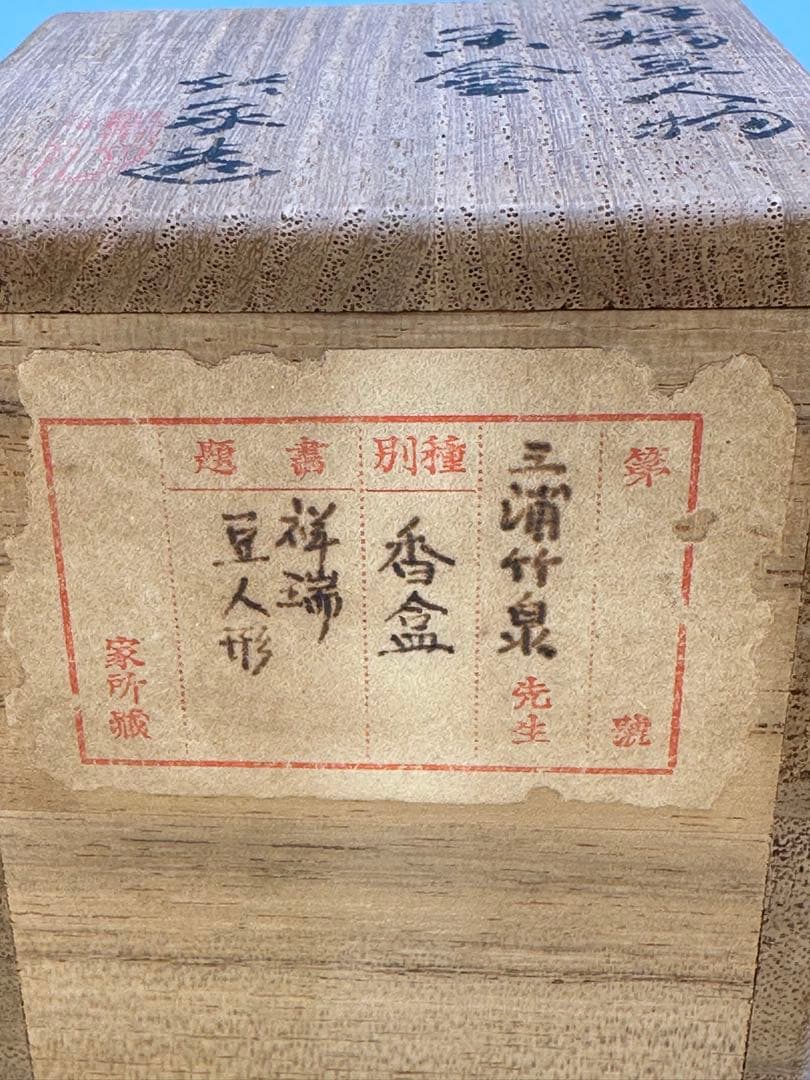
A porcelain kogo by Miura Chikusen, one of Kyoto's most distinguished ceramic lineages. This spherical incense container is enveloped in Shonzui-style geometric patterns — ichimatsu checkerboard, sayagata fretwork, and kagome lattice — executed in cobalt underglaze of extraordinary fineness. A karako figure perches atop the lid, transforming function into narrative. Accompanied by signed tomobako.
━━━━━━━━━━━━━━━━━━━━
🔹 [ BASIC DETAILS ]
• Artist: Miura Chikusen (三浦竹泉)
• Technique: Cobalt underglaze (染付) — Shonzui style
• Era: Showa–Heisei period
• Origin: Kyoto, Japan
• Dimensions: 6.5 cm × 5.0 cm (2.6" dia × 2.0" h)
• Box: Tomobako signed by Chikusen with seal
• Condition: Excellent — no chips, cracks, or repairs; cobalt vivid and intact
━━━━━━━━━━━━━━━━━━━━
🔹 [ CULTURAL & ARTISTIC INSIGHT ]
Shonzui ware occupies a singular position in the Japanese ceramic imagination. Named for Gorodayu-go Shonzui — the possibly legendary potter said to have studied in Jingdezhen — the style represents Japan's earliest and most sustained dialogue with Chinese blue-and-white porcelain. Yet Shonzui is not imitation. It is translation: Chinese technique filtered through Japanese aesthetic priorities, resulting in something that belongs wholly to neither tradition and enriches both.
Miura Chikusen's interpretation of this lineage carries the cultural weight of generations. The Chikusen name has been synonymous with Kyoto porcelain excellence since the Meiji era, each generation inheriting and extending the vocabulary of sometsuke painting. This kogo demonstrates the family's command of geometric pattern — every surface is articulated, every panel distinct, yet the whole achieves visual coherence rather than chaos.
The karako figure atop the lid introduces a playful counterpoint to the rigorous geometry below. This juxtaposition — disciplined pattern and spontaneous figural work — is itself a hallmark of mature Shonzui expression, where control and freedom coexist in the same breath.
*"Geometry becomes meditation when every line is placed with the stillness of certainty."*
━━━━━━━━━━━━━━━━━━━━
🔹 [ DEEP-DIVE COMMENTARY ]
**Shonzui Tradition**: Shonzui-style ceramics emerged from the tea masters' fascination with Chinese imports during the Muromachi and Momoyama periods. The geometric panel compositions — alternating between checkerboard, fretwork, lattice, and floral grounds — became a codified vocabulary that Japanese potters have reinterpreted for centuries. Chikusen's version honors this vocabulary while demonstrating the tonal range achievable through masterful cobalt control.
**Karako (唐子) Motif**: The Chinese child figure is one of the most enduring motifs in East Asian decorative arts, symbolizing prosperity, joy, and cultural exchange. In this context, the karako serves as both lid finial and sculptural statement, its small scale demanding exceptional modeling skill. The figure's blue-detailed garments echo the patterns below, creating visual unity between sculptural and painted elements.
**Chikusen Lineage**: The Miura Chikusen workshop, established in the Meiji period, represents one of Kyoto's foremost porcelain dynasties. Known particularly for mastery of sometsuke and Shonzui techniques, the lineage has maintained an unbroken commitment to technical precision and cultural continuity. The presence of a signed tomobako with seal confirms attribution and places this work within the workshop's documented production.
**Kogo in Chanoyu**: The incense container holds a specific role in the tea ceremony — it is presented during charcoal-laying procedures and is often the most intimate object the guest examines. Its small scale demands that every detail withstand close scrutiny. This kogo answers that demand with density of pattern and clarity of execution that rewards prolonged attention.
━━━━━━━━━━━━━━━━━━━━
🔹 [ 日本語解説 ]
【基本情報】
• 作家:三浦竹泉
• 技法:染付(祥瑞写)
• 時代:昭和〜平成期
• 産地:京都
• 寸法:約最大径6.5cm × 高さ5.0cm
• 付属:共箱(竹泉造・印あり)
• 状態:良好 — 傷、ヒビ、直しなし
【解説】
三浦竹泉による祥瑞豆人形香合。球形の器面全体に市松文、紗綾形、籠目文などの幾何学文様が緻密な染付で描き込まれ、蓋上には愛らしい唐子人形が座る。祥瑞様式の精髄を凝縮した一品である。
竹泉家は明治以来、京焼磁器の名門として染付・祥瑞を得意とし、その技術は代々継承されてきた。本作に見られる幾何学文様の精緻さは、長年の修練と伝統への深い理解を物語る。パネルごとに異なる文様を配しながらも全体の調和を保つ構成力は、竹泉窯ならではの力量である。
香合は茶の湯において炭手前の際に用いられ、客が手に取って拝見する親密な道具である。この小さな器に込められた技と意匠の密度は、手のひらの上で静かに語りかけてくる。
━━━━━━━━━━━━━━━━━━━━
🔹 [ SHIPPING & PACKAGING ]
• Dispatch: Within 1-6 business days
• Carrier: Japan Post EMS / UPS (with tracking)
• Packaging: Carefully wrapped with protective materials
*In the stillness of pattern, a child sits — watching centuries pass like clouds.*
━━━━━━━━━━━━━━━━━━━━
🔹 [ BASIC DETAILS ]
• Artist: Miura Chikusen (三浦竹泉)
• Technique: Cobalt underglaze (染付) — Shonzui style
• Era: Showa–Heisei period
• Origin: Kyoto, Japan
• Dimensions: 6.5 cm × 5.0 cm (2.6" dia × 2.0" h)
• Box: Tomobako signed by Chikusen with seal
• Condition: Excellent — no chips, cracks, or repairs; cobalt vivid and intact
━━━━━━━━━━━━━━━━━━━━
🔹 [ CULTURAL & ARTISTIC INSIGHT ]
Shonzui ware occupies a singular position in the Japanese ceramic imagination. Named for Gorodayu-go Shonzui — the possibly legendary potter said to have studied in Jingdezhen — the style represents Japan's earliest and most sustained dialogue with Chinese blue-and-white porcelain. Yet Shonzui is not imitation. It is translation: Chinese technique filtered through Japanese aesthetic priorities, resulting in something that belongs wholly to neither tradition and enriches both.
Miura Chikusen's interpretation of this lineage carries the cultural weight of generations. The Chikusen name has been synonymous with Kyoto porcelain excellence since the Meiji era, each generation inheriting and extending the vocabulary of sometsuke painting. This kogo demonstrates the family's command of geometric pattern — every surface is articulated, every panel distinct, yet the whole achieves visual coherence rather than chaos.
The karako figure atop the lid introduces a playful counterpoint to the rigorous geometry below. This juxtaposition — disciplined pattern and spontaneous figural work — is itself a hallmark of mature Shonzui expression, where control and freedom coexist in the same breath.
*"Geometry becomes meditation when every line is placed with the stillness of certainty."*
━━━━━━━━━━━━━━━━━━━━
🔹 [ DEEP-DIVE COMMENTARY ]
**Shonzui Tradition**: Shonzui-style ceramics emerged from the tea masters' fascination with Chinese imports during the Muromachi and Momoyama periods. The geometric panel compositions — alternating between checkerboard, fretwork, lattice, and floral grounds — became a codified vocabulary that Japanese potters have reinterpreted for centuries. Chikusen's version honors this vocabulary while demonstrating the tonal range achievable through masterful cobalt control.
**Karako (唐子) Motif**: The Chinese child figure is one of the most enduring motifs in East Asian decorative arts, symbolizing prosperity, joy, and cultural exchange. In this context, the karako serves as both lid finial and sculptural statement, its small scale demanding exceptional modeling skill. The figure's blue-detailed garments echo the patterns below, creating visual unity between sculptural and painted elements.
**Chikusen Lineage**: The Miura Chikusen workshop, established in the Meiji period, represents one of Kyoto's foremost porcelain dynasties. Known particularly for mastery of sometsuke and Shonzui techniques, the lineage has maintained an unbroken commitment to technical precision and cultural continuity. The presence of a signed tomobako with seal confirms attribution and places this work within the workshop's documented production.
**Kogo in Chanoyu**: The incense container holds a specific role in the tea ceremony — it is presented during charcoal-laying procedures and is often the most intimate object the guest examines. Its small scale demands that every detail withstand close scrutiny. This kogo answers that demand with density of pattern and clarity of execution that rewards prolonged attention.
━━━━━━━━━━━━━━━━━━━━
🔹 [ 日本語解説 ]
【基本情報】
• 作家:三浦竹泉
• 技法:染付(祥瑞写)
• 時代:昭和〜平成期
• 産地:京都
• 寸法:約最大径6.5cm × 高さ5.0cm
• 付属:共箱(竹泉造・印あり)
• 状態:良好 — 傷、ヒビ、直しなし
【解説】
三浦竹泉による祥瑞豆人形香合。球形の器面全体に市松文、紗綾形、籠目文などの幾何学文様が緻密な染付で描き込まれ、蓋上には愛らしい唐子人形が座る。祥瑞様式の精髄を凝縮した一品である。
竹泉家は明治以来、京焼磁器の名門として染付・祥瑞を得意とし、その技術は代々継承されてきた。本作に見られる幾何学文様の精緻さは、長年の修練と伝統への深い理解を物語る。パネルごとに異なる文様を配しながらも全体の調和を保つ構成力は、竹泉窯ならではの力量である。
香合は茶の湯において炭手前の際に用いられ、客が手に取って拝見する親密な道具である。この小さな器に込められた技と意匠の密度は、手のひらの上で静かに語りかけてくる。
━━━━━━━━━━━━━━━━━━━━
🔹 [ SHIPPING & PACKAGING ]
• Dispatch: Within 1-6 business days
• Carrier: Japan Post EMS / UPS (with tracking)
• Packaging: Carefully wrapped with protective materials
*In the stillness of pattern, a child sits — watching centuries pass like clouds.*
Quantity
Couldn't load pickup availability
Out of stock
View full details