1
/
of
9
Mishima Inlay Tea Bowl by Tachikichi - Korean Style Chawan with Flower Pattern
Mishima Inlay Tea Bowl by Tachikichi - Korean Style Chawan with Flower Pattern
Regular price
Dhs. 641.00 AED
Regular price
Sale price
Dhs. 641.00 AED
Taxes included.
Shipping calculated at checkout.
Experience Authentic Japanese Art with this Mishima Inlay Chawan. This Japanese Korean Style Bowl serves as a White Slip Tea Bowl and Floral Pattern Ceramic, featuring Tachikichi Craftwork and Traditional Inlay Art—a must-have for any Art Collector seeking Wabi Sabi Pottery and Zen Tea Ceremony essentials.
━━━━━━━━━━━━━━━━━━━━
🔹 [ BASIC DETAILS ]
• Artist: Tachikichi (たち吉) Workshop
• Technique: Mishima-de (inlaid slip decoration)
• Era: Heisei Period
• Origin: Kyoto, Japan
• Dimensions: Standard matcha bowl size
• Box: Tomobako with documentation card
• Condition: Unused, mint condition with original papers
━━━━━━━━━━━━━━━━━━━━
🔹 [ CULTURAL & ARTISTIC INSIGHT ]
Mishima ware represents one of the most distinctive techniques in East Asian ceramics—a method of pressing patterns into clay, filling them with contrasting white slip, then scraping the surface to reveal crisp, inlaid designs. Named after the Mishima calendar's printed patterns, this Korean-origin technique was enthusiastically adopted by Japanese tea culture.
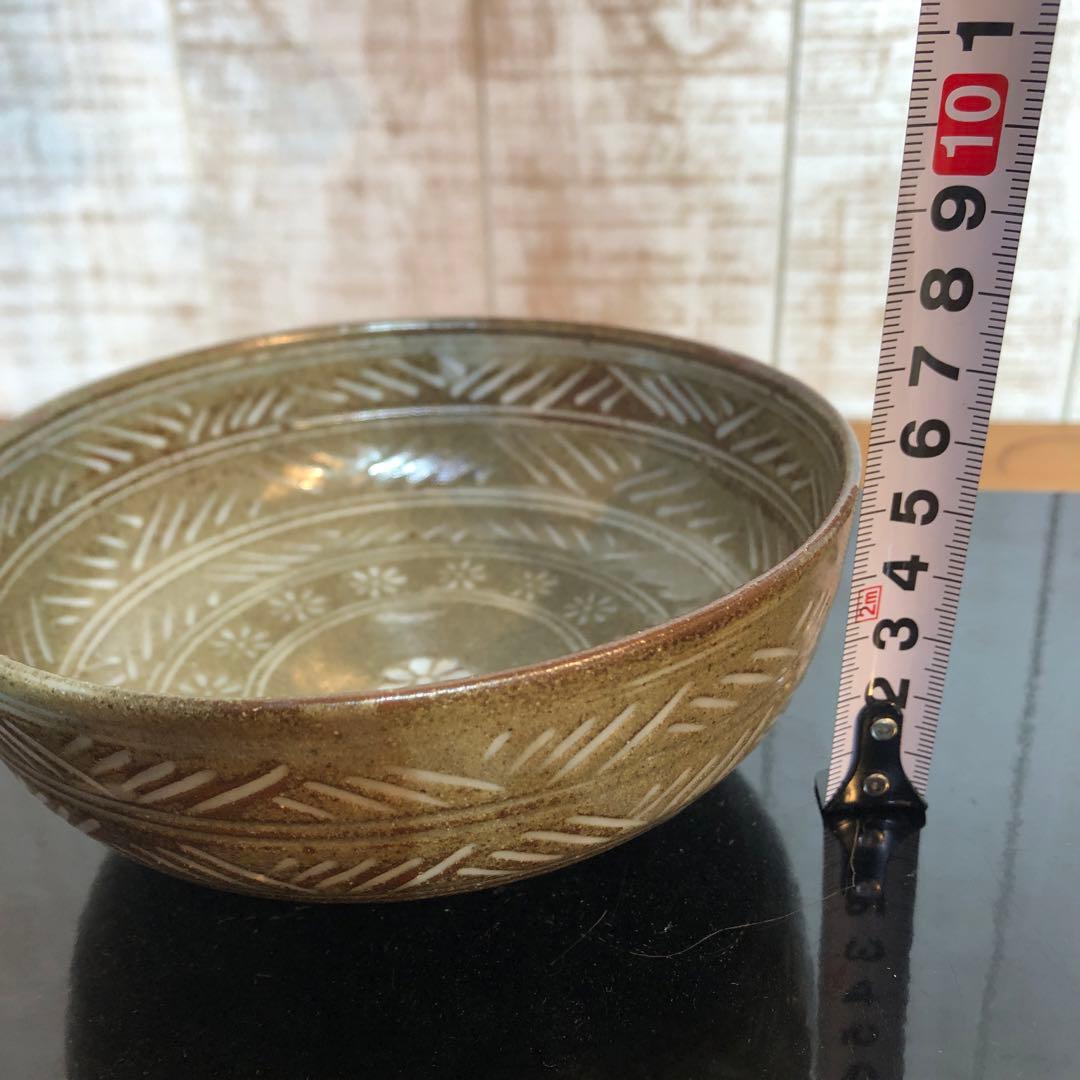
This Tachikichi bowl features classic mishima motifs: concentric rings, chevron patterns around the rim, and delicate flower medallions at the center. The gray-green celadon ground provides perfect contrast for the white inlay, creating a harmonious balance of geometry and organic forms.
*"Like frost patterns on winter windows, white flowers bloom in gray-green depths—beauty stamped in clay's memory."*
━━━━━━━━━━━━━━━━━━━━
🔹 [ DEEP-DIVE COMMENTARY ]
**The Mishima Heritage**: Mishima technique flourished in Korea's Goryeo and Joseon dynasties before traveling to Japan. The name "Mishima" came from resemblance to the Mishima Taisha shrine's calendar typography.
**Technical Process**: Artisans carve or stamp patterns into leather-hard clay, brush white slip into the impressions, then carefully scrape the surface. Firing fuses the contrasting clays permanently together.
**Tachikichi Excellence**: Founded in Kyoto, Tachikichi has maintained high standards of traditional craftsmanship since the Edo period. Their mishima work represents accessible yet authentic tea ware.
**Collector Significance**: An unused piece with original documentation represents optimal collector condition. The mint state preserves both aesthetic and archival value.
━━━━━━━━━━━━━━━━━━━━
🔹 [ 日本語解説 ]
【基本情報】
• 作家:たち吉
• 技法:三島手(象嵌)
• 時代:平成期
• 産地:京都
• 寸法:標準的な抹茶碗サイズ
• 付属:共箱、解説カード
• 状態:未使用、極上品
【解説】
三島手は、東アジア陶芸の中でも最も特徴的な技法の一つです。粘土に文様を押し、白土を詰めて表面を削ることで、くっきりとした象嵌模様が現れます。その名は三島大社の暦の印刷文様に似ていることに由来します。
このたち吉の茶碗は、同心円、縁周りの矢羽根文、中央の花文という古典的な三島意匠を備えています。灰緑色の地に白い象嵌が映え、幾何学と有機的形態の調和を見せています。未使用の状態で保存されており、オリジナルの解説カードも付属しています。
━━━━━━━━━━━━━━━━━━━━
🔹 [ SHIPPING & PACKAGING ]
• Dispatch: Within 1-6 business days
• Carrier: Japan Post EMS / UPS (with tracking)
• Packaging: Carefully wrapped with protective materials
*In each white flower pressed into gray-green clay, Korea and Japan meet across centuries of shared beauty.*
━━━━━━━━━━━━━━━━━━━━
🔹 [ BASIC DETAILS ]
• Artist: Tachikichi (たち吉) Workshop
• Technique: Mishima-de (inlaid slip decoration)
• Era: Heisei Period
• Origin: Kyoto, Japan
• Dimensions: Standard matcha bowl size
• Box: Tomobako with documentation card
• Condition: Unused, mint condition with original papers
━━━━━━━━━━━━━━━━━━━━
🔹 [ CULTURAL & ARTISTIC INSIGHT ]
Mishima ware represents one of the most distinctive techniques in East Asian ceramics—a method of pressing patterns into clay, filling them with contrasting white slip, then scraping the surface to reveal crisp, inlaid designs. Named after the Mishima calendar's printed patterns, this Korean-origin technique was enthusiastically adopted by Japanese tea culture.
This Tachikichi bowl features classic mishima motifs: concentric rings, chevron patterns around the rim, and delicate flower medallions at the center. The gray-green celadon ground provides perfect contrast for the white inlay, creating a harmonious balance of geometry and organic forms.
*"Like frost patterns on winter windows, white flowers bloom in gray-green depths—beauty stamped in clay's memory."*
━━━━━━━━━━━━━━━━━━━━
🔹 [ DEEP-DIVE COMMENTARY ]
**The Mishima Heritage**: Mishima technique flourished in Korea's Goryeo and Joseon dynasties before traveling to Japan. The name "Mishima" came from resemblance to the Mishima Taisha shrine's calendar typography.
**Technical Process**: Artisans carve or stamp patterns into leather-hard clay, brush white slip into the impressions, then carefully scrape the surface. Firing fuses the contrasting clays permanently together.
**Tachikichi Excellence**: Founded in Kyoto, Tachikichi has maintained high standards of traditional craftsmanship since the Edo period. Their mishima work represents accessible yet authentic tea ware.
**Collector Significance**: An unused piece with original documentation represents optimal collector condition. The mint state preserves both aesthetic and archival value.
━━━━━━━━━━━━━━━━━━━━
🔹 [ 日本語解説 ]
【基本情報】
• 作家:たち吉
• 技法:三島手(象嵌)
• 時代:平成期
• 産地:京都
• 寸法:標準的な抹茶碗サイズ
• 付属:共箱、解説カード
• 状態:未使用、極上品
【解説】
三島手は、東アジア陶芸の中でも最も特徴的な技法の一つです。粘土に文様を押し、白土を詰めて表面を削ることで、くっきりとした象嵌模様が現れます。その名は三島大社の暦の印刷文様に似ていることに由来します。
このたち吉の茶碗は、同心円、縁周りの矢羽根文、中央の花文という古典的な三島意匠を備えています。灰緑色の地に白い象嵌が映え、幾何学と有機的形態の調和を見せています。未使用の状態で保存されており、オリジナルの解説カードも付属しています。
━━━━━━━━━━━━━━━━━━━━
🔹 [ SHIPPING & PACKAGING ]
• Dispatch: Within 1-6 business days
• Carrier: Japan Post EMS / UPS (with tracking)
• Packaging: Carefully wrapped with protective materials
*In each white flower pressed into gray-green clay, Korea and Japan meet across centuries of shared beauty.*
Quantity
Couldn't load pickup availability
Low stock: 1 left
View full details