1
/
of
9
Mishima-de Inlaid Slip Tea Bowl by Uno Toru - Korean-Inspired Hira-Chawan with Signed Box
Mishima-de Inlaid Slip Tea Bowl by Uno Toru - Korean-Inspired Hira-Chawan with Signed Box
Regular price
Dhs. 844.00 AED
Regular price
Sale price
Dhs. 844.00 AED
Taxes included.
Shipping calculated at checkout.
Experience authentic Japanese tea culture with this Mishima-de Inlaid Slip Tea Bowl by Uno Toru. This Japanese Matcha Bowl serves as a Korean Inspired Art ceramic and Stamped Pattern Bowl, featuring Hanabishi Pattern inlay and Dark Stoneware Body—a must-have for any Art Collector seeking authentic Mishima Ware Chawan and Contemplative Decor.
━━━━━━━━━━━━━━━━━━━━
🔹 [ BASIC DETAILS ]
• Artist: Uno Toru (宇野徹)
• Technique: Mishima-de (三島手) — stamped and inlaid white slip on dark stoneware
• Era: Contemporary (Heisei–Reiwa period)
• Origin: Japan — Korean ceramic lineage (Koryo/Joseon dynasty influence)
• Dimensions: Diameter approx. 13 cm × Height approx. 5.5 cm (5.1" × 2.2")
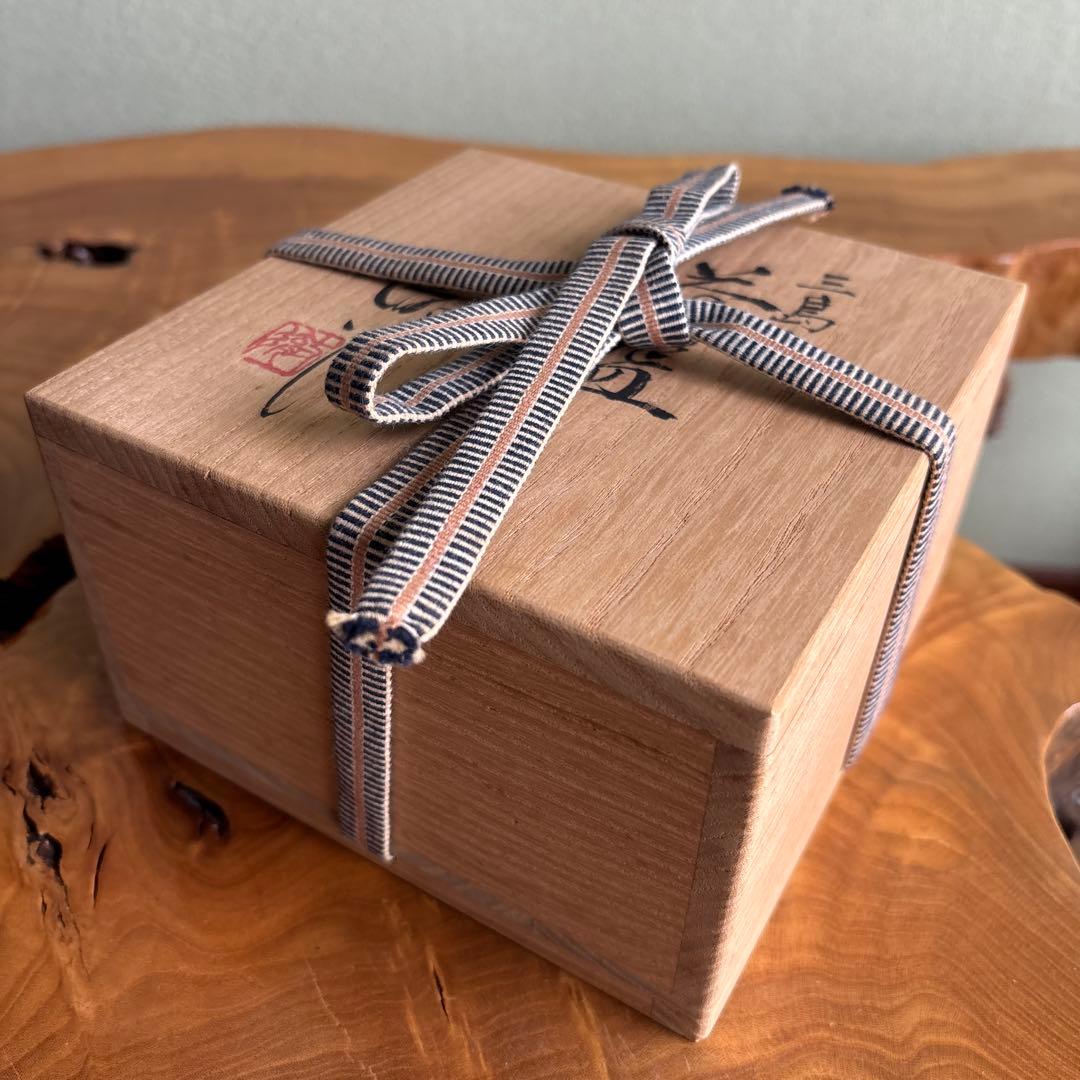
• Box: Tomobako (artist-signed wooden box with red seal)
• Condition: Excellent – no cracks, chips, or repairs
━━━━━━━━━━━━━━━━━━━━
🔹 [ CULTURAL & ARTISTIC INSIGHT ]
Mishima-de (三島手) is a technique that bridges two ceramic civilizations. Originating in Korean buncheong ware of the Koryo and Joseon dynasties, it crossed the sea to Japan where tea masters recognized in its quiet repetition something profoundly suited to the act of contemplation. The method is deceptively simple in description — stamp patterns into leather-hard clay, fill with white slip, scrape back the excess, glaze, and fire — yet demands a precision that borders on meditation.
Uno Toru's bowl embodies this discipline at its most exacting. The hanabishi (花菱, flower-diamond) pattern covers every surface — interior and exterior — in an unbroken field of repeating geometry. Each stamp impression is individually placed, yet the cumulative effect transcends the individual mark. What emerges is not pattern but atmosphere: a visual hum, steady and encompassing, like the sound of rain on a temple roof.
The wide, shallow hira-chawan (平茶碗) form is traditionally reserved for summer tea practice, when a broader surface allows the tea to cool. Here, the expansive form also serves the pattern — giving it room to breathe across a generous plane.
*"Ten thousand impressions. One silence."*
━━━━━━━━━━━━━━━━━━━━
🔹 [ DEEP-DIVE COMMENTARY ]
**Mishima-de Technique**: The name "Mishima" derives from the Mishima Shrine calendar (三島暦), whose densely printed characters resembled the fine, repeated patterns of Korean inlaid ceramics. The technique involves pressing small stamps into the surface of a leather-hard vessel. White slip is then applied over the entire surface, filling the impressed cavities. Once the slip has set, the excess is carefully scraped away, leaving white inlay against the dark body.
**Hanabishi Pattern**: The hanabishi (花菱) or flower-diamond motif is one of the most traditional patterns in Japanese decorative arts, appearing in textiles, lacquerware, and architecture as well as ceramics. Its geometric regularity makes it particularly suited to stamp work, yet achieving the density visible in this bowl — where pattern coverage is virtually complete — requires extraordinary patience and consistency of pressure.
**Korean Ceramic Heritage**: Mishima-de represents one of the most significant cross-cultural transmissions in East Asian ceramic history. Japanese tea masters of the Muromachi and Momoyama periods prized Korean buncheong ware for its unassuming beauty, and the technique was adopted and refined by Japanese potters over centuries. Uno Toru's work honors this lineage while demonstrating a contemporary Japanese interpretation of the form.
**Summer Bowl Form**: The hira-chawan (平茶碗) — literally "flat tea bowl" — is the canonical summer form in Japanese tea practice. Its wide diameter and shallow depth expose more surface area to air, allowing whisked matcha to cool more quickly in the heat of summer months. The form also changes the gestural experience of tea preparation, requiring a broader, more horizontal whisking motion.
━━━━━━━━━━━━━━━━━━━━
🔹 [ 日本語解説 ]
【基本情報】
• 作家:宇野徹
• 技法:三島手(印花白象嵌)
• 時代:現代(平成〜令和)
• 産地:日本(高麗・李朝陶磁の系譜)
• 寸法:直径約13cm × 高さ約5.5cm
• 付属:共箱(朱印あり)
• 状態:良好(ヒビ・カケなし)
【解説】
三島手(みしまで)は、高麗・李朝時代の朝鮮半島で発達した象嵌技法を源流とするやきものです。革のように乾いた素地に文様を印花(スタンプ)し、白化粧土を塗り込んだ後に削り取ることで、暗色の素地に白い文様が浮かび上がります。「三島」の名は、三島大社の暦(三島暦)の細かな文字に似ていることに由来します。
宇野徹による本作は、花菱(はなびし)文様を碗の内外にびっしりと施した力作です。一つ一つの印花は手作業で押されており、その精緻さと密度は圧巻です。暗灰褐色の素地と白化粧のコントラストが、静かで力強い存在感を生み出しています。
平茶碗(ひらぢゃわん)の形状は夏の茶席で用いられる形で、広い口径によりお茶が冷めやすく、夏の風情を演出します。三島手の緻密な文様と平茶碗の伸びやかな造形が見事に調和した、見応えと使い心地を兼ね備えた一碗です。
━━━━━━━━━━━━━━━━━━━━
🔹 [ SHIPPING & PACKAGING ]
• Dispatch: Within 1-6 business days
• Carrier: Japan Post EMS / UPS (with tracking)
• Packaging: Carefully wrapped with protective materials
*Ten thousand stamps, pressed one by one into dark earth. Each an act of patience. Together, an act of inevitability.*
━━━━━━━━━━━━━━━━━━━━
🔹 [ BASIC DETAILS ]
• Artist: Uno Toru (宇野徹)
• Technique: Mishima-de (三島手) — stamped and inlaid white slip on dark stoneware
• Era: Contemporary (Heisei–Reiwa period)
• Origin: Japan — Korean ceramic lineage (Koryo/Joseon dynasty influence)
• Dimensions: Diameter approx. 13 cm × Height approx. 5.5 cm (5.1" × 2.2")
• Box: Tomobako (artist-signed wooden box with red seal)
• Condition: Excellent – no cracks, chips, or repairs
━━━━━━━━━━━━━━━━━━━━
🔹 [ CULTURAL & ARTISTIC INSIGHT ]
Mishima-de (三島手) is a technique that bridges two ceramic civilizations. Originating in Korean buncheong ware of the Koryo and Joseon dynasties, it crossed the sea to Japan where tea masters recognized in its quiet repetition something profoundly suited to the act of contemplation. The method is deceptively simple in description — stamp patterns into leather-hard clay, fill with white slip, scrape back the excess, glaze, and fire — yet demands a precision that borders on meditation.
Uno Toru's bowl embodies this discipline at its most exacting. The hanabishi (花菱, flower-diamond) pattern covers every surface — interior and exterior — in an unbroken field of repeating geometry. Each stamp impression is individually placed, yet the cumulative effect transcends the individual mark. What emerges is not pattern but atmosphere: a visual hum, steady and encompassing, like the sound of rain on a temple roof.
The wide, shallow hira-chawan (平茶碗) form is traditionally reserved for summer tea practice, when a broader surface allows the tea to cool. Here, the expansive form also serves the pattern — giving it room to breathe across a generous plane.
*"Ten thousand impressions. One silence."*
━━━━━━━━━━━━━━━━━━━━
🔹 [ DEEP-DIVE COMMENTARY ]
**Mishima-de Technique**: The name "Mishima" derives from the Mishima Shrine calendar (三島暦), whose densely printed characters resembled the fine, repeated patterns of Korean inlaid ceramics. The technique involves pressing small stamps into the surface of a leather-hard vessel. White slip is then applied over the entire surface, filling the impressed cavities. Once the slip has set, the excess is carefully scraped away, leaving white inlay against the dark body.
**Hanabishi Pattern**: The hanabishi (花菱) or flower-diamond motif is one of the most traditional patterns in Japanese decorative arts, appearing in textiles, lacquerware, and architecture as well as ceramics. Its geometric regularity makes it particularly suited to stamp work, yet achieving the density visible in this bowl — where pattern coverage is virtually complete — requires extraordinary patience and consistency of pressure.
**Korean Ceramic Heritage**: Mishima-de represents one of the most significant cross-cultural transmissions in East Asian ceramic history. Japanese tea masters of the Muromachi and Momoyama periods prized Korean buncheong ware for its unassuming beauty, and the technique was adopted and refined by Japanese potters over centuries. Uno Toru's work honors this lineage while demonstrating a contemporary Japanese interpretation of the form.
**Summer Bowl Form**: The hira-chawan (平茶碗) — literally "flat tea bowl" — is the canonical summer form in Japanese tea practice. Its wide diameter and shallow depth expose more surface area to air, allowing whisked matcha to cool more quickly in the heat of summer months. The form also changes the gestural experience of tea preparation, requiring a broader, more horizontal whisking motion.
━━━━━━━━━━━━━━━━━━━━
🔹 [ 日本語解説 ]
【基本情報】
• 作家:宇野徹
• 技法:三島手(印花白象嵌)
• 時代:現代(平成〜令和)
• 産地:日本(高麗・李朝陶磁の系譜)
• 寸法:直径約13cm × 高さ約5.5cm
• 付属:共箱(朱印あり)
• 状態:良好(ヒビ・カケなし)
【解説】
三島手(みしまで)は、高麗・李朝時代の朝鮮半島で発達した象嵌技法を源流とするやきものです。革のように乾いた素地に文様を印花(スタンプ)し、白化粧土を塗り込んだ後に削り取ることで、暗色の素地に白い文様が浮かび上がります。「三島」の名は、三島大社の暦(三島暦)の細かな文字に似ていることに由来します。
宇野徹による本作は、花菱(はなびし)文様を碗の内外にびっしりと施した力作です。一つ一つの印花は手作業で押されており、その精緻さと密度は圧巻です。暗灰褐色の素地と白化粧のコントラストが、静かで力強い存在感を生み出しています。
平茶碗(ひらぢゃわん)の形状は夏の茶席で用いられる形で、広い口径によりお茶が冷めやすく、夏の風情を演出します。三島手の緻密な文様と平茶碗の伸びやかな造形が見事に調和した、見応えと使い心地を兼ね備えた一碗です。
━━━━━━━━━━━━━━━━━━━━
🔹 [ SHIPPING & PACKAGING ]
• Dispatch: Within 1-6 business days
• Carrier: Japan Post EMS / UPS (with tracking)
• Packaging: Carefully wrapped with protective materials
*Ten thousand stamps, pressed one by one into dark earth. Each an act of patience. Together, an act of inevitability.*
Quantity
Couldn't load pickup availability
Low stock: 1 left
View full details