1
/
of
10
Mino Nezumi-Shino Chawan — Iron & Indigo Landscape on White Glaze
Mino Nezumi-Shino Chawan — Iron & Indigo Landscape on White Glaze
Regular price
Dhs. 730.00 AED
Regular price
Sale price
Dhs. 730.00 AED
Taxes included.
Shipping calculated at checkout.
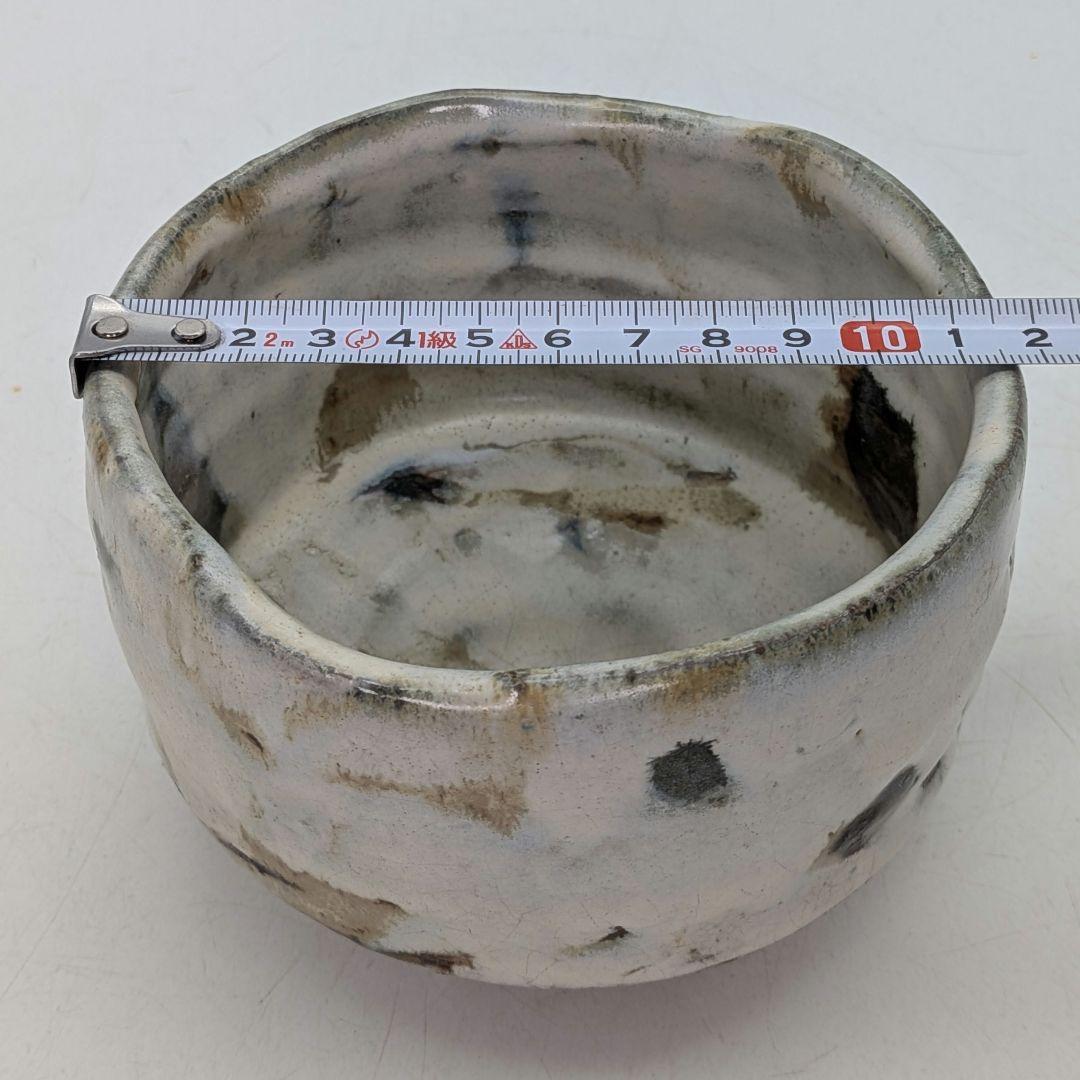
A Mino stoneware tea bowl in the nezumi-shino lineage — white feldspathic glaze layered over a coarser body, iron and indigo breaking through in broad, unplanned passages. The rim traces an uneven, hand-shaped horizon; no two angles present the same weather.
🔹 [ BASIC DETAILS ]
• Artist: Unsigned (mumei)
• Technique: Nezumi-shino style, double-layered white glaze with iron and indigo bleed
• Origin: Mino, Japan (Gifu Prefecture)
• Era: Likely post-war to contemporary
• Dimensions: Diameter approx. 11.5 cm, Height approx. 8 cm
• Box: Fitted wooden storage box (awasebako — not the artist's original box)
• Cloth: Accompanying storage cloth (awanuno — not the original artist's cloth)
• Condition: Good. No cracks or repairs observed.
🔹 [ CULTURAL & ARTISTIC INSIGHT ]
Nezumi-shino — "mouse-grey shino" — emerged in the Momoyama period kilns of Mino as potters discovered what happened when iron-rich clay slips were applied beneath the white feldspathic glaze. The iron resists, bleeds, and carbonizes at kiln temperature, leaving the surface scored by dark passages that read like erosion, frost, or shadow cast by no particular source.
This bowl belongs to a quieter variant of that tradition: the ground is white rather than grey, and the iron markings are broader, more painterly — closer to sumi-e ink wash than to the tight, peppery scatter of classical nezumi. Touches of indigo-blue gather in the low channels of the glaze, pooling where the surface dips, as if the bowl once held sky.
The uneven rim and the exposed, iron-red footring are deliberate structural statements in the Mino aesthetic. The bowl does not seek symmetry. It seeks use — the kind of use that happens over years, held in cold hands at early morning.
POETIC LINE: The glaze carries its weather inside — iron storm, indigo calm, white winter between them.
🔹 [ DEEP-DIVE COMMENTARY ]
The Mino kilns — Oribe, Shino, and their subvariants — were the primary site of chawan innovation during the Momoyama period (1573–1615). Where the earlier Tokoname and Seto kilns refined inherited Chinese forms, the Mino potters under the influence of tea masters like Furuta Oribe pursued deliberate irregularity as an aesthetic position. Nezumi-shino was one outcome: the controlled accident of slip-resist iron beneath a white glaze.
The technique requires two distinct glaze applications. First, an iron-bearing slip or underglaze is applied to the raw clay body. Over this, the white feldspar glaze — thick, opaque — is brushed or poured. In the kiln, the two layers interact under heat: the iron migrates, carbonizes, or burns through in places, producing the characteristic dark markings. The degree of oxidation or reduction in the kiln atmosphere further shifts whether the iron reads as warm brown, dark charcoal, or near-black.
This bowl shows a variation where the white glaze is thicker in the upper register, thinning toward the base, allowing more of the underlying iron character to surface near the footring. The result is a gradient — white and calm above, increasingly dark and textured below — that corresponds naturally to the experience of holding the bowl during tea: the rim smooth against the lip, the base rough and grounded in the hands.
The awasebako (fitted storage box, not a signed artist's box) suggests this piece circulated independently of a specific maker's attribution. In the Japanese antique market, this is common for Mino work from mid-20th century kilns where production was substantial and signing was inconsistent. The absence of a signature does not diminish the quality of the surface; the surface carries its own evidence.
For the collector whose attention is on glaze phenomenon rather than provenance, this bowl offers direct access to the Mino aesthetic — the fieldwork of looking at iron and white in the same surface, and noticing what they do to each other.
[ JAPANESE DESCRIPTION / 日本語解説 ]
美濃焼の石器質茶碗、鼠志野の系譜に連なる一碗。白濁した長石釉を重ね掛けし、鉄分と藍のにじみが白地に広く流れ込んで景色を作る。口縁は手仕事の不整形、どの角度も同じ表情を見せない。
【基本情報】
• 作家:無銘
• 技法:鼠志野風、白釉二重掛け、鉄・藍のにじみ
• 産地:日本・美濃(岐阜県)
• 年代:戦後〜現代と推定
• 寸法:口径 約11.5cm、高さ 約8cm
• 箱:合箱(共箱ではありません)
• 布:合布(共布ではありません)
• 状態:良好。割れ・修理の痕なし
【文化的・芸術的背景】
鼠志野は桃山時代の美濃諸窯で生まれた技法である。鉄分を含む化粧土を素地に施し、その上から白い長石釉を厚く掛ける。窯の火の中で二層が反応し、鉄は抵抗し、にじみ、焦げ、表面に暗い通路を刻む——侵食、霜、あるいは出どころのない影のように読める景色を残す。
この茶碗は、その伝統の静かな変奏に属する。地が灰ではなく白であり、鉄の景色はより広く、絵画的だ——古典的な鼠志野の細かな胡椒散りより、水墨画の洗いに近い。藍みを帯びた色が釉の低い流れに溜まり、まるでかつて空を湛えていたかのように、くぼんだところに池をなす。
不整形の口縁と、鉄赤の土見せ高台は、美濃の美学における意図的な発言である。この碗は対称を求めない。用を求める——早朝の冷えた手で、年をかけて使われるような用を。
詩的な一文:釉はその天気を内側に持つ——鉄の嵐、藍の静けさ、その間の白い冬。
【ディープダイブ解説】
美濃の諸窯——織部、志野、そしてその派生系——は桃山時代(1573〜1615年)における茶碗革新の主要な場であった。古田織部ら茶人の影響のもと、美濃の陶工たちは意図的な不整形を美的立場として追求した。鼠志野はその一つの帰結である。
技法は二段階の施釉を要する。まず鉄分を含む化粧土または下絵を素地に施す。次に白い長石釉——厚く不透明——を刷毛掛けまたは流し掛けで重ねる。窯の中で二層が熱の下で反応し、鉄は移動し、炭化し、あるいは一部で焼き抜けて、特徴的な暗い景色を生む。
この茶碗では、白釉が上部に厚く、高台際に向かって薄くなっており、下地の鉄の性格がより多く表面に出る。結果として生まれるグラデーション——上部の白く穏やかな表情、下部に向かう暗さとざらつき——は、茶を点てる際に碗を持つ経験に自然に対応する。口縁は唇に滑らか、高台は手の中に粗く、地に根ざしている。
合箱(作家の共箱ではない)は、この作品が特定の作家帰属なしに流通したことを示す。美濃の作陶は量産期においてサイン付けが不規則であったため、これは珍しいことではない。無銘であることは表面の質を損なわない——表面はそれ自体の証拠を持つ。
釉薬現象に目を向けるコレクターにとって、この碗は美濃の美学への直接のアクセスを提供する。鉄と白が同一の表面の中で何をし合うか——それを見ることの、野良仕事のような静かな実践。
🔹 [ SHIPPING & PACKAGING ]
• Dispatch: Within 1-6 business days
• Carrier: Japan Post EMS / UPS / FedEx (with tracking)
• Packaging: Carefully wrapped with protective materials
🔹 [ BASIC DETAILS ]
• Artist: Unsigned (mumei)
• Technique: Nezumi-shino style, double-layered white glaze with iron and indigo bleed
• Origin: Mino, Japan (Gifu Prefecture)
• Era: Likely post-war to contemporary
• Dimensions: Diameter approx. 11.5 cm, Height approx. 8 cm
• Box: Fitted wooden storage box (awasebako — not the artist's original box)
• Cloth: Accompanying storage cloth (awanuno — not the original artist's cloth)
• Condition: Good. No cracks or repairs observed.
🔹 [ CULTURAL & ARTISTIC INSIGHT ]
Nezumi-shino — "mouse-grey shino" — emerged in the Momoyama period kilns of Mino as potters discovered what happened when iron-rich clay slips were applied beneath the white feldspathic glaze. The iron resists, bleeds, and carbonizes at kiln temperature, leaving the surface scored by dark passages that read like erosion, frost, or shadow cast by no particular source.
This bowl belongs to a quieter variant of that tradition: the ground is white rather than grey, and the iron markings are broader, more painterly — closer to sumi-e ink wash than to the tight, peppery scatter of classical nezumi. Touches of indigo-blue gather in the low channels of the glaze, pooling where the surface dips, as if the bowl once held sky.
The uneven rim and the exposed, iron-red footring are deliberate structural statements in the Mino aesthetic. The bowl does not seek symmetry. It seeks use — the kind of use that happens over years, held in cold hands at early morning.
POETIC LINE: The glaze carries its weather inside — iron storm, indigo calm, white winter between them.
🔹 [ DEEP-DIVE COMMENTARY ]
The Mino kilns — Oribe, Shino, and their subvariants — were the primary site of chawan innovation during the Momoyama period (1573–1615). Where the earlier Tokoname and Seto kilns refined inherited Chinese forms, the Mino potters under the influence of tea masters like Furuta Oribe pursued deliberate irregularity as an aesthetic position. Nezumi-shino was one outcome: the controlled accident of slip-resist iron beneath a white glaze.
The technique requires two distinct glaze applications. First, an iron-bearing slip or underglaze is applied to the raw clay body. Over this, the white feldspar glaze — thick, opaque — is brushed or poured. In the kiln, the two layers interact under heat: the iron migrates, carbonizes, or burns through in places, producing the characteristic dark markings. The degree of oxidation or reduction in the kiln atmosphere further shifts whether the iron reads as warm brown, dark charcoal, or near-black.
This bowl shows a variation where the white glaze is thicker in the upper register, thinning toward the base, allowing more of the underlying iron character to surface near the footring. The result is a gradient — white and calm above, increasingly dark and textured below — that corresponds naturally to the experience of holding the bowl during tea: the rim smooth against the lip, the base rough and grounded in the hands.
The awasebako (fitted storage box, not a signed artist's box) suggests this piece circulated independently of a specific maker's attribution. In the Japanese antique market, this is common for Mino work from mid-20th century kilns where production was substantial and signing was inconsistent. The absence of a signature does not diminish the quality of the surface; the surface carries its own evidence.
For the collector whose attention is on glaze phenomenon rather than provenance, this bowl offers direct access to the Mino aesthetic — the fieldwork of looking at iron and white in the same surface, and noticing what they do to each other.
[ JAPANESE DESCRIPTION / 日本語解説 ]
美濃焼の石器質茶碗、鼠志野の系譜に連なる一碗。白濁した長石釉を重ね掛けし、鉄分と藍のにじみが白地に広く流れ込んで景色を作る。口縁は手仕事の不整形、どの角度も同じ表情を見せない。
【基本情報】
• 作家:無銘
• 技法:鼠志野風、白釉二重掛け、鉄・藍のにじみ
• 産地:日本・美濃(岐阜県)
• 年代:戦後〜現代と推定
• 寸法:口径 約11.5cm、高さ 約8cm
• 箱:合箱(共箱ではありません)
• 布:合布(共布ではありません)
• 状態:良好。割れ・修理の痕なし
【文化的・芸術的背景】
鼠志野は桃山時代の美濃諸窯で生まれた技法である。鉄分を含む化粧土を素地に施し、その上から白い長石釉を厚く掛ける。窯の火の中で二層が反応し、鉄は抵抗し、にじみ、焦げ、表面に暗い通路を刻む——侵食、霜、あるいは出どころのない影のように読める景色を残す。
この茶碗は、その伝統の静かな変奏に属する。地が灰ではなく白であり、鉄の景色はより広く、絵画的だ——古典的な鼠志野の細かな胡椒散りより、水墨画の洗いに近い。藍みを帯びた色が釉の低い流れに溜まり、まるでかつて空を湛えていたかのように、くぼんだところに池をなす。
不整形の口縁と、鉄赤の土見せ高台は、美濃の美学における意図的な発言である。この碗は対称を求めない。用を求める——早朝の冷えた手で、年をかけて使われるような用を。
詩的な一文:釉はその天気を内側に持つ——鉄の嵐、藍の静けさ、その間の白い冬。
【ディープダイブ解説】
美濃の諸窯——織部、志野、そしてその派生系——は桃山時代(1573〜1615年)における茶碗革新の主要な場であった。古田織部ら茶人の影響のもと、美濃の陶工たちは意図的な不整形を美的立場として追求した。鼠志野はその一つの帰結である。
技法は二段階の施釉を要する。まず鉄分を含む化粧土または下絵を素地に施す。次に白い長石釉——厚く不透明——を刷毛掛けまたは流し掛けで重ねる。窯の中で二層が熱の下で反応し、鉄は移動し、炭化し、あるいは一部で焼き抜けて、特徴的な暗い景色を生む。
この茶碗では、白釉が上部に厚く、高台際に向かって薄くなっており、下地の鉄の性格がより多く表面に出る。結果として生まれるグラデーション——上部の白く穏やかな表情、下部に向かう暗さとざらつき——は、茶を点てる際に碗を持つ経験に自然に対応する。口縁は唇に滑らか、高台は手の中に粗く、地に根ざしている。
合箱(作家の共箱ではない)は、この作品が特定の作家帰属なしに流通したことを示す。美濃の作陶は量産期においてサイン付けが不規則であったため、これは珍しいことではない。無銘であることは表面の質を損なわない——表面はそれ自体の証拠を持つ。
釉薬現象に目を向けるコレクターにとって、この碗は美濃の美学への直接のアクセスを提供する。鉄と白が同一の表面の中で何をし合うか——それを見ることの、野良仕事のような静かな実践。
🔹 [ SHIPPING & PACKAGING ]
• Dispatch: Within 1-6 business days
• Carrier: Japan Post EMS / UPS / FedEx (with tracking)
• Packaging: Carefully wrapped with protective materials
Quantity
Couldn't load pickup availability
Low stock: 1 left
View full details