1
/
of
16
Mebari Yanagi Maki-e O-Natsume by Takeuchi Kosai - Willow Gold Lacquer Tea Caddy
Mebari Yanagi Maki-e O-Natsume by Takeuchi Kosai - Willow Gold Lacquer Tea Caddy
Regular price
Dhs. 1,419.00 AED
Regular price
Sale price
Dhs. 1,419.00 AED
Taxes included.
Shipping calculated at checkout.
Experience authentic Japanese Tea Caddy artistry with this Maki-e Lacquer Art O-Natsume. This Spring Motif Tea piece serves as a Chanoyu Tea Caddy and Tomobako Wooden Box set, featuring Gold Maki-e Design and Urushi Lacquerware craftsmanship—a must-have for any collector seeking O-Natsume Tea Ware and Ceremonial Tea Tools.
━━━━━━━━━━━━━━━━━━━━
🔹 [ BASIC DETAILS ]
• Artist: Takeuchi Kosai (竹内幸斎)
• Technique: Gold maki-e on black urushi lacquer with interior kin-chirashi
• Era: Contemporary (Heisei-Reiwa)
• Origin: Japan
• Dimensions: Diameter 7.3 cm × Height 7.1 cm (2.9" × 2.8")
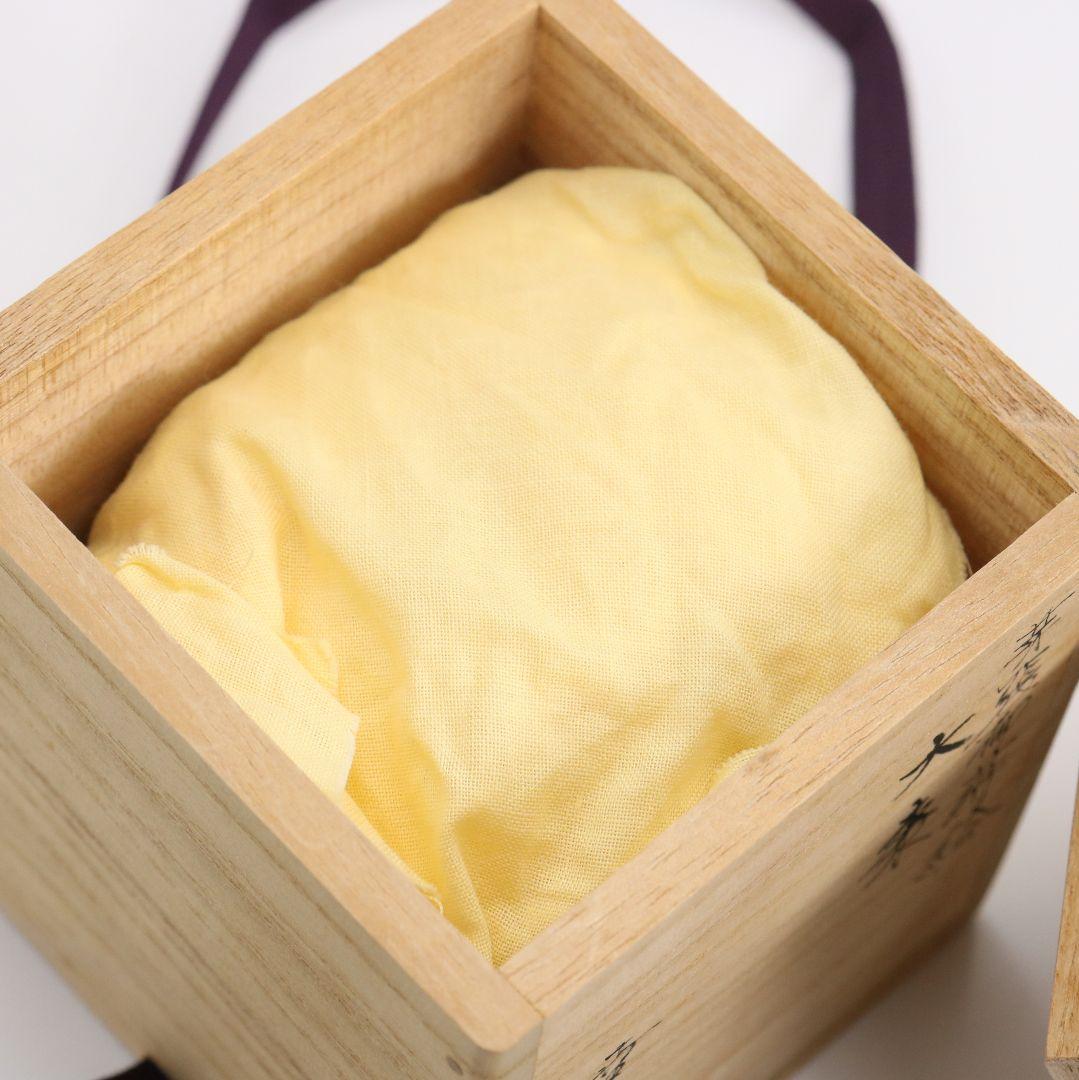
• Box: Tomobako (artist-signed wooden box)
• Condition: Excellent
━━━━━━━━━━━━━━━━━━━━
🔹 [ CULTURAL & ARTISTIC INSIGHT ]
Mebari-yanagi (芽張柳 sprouting willow) marks the moment when winter releases its hold—not through explosive bloom, but through the quiet insistence of green buds pushing through dormant branches. Takeuchi Kosai captures this transitional energy across black urushi, the gold maki-e willow branches flowing diagonally as if caught mid-sway by early spring wind.
The interior kin-chirashi finish—scattered gold flakes against black—creates a cosmos within the vessel. When the lid lifts during tea ceremony, this hidden constellation is revealed, a private gesture reserved for the tea practitioner's hands alone.
*"The willow does not announce spring. It embodies the continuity between what was and what will be."*
━━━━━━━━━━━━━━━━━━━━
🔹 [ DEEP-DIVE COMMENTARY ]
**Mebari-Yanagi as Spring Kigo**: In tea ceremony seasonal rotation, mebari-yanagi occupies the liminal space of Risshun (立春 beginning of spring). Unlike bold plum blossoms or cherry, willow speaks through delicate sprouting leaves—a motif favored when the tea gathering acknowledges resilience rather than celebration.
**Maki-e Technique Layering**: The design employs multiple gold application methods: flat gold powder for background branches, raised takamaki-e for prominent stalks, and fine gold lines for individual leaves. This depth is achieved through 8-12 separate application and polishing cycles, each layer hardened under controlled humidity before the next.
**Interior Kin-Chirashi Philosophy**: Scattered gold flakes inside the natsume serve dual purposes—they prevent tea powder adherence (functional) and create visual surprise during use (aesthetic). The randomness of chirashi placement follows wabi principles: intentional imperfection that resists manufactured symmetry.
**O-Natsume Proportions**: At 7.3cm diameter, this qualifies as o-natsume (large tea caddy), the standard size for thick tea (koicha) in formal tea gatherings. The height-to-width ratio (7.1:7.3) creates subtle visual stability—a cylindrical form that feels grounded rather than top-heavy.
━━━━━━━━━━━━━━━━━━━━
🔹 [ 日本語解説 ]
【基本情報】
• 作家:竹内幸斎
• 技法:黒漆地金蒔絵、内金散らし
• 時代:現代(平成〜令和)
• 産地:日本
• 寸法:直径約7.3cm × 高さ約7.1cm
• 付属:共箱(作家署名入り木箱)
• 状態:優良
【解説】
竹内幸斎による芽張柳蒔絵の大棗。芽張柳は冬から春へと移行する節目を象徴する茶道の季節意匠で、華やかな梅や桜とは異なり、静かな生命力の回復を伝えます。黒漆地に金蒔絵で描かれた柳の枝は斜めに流れ、風に揺れる柳の姿を表現しています。
内部の金散らし仕上げは、棗を開けた時に初めて現れる密やかな装飾。抹茶の付着を防ぐ実用性と、使用者だけが目にする美的驚きを兼ね備えた、茶道具ならではの「内と外」の美学を体現しています。
━━━━━━━━━━━━━━━━━━━━
🔹 [ SHIPPING & PACKAGING ]
• Dispatch: Within 1-6 business days
• Carrier: Japan Post EMS / UPS (with tracking)
• Packaging: Carefully wrapped with protective materials
*The willow knows: spring does not arrive. It accumulates.*
━━━━━━━━━━━━━━━━━━━━
🔹 [ BASIC DETAILS ]
• Artist: Takeuchi Kosai (竹内幸斎)
• Technique: Gold maki-e on black urushi lacquer with interior kin-chirashi
• Era: Contemporary (Heisei-Reiwa)
• Origin: Japan
• Dimensions: Diameter 7.3 cm × Height 7.1 cm (2.9" × 2.8")
• Box: Tomobako (artist-signed wooden box)
• Condition: Excellent
━━━━━━━━━━━━━━━━━━━━
🔹 [ CULTURAL & ARTISTIC INSIGHT ]
Mebari-yanagi (芽張柳 sprouting willow) marks the moment when winter releases its hold—not through explosive bloom, but through the quiet insistence of green buds pushing through dormant branches. Takeuchi Kosai captures this transitional energy across black urushi, the gold maki-e willow branches flowing diagonally as if caught mid-sway by early spring wind.
The interior kin-chirashi finish—scattered gold flakes against black—creates a cosmos within the vessel. When the lid lifts during tea ceremony, this hidden constellation is revealed, a private gesture reserved for the tea practitioner's hands alone.
*"The willow does not announce spring. It embodies the continuity between what was and what will be."*
━━━━━━━━━━━━━━━━━━━━
🔹 [ DEEP-DIVE COMMENTARY ]
**Mebari-Yanagi as Spring Kigo**: In tea ceremony seasonal rotation, mebari-yanagi occupies the liminal space of Risshun (立春 beginning of spring). Unlike bold plum blossoms or cherry, willow speaks through delicate sprouting leaves—a motif favored when the tea gathering acknowledges resilience rather than celebration.
**Maki-e Technique Layering**: The design employs multiple gold application methods: flat gold powder for background branches, raised takamaki-e for prominent stalks, and fine gold lines for individual leaves. This depth is achieved through 8-12 separate application and polishing cycles, each layer hardened under controlled humidity before the next.
**Interior Kin-Chirashi Philosophy**: Scattered gold flakes inside the natsume serve dual purposes—they prevent tea powder adherence (functional) and create visual surprise during use (aesthetic). The randomness of chirashi placement follows wabi principles: intentional imperfection that resists manufactured symmetry.
**O-Natsume Proportions**: At 7.3cm diameter, this qualifies as o-natsume (large tea caddy), the standard size for thick tea (koicha) in formal tea gatherings. The height-to-width ratio (7.1:7.3) creates subtle visual stability—a cylindrical form that feels grounded rather than top-heavy.
━━━━━━━━━━━━━━━━━━━━
🔹 [ 日本語解説 ]
【基本情報】
• 作家:竹内幸斎
• 技法:黒漆地金蒔絵、内金散らし
• 時代:現代(平成〜令和)
• 産地:日本
• 寸法:直径約7.3cm × 高さ約7.1cm
• 付属:共箱(作家署名入り木箱)
• 状態:優良
【解説】
竹内幸斎による芽張柳蒔絵の大棗。芽張柳は冬から春へと移行する節目を象徴する茶道の季節意匠で、華やかな梅や桜とは異なり、静かな生命力の回復を伝えます。黒漆地に金蒔絵で描かれた柳の枝は斜めに流れ、風に揺れる柳の姿を表現しています。
内部の金散らし仕上げは、棗を開けた時に初めて現れる密やかな装飾。抹茶の付着を防ぐ実用性と、使用者だけが目にする美的驚きを兼ね備えた、茶道具ならではの「内と外」の美学を体現しています。
━━━━━━━━━━━━━━━━━━━━
🔹 [ SHIPPING & PACKAGING ]
• Dispatch: Within 1-6 business days
• Carrier: Japan Post EMS / UPS (with tracking)
• Packaging: Carefully wrapped with protective materials
*The willow knows: spring does not arrive. It accumulates.*
Quantity
Couldn't load pickup availability
Low stock: 1 left
View full details