1
/
of
9
Matsui Yoshiko Wajima Lacquer Kanshitsu Eggplant Incense Container Kogo
Matsui Yoshiko Wajima Lacquer Kanshitsu Eggplant Incense Container Kogo
Regular price
Dhs. 861.00 AED
Regular price
Sale price
Dhs. 861.00 AED
Taxes included.
Shipping calculated at checkout.
Experience authentic Japanese Incense Ceremony with this Antique Incense Container. This Wajima Lacquer Kogo serves as a Kanshitsu Lacquerware and Eggplant Kogo, featuring Dry Lacquer Technique and Gold Nashiji—a must-have for any Collector seeking Japanese Tea Art and Traditional Incense Ware.
━━━━━━━━━━━━━━━━━━━━
🔹 [ BASIC DETAILS ]
• Artist: Matsui Yoshiko (松井芳子)
• Lacquer School: Wajima-nuri (輪島塗, Ishikawa Prefecture)
• Form: Nasu-kogo (茄子香合, eggplant incense container)
• Technique: Kanshitsu (乾漆, dry lacquer)
• Base Material: Lacquer-soaked cloth built over a form
• Decoration: Deep purple-black body with gold nashiji-textured calyx
• Dimensions: H: 3.9cm, W: 8.5cm
• Period: 2000-2009
• Provenance: Wajima, Ishikawa, Japan
• Condition: Excellent—mirror-like gloss, intact gold detailing
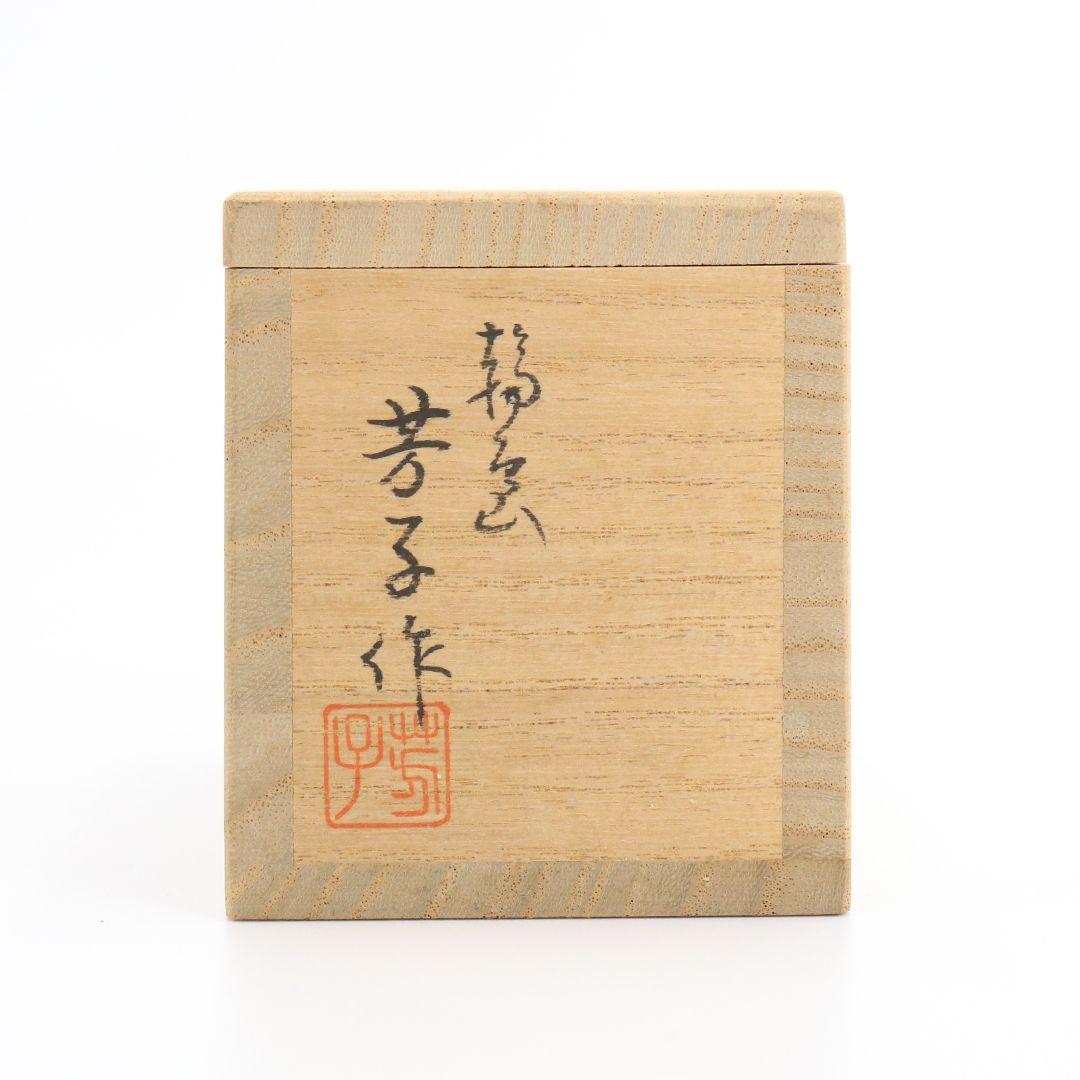
• Authentication: Signed tomobako (artist-inscribed wooden box)
━━━━━━━━━━━━━━━━━━━━
🔹 [ CULTURAL & ARTISTIC INSIGHT ]
The eggplant (nasu, 茄子) holds auspicious meaning in Japanese culture—the word also means "to achieve" or "to accomplish." This kogo transforms a humble vegetable into an object of contemplation, its glossy purple surface reflecting light like polished stone.
Matsui Yoshiko employs kanshitsu (dry lacquer), an ancient technique dating to the Nara period (710-794). Layers of lacquer-soaked hemp cloth are built up over a removable core, creating a lightweight yet durable shell. Once the form hardens, the interior mold is removed, leaving a hollow vessel. The process demands patience—each layer must cure completely before the next is applied.
The contrast between the smooth, mirror-like eggplant body and the rough, gold-flecked calyx (heta) demonstrates technical mastery. The stem portion uses nashiji (梨地, "pear-skin ground")—gold or silver powder sprinkled onto wet lacquer, creating a shimmering, textured surface. This duality—polished elegance meets raw earthiness—mirrors the tea ceremony's balance between refinement and rusticity (wabi-sabi, 侘寂).
Wajima lacquer is renowned for its durability. The region's lacquer masters mix diatomaceous earth (jinoko, 地の粉) into the base layers, reinforcing the structure. This piece, though delicate in appearance, will endure for centuries if cared for properly.
━━━━━━━━━━━━━━━━━━━━
🔹 [ DEEP-DIVE COMMENTARY ]
**Kanshitsu Technique**: Dry lacquer (kanshitsu, 乾漆) originated in Tang Dynasty China and reached Japan by the 8th century. The process begins with a clay or wood form, which is wrapped in hemp cloth soaked in raw urushi sap. Each layer is allowed to dry in a humid chamber (muro, 室) for several days. Once sufficient layers accumulate, the inner core is carved out, leaving a hollow shell. The result is remarkably light—kanshitsu Buddhist statues from the Nara period weigh far less than their wooden counterparts. Matsui Yoshiko adapts this ancient method to create functional tea utensils, honoring tradition while exploring form.
**The Eggplant as Motif**: In Japanese folklore, the phrase "Ichi-Fuji, Ni-Taka, San-Nasubi" (一富士 二鷹 三茄子) lists the three most auspicious things to dream of in the New Year: Mount Fuji, a hawk, and an eggplant. The eggplant's wordplay—nasu (茄子) meaning both "eggplant" and "to achieve"—makes it a symbol of success and prosperity. Tea masters often incorporate nasu-kogo into autumn gatherings, when eggplants ripen and the harvest moon rises.
**Wajima Lacquer Tradition**: Wajima-nuri has been designated an Important Intangible Cultural Property of Japan. The region's lacquer masters follow a strict 124-step process, including the unique practice of applying jinoko (diatomaceous earth powder) to the base layers. This reinforcement allows Wajima lacquer to withstand daily use for generations. Matsui Yoshiko, a female artist in a historically male-dominated craft, brings fresh perspective to this lineage—her work emphasizes organic forms and subtle color gradations.
**Nashiji Gold Detailing**: The calyx (heta) portion uses nashiji (梨地), a technique where gold or silver powder is scattered onto wet lacquer, then sealed with a translucent topcoat. The name "pear-skin ground" refers to the slightly rough, matte texture resembling the skin of a Japanese pear. In this piece, the nashiji appears only on the stem, creating a focal point that draws the eye upward—a compositional choice that balances the eggplant's bulbous form.
**Incense Container Function**: Kogo (香合) are small lidded containers used in the tea ceremony to hold incense (ko, 香). During a formal tea gathering (chaji, 茶事), the host places a few grains of aromatic wood (koboku, 香木) into the brazier before serving tea. Guests later examine the kogo as part of the utensil appreciation ritual (haiken, 拝見). The choice of kogo reflects the season and occasion—this eggplant form suits autumn gatherings, when the vegetable is at its peak.
━━━━━━━━━━━━━━━━━━━━
🔹 [ 日本語解説 ]
【基本情報】
• 作家: 松井芳子(まついよしこ)
• 種類: 茄子香合(なすこうごう)
• 技法: 乾漆(かんしつ)、梨地(なしじ)
• 産地: 輪島塗(石川県)
• 寸法: 高さ3.9cm、幅8.5cm
• 年代: 2000年代
• 共箱: あり(作家署名・印)
• 状態: 優良—鏡面のような光沢、金粉の輝き良好
【解説】
茄子(なす)は、日本文化において縁起の良いモチーフです。「成す(なす)」と音が同じことから、「物事を成し遂げる」という意味を持ちます。初夢で見ると縁起が良いとされる「一富士 二鷹 三茄子」にも登場し、茶道具としても秋の茶会でよく用いられます。
この香合は、乾漆(かんしつ)という古代技法で作られています。乾漆とは、麻布を漆で固めて層を重ね、中の芯を取り除いて中空の器を作る技法です。奈良時代(710-794年)に仏像制作で多用され、軽量かつ堅牢な構造を実現しました。松井芳子は、この伝統技法を茶道具に応用し、現代的な感性で再解釈しています。
茄子の本体部分は、深い紫黒色の漆で鏡面のように磨き上げられています。一方、ヘタ(蔕)の部分は、梨地(なしじ)という技法で仕上げられており、金粉を蒔いた粗い質感が対照をなします。この滑らかさと粗さの対比は、茶道の美意識「侘寂(わびさび)」—洗練と素朴さの共存—を体現しています。
輪島塗(わじまぬり)は、石川県輪島市で生産される漆器で、国の重要無形文化財に指定されています。その特徴は、下地に地の粉(じのこ、珪藻土)を混ぜることで、驚異的な耐久性を実現している点です。輪島塗は124の工程を経て完成し、何世代にもわたって使用できる堅牢さを誇ります。
松井芳子は、伝統的に男性中心だった輪島塗の世界で活躍する女性作家です。彼女の作品は、有機的なフォルムと繊細な色彩表現が特徴で、古典的な技法に現代的な視点を加えています。
共箱の書付には「輪島 乾漆 茄子香合 芳子作」と記され、作家の朱印が押されています。この香合は、茶会での香炉に焚く香木(香、こう)を入れるための容器として使用されます。茶事(ちゃじ)では、亭主が香合から香木を取り出し、炉に落とす所作が重要な役割を果たします。
━━━━━━━━━━━━━━━━━━━━
🔹 [ SHIPPING & PACKAGING ]
• Dispatch: Within 1-6 business days
• Carrier: Japan Post EMS / UPS (with tracking)
• Packaging: Carefully wrapped with protective materials
*An eggplant holds silence, its purple skin reflecting the season's last light.*
━━━━━━━━━━━━━━━━━━━━
🔹 [ BASIC DETAILS ]
• Artist: Matsui Yoshiko (松井芳子)
• Lacquer School: Wajima-nuri (輪島塗, Ishikawa Prefecture)
• Form: Nasu-kogo (茄子香合, eggplant incense container)
• Technique: Kanshitsu (乾漆, dry lacquer)
• Base Material: Lacquer-soaked cloth built over a form
• Decoration: Deep purple-black body with gold nashiji-textured calyx
• Dimensions: H: 3.9cm, W: 8.5cm
• Period: 2000-2009
• Provenance: Wajima, Ishikawa, Japan
• Condition: Excellent—mirror-like gloss, intact gold detailing
• Authentication: Signed tomobako (artist-inscribed wooden box)
━━━━━━━━━━━━━━━━━━━━
🔹 [ CULTURAL & ARTISTIC INSIGHT ]
The eggplant (nasu, 茄子) holds auspicious meaning in Japanese culture—the word also means "to achieve" or "to accomplish." This kogo transforms a humble vegetable into an object of contemplation, its glossy purple surface reflecting light like polished stone.
Matsui Yoshiko employs kanshitsu (dry lacquer), an ancient technique dating to the Nara period (710-794). Layers of lacquer-soaked hemp cloth are built up over a removable core, creating a lightweight yet durable shell. Once the form hardens, the interior mold is removed, leaving a hollow vessel. The process demands patience—each layer must cure completely before the next is applied.
The contrast between the smooth, mirror-like eggplant body and the rough, gold-flecked calyx (heta) demonstrates technical mastery. The stem portion uses nashiji (梨地, "pear-skin ground")—gold or silver powder sprinkled onto wet lacquer, creating a shimmering, textured surface. This duality—polished elegance meets raw earthiness—mirrors the tea ceremony's balance between refinement and rusticity (wabi-sabi, 侘寂).
Wajima lacquer is renowned for its durability. The region's lacquer masters mix diatomaceous earth (jinoko, 地の粉) into the base layers, reinforcing the structure. This piece, though delicate in appearance, will endure for centuries if cared for properly.
━━━━━━━━━━━━━━━━━━━━
🔹 [ DEEP-DIVE COMMENTARY ]
**Kanshitsu Technique**: Dry lacquer (kanshitsu, 乾漆) originated in Tang Dynasty China and reached Japan by the 8th century. The process begins with a clay or wood form, which is wrapped in hemp cloth soaked in raw urushi sap. Each layer is allowed to dry in a humid chamber (muro, 室) for several days. Once sufficient layers accumulate, the inner core is carved out, leaving a hollow shell. The result is remarkably light—kanshitsu Buddhist statues from the Nara period weigh far less than their wooden counterparts. Matsui Yoshiko adapts this ancient method to create functional tea utensils, honoring tradition while exploring form.
**The Eggplant as Motif**: In Japanese folklore, the phrase "Ichi-Fuji, Ni-Taka, San-Nasubi" (一富士 二鷹 三茄子) lists the three most auspicious things to dream of in the New Year: Mount Fuji, a hawk, and an eggplant. The eggplant's wordplay—nasu (茄子) meaning both "eggplant" and "to achieve"—makes it a symbol of success and prosperity. Tea masters often incorporate nasu-kogo into autumn gatherings, when eggplants ripen and the harvest moon rises.
**Wajima Lacquer Tradition**: Wajima-nuri has been designated an Important Intangible Cultural Property of Japan. The region's lacquer masters follow a strict 124-step process, including the unique practice of applying jinoko (diatomaceous earth powder) to the base layers. This reinforcement allows Wajima lacquer to withstand daily use for generations. Matsui Yoshiko, a female artist in a historically male-dominated craft, brings fresh perspective to this lineage—her work emphasizes organic forms and subtle color gradations.
**Nashiji Gold Detailing**: The calyx (heta) portion uses nashiji (梨地), a technique where gold or silver powder is scattered onto wet lacquer, then sealed with a translucent topcoat. The name "pear-skin ground" refers to the slightly rough, matte texture resembling the skin of a Japanese pear. In this piece, the nashiji appears only on the stem, creating a focal point that draws the eye upward—a compositional choice that balances the eggplant's bulbous form.
**Incense Container Function**: Kogo (香合) are small lidded containers used in the tea ceremony to hold incense (ko, 香). During a formal tea gathering (chaji, 茶事), the host places a few grains of aromatic wood (koboku, 香木) into the brazier before serving tea. Guests later examine the kogo as part of the utensil appreciation ritual (haiken, 拝見). The choice of kogo reflects the season and occasion—this eggplant form suits autumn gatherings, when the vegetable is at its peak.
━━━━━━━━━━━━━━━━━━━━
🔹 [ 日本語解説 ]
【基本情報】
• 作家: 松井芳子(まついよしこ)
• 種類: 茄子香合(なすこうごう)
• 技法: 乾漆(かんしつ)、梨地(なしじ)
• 産地: 輪島塗(石川県)
• 寸法: 高さ3.9cm、幅8.5cm
• 年代: 2000年代
• 共箱: あり(作家署名・印)
• 状態: 優良—鏡面のような光沢、金粉の輝き良好
【解説】
茄子(なす)は、日本文化において縁起の良いモチーフです。「成す(なす)」と音が同じことから、「物事を成し遂げる」という意味を持ちます。初夢で見ると縁起が良いとされる「一富士 二鷹 三茄子」にも登場し、茶道具としても秋の茶会でよく用いられます。
この香合は、乾漆(かんしつ)という古代技法で作られています。乾漆とは、麻布を漆で固めて層を重ね、中の芯を取り除いて中空の器を作る技法です。奈良時代(710-794年)に仏像制作で多用され、軽量かつ堅牢な構造を実現しました。松井芳子は、この伝統技法を茶道具に応用し、現代的な感性で再解釈しています。
茄子の本体部分は、深い紫黒色の漆で鏡面のように磨き上げられています。一方、ヘタ(蔕)の部分は、梨地(なしじ)という技法で仕上げられており、金粉を蒔いた粗い質感が対照をなします。この滑らかさと粗さの対比は、茶道の美意識「侘寂(わびさび)」—洗練と素朴さの共存—を体現しています。
輪島塗(わじまぬり)は、石川県輪島市で生産される漆器で、国の重要無形文化財に指定されています。その特徴は、下地に地の粉(じのこ、珪藻土)を混ぜることで、驚異的な耐久性を実現している点です。輪島塗は124の工程を経て完成し、何世代にもわたって使用できる堅牢さを誇ります。
松井芳子は、伝統的に男性中心だった輪島塗の世界で活躍する女性作家です。彼女の作品は、有機的なフォルムと繊細な色彩表現が特徴で、古典的な技法に現代的な視点を加えています。
共箱の書付には「輪島 乾漆 茄子香合 芳子作」と記され、作家の朱印が押されています。この香合は、茶会での香炉に焚く香木(香、こう)を入れるための容器として使用されます。茶事(ちゃじ)では、亭主が香合から香木を取り出し、炉に落とす所作が重要な役割を果たします。
━━━━━━━━━━━━━━━━━━━━
🔹 [ SHIPPING & PACKAGING ]
• Dispatch: Within 1-6 business days
• Carrier: Japan Post EMS / UPS (with tracking)
• Packaging: Carefully wrapped with protective materials
*An eggplant holds silence, its purple skin reflecting the season's last light.*
Quantity
Couldn't load pickup availability
Low stock: 1 left
View full details